Li Jiameng, Zhang Zhuyun, Wang Liya, Jiang Luojia, Qin Zheng, Zhao Yuliang, Su Baihai
Department of Nephrology, West China Hospital, Sichuan University, Chengdu, China.
Front Pharmacol. 2021 Dec 10;12:782660. doi: 10.3389/fphar.2021.782660. eCollection 2021.
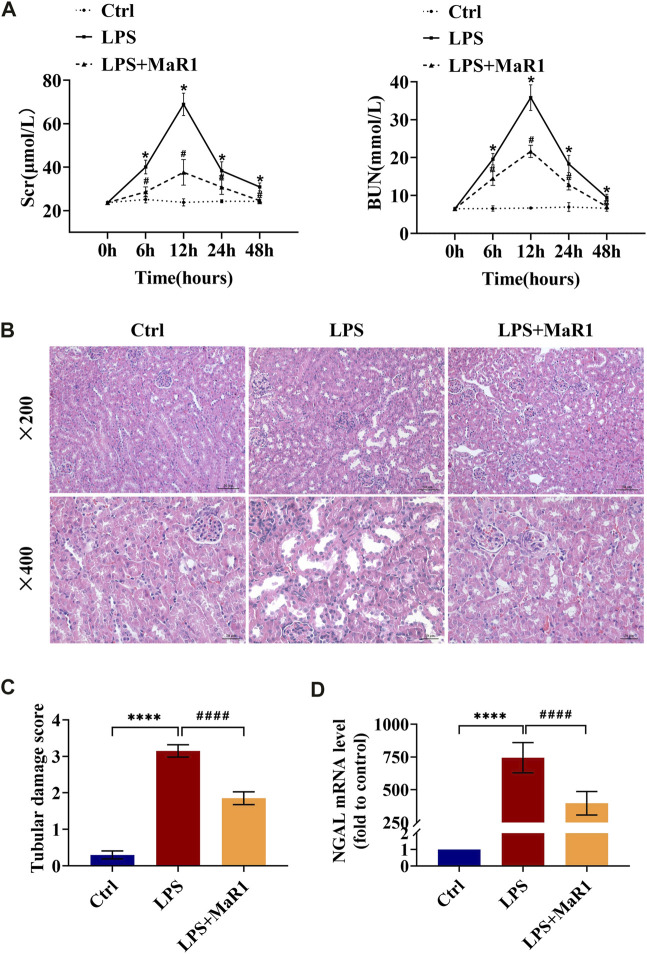
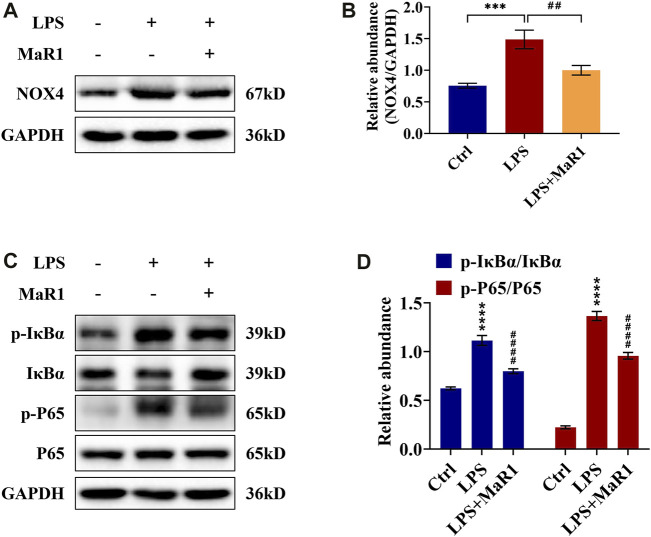
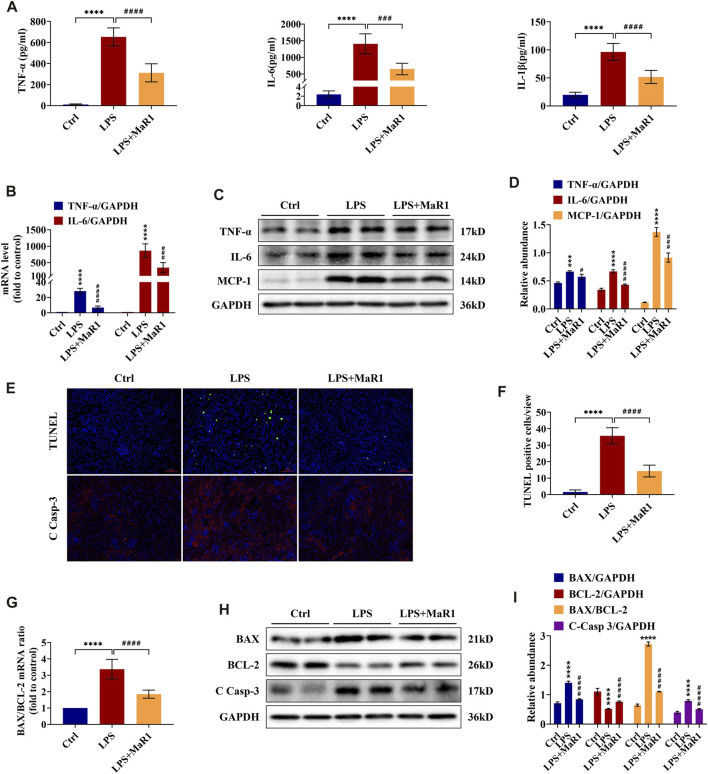
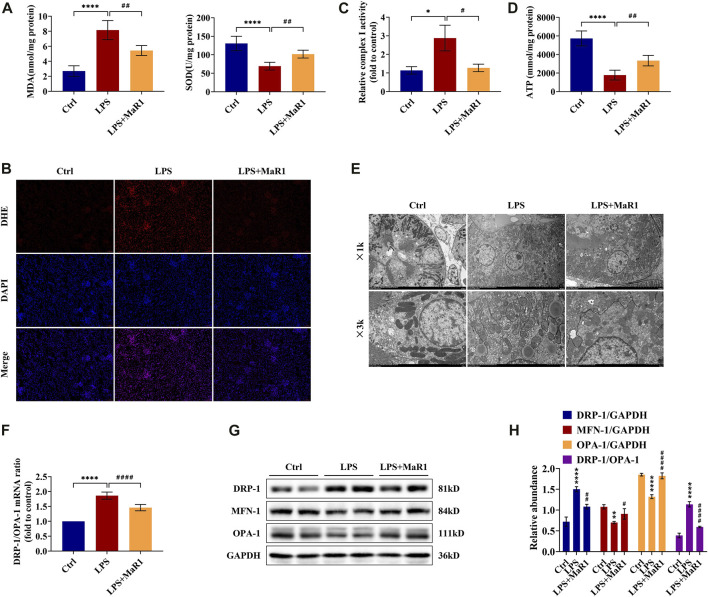
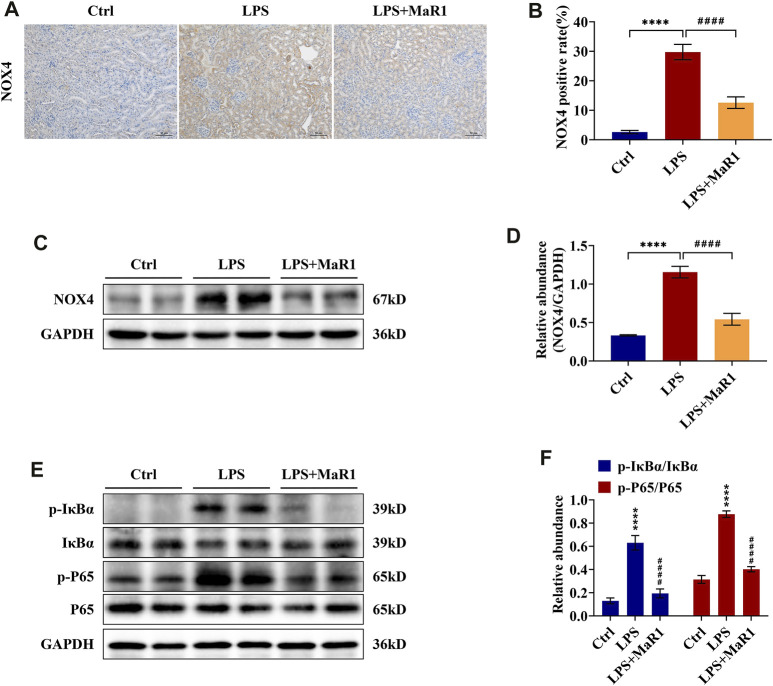
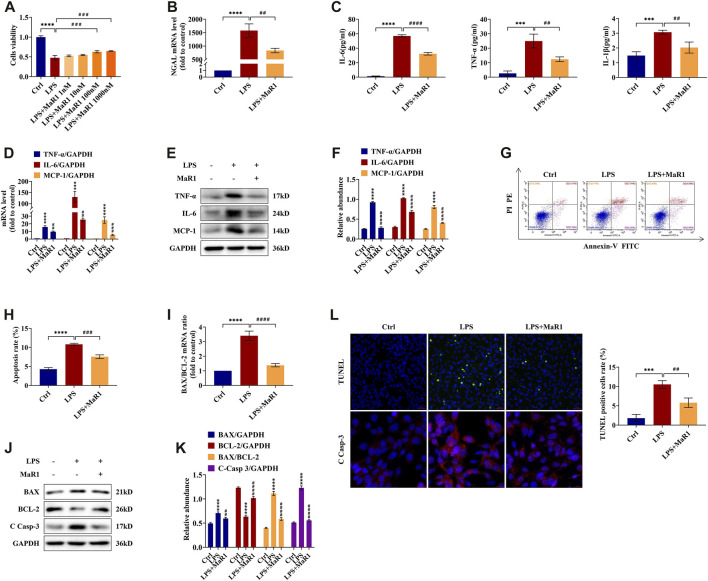
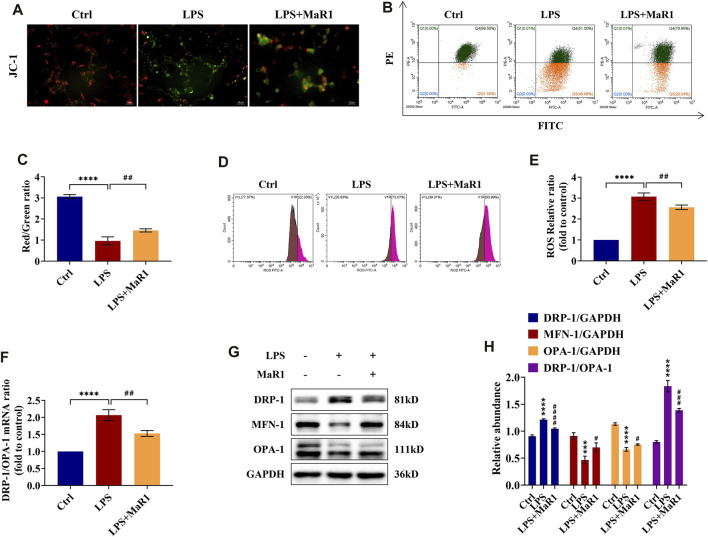
Sepsis-associated acute kidney injury (S-AKI) is a common complication in hospitalized and critically ill patients, which increases the risk of multiple comorbidities and is associated with extremely high mortality. Maresin 1 (MaR1), a lipid mediator derived from the omega-3 fatty acid docosahexaenoic acid has been reported to protect against inflammation and promote the regression of acute inflammation. This study proposed to systematically investigate the renoprotective effects and potential molecular mechanism of MaR1 in septic acute kidney injury. We established a S-AKI animal model by a single intraperitoneal injection of lipopolysaccharide (LPS), 10 mg/kg, on male C57BL/6J mice. LPS-stimulated (100 μg/ml) mouse kidney tubular epithelium cells (TCMK-1) were used to simulate septic AKI . The results showed that pretreatment with MaR1 significantly reduced serum creatinine and blood urea nitrogen levels as well as tubular damage scores and injury marker neutrophil gelatinase-associated lipocalin in septic AKI mice. Meanwhile, MaR1 administration obviously diminished pro-inflammatory cytokines (TNF-α, IL-6, IL-1β, and MCP-1), downregulated BAX and cleaved caspase-3 expression, and upregulated BCL-2 expression in the injured kidney tissues and TCMK-1 cells. In addition, MaR1 reduced malondialdehyde production and improved the superoxide dismutase activity of renal tissues while inhibiting reactive oxygen species (ROS) production and protecting the mitochondria. Mechanistically, LPS stimulated the expression of the NOX4/ROS/NF-κB p65 signaling pathway in S-AKI kidneys, while MaR1 effectively suppressed the activation of the corresponding pathway. In conclusion, MaR1 attenuated kidney inflammation, apoptosis, oxidative stress, and mitochondrial dysfunction to protect against LPS-induced septic AKI via inhibiting the NOX4/ROS/NF-κB p65 signaling pathway.
脓毒症相关急性肾损伤(S-AKI)是住院患者和危重症患者常见的并发症,会增加多种合并症风险,且死亡率极高。maresin 1(MaR1)是一种源自ω-3脂肪酸二十二碳六烯酸的脂质介质,据报道具有抗炎作用并能促进急性炎症消退。本研究旨在系统探究MaR1在脓毒症急性肾损伤中的肾保护作用及潜在分子机制。我们通过对雄性C57BL/6J小鼠单次腹腔注射10mg/kg脂多糖(LPS)建立S-AKI动物模型。用LPS刺激(100μg/ml)的小鼠肾小管上皮细胞(TCMK-1)模拟脓毒症急性肾损伤。结果显示,MaR1预处理显著降低了脓毒症急性肾损伤小鼠的血清肌酐和血尿素氮水平,以及肾小管损伤评分和损伤标志物中性粒细胞明胶酶相关脂质运载蛋白。同时,MaR1给药明显减少了损伤肾组织和TCMK-1细胞中促炎细胞因子(TNF-α、IL-6、IL-1β和MCP-1)的产生,下调了BAX和裂解的caspase-3表达,并上调了BCL-2表达。此外,MaR1减少了丙二醛生成,提高了肾组织的超氧化物歧化酶活性,同时抑制了活性氧(ROS)生成并保护了线粒体。机制上,LPS刺激了S-AKI肾脏中NOX4/ROS/NF-κB p65信号通路的表达,而MaR1有效抑制了相应通路的激活。总之,MaR1通过抑制NOX4/ROS/NF-κB p65信号通路减轻肾脏炎症、细胞凋亡、氧化应激和线粒体功能障碍,从而保护小鼠免受LPS诱导的脓毒症急性肾损伤。