Division of Cardiovascular Surgery, Department of Surgery, Kobe University Graduate School of Medicine, Kobe, Japan.
Department of Cardiovascular Surgery, Ageo Central General Hospital, Saitama, Japan.
Interact Cardiovasc Thorac Surg. 2022 Jun 1;34(6):1152-1154. doi: 10.1093/icvts/ivab353.
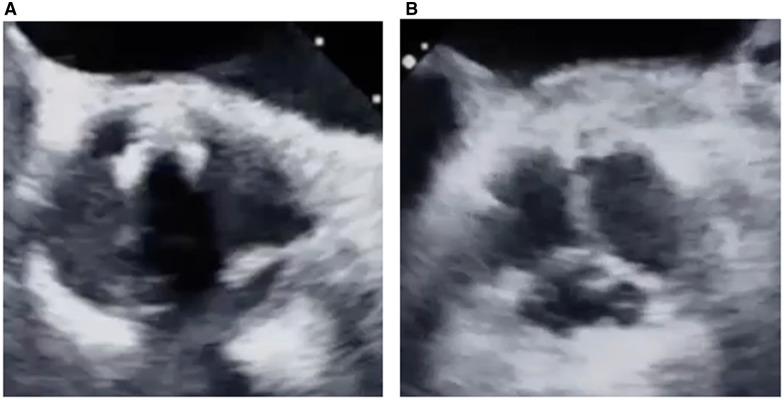
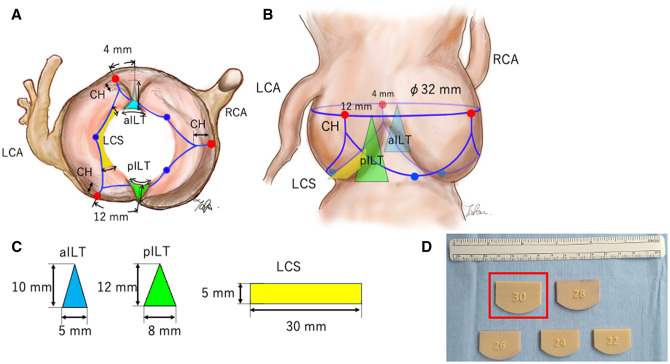
Although virtual reality (VR) techniques that enable visualizing a patient's anatomy stereoscopically have been developed recently, these techniques are still scarcely used in clinical settings, and their benefits remain uncertain. Herein, we demonstrate how VR preoperative planning facilitated the efficiency of a complex surgical procedure. A 53-year-old male was diagnosed as type 0 bicuspid aortic stenosis. To take haemodynamical advantage and to lower valve-related reoperation risks, an aortic valve reconstruction was scheduled; however, anatomical tri-leaflet neocuspidalization for type 0 bicuspid aortic root is particularly challenging. To optimize the procedure, VR preoperative planning was applied to create a blueprint of the aortic root rearrangement and suture line design. This allowed for a competent aortic valve to be reconstructed speedily, resulting in an excellent postoperative course.
虽然最近已经开发出了可以使患者解剖结构立体可视化的虚拟现实 (VR) 技术,但这些技术在临床环境中仍很少使用,其益处仍不确定。在此,我们展示了 VR 术前规划如何提高复杂手术的效率。一名 53 岁男性被诊断为 0 型二叶式主动脉瓣狭窄。为了利用血液动力学优势并降低瓣膜相关再次手术的风险,计划进行主动脉瓣重建;然而,0 型二叶式主动脉根部三叶瓣化的解剖结构特别具有挑战性。为了优化手术过程,应用 VR 术前规划来创建主动脉根部重排和缝线设计的蓝图。这使得能够快速重建有功能的主动脉瓣,从而获得良好的术后结果。