Department of Pediatrics, University of Miami Miller School of Medicine, 1611 NW 12th Ave, Miami, FL, 33136, USA.
The Miami Project To Cure Paralysis, Department of Neurological Surgery, University of Miami Miller School of Medicine, Miami, FL, USA.
J Neuroinflammation. 2021 Dec 29;18(1):310. doi: 10.1186/s12974-021-02364-z.
Mechanical ventilation of preterm newborns causes lung injury and is associated with poor neurodevelopmental outcomes. However, the mechanistic links between ventilation-induced lung injury (VILI) and brain injury is not well defined. Since circulating extracellular vesicles (EVs) are known to link distant organs by transferring their cargos, we hypothesized that EVs mediate inflammatory brain injury associated with VILI.
Neonatal rats were mechanically ventilated with low (10 mL/kg) or high (25 mL/kg) tidal volume for 1 h on post-natal day 7 followed by recovery for 2 weeks. Exosomes were isolated from the plasma of these rats and adoptively transferred into normal newborn rats. We assessed the effect of mechanical ventilation or exosome transfer on brain inflammation and activation of the pyroptosis pathway by western blot and histology.
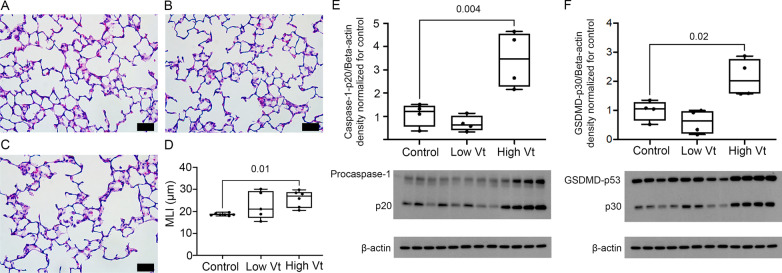
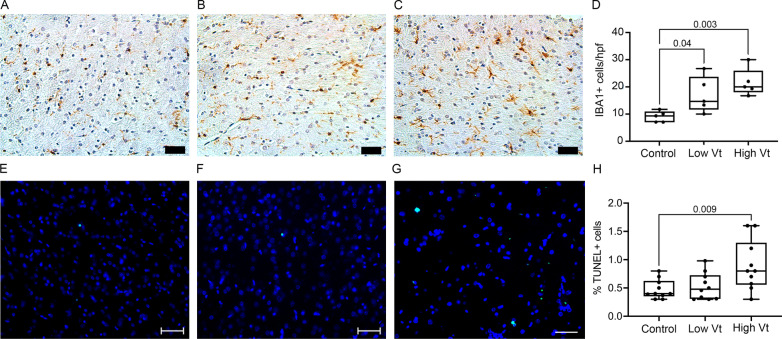
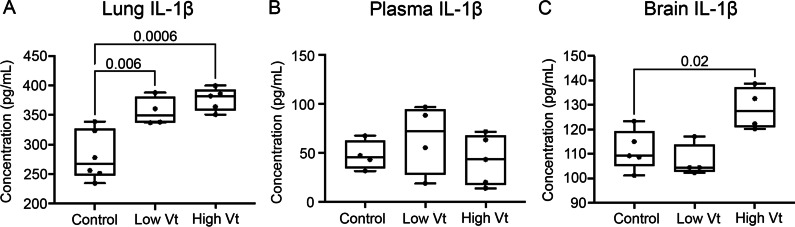
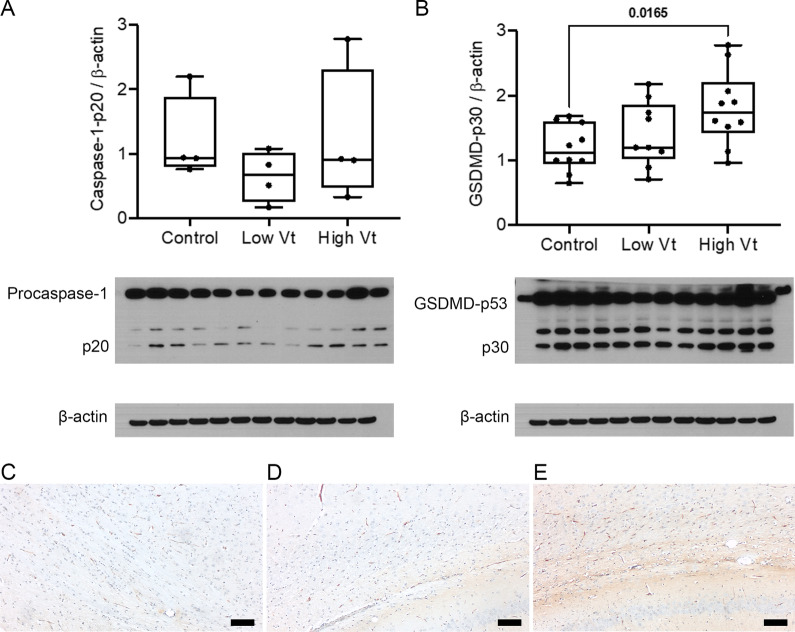
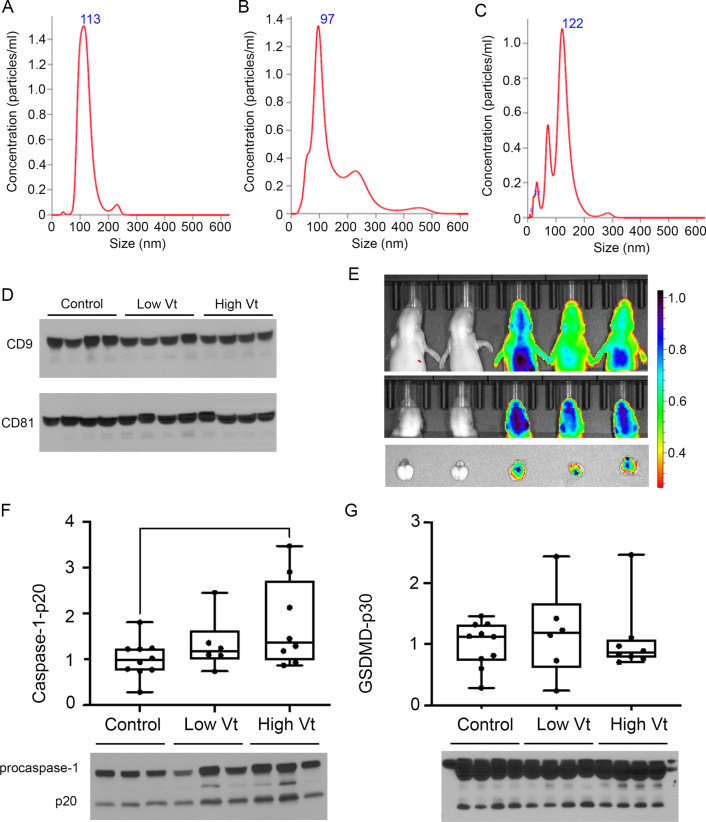
Injurious mechanical ventilation induced similar markers of inflammation and pyroptosis, such as increased IL-1β and activated caspase-1/gasdermin D (GSDMD) in both lung and brain, in addition to inducing microglial activation and cell death in the brain. Isolated EVs were enriched for the exosomal markers CD9 and CD81, suggesting enrichment for exosomes. EVs isolated from neonatal rats with VILI had increased caspase-1 but not GSDMD. Adoptive transfer of these EVs led to neuroinflammation with microglial activation and activation of caspase-1 and GSDMD in the brain similar to that observed in neonatal rats that were mechanically ventilated.
These findings suggest that circulating EVs can contribute to the brain injury and poor neurodevelopmental outcomes in preterm infants with VILI through activation of GSDMD.
对早产儿进行机械通气会导致肺损伤,并与不良神经发育结果相关。然而,通气引起的肺损伤(VILI)与脑损伤之间的机制联系尚不清楚。由于已知循环细胞外囊泡(EVs)通过转移其 cargo 来连接远距离器官,因此我们假设 EVs 介导与 VILI 相关的炎症性脑损伤。
在出生后第 7 天,对新生大鼠进行低(10 mL/kg)或高(25 mL/kg)潮气量的机械通气 1 小时,然后恢复 2 周。从这些大鼠的血浆中分离出外泌体,并将其过继转移到正常新生大鼠中。我们通过 Western blot 和组织学评估机械通气或外泌体转移对大脑炎症和细胞焦亡途径激活的影响。
损伤性机械通气在肺和脑中诱导相似的炎症和细胞焦亡标志物,如 IL-1β 和活化的 caspase-1/天冬氨酸半胱氨酸酶-1(GSDMD)增加,此外还诱导大脑中的小胶质细胞激活和细胞死亡。分离的 EVs 富含外泌体标志物 CD9 和 CD81,提示富含外泌体。来自 VILI 新生大鼠的 EVs 中 caspase-1 增加,但 GSDMD 没有增加。这些 EVs 的过继转移导致大脑中出现神经炎症,小胶质细胞激活以及 caspase-1 和 GSDMD 的激活,类似于机械通气的新生大鼠所观察到的结果。
这些发现表明,循环 EVs 通过激活 GSDMD,可能导致 VILI 的早产儿出现脑损伤和不良神经发育结果。