Hosaka Guilherme Kenichi, Correr Fernando Henrique, da Silva Carla Cristina, Sforça Danilo Augusto, Barreto Fernanda Zatti, Balsalobre Thiago Willian Almeida, Pasha Asher, de Souza Anete Pereira, Provart Nicholas James, Carneiro Monalisa Sampaio, Margarido Gabriel Rodrigues Alves
Luiz de Queiroz College of Agriculture (ESALQ), University of São Paulo (USP), Piracicaba, Brazil.
Center for Molecular Biology and Genetic Engineering (CBMEG), University of Campinas (UNICAMP), Campinas, Brazil.
Front Plant Sci. 2021 Dec 13;12:736797. doi: 10.3389/fpls.2021.736797. eCollection 2021.
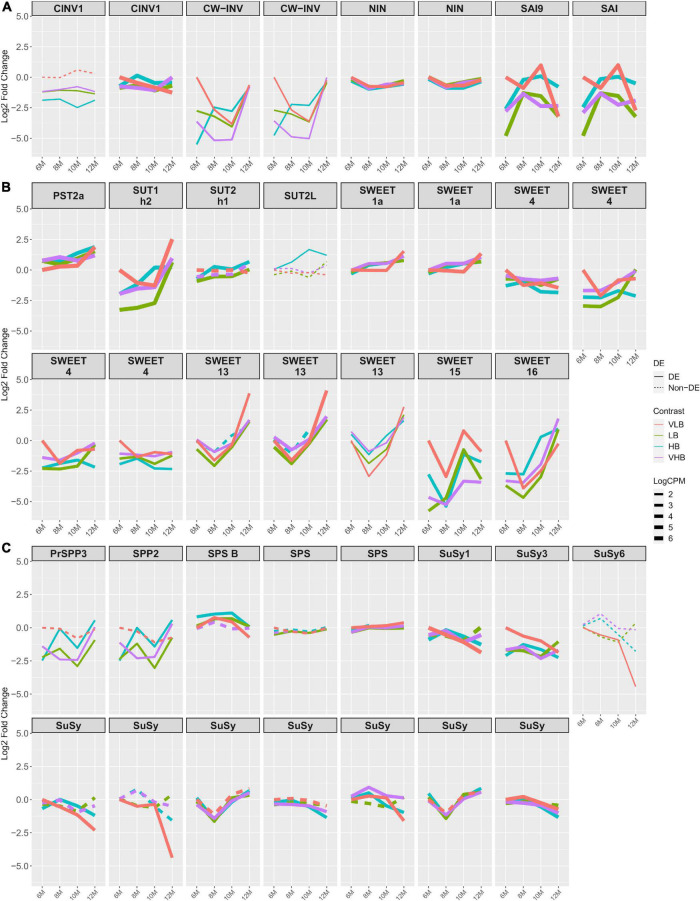
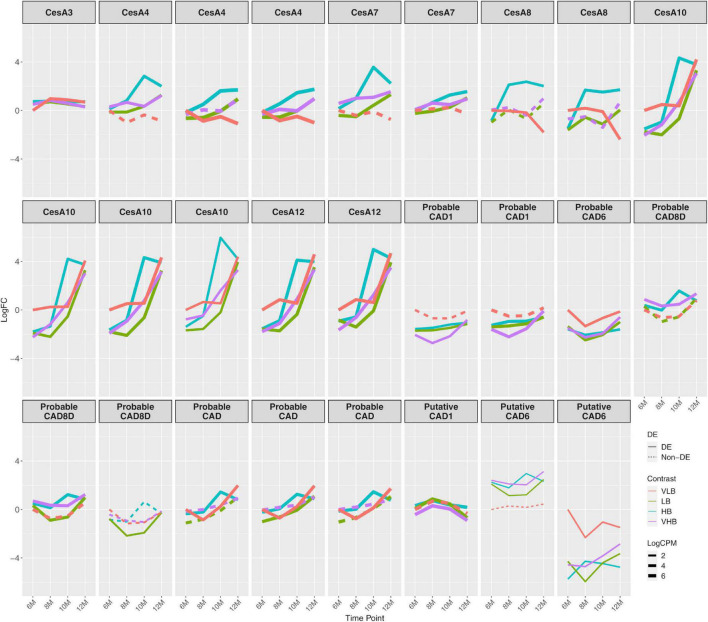
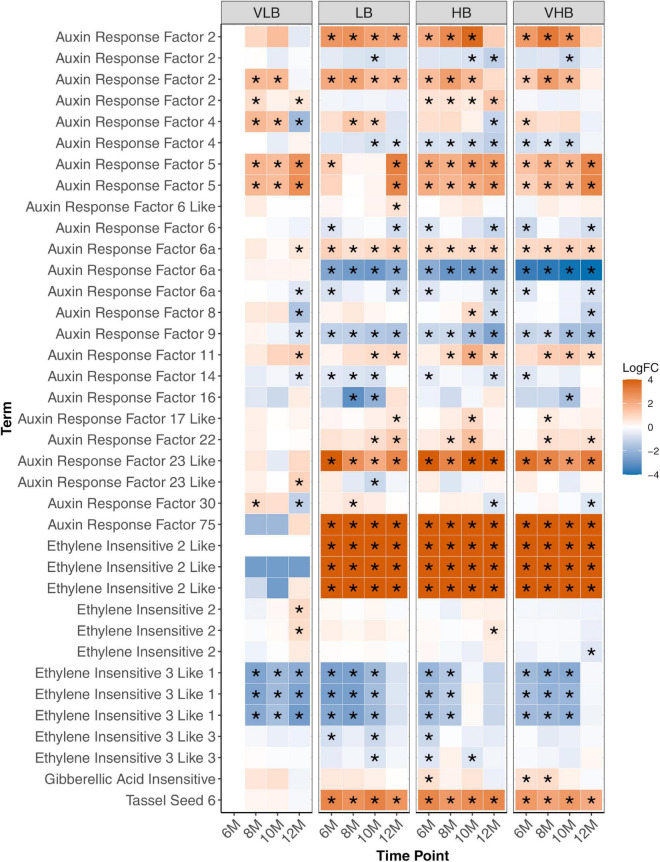
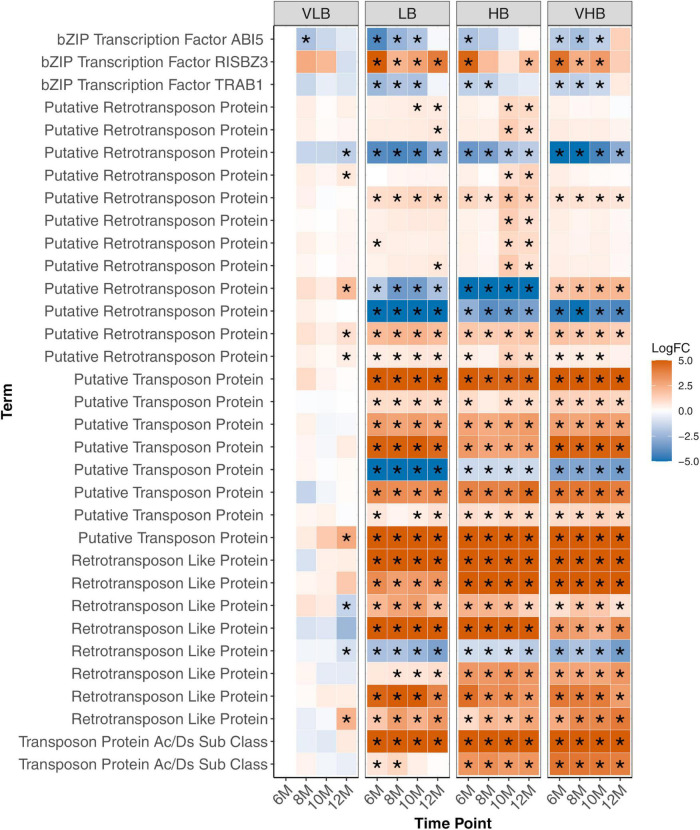
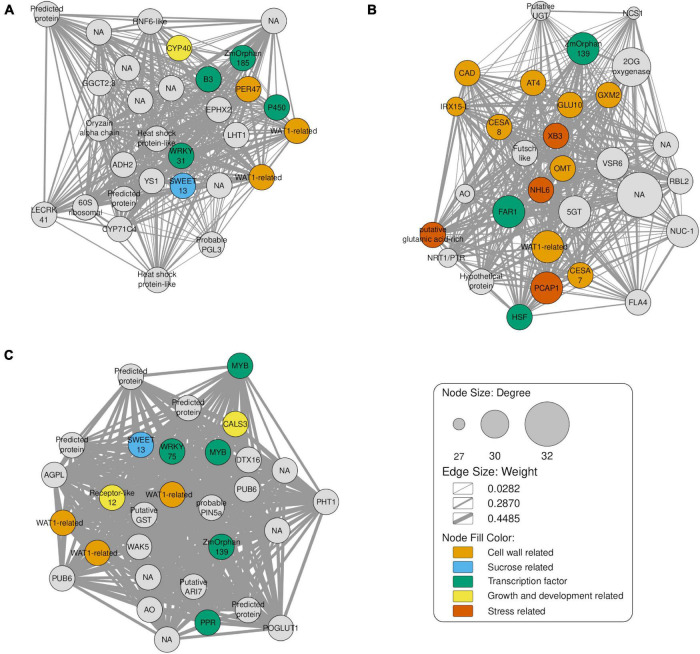
Multiple genes in sugarcane control sucrose accumulation and the biosynthesis of cell wall components; however, it is unclear how these genes are expressed in its apical culms. To better understand this process, we sequenced mRNA from +1 stem internodes collected from four genotypes with different concentrations of soluble solids. Culms were collected at four different time points, ranging from six to 12-month-old plants. Here we show differentially expressed genes related to sucrose metabolism and cell wall biosynthesis, including genes encoding invertases, sucrose synthase and cellulose synthase. Our results showed increased expression of invertases in IN84-58, the genotype with lower sugar and higher fiber content, as well as delayed expression of secondary cell wall-related cellulose synthase for the other genotypes. Interestingly, genes involved with hormone metabolism were differentially expressed across time points in the three genotypes with higher soluble solids content. A similar result was observed for genes controlling maturation and transition to reproductive stages, possibly a result of selection against flowering in sugarcane breeding programs. These results indicate that carbon partitioning in apical culms of contrasting genotypes is mainly associated with differential cell wall biosynthesis, and may include early modifications for subsequent sucrose accumulation. Co-expression network analysis identified transcription factors related to growth and development, showing a probable time shift for carbon partitioning occurred in 10-month-old plants.
甘蔗中的多个基因控制蔗糖积累和细胞壁成分的生物合成;然而,尚不清楚这些基因在其茎尖中是如何表达的。为了更好地理解这一过程,我们对来自四种具有不同可溶性固形物浓度的基因型的 +1 茎节间的 mRNA 进行了测序。茎秆在四个不同时间点采集,植株年龄从 6 个月到 12 个月不等。在此,我们展示了与蔗糖代谢和细胞壁生物合成相关的差异表达基因,包括编码转化酶、蔗糖合酶和纤维素合酶的基因。我们的结果表明,在糖分含量较低、纤维含量较高的基因型 IN84 - 58 中,转化酶的表达增加,而在其他基因型中,与次生细胞壁相关的纤维素合酶的表达延迟。有趣的是,在三种可溶性固形物含量较高的基因型中,参与激素代谢的基因在不同时间点存在差异表达。对于控制成熟和向生殖阶段转变的基因也观察到了类似结果,这可能是甘蔗育种计划中针对开花进行选择的结果。这些结果表明,不同基因型茎尖中的碳分配主要与细胞壁生物合成差异有关,并且可能包括为后续蔗糖积累而进行的早期修饰。共表达网络分析确定了与生长和发育相关的转录因子,表明在 10 个月大的植株中可能发生了碳分配的时间转移。