Center for Genomics and Biotechnology, Haixia Institute of Science and Technology, Fujian Provincial Key Laboratory of Haixia Applied Plant Systems Biology, College of Life Sciences, Fujian Agriculture and Forestry University, Fuzhou, 350002, China.
Key Laboratory of Sugarcane Biology and Genetic Breeding, Ministry of Agriculture, Fujian Agriculture and Forestry University, Fuzhou, 350002, China.
BMC Plant Biol. 2018 Nov 7;18(1):270. doi: 10.1186/s12870-018-1495-y.
The SWEET (Sugars Will Eventually be Exported Transporters) gene family is a recently identified group of sugar transporters that play an indispensable role in sugar efflux, phloem loading, plant-pathogen interaction, nectar secretion, and reproductive tissue development. However, little information on Saccharum SWEET is available for this crop with a complex genetic background.
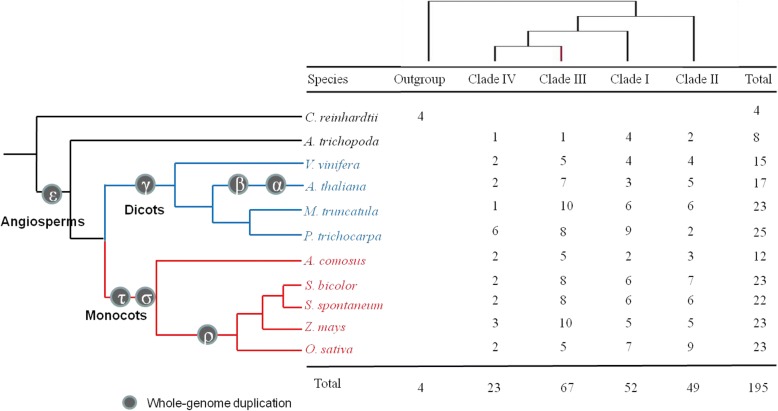
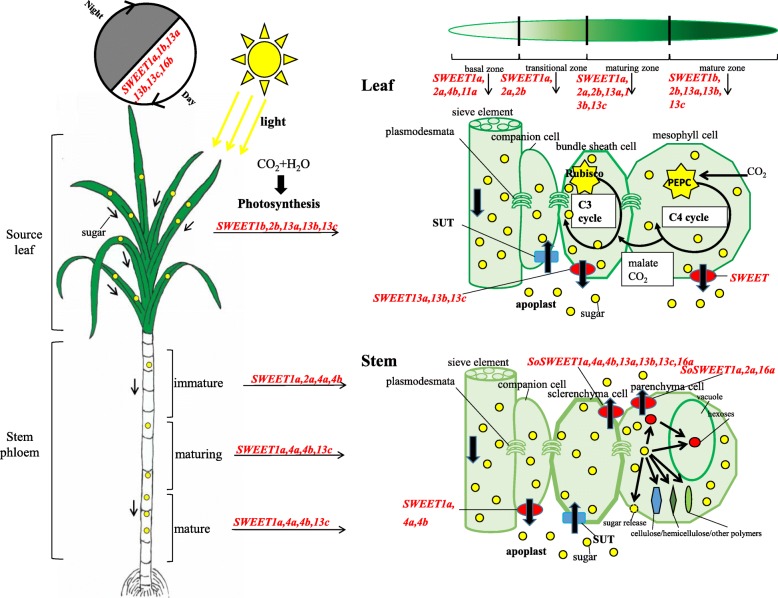
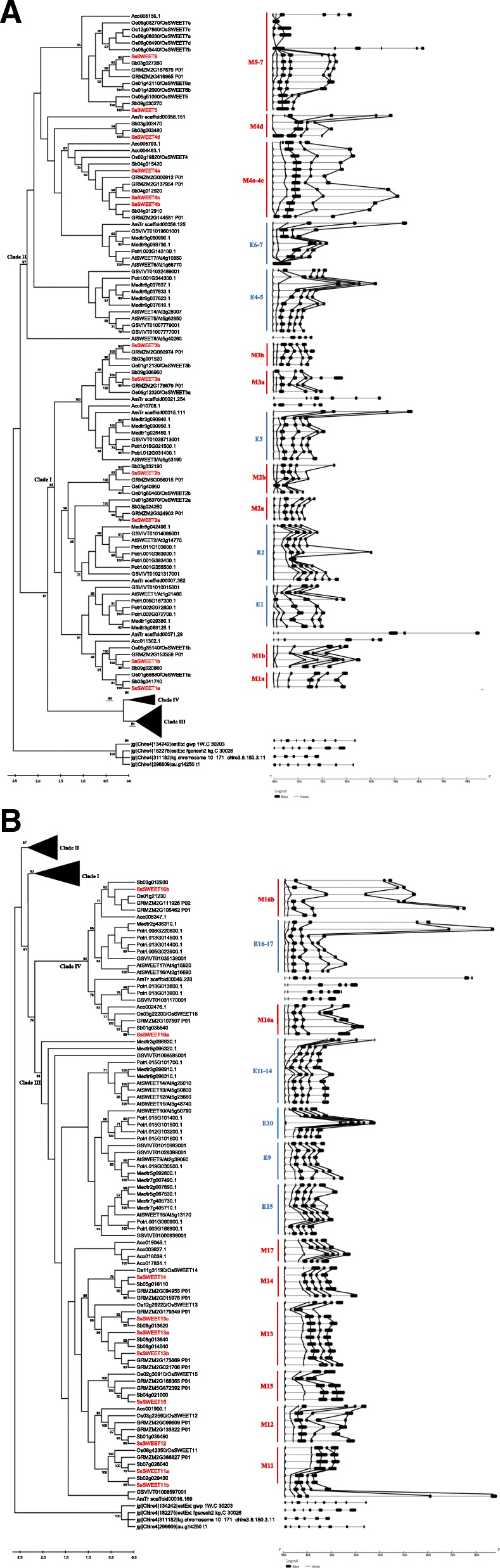
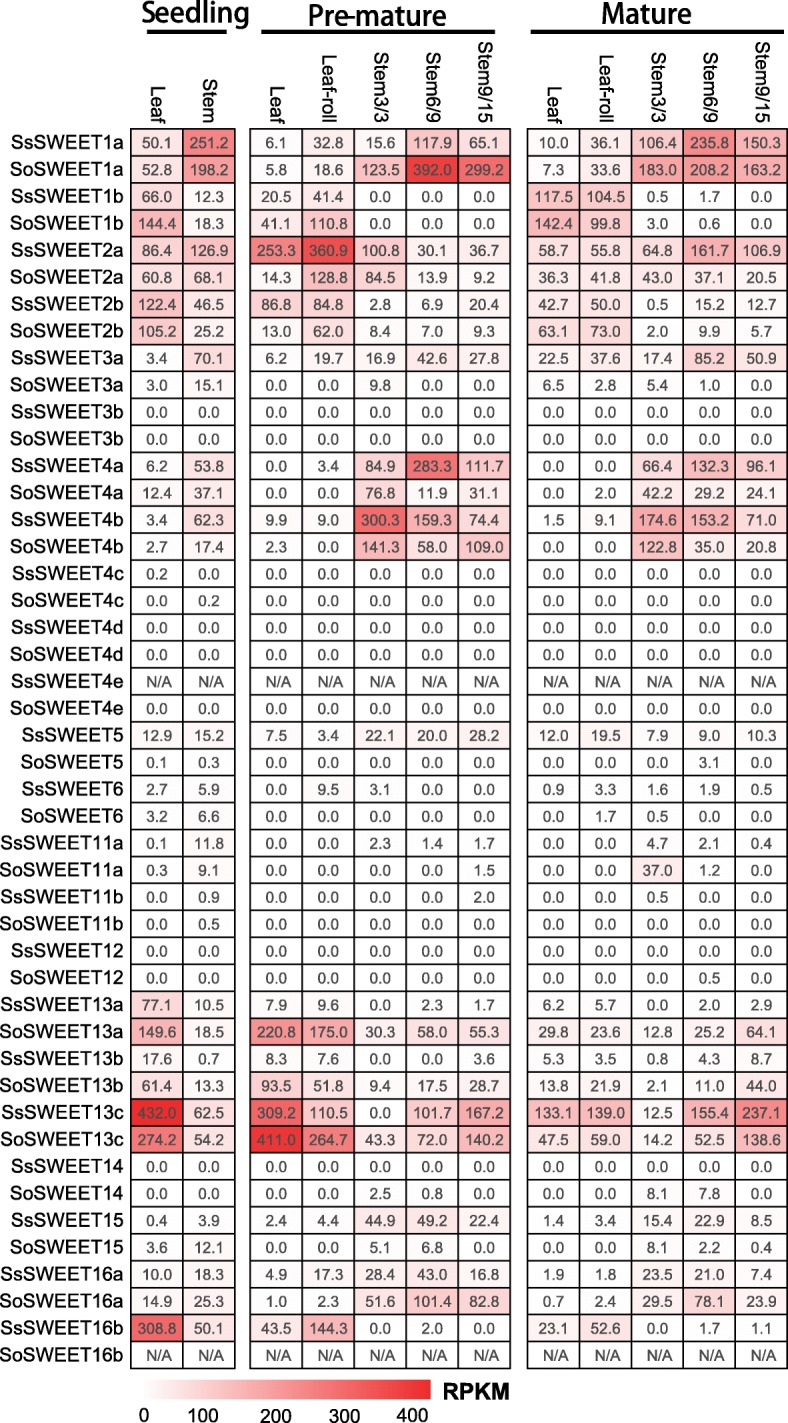
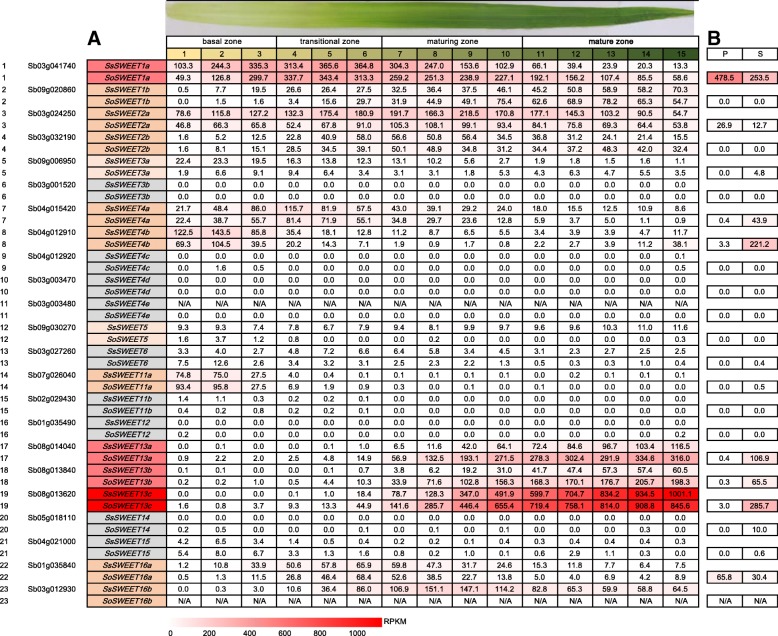
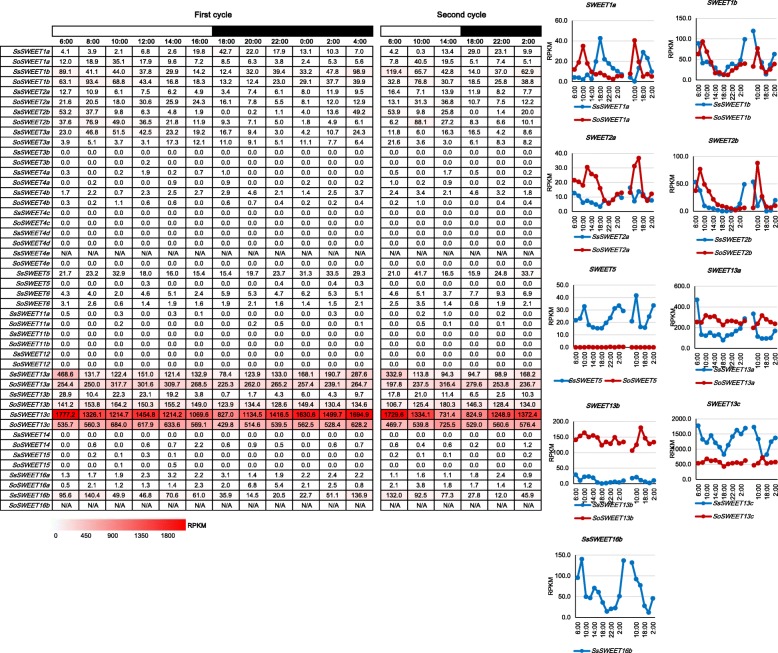
In this study, 22 SWEET genes were identified from Saccharum spontaneum Bacterial Artificial Chromosome libraries sequences. Phylogenetic analyses of SWEETs from 11 representative plant species showed that gene expansions of the SWEET family were mainly caused by the recent gene duplication in dicot plants, while these gene expansions were attributed to the ancient whole genome duplication (WGD) in monocot plant species. Gene expression profiles were obtained from RNA-seq analysis. SWEET1a and SWEET2s had higher expression levels in the transitional zone and maturing zone than in the other analyzed zones. SWEET1b was mainly expressed in the leaf tissues and the mature zone of the leaf of both S. spontaneum and S. officinarum, and displayed a peak in the morning and was undetectable in both sclerenchyma and parenchyma cells from the mature stalks of S. officinarum. SsSWEET4a\4b had higher expression levels than SWEET4c and were mainly expressed in the stems of seedlings and mature plants. SWEET13s are recently duplicated genes, and the expression of SWEET13s dramatically increased from the maturing to mature zones. SWEET16b's expression was not detected in S. officinarum, but displayed a rhythmic diurnal expression pattern.
Our study revealed the gene evolutionary history of SWEETs in Saccharum and SWEET1b was found to be a sucrose starvation-induced gene involved in the sugar transportation in the high photosynthetic zones. SWEET13c was identified as the key player in the efflux of sugar transportation in mature photosynthetic tissues. SWEET4a\4b were found to be mainly involved in sugar transportation in the stalk. SWEET1a\2a\4a\4b\13a\16b were suggested to be the genes contributing to the differences in sugar contents between S. spontaneum and S. officinarum. Our results are valuable for further functional analysis of SWEET genes and utilization of the SWEET genes for genetic improvement of Saccharum for biofuel production.
SWEET(糖最终会被输出转运蛋白)基因家族是最近发现的一组糖转运蛋白,在糖外排、韧皮部装载、植物-病原体相互作用、花蜜分泌和生殖组织发育中发挥着不可或缺的作用。然而,对于具有复杂遗传背景的甘蔗作物,关于 SWEET 的信息很少。
本研究从甘蔗野生种细菌人工染色体文库序列中鉴定出 22 个 SWEET 基因。11 种代表性植物的 SWEET 系统发育分析表明,SWEET 家族的基因扩张主要是由于双子叶植物的近期基因重复,而这些基因扩张归因于单子叶植物物种的远古全基因组重复(WGD)。通过 RNA-seq 分析获得了基因表达谱。SWEET1a 和 SWEET2s 在过渡期和成熟区的表达水平高于其他分析区。SWEET1b 主要在叶组织和叶的成熟区表达,在甘蔗和甜叶菊的成熟茎的韧皮部和薄壁组织细胞中均未检测到,而 SsSWEET4a\4b 的表达水平高于 SWEET4c,主要在幼苗和成熟植株的茎中表达。SWEET13s 是最近复制的基因,其表达水平从成熟区到成熟区显著增加。SWEET16b 在甜叶菊中未检测到表达,但表现出昼夜节律性表达模式。
本研究揭示了甘蔗 SWEET 基因的基因进化历史,发现 SWEET1b 是一种蔗糖饥饿诱导基因,参与高光合区的糖运输。SWEET13c 被鉴定为成熟光合组织中糖外排的关键因子。SWEET4a\4b 被发现主要参与茎中的糖运输。SWEET1a\2a\4a\4b\13a\16b 被认为是导致甘蔗和甜叶菊糖含量差异的基因。我们的研究结果为进一步研究 SWEET 基因的功能以及利用 SWEET 基因进行甘蔗生物燃料生产的遗传改良提供了有价值的信息。