Al Mutair Abbas, Amr Anas, Ambani Zainab, Salman Khulud Al, Schwebius Deborah
Research Center, Dr. Sulaiman Al Habib Medical Group, Riyadh 91877, Saudi Arabia.
Nursing School, University of Wollongong, Wollongong, NSW 2522, Australia.
Nurs Rep. 2020 Sep 8;10(1):23-32. doi: 10.3390/nursrep10010004.
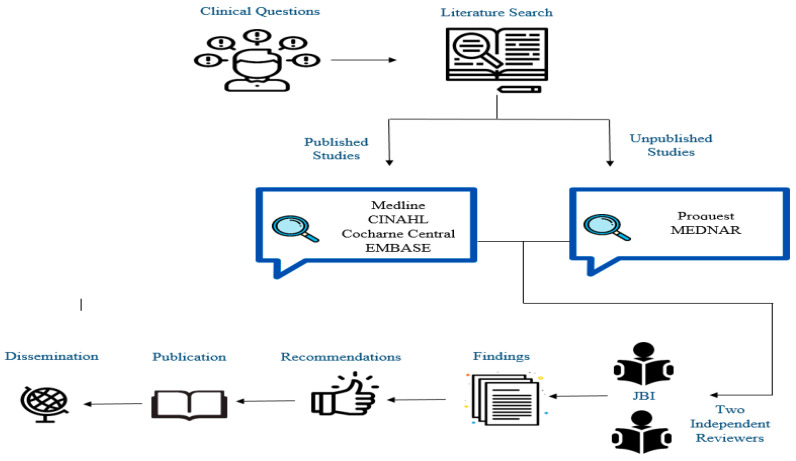
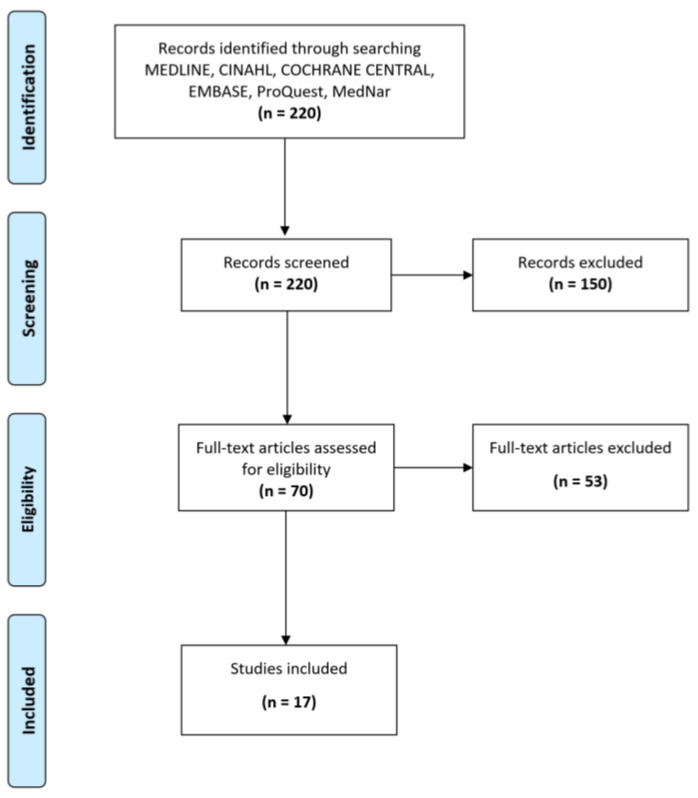
There is a vital need to develop strategies to improve nursing surge capacity for caring of patients with coronavirus (COVID-19) in critical care settings. COVID-19 has spread rapidly, affecting thousands of patients and hundreds of territories. Hospitals, through anticipation and planning, can serve patients and staff by developing strategies to cope with the complications that a surge of COVID-19 places on the provision of adequate intensive care unit (ICU) nursing staff-both in numbers and in training. Aims: The aim is to provide an evidence-based starting point from which to build expanding staffing models dealing with these additional demands. In order to address and develop nursing surge capacity strategies, a five-member expert panel was formed. Multiple questions directed towards nursing surge capacity strategies were posed by the assembled expert panel. Literature review was conducted through accessing various databases including MEDLINE, CINAHL, Cochrane Central, and EMBASE. All studies were appraised by at least two reviewers independently using the Joanna Briggs Institute JBI Critical Appraisal Tools. The expert panel has issued strategies and recommendation statements. These proposals, supported by evidence-based resources in regard to nursing staff augmentation strategies, have had prior success when implemented during the COVID-19 pandemic. The proposed guidelines are intended to provide a basis for the provision of best practice nursing care during times of diminished intensive care unit (ICU) nursing staff capacity and resources due to a surge in critically ill patients. The recommendations and strategies issued are intended to specifically support critical care nurses incorporating COVID-19 patients. As new knowledge evidence becomes available, updates can be issued and strategies, guidelines and/or policies revised. Through discussion and condensing research, healthcare professionals can create a starting point from which to synergistically develop strategies to combat crises that a pandemic like COVID-19 produces.
迫切需要制定策略,以提高重症监护环境下护理新冠病毒(COVID-19)患者的护理应急能力。COVID-19迅速传播,影响了数千名患者和数百个地区。医院通过预测和规划,可以制定应对策略,以应对COVID-19激增对提供足够数量和经过培训的重症监护病房(ICU)护理人员所带来的并发症,从而为患者和工作人员提供服务。目的:旨在提供一个基于证据的起点,在此基础上构建应对这些额外需求的扩展人员配置模型。为了制定护理应急能力策略,成立了一个由五名成员组成的专家小组。专家小组提出了多个针对护理应急能力策略的问题。通过访问包括MEDLINE、CINAHL、Cochrane Central和EMBASE在内的各种数据库进行文献综述。所有研究均由至少两名评审人员独立使用乔安娜·布里格斯研究所(Joanna Briggs Institute)的JBI批判性评价工具进行评估。专家小组发布了策略和建议声明。这些建议得到了关于护理人员增加策略的循证资源的支持,在COVID-19大流行期间实施时曾取得过成功。拟议的指南旨在为在因重症患者激增而导致重症监护病房(ICU)护理人员能力和资源减少期间提供最佳实践护理提供依据。发布的建议和策略旨在特别支持将COVID-19患者纳入护理的重症护理护士。随着新知识证据的出现,可以发布更新内容,并修订策略、指南和/或政策。通过讨论和浓缩研究,医疗保健专业人员可以创建一个起点,在此基础上协同制定策略来应对像COVID-19这样的大流行所产生的危机。