Department of Microbiology and Immunology, McGill University, Montréal, QC, Canada.
Infectious Diseases and Immunity in Global Health Program, Research Institute of the McGill University Health Centre, Montréal, QC, Canada.
PLoS One. 2021 Dec 31;16(12):e0262158. doi: 10.1371/journal.pone.0262158. eCollection 2021.
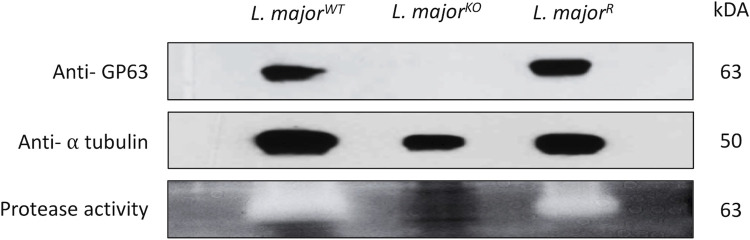
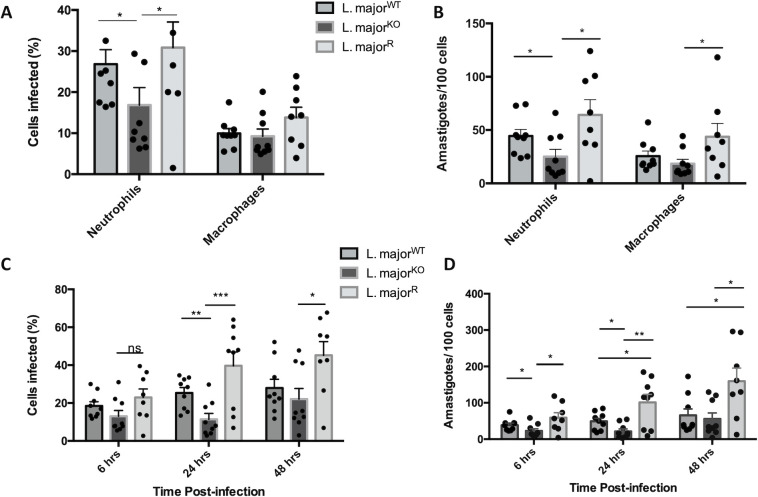
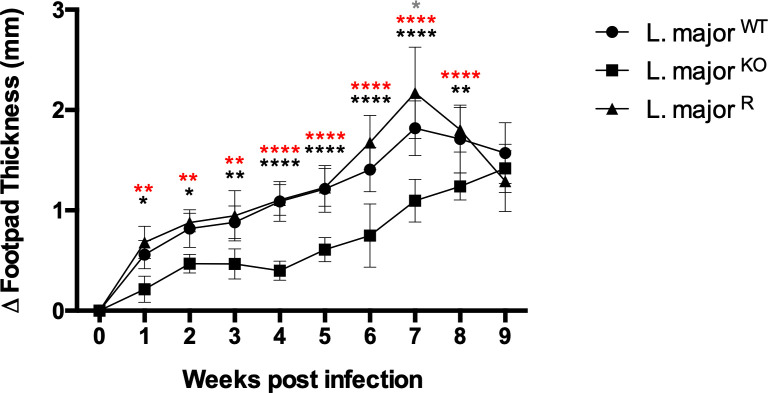
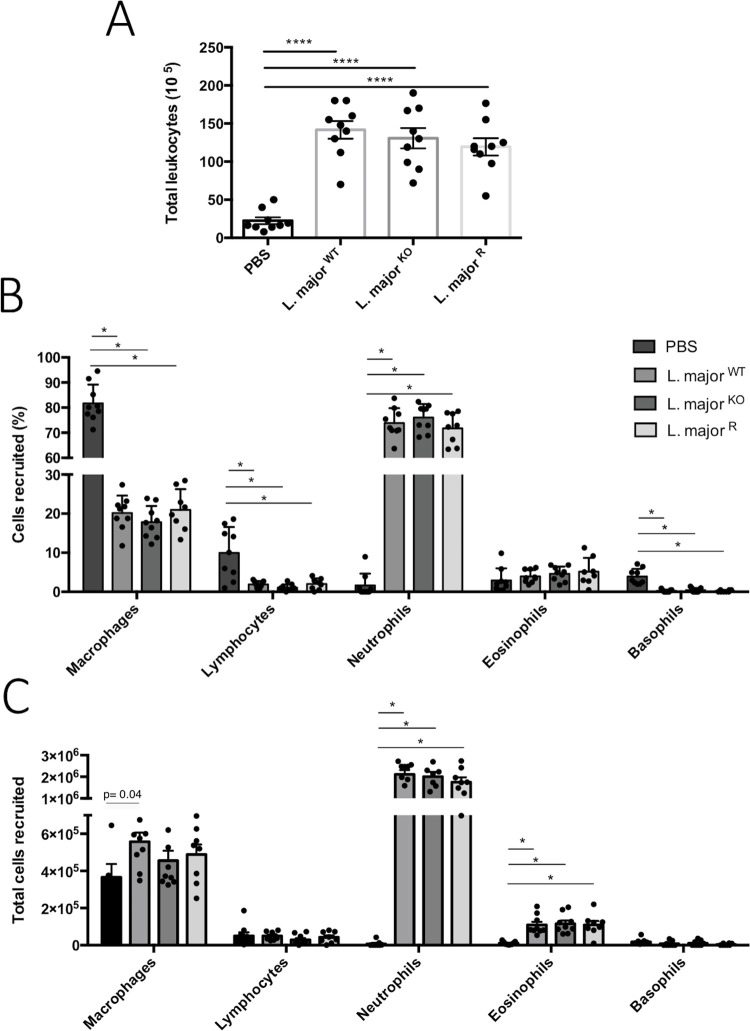
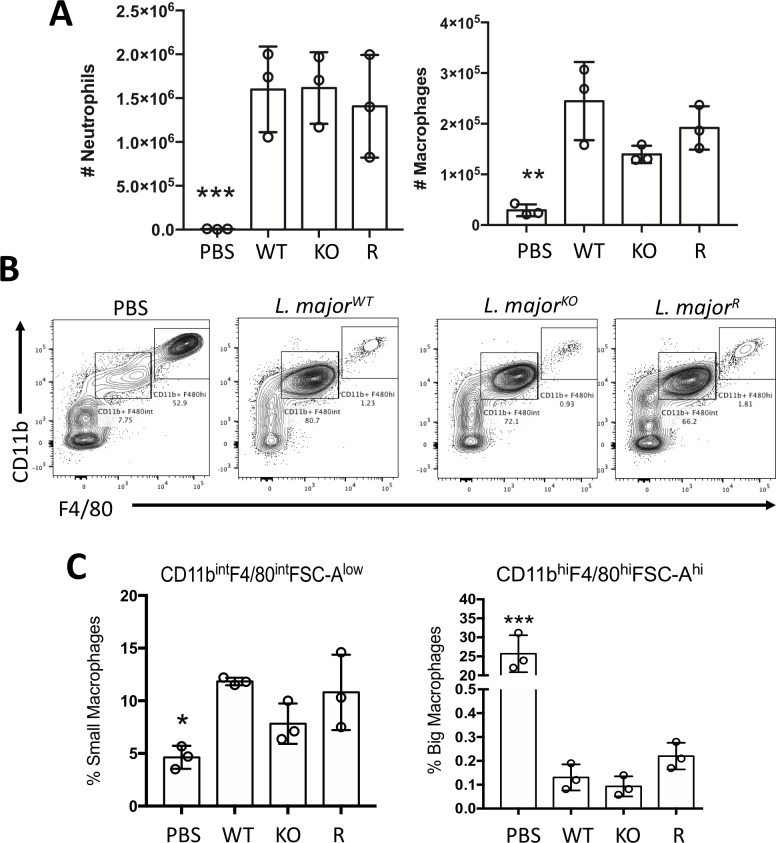
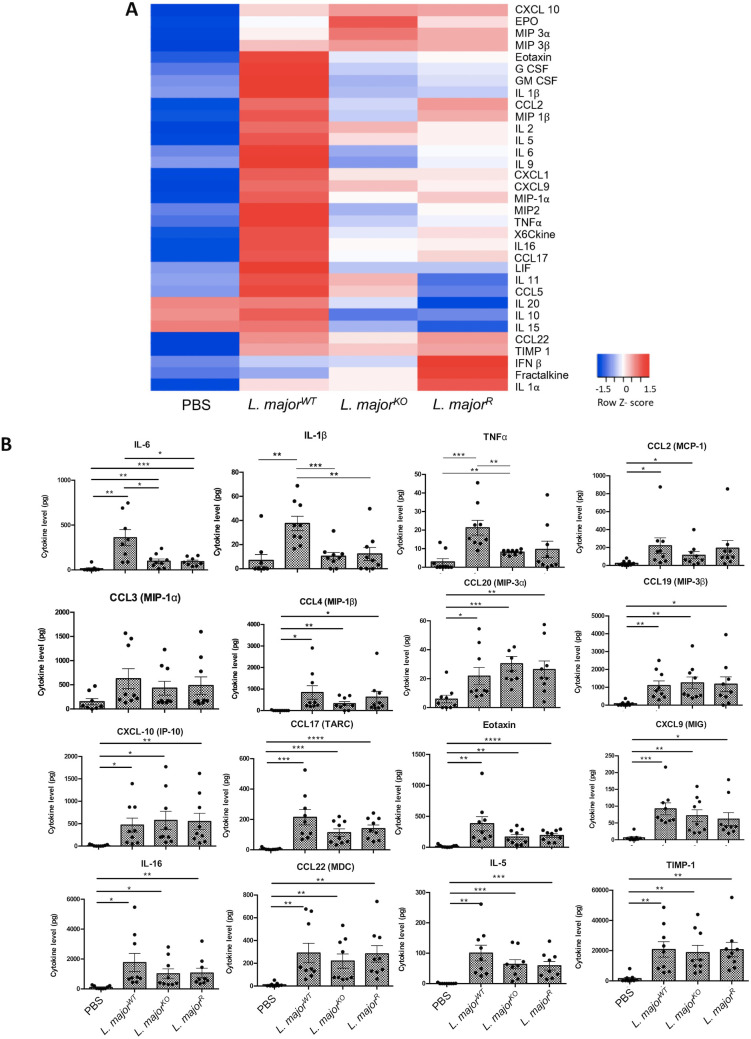
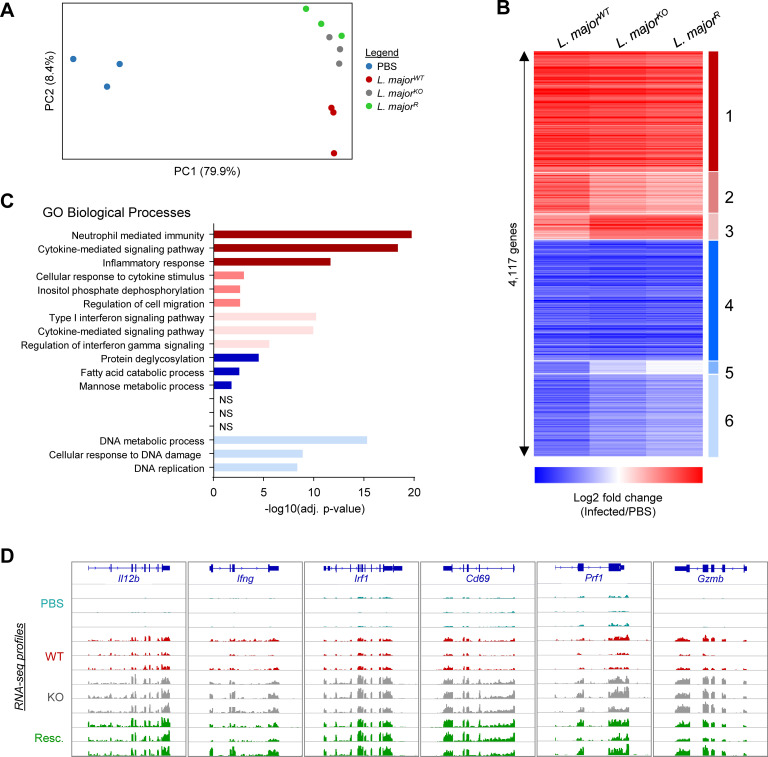
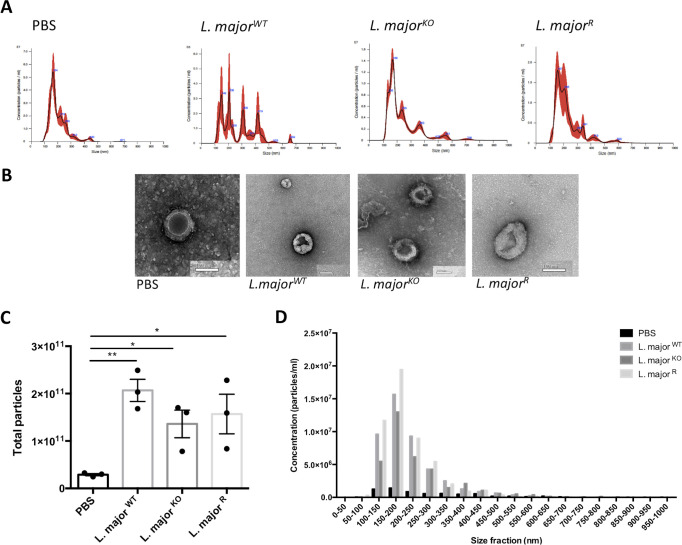
Leishmaniasis is a disease caused by the protozoan parasite Leishmania and is known to affect millions of individuals worldwide. In recent years, we have established the critical role played by Leishmania zinc-metalloprotease GP63 in the modulation of host macrophage signalling and functions, favouring its survival and progression within its host. Leishmania major lacking GP63 was reported to cause limited infection in mice, however, it is still unclear how GP63 may influence the innate inflammatory response and parasite survival in an in vivo context. Therefore, we were interested in analyzing the early innate inflammatory events upon Leishmania inoculation within mice and establish whether Leishmania GP63 influences this initial inflammatory response. Experimentally, L. major WT (L. majorWT), L. major GP63 knockout (L. majorKO), or L. major GP63 rescue (L. majorR) were intraperitoneally inoculated in mice and the inflammatory cells recruited were characterized microscopically and by flow cytometry (number and cell type), and their infection determined. Pro-inflammatory markers such as cytokines, chemokines, and extracellular vesicles (EVs, e.g. exosomes) were monitored and proteomic analysis was performed on exosome contents. Data obtained from this study suggest that Leishmania GP63 does not significantly influence the pathogen-induced inflammatory cell recruitment, but rather their activation status and effector function. Concordantly, internalization of promastigotes during early infection could be influenced by GP63 as fewer L. majorKO amastigotes were found within host cells and appear to maintain in host cells over time. Collectively this study provides a clear analysis of innate inflammatory events occurring during L. major infection and further establish the prominent role of the virulence factor GP63 to provide favourable conditions for host cell infection.
利什曼病是一种由原生动物寄生虫利什曼原虫引起的疾病,已知全球有数百万人受到影响。近年来,我们已经确定了利什曼锌金属蛋白酶 GP63 在调节宿主巨噬细胞信号和功能方面的关键作用,有利于其在宿主内的存活和进展。据报道,缺乏 GP63 的利什曼原虫主要在小鼠中引起有限的感染,但尚不清楚 GP63 如何影响体内固有炎症反应和寄生虫的存活。因此,我们有兴趣分析利什曼原虫接种后小鼠体内早期固有炎症事件,并确定利什曼原虫 GP63 是否影响这一初始炎症反应。实验中,将野生型利什曼原虫(L. majorWT)、GP63 敲除的利什曼原虫(L. majorKO)或 GP63 拯救的利什曼原虫(L. majorR)经腹腔接种到小鼠体内,通过显微镜和流式细胞术(数量和细胞类型)对募集的炎症细胞进行特征分析,并确定其感染情况。监测促炎标志物,如细胞因子、趋化因子和细胞外囊泡(EV,如外泌体),并对囊泡内容物进行蛋白质组学分析。本研究获得的数据表明,利什曼原虫 GP63 不会显著影响病原体诱导的炎症细胞募集,而是影响其激活状态和效应功能。一致地,GP63 可能会影响早期感染期间前鞭毛体的内化,因为在宿主细胞内发现的 L. majorKO 无鞭毛体较少,并且随着时间的推移似乎在宿主细胞内维持。总的来说,这项研究对利什曼原虫感染期间发生的固有炎症事件进行了清晰的分析,并进一步确定了毒力因子 GP63 的突出作用,为宿主细胞感染提供了有利条件。