He Hong, Dumesny Chelsea, Ang Ching-Seng, Dong Li, Ma Yi, Zeng Jun, Nikfarjam Mehrdad
Department of Surgery, University of Melbourne, Austin Health, 145 Studley Rd., Heidelberg, Victoria 3084, Australia.
Department of Surgery, University of Melbourne, Austin Health, 145 Studley Rd., Heidelberg, Victoria 3084, Australia.
Transl Oncol. 2022 Feb;16:101329. doi: 10.1016/j.tranon.2021.101329. Epub 2021 Dec 29.
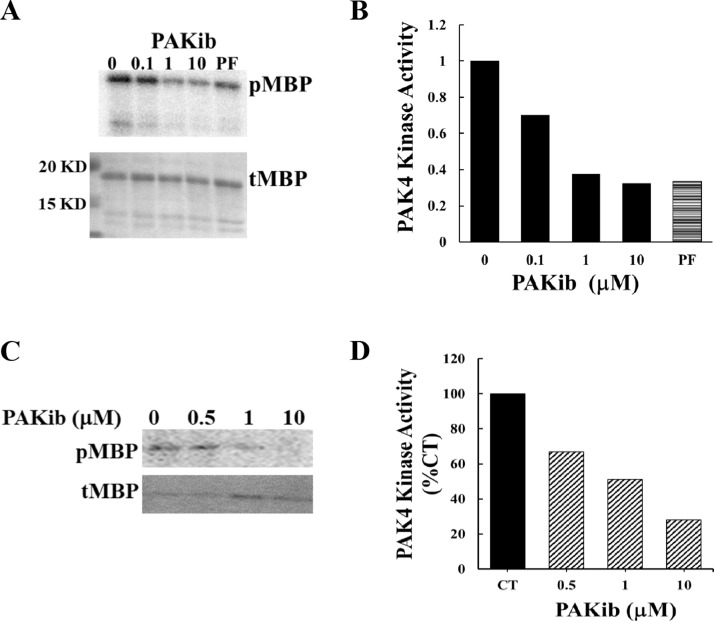
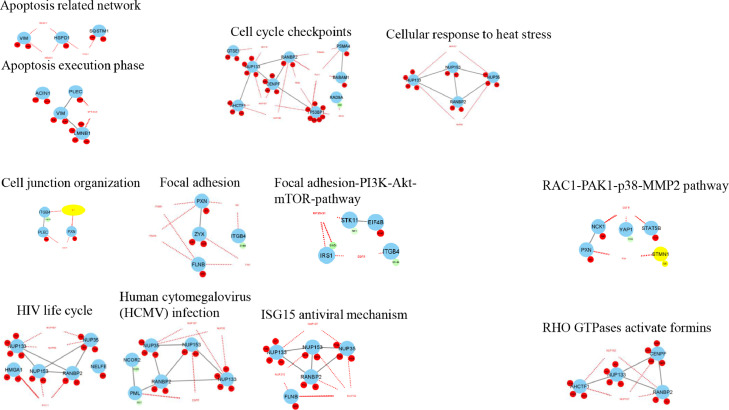
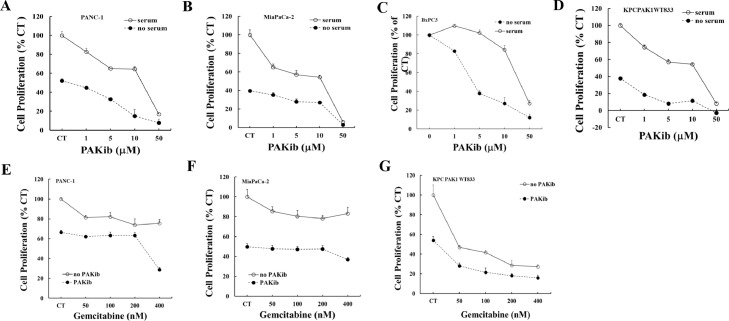
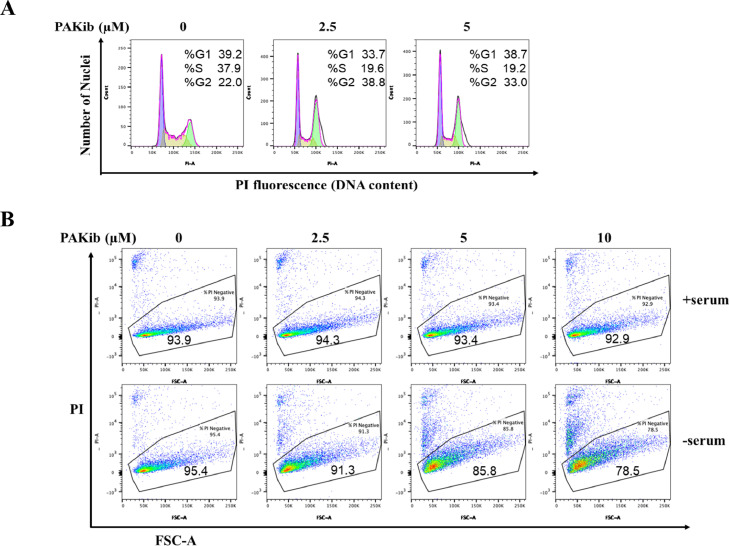
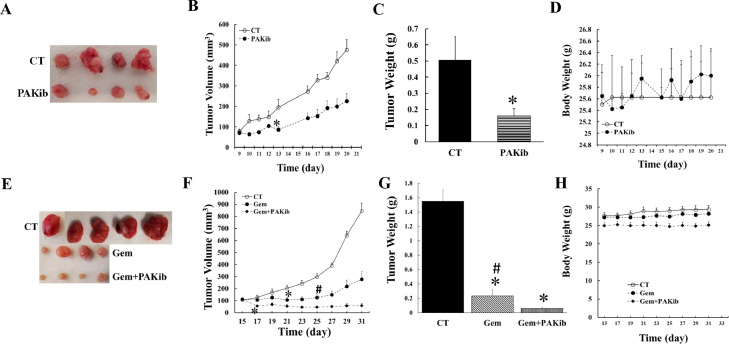
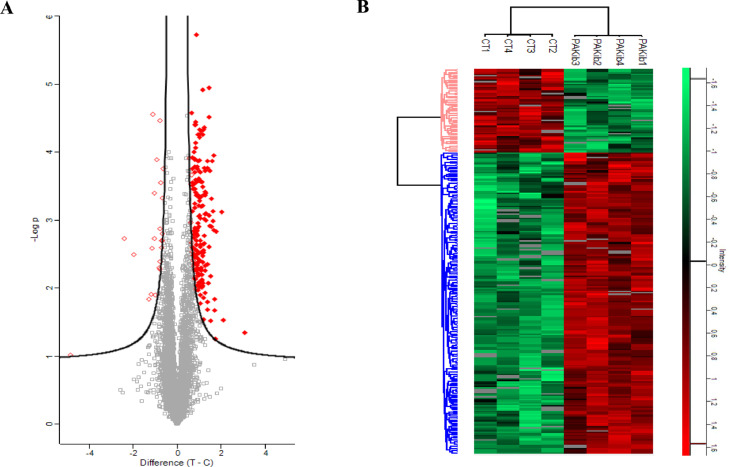
Over 95% of Pancreatic ductal adenocarcinomas (PDA) carry mutations in the oncogene KRas which has been proven to be a difficult drug target. P21-activated kinase 4 (PAK4), acts downstream of KRas, and is overexpressed in PDA contributing to its growth and chemoresistance, and thus becomes an attractive therapeutic target. We have developed a new PAK4 inhibitor, PAKib and tested its effect on pancreatic cancer (PC) cell growth in vitro and in a syngeneic mouse model of PC. PAKib suppressed PC cell growth by inducing cell death and cycle arrest. PAKib inhibited PC growth and enhanced the inhibition by gemcitabine of PC in cell culture and in PC mouse model. PAKib acted through multiple signaling pathways involved in cell cycle checkpoints, apoptosis, cell junction, and focal adhesion. These proof-of-concept studies demonstrated the anti-cancer effect of PAKib alone and in combination with gemcitabine and warrant a further clinical investigation.
超过95%的胰腺导管腺癌(PDA)携带癌基因KRas突变,该基因已被证明是一个难以靶向的药物靶点。p21活化激酶4(PAK4)在KRas下游发挥作用,在PDA中过表达,促进其生长和化疗耐药性,因此成为一个有吸引力的治疗靶点。我们开发了一种新的PAK4抑制剂PAKib,并在体外和同基因胰腺癌(PC)小鼠模型中测试了其对PC细胞生长的影响。PAKib通过诱导细胞死亡和细胞周期停滞来抑制PC细胞生长。在细胞培养和PC小鼠模型中,PAKib抑制PC生长并增强吉西他滨对PC的抑制作用。PAKib通过参与细胞周期检查点、细胞凋亡、细胞连接和粘着斑的多个信号通路发挥作用。这些概念验证研究证明了PAKib单独以及与吉西他滨联合使用的抗癌作用,值得进一步开展临床研究。