Department of Oral and Maxillofacial Surgery, Faculty of Medicine, Academic Assembly, University of Toyama, Toyama, 930-0194, Japan.
Life Science Research Center, University of Toyama, Toyama, 930-0194, Japan.
Sci Rep. 2024 Jun 18;14(1):14092. doi: 10.1038/s41598-024-64126-0.
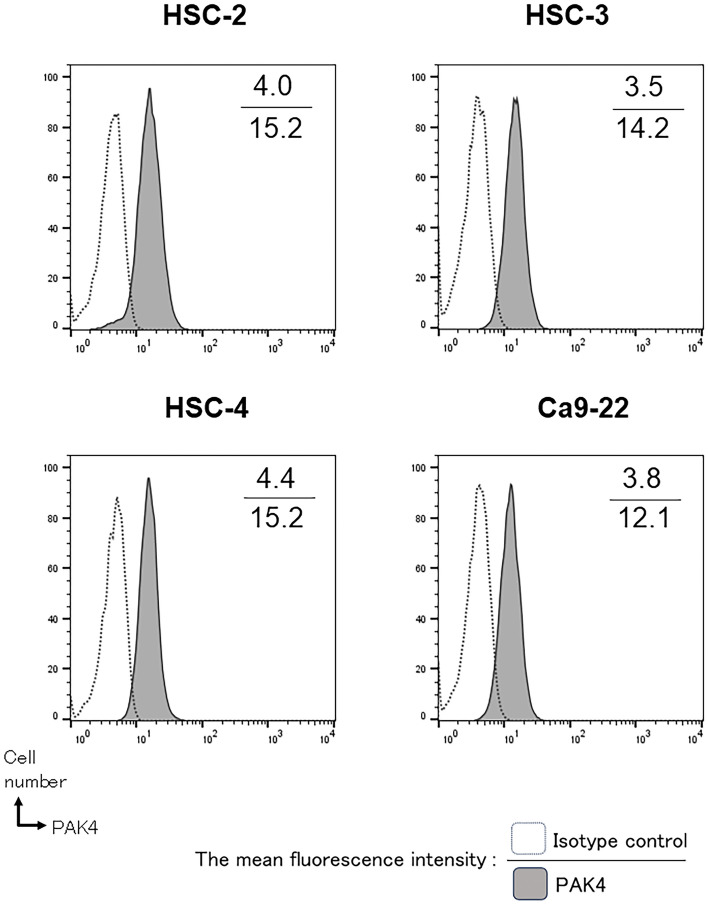
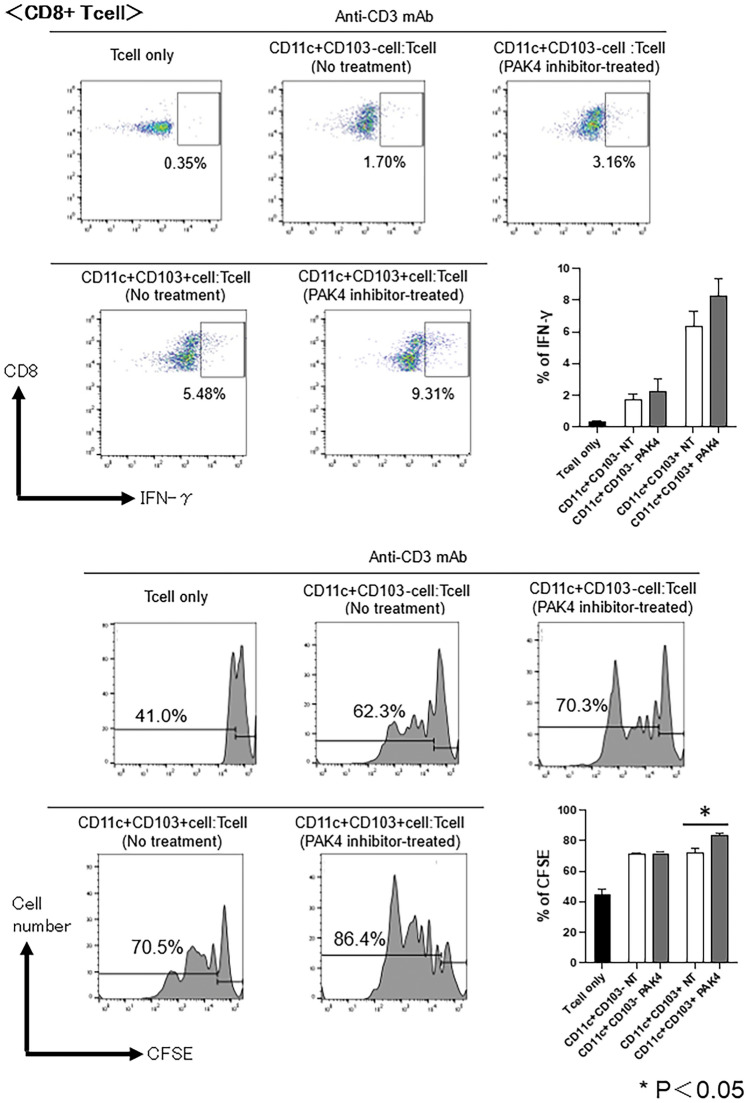
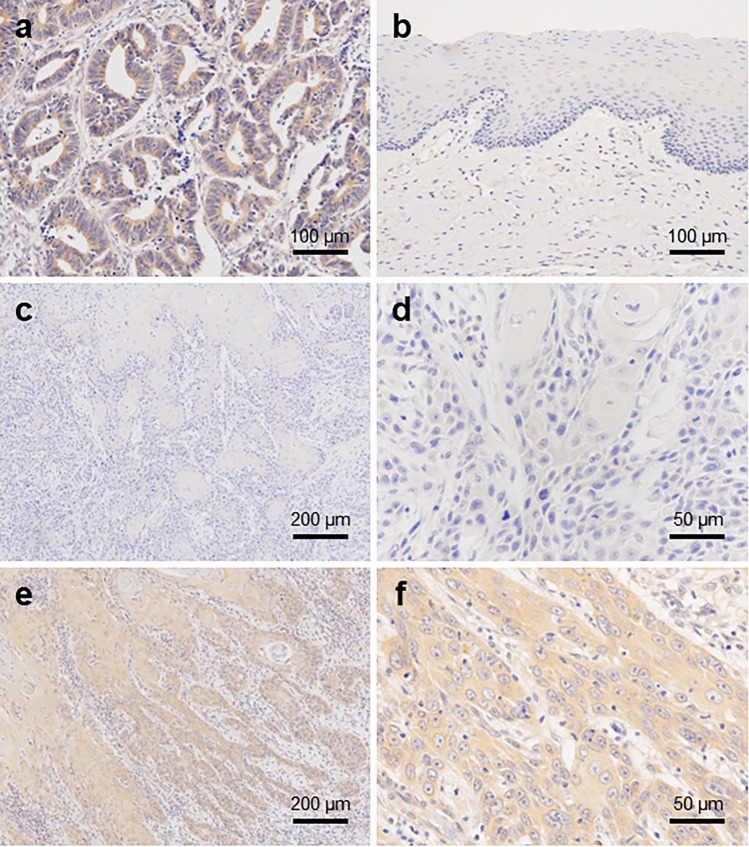
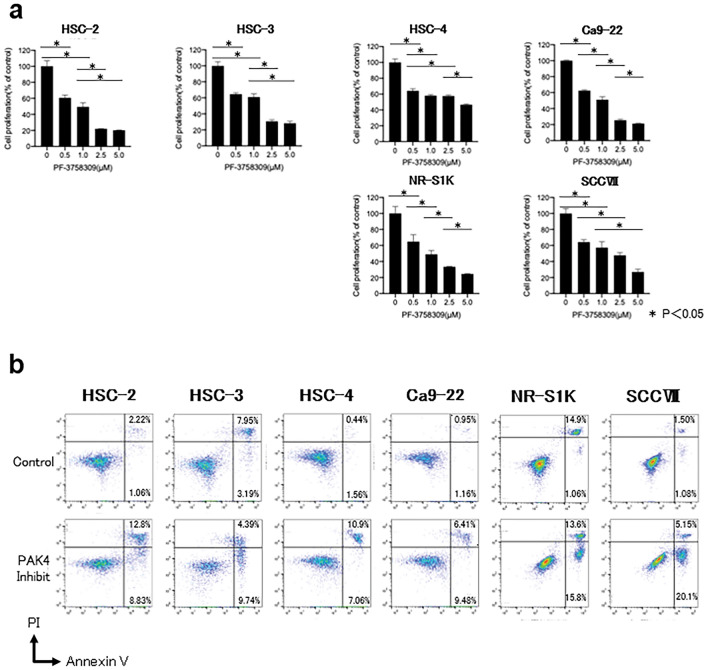
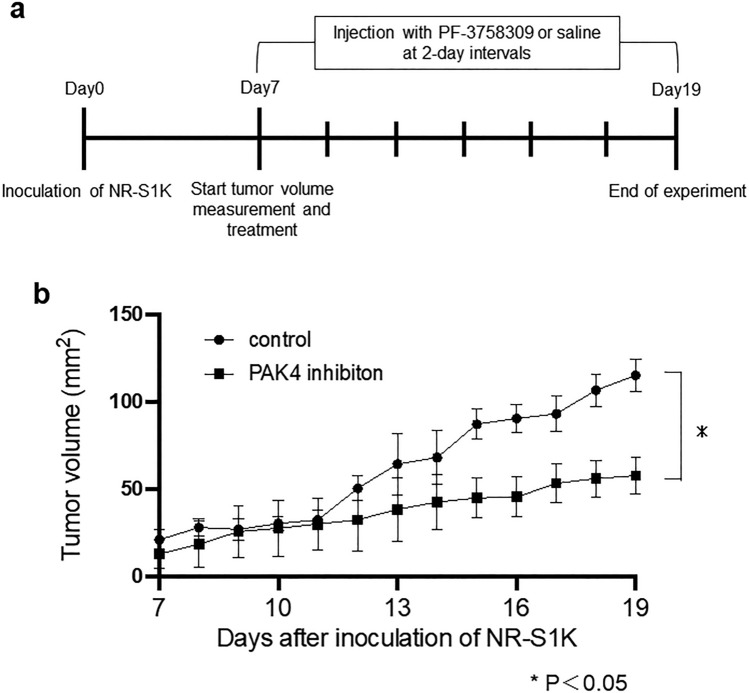
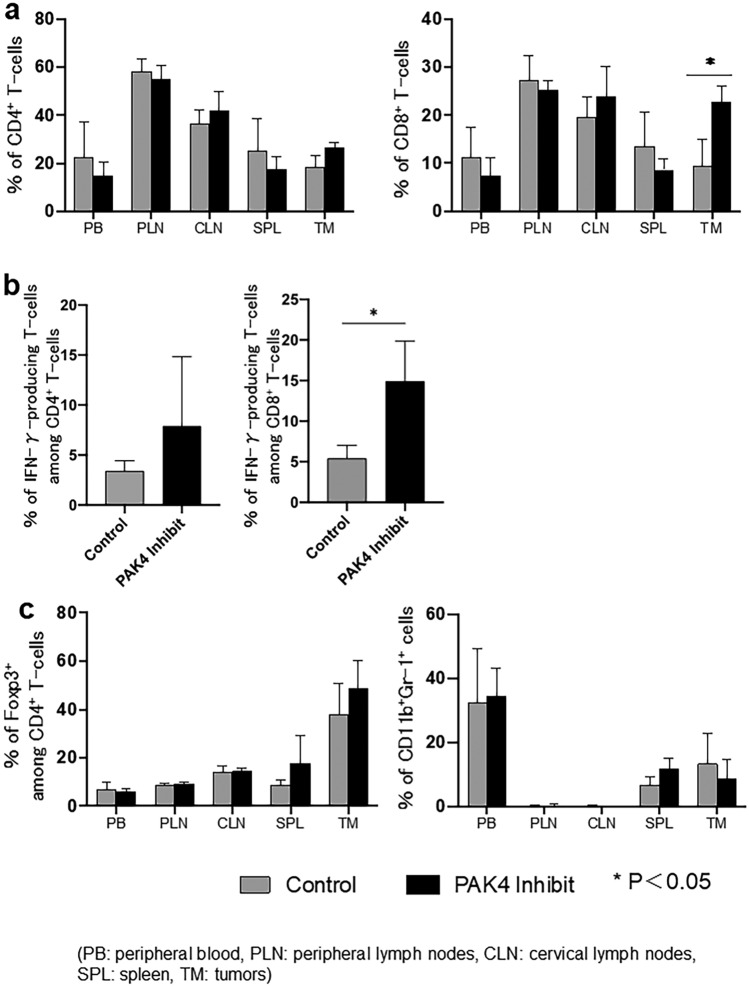
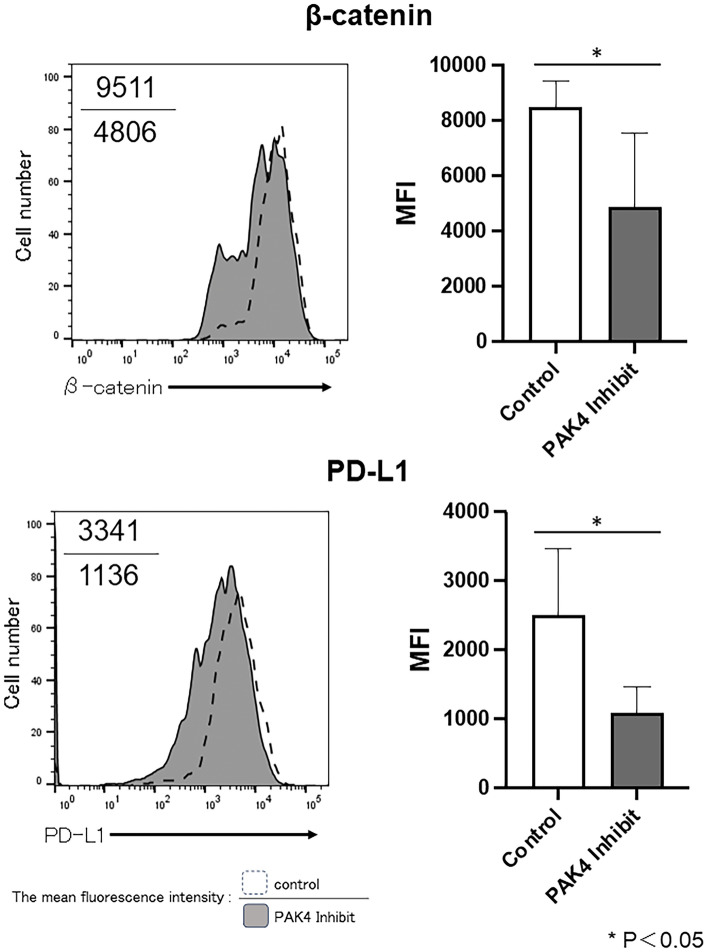
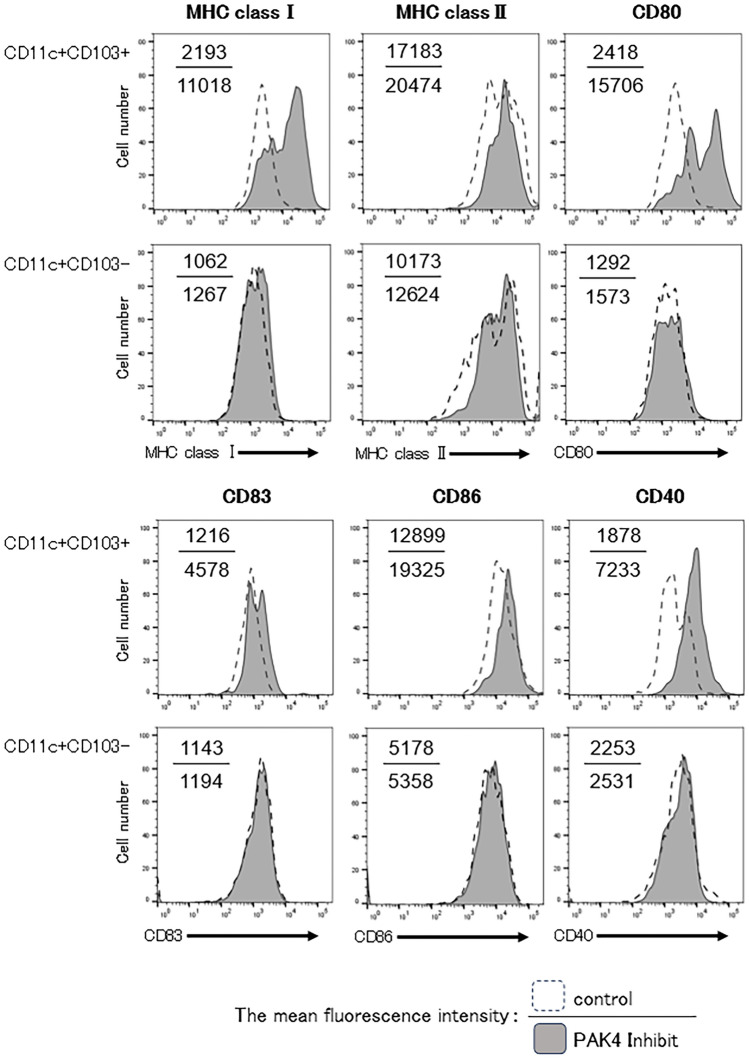
Oral squamous cell carcinoma (OSCC) is one of the most common malignant tumours, warranting novel treatments. Here, we examined the therapeutic efficacy of inhibiting p21 activated kinase 4 (PAK4) in OSCC and determined its immunomodulatory effect by focusing on the enhancement of anti-tumour effects. We examined PAK4 expression in OSCC cells and human clinical samples and analysed the proliferation and apoptosis of OSCC cells following PAK4 inhibition in vitro. We also investigated the effects of in vivo administration of a PAK4 inhibitor on immune cell distribution and T-cell immune responses in OSCC tumour-bearing mice. PAK4 was detected in all OSCC cells and OSCC tissue samples. PAK4 inhibitor reduced the proliferation of OSCC cells and induced apoptosis. PAK4 inhibitor significantly attenuated tumour growth in mouse and was associated with increased proportions of IFN-γ-producing CD8 T-cells. Furthermore, PAK4 inhibitor increased the number of dendritic cells (DCs) and up-regulated the surface expression of various lymphocyte co-stimulatory molecules, including MHC-class I molecules, CD80, CD83, CD86, and CD40. These DCs augmented CD8 T-cell activation upon co-culture. Our results suggest that PAK4 inhibition in OSCC can have direct anti-tumour and immunomodulatory effects, which might benefit the treatment of this malignancy.
口腔鳞状细胞癌 (OSCC) 是最常见的恶性肿瘤之一,需要新的治疗方法。在这里,我们研究了抑制 p21 激活激酶 4 (PAK4) 在 OSCC 中的治疗效果,并通过关注增强抗肿瘤作用来确定其免疫调节作用。我们检查了 OSCC 细胞和人类临床样本中的 PAK4 表达,并分析了体外抑制 PAK4 后 OSCC 细胞的增殖和凋亡。我们还研究了体内给予 PAK4 抑制剂对携带 OSCC 肿瘤小鼠免疫细胞分布和 T 细胞免疫反应的影响。PAK4 在所有 OSCC 细胞和 OSCC 组织样本中均有检测到。PAK4 抑制剂可降低 OSCC 细胞的增殖并诱导细胞凋亡。PAK4 抑制剂可显著抑制小鼠肿瘤生长,并与 IFN-γ 产生的 CD8 T 细胞比例增加有关。此外,PAK4 抑制剂增加了树突状细胞 (DC) 的数量,并上调了各种淋巴细胞协同刺激分子的表面表达,包括 MHC 类 I 分子、CD80、CD83、CD86 和 CD40。这些 DC 在共培养时增强了 CD8 T 细胞的激活。我们的研究结果表明,OSCC 中的 PAK4 抑制具有直接的抗肿瘤和免疫调节作用,可能有益于这种恶性肿瘤的治疗。