Mehta Arundhati, Kumar Ratre Yashwant, Sharma Krishna, Soni Vivek Kumar, Tiwari Atul Kumar, Singh Rajat Pratap, Dwivedi Mrigendra Kumar, Chandra Vikas, Prajapati Santosh Kumar, Shukla Dhananjay, Vishvakarma Naveen Kumar
Department of Biotechnology, Guru Ghasidas Vishwavidyalaya, Bilaspur, India.
Department of Psychology, Government Bilasa Girls Post Graduate Autonomous College, Bilaspur, India.
Front Microbiol. 2021 Dec 17;12:769884. doi: 10.3389/fmicb.2021.769884. eCollection 2021.
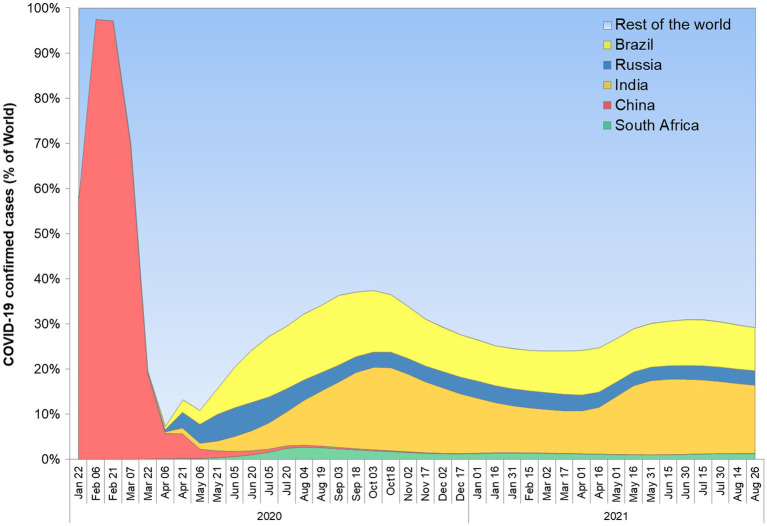
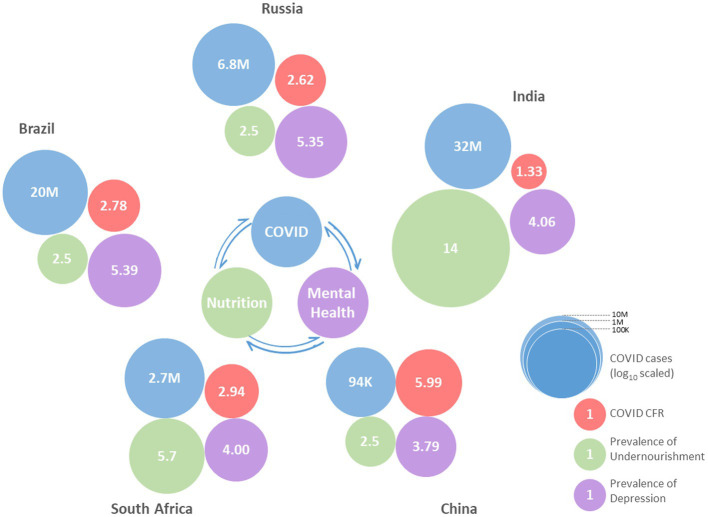
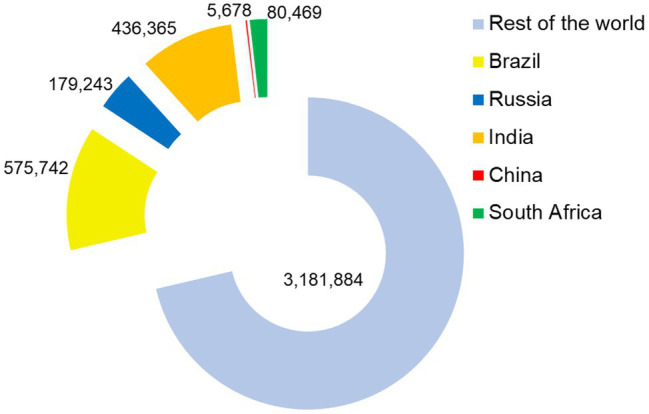
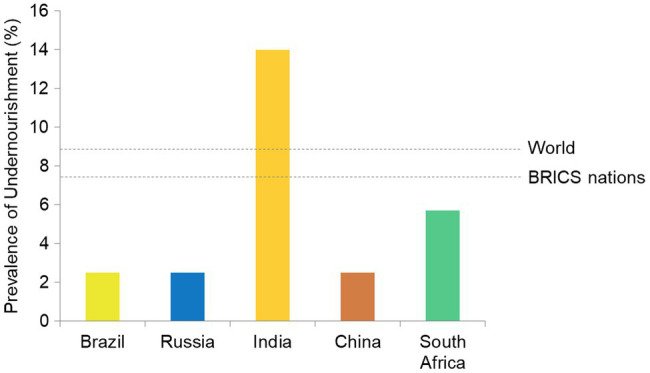
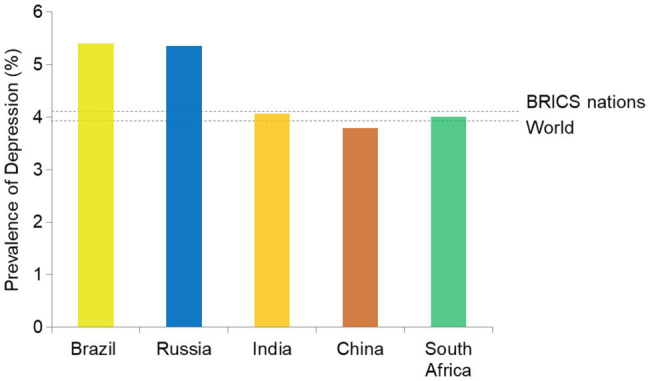
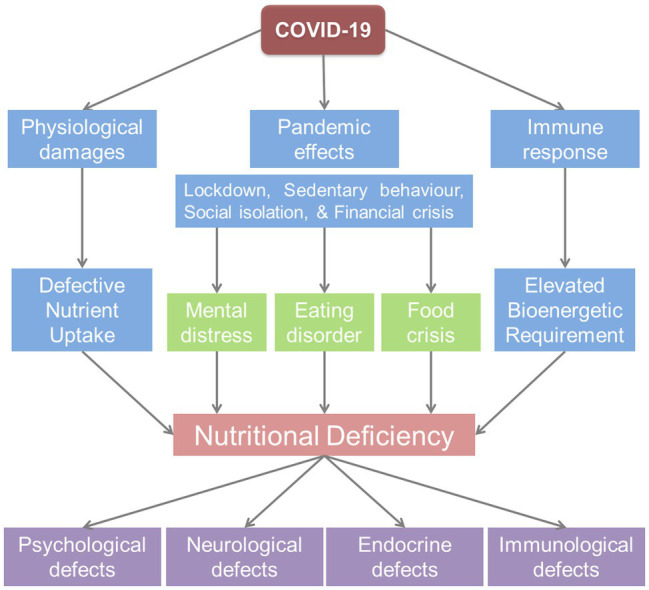
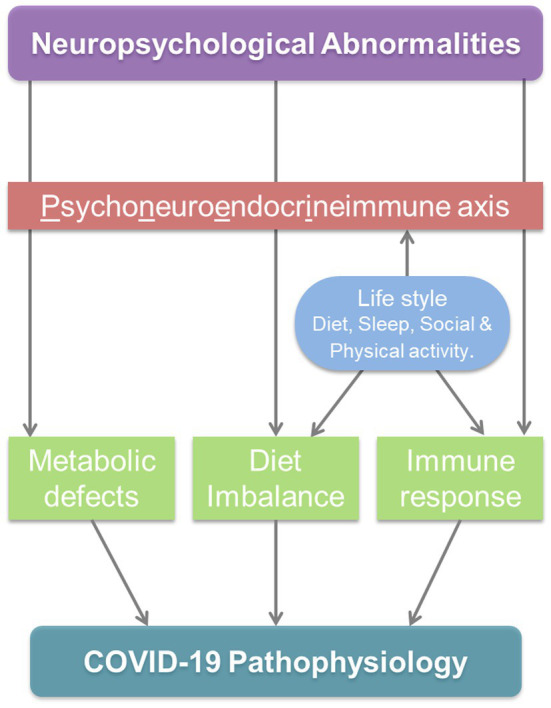
The consequences of COVID-19 are not limited to physical health deterioration; the impact on neuropsychological well-being is also substantially reported. The inter-regulation of physical health and psychological well-being through the psychoneuroendocrineimmune (PNEI) axis has enduring consequences in susceptibility, treatment outcome as well as recuperation. The pandemic effects are upsetting the lifestyle, social interaction, and financial security; and also pose a threat through perceived fear. These consequences of COVID-19 also influence the PNEI system and wreck the prognosis. The nutritional status of individuals is also reported to have a determinative role in COVID-19 severity and convalescence. In addition to energetic demand, diet also provides precursor substances [amino acids (AAs), vitamins, etc.] for regulators of the PNEI axis such as neurotransmitters (NTs) and immunomodulators. Moreover, exaggerated immune response and recovery phase of COVID-19 demand additional nutrient intake; widening the gap of pre-existing undernourishment. Mushrooms, fresh fruits and vegetables, herbs and spices, and legumes are few of such readily available food ingredients which are rich in protein and also have medicinal benefits. BRICS nations have their influences on global development and are highly impacted by a large number of confirmed COVID-19 cases and deaths. The adequacy and access to healthcare are also low in BRICS nations as compared to the rest of the world. Attempt to combat the COVID-19 pandemic are praiseworthy in BRICS nations. However, large population sizes, high prevalence of undernourishment (PoU), and high incidence of mental health ailments in BRICS nations provide a suitable landscape for jeopardy of COVID-19. Therefore, appraising the interplay of nutrition and PNEI modulation especially in BRICS countries will provide better understanding; and will aid in combat COVID-19. It can be suggested that the monitoring will assist in designing adjunctive interventions through medical nutrition therapy and psychopsychiatric management.
新冠病毒病(COVID-19)的后果不仅限于身体健康恶化;大量报告还指出其对神经心理幸福感也有重大影响。通过心理神经内分泌免疫(PNEI)轴对身体健康和心理幸福感进行的相互调节,在易感性、治疗结果以及康复方面都具有持久影响。疫情的影响扰乱了生活方式、社交互动和经济安全;同时还通过感知到的恐惧构成威胁。COVID-19的这些后果也会影响PNEI系统并破坏预后。据报道,个体的营养状况在COVID-19的严重程度和康复过程中也起着决定性作用。除了能量需求外,饮食还为PNEI轴的调节因子(如神经递质(NTs)和免疫调节剂)提供前体物质[氨基酸(AAs)、维生素等]。此外,COVID-19的过度免疫反应和恢复期需要额外的营养摄入;这扩大了先前存在的营养不良差距。蘑菇、新鲜水果和蔬菜、草药和香料以及豆类是少数几种容易获得的富含蛋白质且具有药用价值的食物成分。金砖国家对全球发展有影响,且受到大量COVID-19确诊病例和死亡的严重影响。与世界其他地区相比,金砖国家的医疗保健充足性和可及性也较低。金砖国家抗击COVID-19疫情的努力值得称赞。然而,金砖国家的人口众多、营养不良患病率高以及心理健康疾病发病率高,为COVID-19带来了危险的环境。因此,评估营养与PNEI调节之间的相互作用,尤其是在金砖国家,将有助于更好地理解;并有助于抗击COVID-19。可以认为,这种监测将有助于通过医学营养治疗和心理精神管理设计辅助干预措施。