Labeeb May, Badr Abdelfattah, Haroun Soliman A, Mattar Magdy Z, El-Kholy Aziza S
Botany and Microbiology Department, Faculty of Science, Kafrelsheikh University, Kafr Elsheikh, Egypt.
Botany and Microbiology Department, Faculty of Science, Helwan University, Cairo, Egypt.
J Genet Eng Biotechnol. 2022 Jan 5;20(1):5. doi: 10.1186/s43141-021-00285-1.
Silver nanoparticles (AgNPs) are the most widely used nanomaterial in agricultural and environmental applications. In this study, the impact of AgNPs solutions at 20 mg/L, 40 mg/L, 80 mg/L, and 160 mg/L on cell ultrastructure have been examined in pea (Pisum sativum L) using a transmission electron microscope (TEM). The effect of AgNPs treatments on the α, β esterase (EST), and peroxidase (POX) enzymes expression as well as gain or loss of inter-simple sequence repeats (ISSRs) markers has been described.
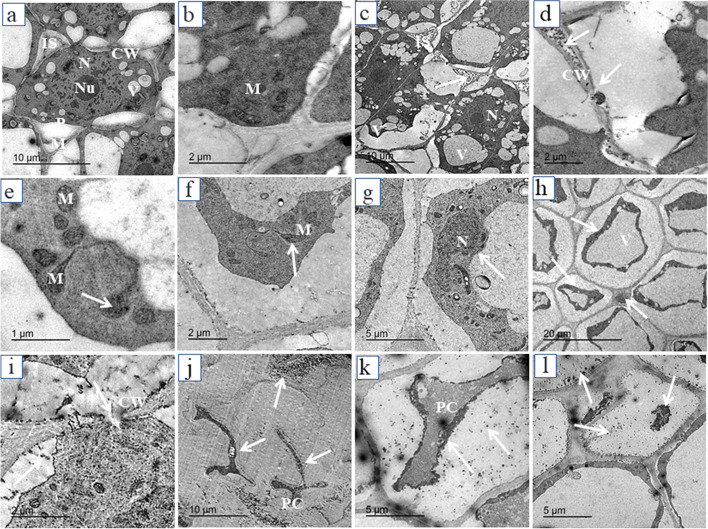
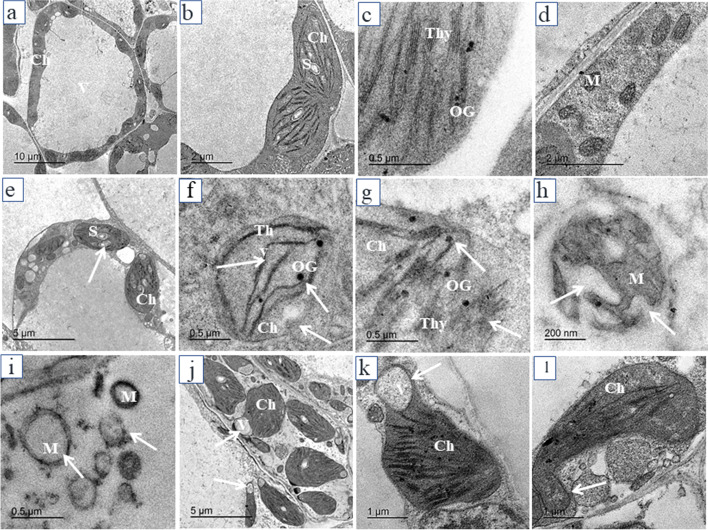
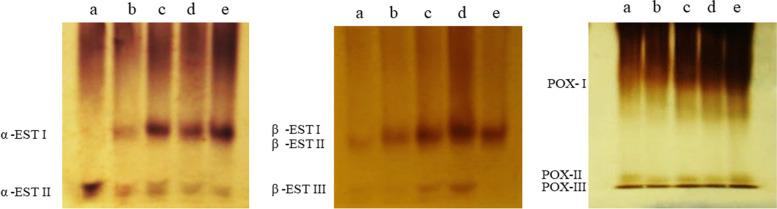
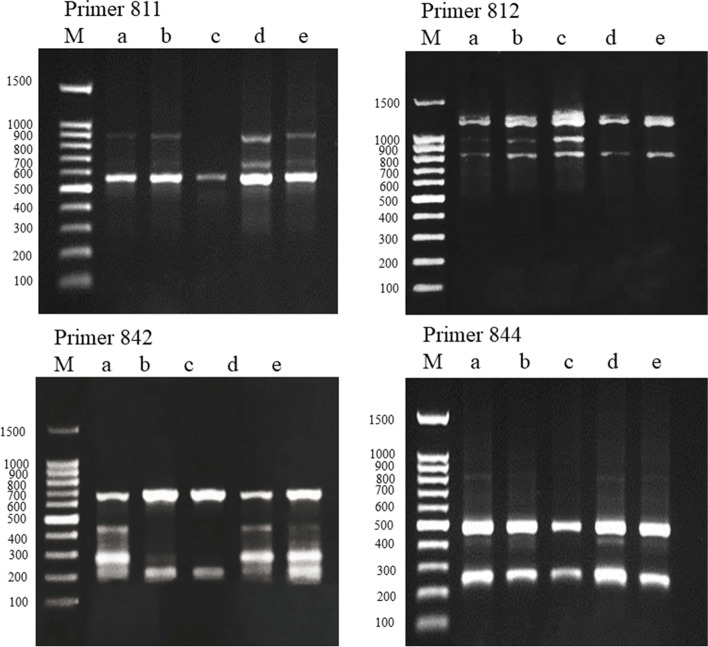
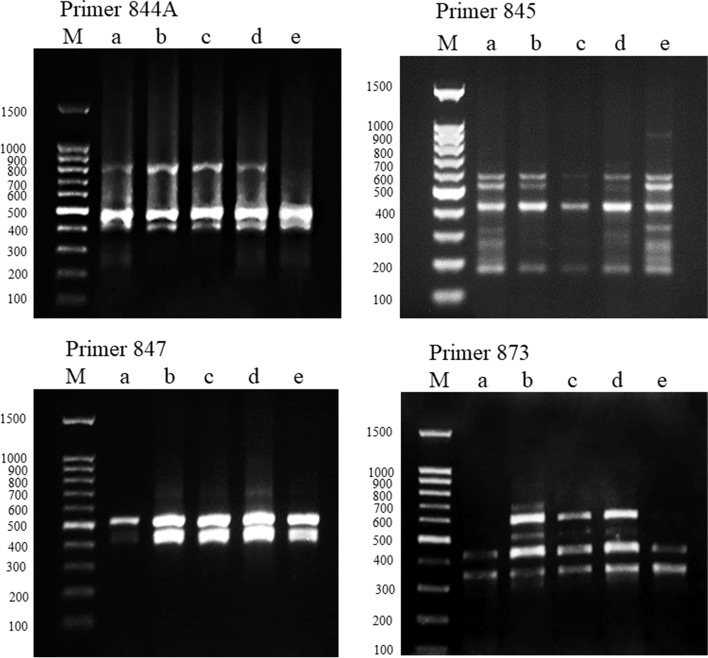
Different structural malformations in the cell wall and mitochondria, as well as plasmolysis and vacuolation were recorded in root cells. Damaged chloroplast and mitochondria were frequently observed in leaves and the osmiophilic plastoglobuli were more observed as AgNPs concentration increased. Starch grains increased by the treatment with 20 mg/L AgNPs. The expressions of α, β EST, and POX were slightly changed but considerable polymorphism in ISSR profiles, using 17 different primers, were scored indicating gain or loss of gene loci as a result of AgNPs treatments. This indicates considerable variations in genomic DNA and point mutations that may be induced by AgNPs as a genotoxic nanomaterial.
AgNPs may be used to induce genetic variation at low concentrations. However, considerations should be given to the uncontrolled use of nanoparticles and calls for evaluating their impact on plant growth and potential genotoxicity are justified.
银纳米颗粒(AgNPs)是农业和环境应用中使用最广泛的纳米材料。在本研究中,使用透射电子显微镜(TEM)研究了20mg/L、40mg/L、80mg/L和160mg/L的AgNPs溶液对豌豆(Pisum sativum L)细胞超微结构的影响。描述了AgNPs处理对α、β酯酶(EST)和过氧化物酶(POX)酶表达以及简单序列重复区间(ISSR)标记增减的影响。
在根细胞中记录到细胞壁和线粒体出现不同的结构畸形,以及质壁分离和液泡化现象。在叶片中经常观察到叶绿体和线粒体受损,并且随着AgNPs浓度增加,嗜锇质体小球的观察结果更多。用20mg/L AgNPs处理后淀粉粒增加。α和β EST以及POX的表达略有变化,但使用17种不同引物对ISSR图谱进行评分时发现有相当大的多态性,表明由于AgNPs处理导致基因位点的增减。这表明基因组DNA存在相当大的变异以及可能由作为遗传毒性纳米材料的AgNPs诱导的点突变。
AgNPs在低浓度下可能用于诱导遗传变异。然而,应考虑纳米颗粒的无节制使用,并且有理由呼吁评估它们对植物生长的影响和潜在的遗传毒性。