School of Biomedical Sciences, The Chinese University of Hong Kong, Hong Kong, China.
Department of Anaesthesia and Intensive Care and Peter Hung Pain Research Institute, The Chinese University of Hong Kong, Hong Kong, China.
Cell Death Differ. 2022 Jun;29(6):1240-1254. doi: 10.1038/s41418-021-00916-7. Epub 2022 Jan 8.
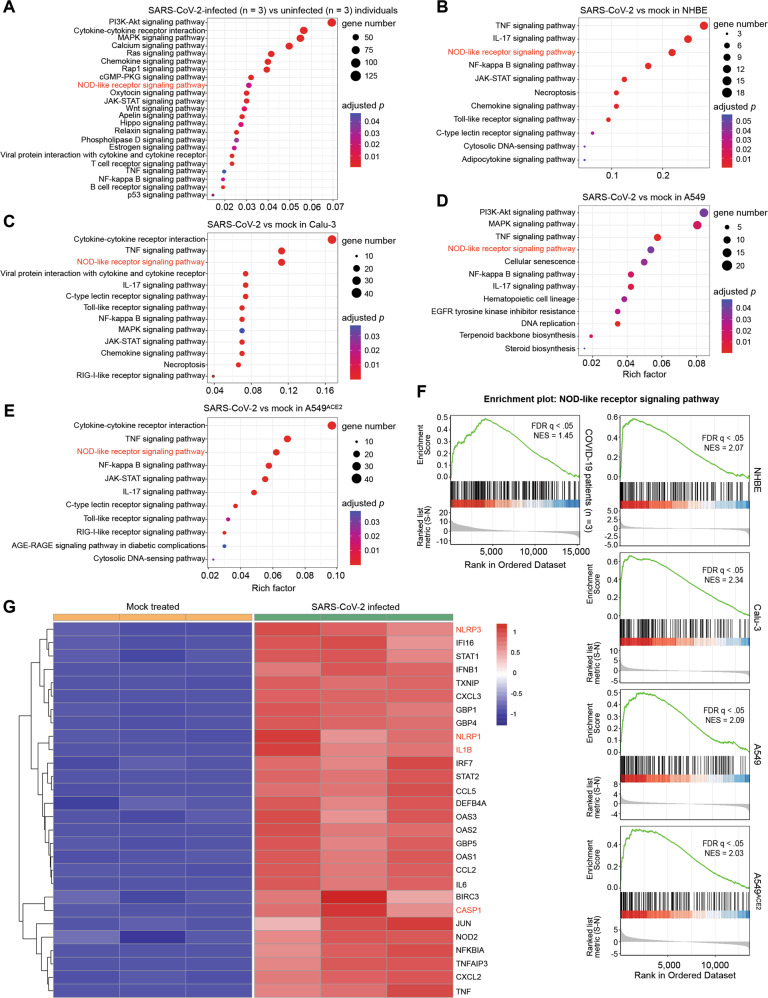
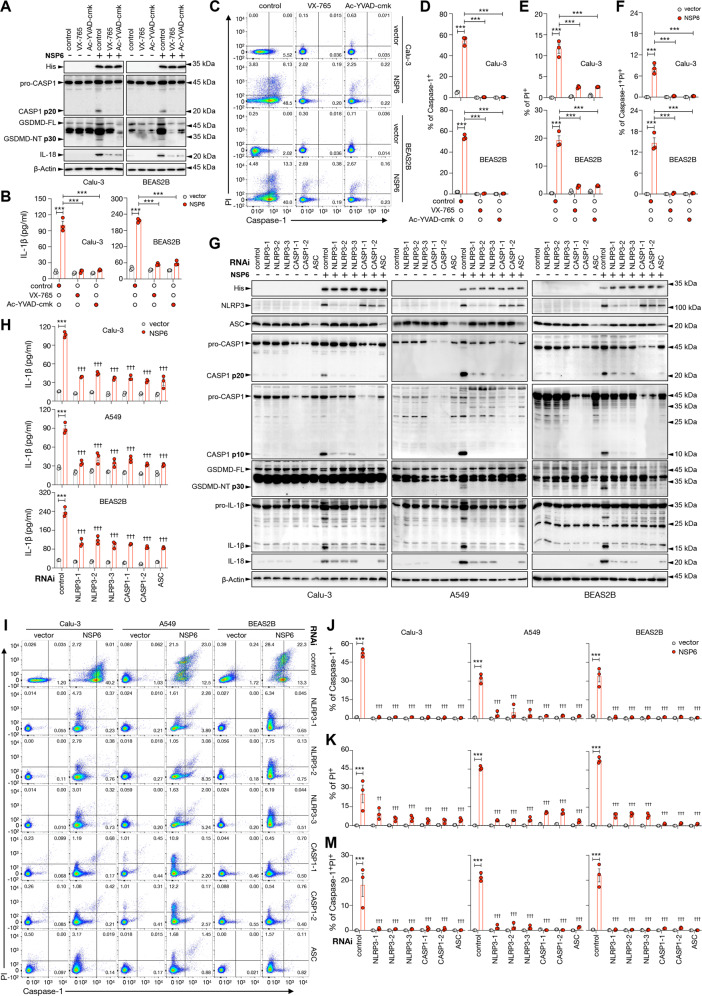
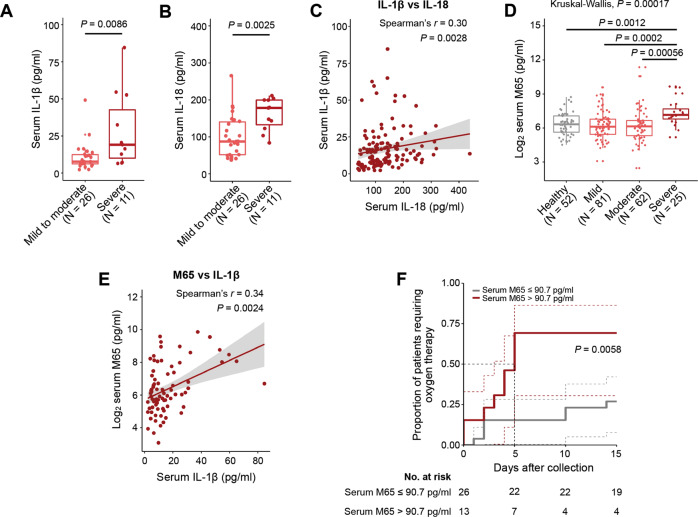
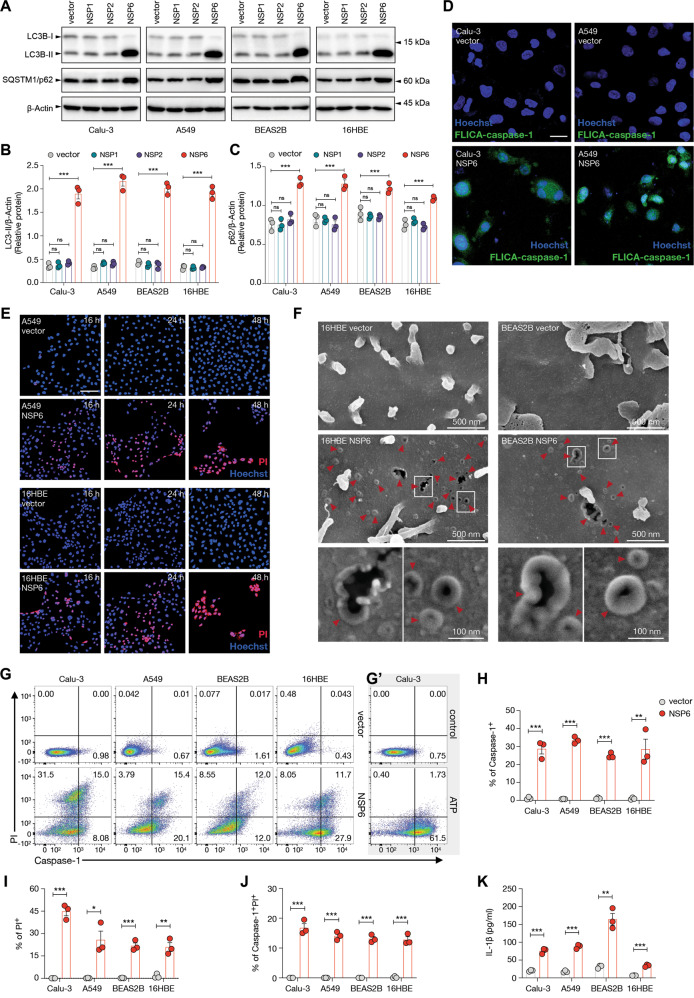
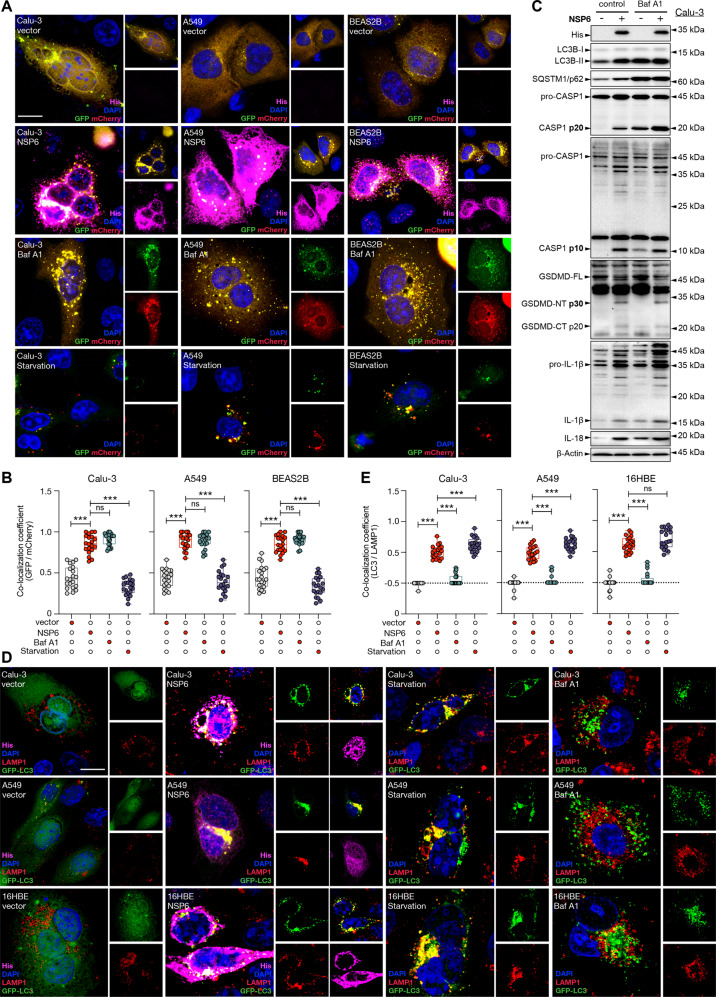
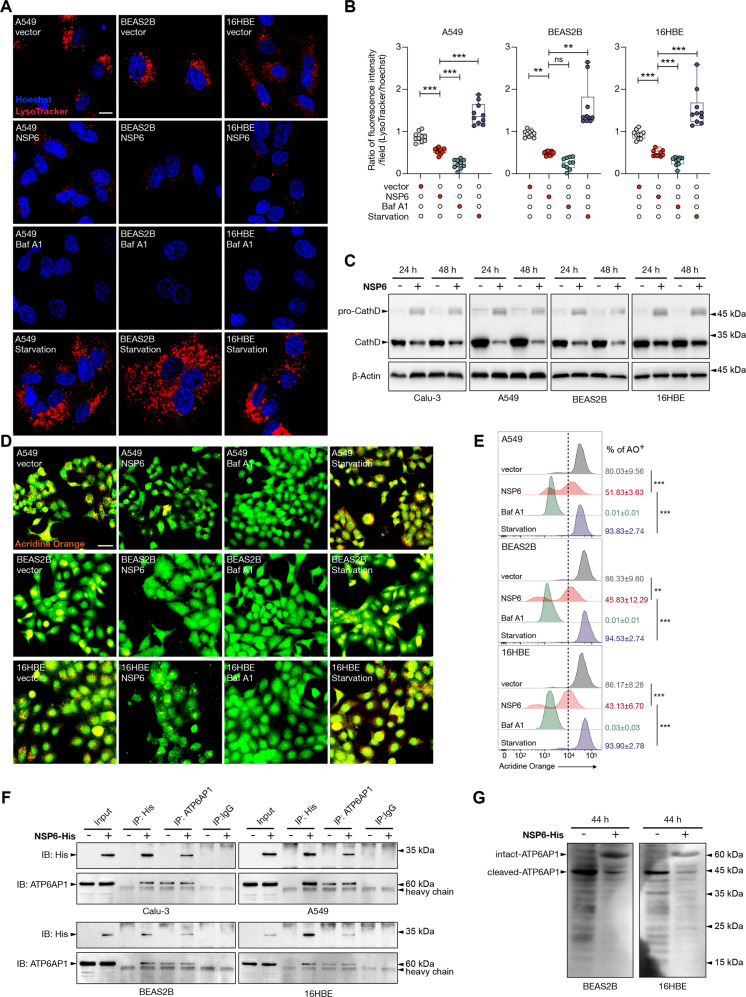
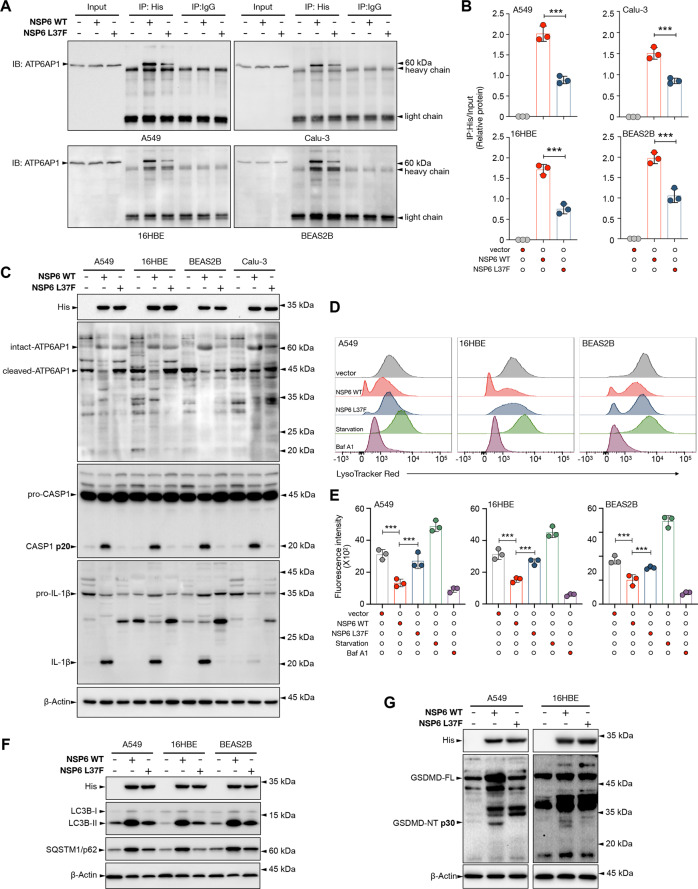
A recent mutation analysis suggested that Non-Structural Protein 6 (NSP6) of the Severe Acute Respiratory Syndrome Coronavirus 2 (SARS-CoV-2) is a key determinant of the viral pathogenicity. Here, by transcriptome analysis, we demonstrated that the inflammasome-related NOD-like receptor signaling was activated in SARS-CoV-2-infected lung epithelial cells and Coronavirus Disease 2019 (COVID-19) patients' lung tissues. The induction of inflammasomes/pyroptosis in patients with severe COVID-19 was confirmed by serological markers. Overexpression of NSP6 triggered NLRP3/ASC-dependent caspase-1 activation, interleukin-1β/18 maturation, and pyroptosis of lung epithelial cells. Upstream, NSP6 impaired lysosome acidification to inhibit autophagic flux, whose restoration by 1α,25-dihydroxyvitamin D, metformin or polydatin abrogated NSP6-induced pyroptosis. NSP6 directly interacted with ATP6AP1, a vacuolar ATPase proton pump component, and inhibited its cleavage-mediated activation. L37F NSP6 variant, which was associated with asymptomatic COVID-19, exhibited reduced binding to ATP6AP1 and weakened ability to impair lysosome acidification to induce pyroptosis. Consistently, infection of cultured lung epithelial cells with live SARS-CoV-2 resulted in autophagic flux stagnation, inflammasome activation, and pyroptosis. Overall, this work supports that NSP6 of SARS-CoV-2 could induce inflammatory cell death in lung epithelial cells, through which pharmacological rectification of autophagic flux might be therapeutically exploited.
最近的突变分析表明,严重急性呼吸综合征冠状病毒 2(SARS-CoV-2)的非结构蛋白 6(NSP6)是病毒致病性的关键决定因素。在这里,通过转录组分析,我们证明了 SARS-CoV-2 感染的肺上皮细胞和 2019 冠状病毒病(COVID-19)患者肺组织中的模式识别受体相关的 NOD 样受体信号被激活。严重 COVID-19 患者中炎症小体/细胞焦亡的诱导通过血清学标志物得到证实。NSP6 的过表达触发 NLRP3/ASC 依赖性半胱天冬酶-1 激活、白细胞介素-1β/18 的成熟和肺上皮细胞的细胞焦亡。在上游,NSP6 损害溶酶体酸化以抑制自噬流,而 1α,25-二羟维生素 D、二甲双胍或虎杖苷的恢复消除了 NSP6 诱导的细胞焦亡。NSP6 直接与 ATP6AP1 相互作用,后者是液泡 ATP 酶质子泵的组成部分,并抑制其切割介导的激活。与无症状 COVID-19 相关的 L37F NSP6 变体与 ATP6AP1 的结合减少,并且损害溶酶体酸化以诱导细胞焦亡的能力减弱。一致地,活 SARS-CoV-2 感染培养的肺上皮细胞导致自噬流停滞、炎症小体激活和细胞焦亡。总的来说,这项工作支持 SARS-CoV-2 的 NSP6 可以通过诱导肺上皮细胞中的炎症性细胞死亡,通过纠正自噬流可能具有治疗潜力。