
用于细胞递送和分析的微流控机械穿孔技术
Microfluidic mechanoporation for cellular delivery and analysis.
作者信息
Chakrabarty Pulasta, Gupta Pallavi, Illath Kavitha, Kar Srabani, Nagai Moeto, Tseng Fan-Gang, Santra Tuhin Subhra
机构信息
Department of Engineering Design, Indian Institute of Technology Madras, Chennai, India.
Department of Electrical Engineering, University of Cambridge, Cambridge, CB30FA, UK.
出版信息
Mater Today Bio. 2021 Dec 20;13:100193. doi: 10.1016/j.mtbio.2021.100193. eCollection 2022 Jan.
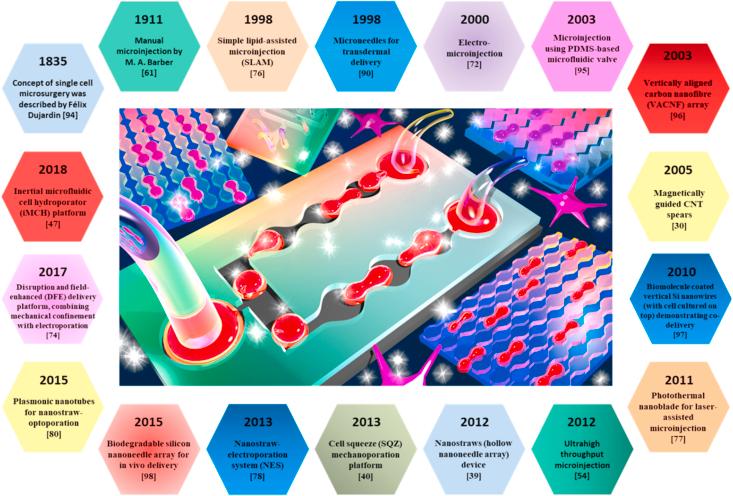
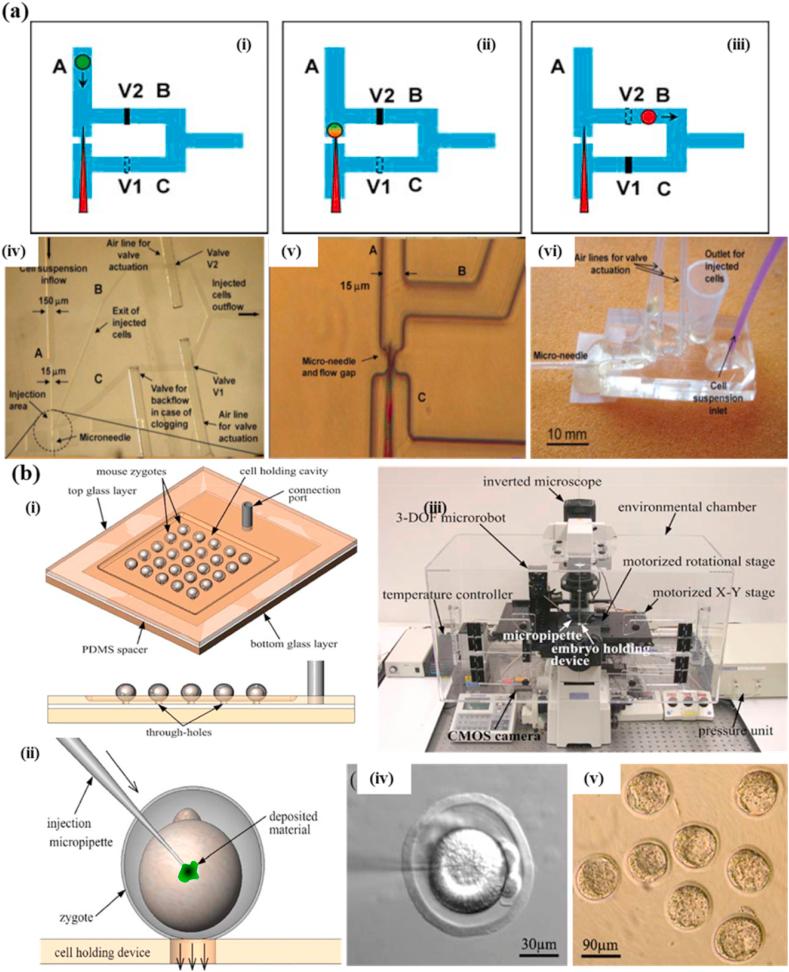
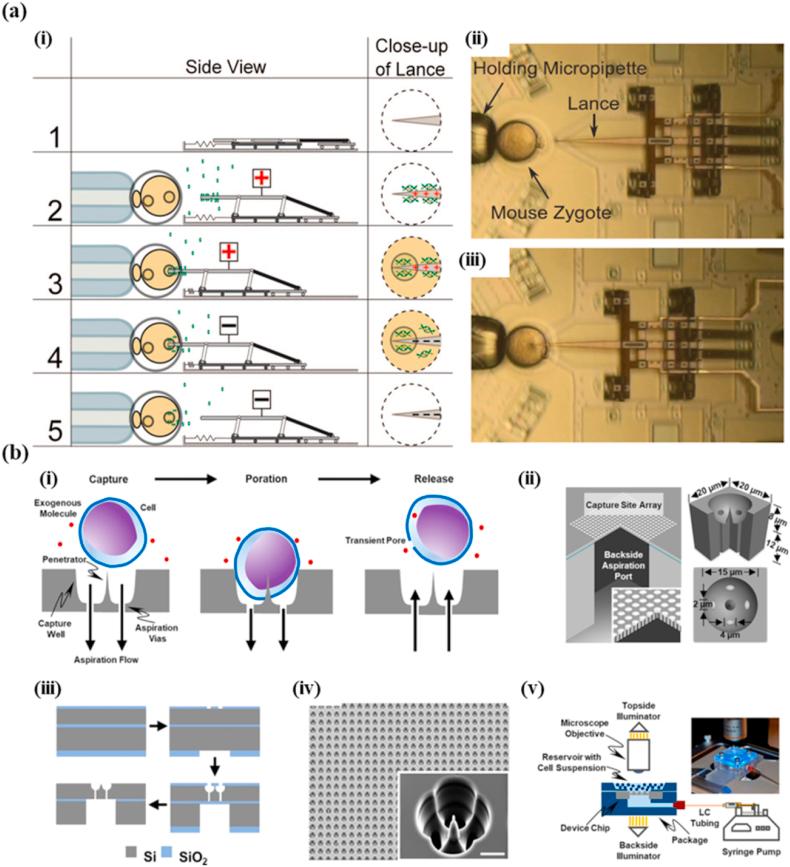
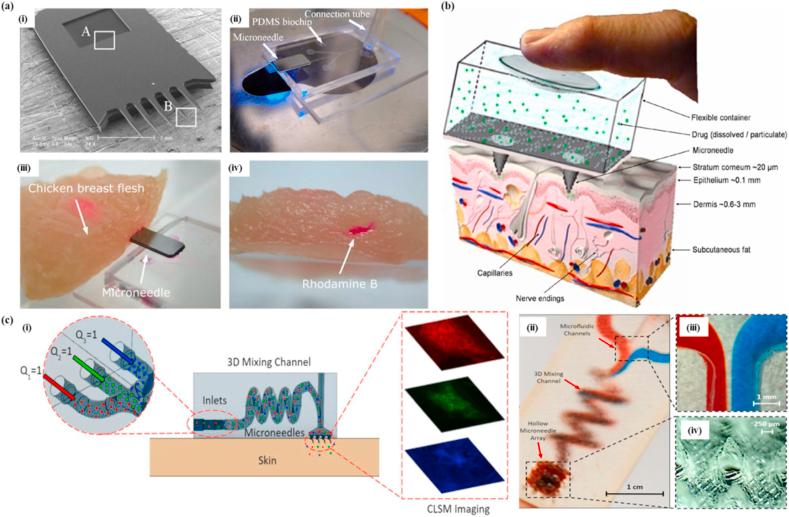
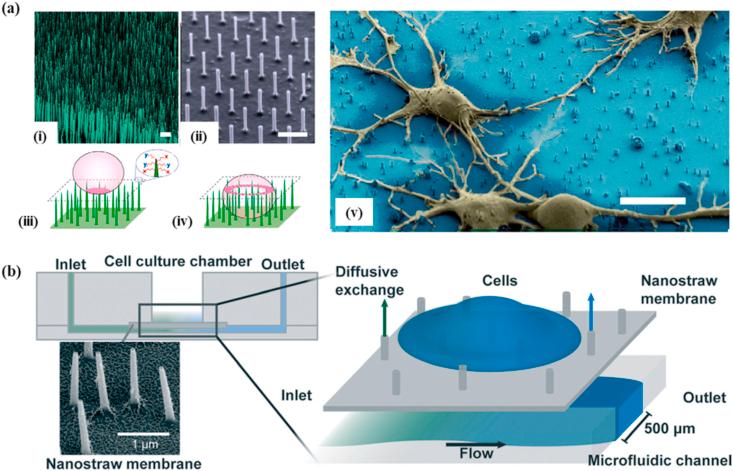
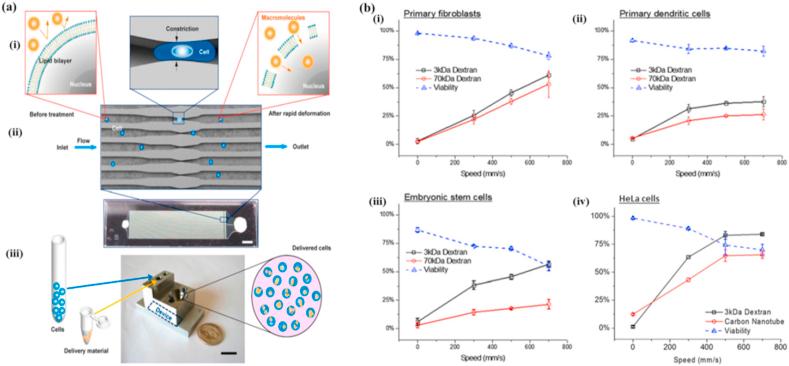
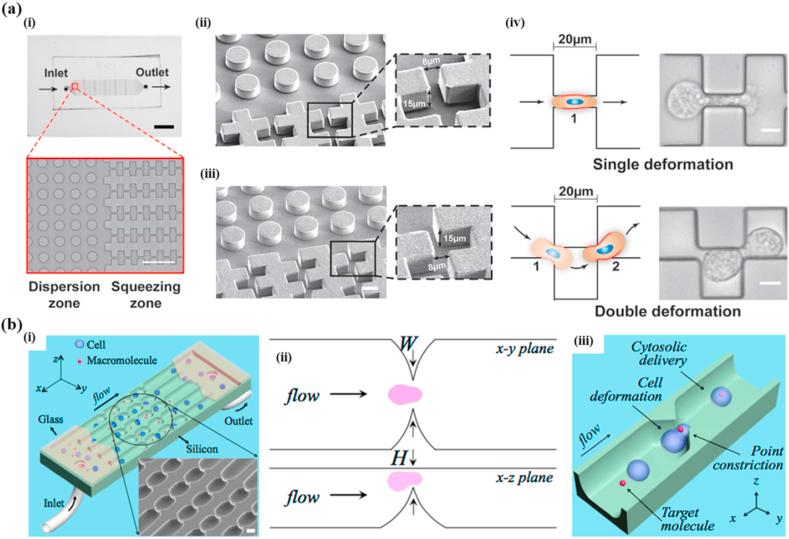
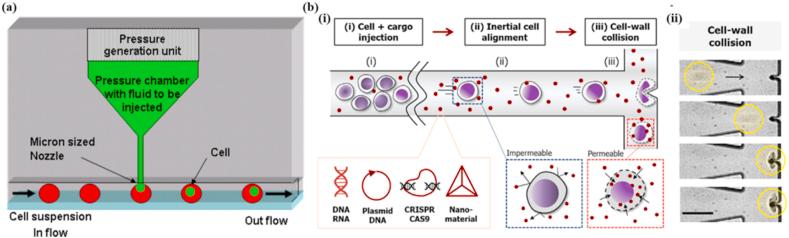
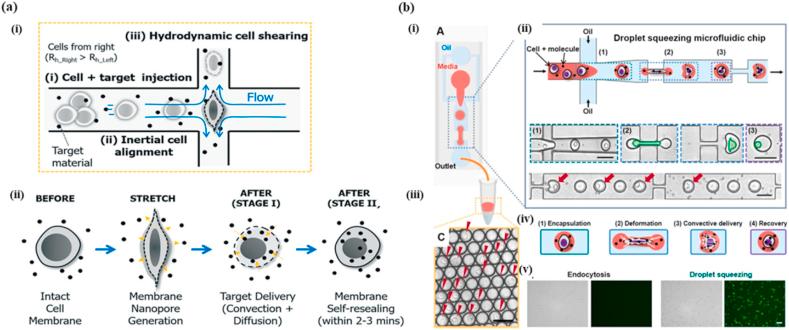
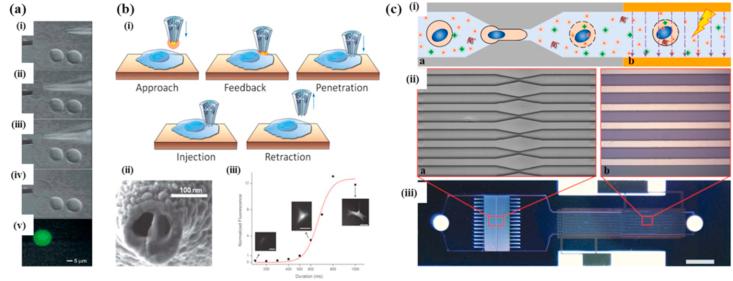
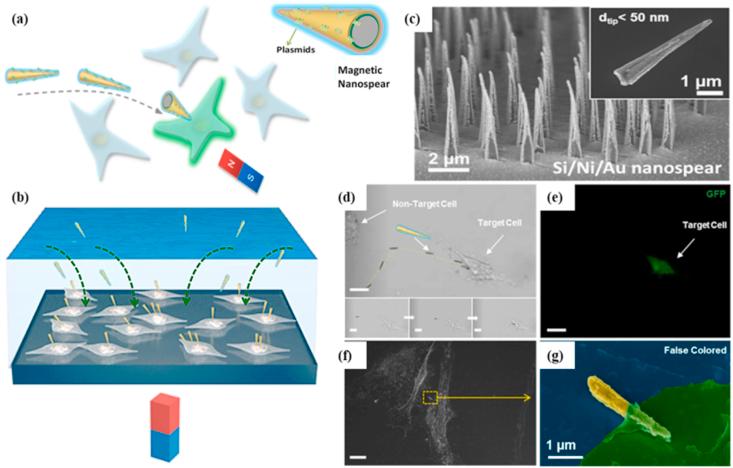
Highly efficient intracellular delivery strategies are essential for developing therapeutic, diagnostic, biological, and various biomedical applications. The recent advancement of micro/nanotechnology has focused numerous researches towards developing microfluidic device-based strategies due to the associated high throughput delivery, cost-effectiveness, robustness, and biocompatible nature. The delivery strategies can be carrier-mediated or membrane disruption-based, where membrane disruption methods find popularity due to reduced toxicity, enhanced delivery efficiency, and cell viability. Among all of the membrane disruption techniques, the mechanoporation strategies are advantageous because of no external energy source required for membrane deformation, thereby achieving high delivery efficiencies and increased cell viability into different cell types with negligible toxicity. The past two decades have consequently seen a tremendous boost in mechanoporation-based research for intracellular delivery and cellular analysis. This article provides a brief review of the most recent developments on microfluidic-based mechanoporation strategies such as microinjection, nanoneedle arrays, cell-squeezing, and hydroporation techniques with their working principle, device fabrication, cellular delivery, and analysis. Moreover, a brief discussion of the different mechanoporation strategies integrated with other delivery methods has also been provided. Finally, the advantages, limitations, and future prospects of this technique are discussed compared to other intracellular delivery techniques.
高效的细胞内递送策略对于开发治疗、诊断、生物学及各种生物医学应用至关重要。微/纳米技术的最新进展使众多研究聚焦于开发基于微流控装置的策略,这是由于其具有高通量递送、成本效益高、稳健性强及生物相容性好等特点。递送策略可分为载体介导型或基于膜破坏型,其中膜破坏方法因毒性降低、递送效率提高和细胞活力增强而受到青睐。在所有膜破坏技术中,机械穿孔策略具有优势,因为膜变形无需外部能量源,从而能以可忽略的毒性实现对不同细胞类型的高递送效率和提高细胞活力。因此,在过去二十年中,基于机械穿孔的细胞内递送和细胞分析研究得到了极大的推动。本文简要综述了基于微流控的机械穿孔策略,如显微注射、纳米针阵列、细胞挤压和流体穿孔技术的最新进展,包括其工作原理、装置制造、细胞递送和分析。此外,还简要讨论了与其他递送方法相结合的不同机械穿孔策略。最后,与其他细胞内递送技术相比,讨论了该技术的优点、局限性和未来前景。









 Zotero 插件