Dipartimento di Scienze Farmacologiche e Biomolecolari, Università degli Studi di Milano, 20133 Milan, Italy.
Dipartimento di Medicina, Università degli Studi Padova, 35131 Padova, Italy.
Nutrients. 2021 Dec 31;14(1):193. doi: 10.3390/nu14010193.
Dyslipidaemias, particularly elevated plasma low-density lipoprotein cholesterol (LDL-C) levels, are major risk factors for cardiovascular disease (CVD). Besides pharmacological approaches, a nutritional strategy for CVD prevention has gained increasing attention. Among functional foods, the hypocholesterolemic properties of soy are driven by a stimulation of LDL-receptor (LDL-R) activity.
To characterize the effect of two soy peptides, namely, β-conglycinin-derived YVVNPDN and YVVNPDN on the expression of proprotein convertase subtilisin/kexin type 9 (PCSK9), one of the key-regulators of the LDL-R.
PCSK9 promoter activity (luciferase assay), PCSK9 protein expression (WB) and secretion (ELISA), PCSK9 interaction with LDL-R (binding assay) and human HepG2 cells were the objects of this investigation.
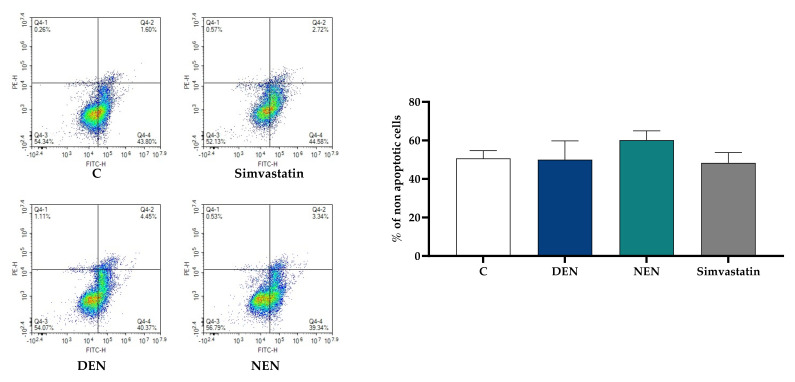
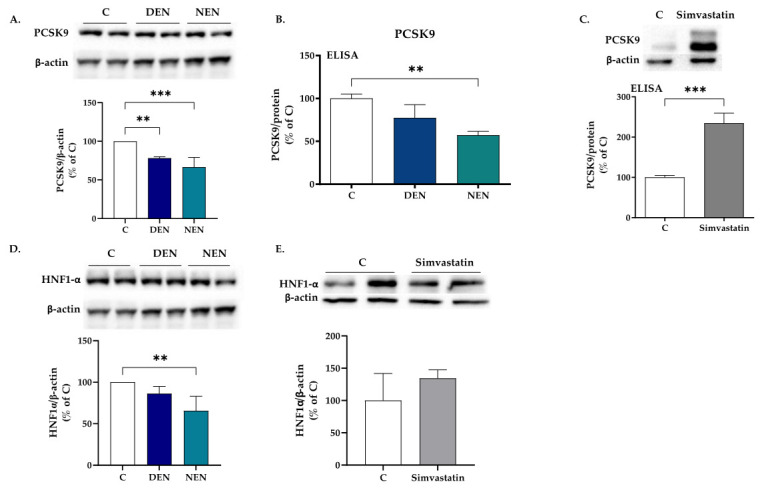
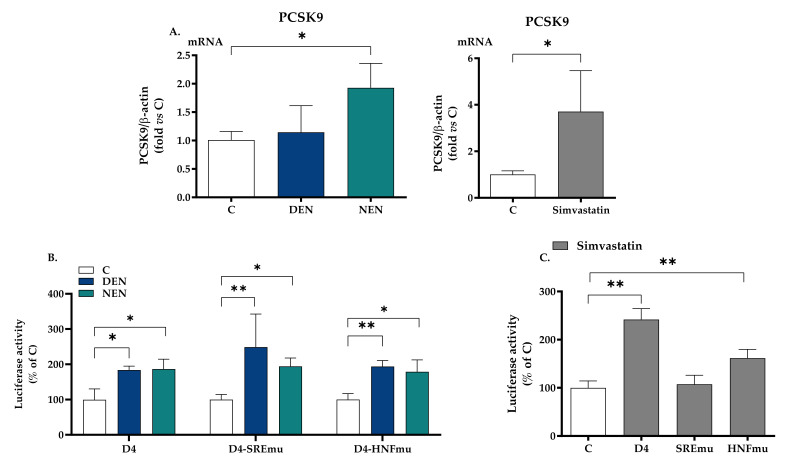
Treatment with YVVNPDN peptide has led to a rise in PCSK9 gene expression (90.8%) and transcriptional activity (86.4%), and to a decrement in PCSK9 intracellular and secreted protein (-42.9%) levels. YVVNPDN peptide reduced the protein expression of transcriptional factor HNF1α. Most changes driven by YVVNPDN peptide were not statistically significant. Neither peptide inhibited the PCSK9-LDLR interaction.
Although sharing a common effect on LDL-R levels through the inhibition of 3-hydroxy-3-methylglutaryl CoA reductase activity, only the YVVNPDN peptide has an additional mechanism via the downregulation of PCSK9 protein levels.
血脂异常,特别是血浆低密度脂蛋白胆固醇(LDL-C)水平升高,是心血管疾病(CVD)的主要危险因素。除了药物治疗方法外,预防 CVD 的营养策略也受到了越来越多的关注。在功能性食品中,大豆的降胆固醇特性是由于 LDL 受体(LDL-R)活性的刺激。
表征两种大豆肽,即 β-伴大豆球蛋白衍生的 YVVNPDN 和 YVVNPDN 对前蛋白转化酶枯草溶菌素/柯萨奇蛋白酶 9(PCSK9)表达的影响,PCSK9 是 LDL-R 的关键调节因子之一。
研究对象为 PCSK9 启动子活性(荧光素酶测定)、PCSK9 蛋白表达(WB)和分泌(ELISA)、PCSK9 与 LDL-R 的相互作用(结合测定)和人 HepG2 细胞。
YVVNPDN 肽处理导致 PCSK9 基因表达(90.8%)和转录活性(86.4%)增加,以及 PCSK9 细胞内和分泌蛋白水平降低(-42.9%)。YVVNPDN 肽降低了转录因子 HNF1α 的蛋白表达。YVVNPDN 肽驱动的大多数变化在统计学上并不显著。两种肽都没有抑制 PCSK9-LDLR 相互作用。
尽管通过抑制 3-羟基-3-甲基戊二酰辅酶 A 还原酶活性对 LDL-R 水平具有共同作用,但只有 YVVNPDN 肽通过下调 PCSK9 蛋白水平具有额外的机制。