Department of Clinical Sciences and Nutrition, University of Chester, Chester, UK
BACPR Diet Working Group.
Heart. 2020 May;106(10):724-731. doi: 10.1136/heartjnl-2019-315499. Epub 2020 Feb 25.
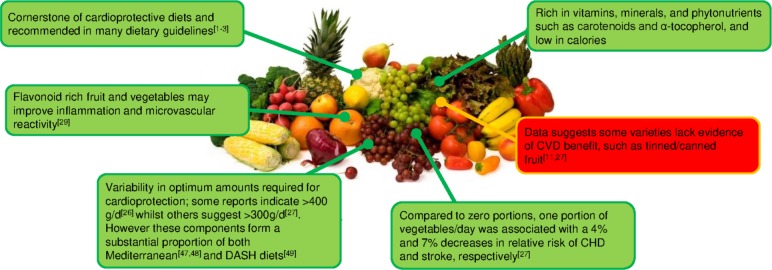
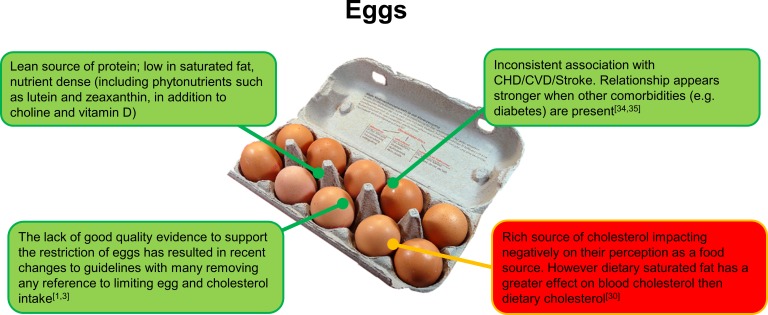
Nutrition has a central role in both primary and secondary prevention of cardiovascular disease yet only relatively recently has food been regarded as a treatment, rather than as an adjunct to established medical and pharmacotherapy. As a field of research, nutrition science is constantly evolving making it difficult for patients and practitioners to ascertain best practice. This is compounded further by the inherent difficulties in performing double-blind randomised controlled trials. This paper covers dietary patterns that are associated with improved cardiovascular outcomes, including the Mediterranean Diet but also low-carbohydrate diets and the potential issues encountered with their implementation. We suggest there must be a refocus away from macronutrients and consideration of whole foods when advising individuals. This approach is fundamental to practice, as clinical guidelines have focused on macronutrients without necessarily considering their source, and ultimately people consume foods containing multiple nutrients. The inclusion of food-based recommendations aids the practitioner to help the patient make genuine and meaningful changes in their diet. We advocate that the cardioprotective diet constructed around the traditional Mediterranean eating pattern (based around vegetables and fruits, nuts, legumes, and unrefined cereals, with modest amounts of fish and shellfish, and fermented dairy products) is still important. However, there are other approaches that can be tried, including low-carbohydrate diets. We encourage practitioners to adopt a flexible dietary approach, being mindful of patient preferences and other comorbidities that may necessitate deviations away from established advice, and advocate for more dietitians in this field to guide the multi-professional team.
营养在心血管疾病的一级和二级预防中起着核心作用,但直到最近,人们才将食物视为一种治疗方法,而不仅仅是作为既定医学和药物治疗的辅助手段。作为一个研究领域,营养科学在不断发展,这使得患者和从业者难以确定最佳实践。由于进行双盲随机对照试验存在固有困难,情况变得更加复杂。本文涵盖了与改善心血管结局相关的饮食模式,包括地中海饮食,但也包括低碳水化合物饮食以及它们实施过程中可能遇到的问题。我们认为,在为个人提供建议时,必须将重点从宏量营养素转移到关注全食物上来。这种方法是实践的基础,因为临床指南侧重于宏量营养素,而不一定考虑其来源,最终人们会食用含有多种营养素的食物。包含基于食物的建议有助于从业者帮助患者在饮食方面做出真正有意义的改变。我们主张围绕传统地中海饮食模式(以蔬菜、水果、坚果、豆类和未精制谷物为基础,适量食用鱼类和贝类以及发酵乳制品)构建的心脏保护饮食仍然很重要。然而,还可以尝试其他方法,包括低碳水化合物饮食。我们鼓励从业者采用灵活的饮食方法,注意患者的偏好和其他可能需要偏离既定建议的合并症,并倡导该领域有更多的营养师来指导多专业团队。