School of Cellular and Molecular Medicine, University of Bristol, Bristol, BS8 1TD, UK.
Bristol Veterinary School, University of Bristol, Bristol, BS40 5DU, UK.
Commun Biol. 2022 Jan 10;5(1):9. doi: 10.1038/s42003-021-02972-8.
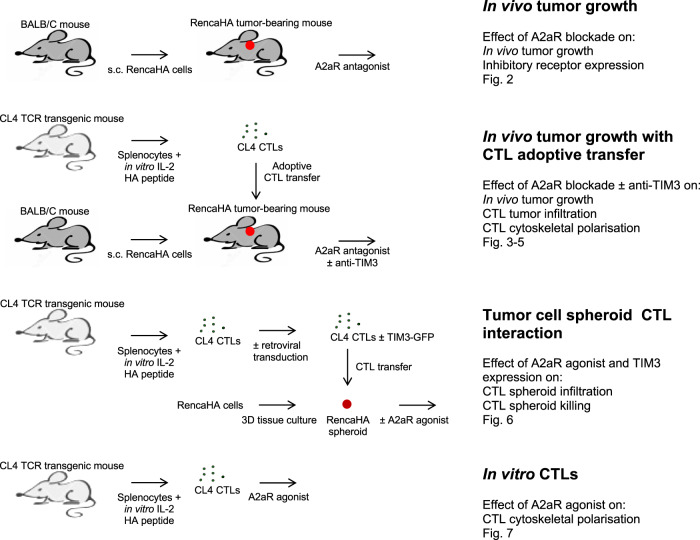
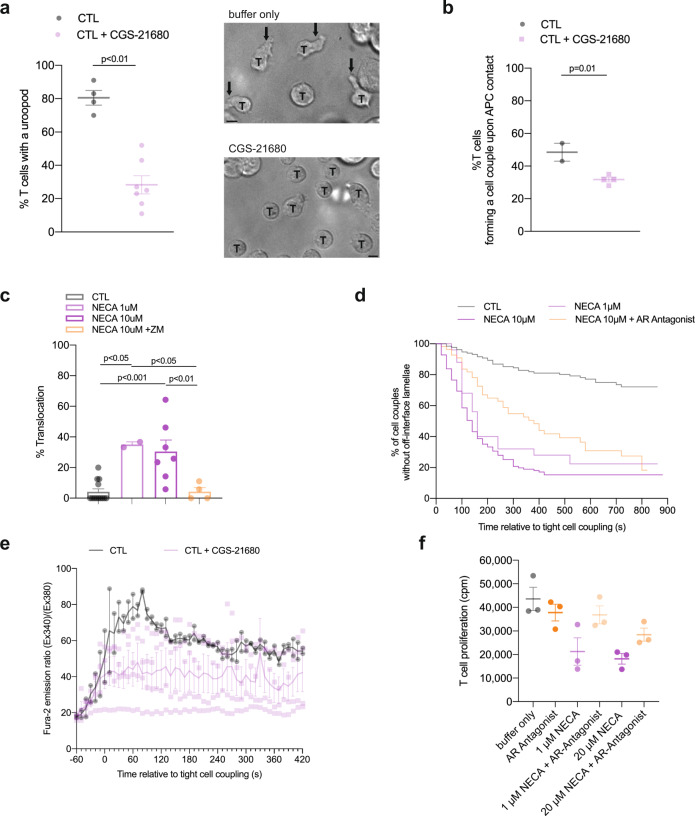
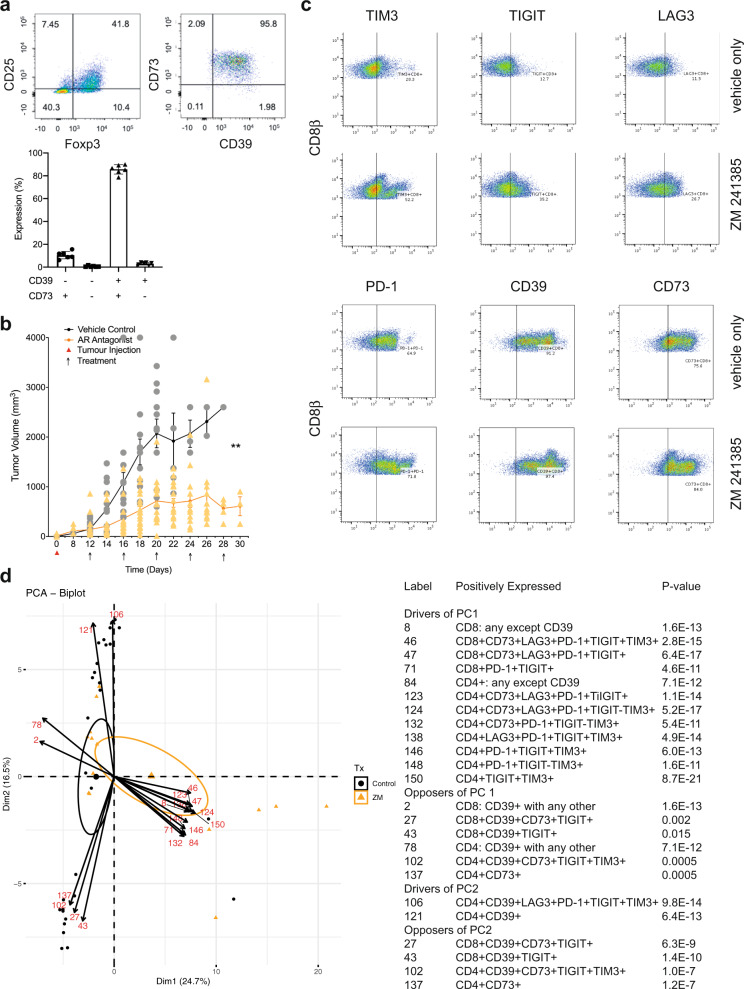
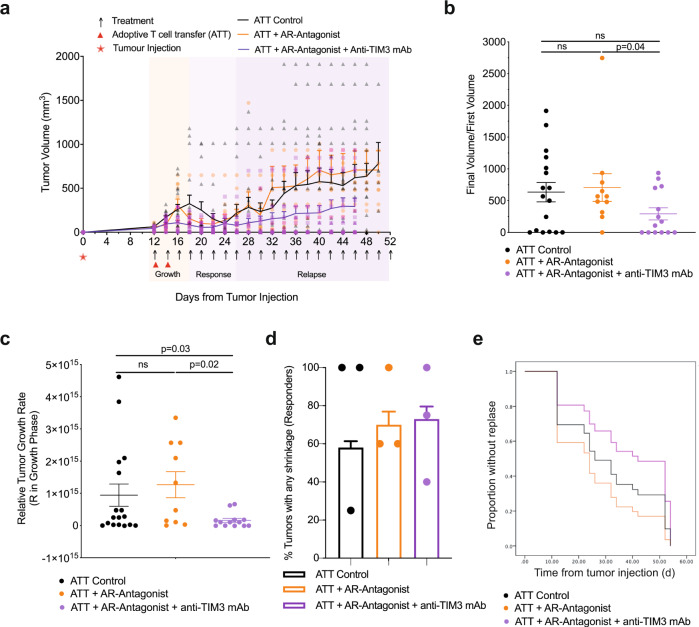
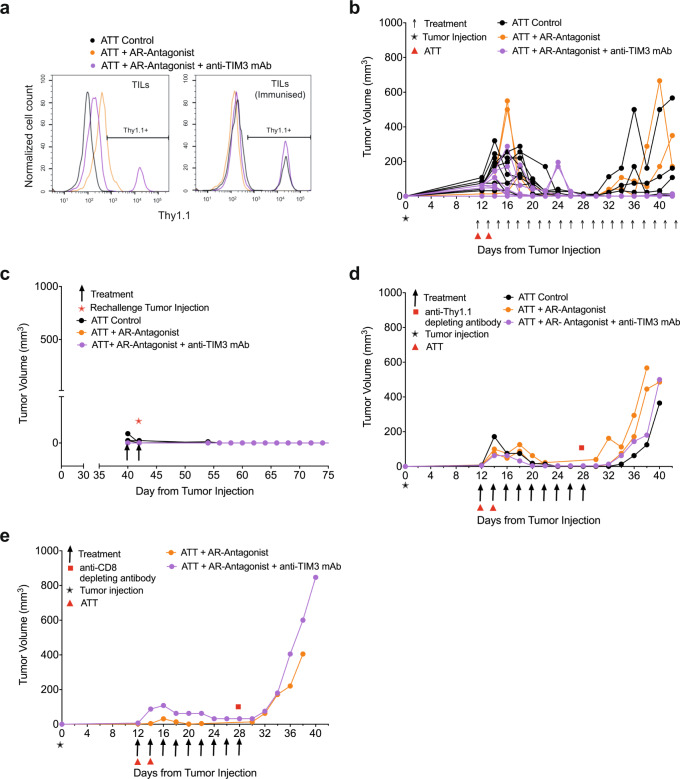
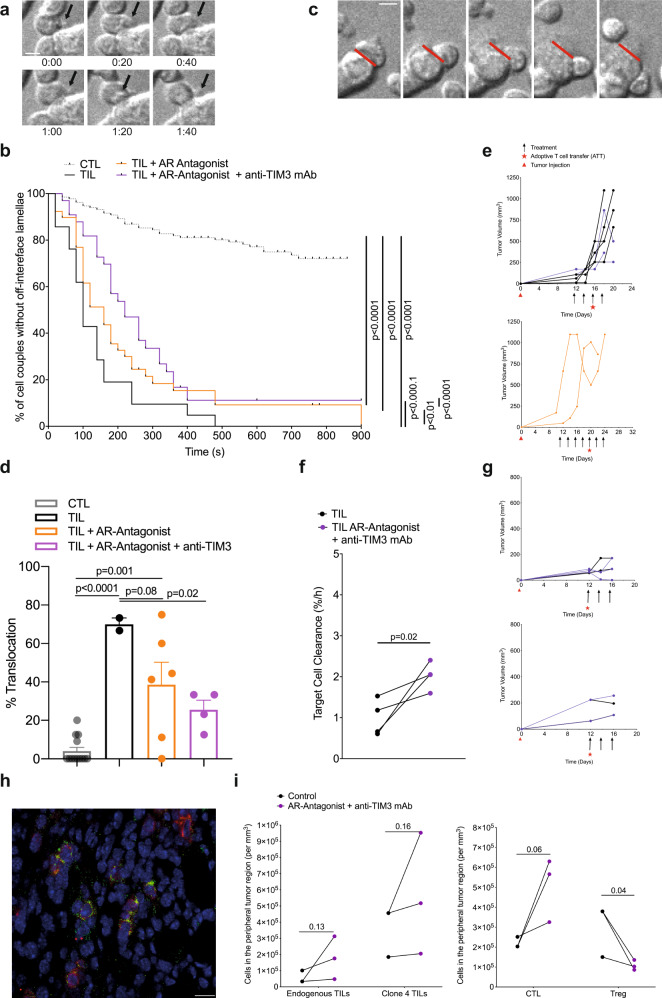
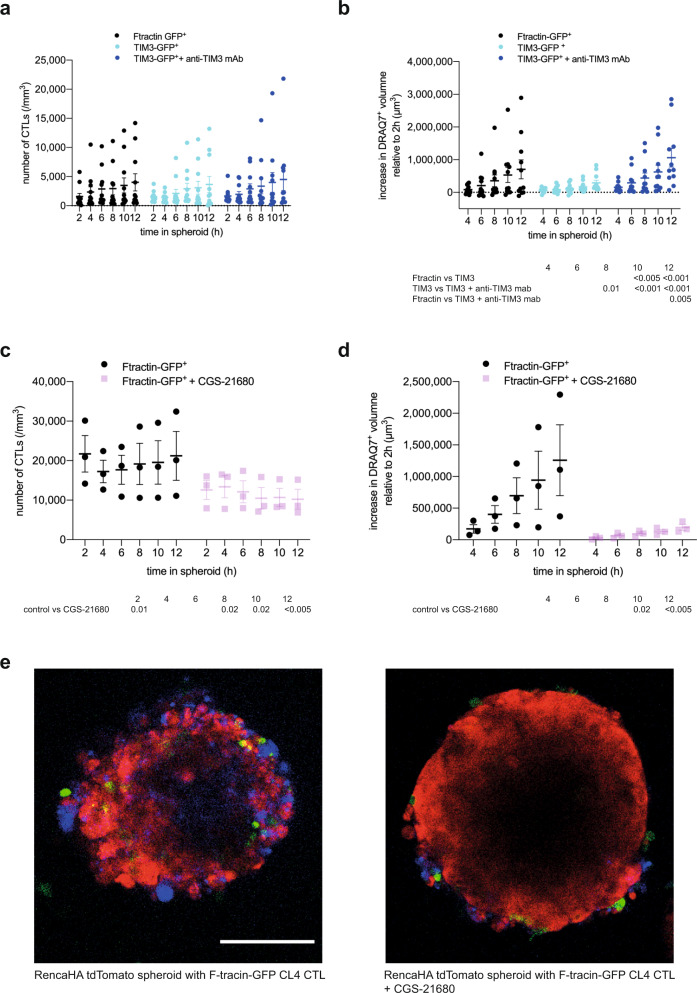
Tumors generate an immune-suppressive environment that prevents effective killing of tumor cells by CD8 cytotoxic T cells (CTL). It remains largely unclear upon which cell type and at which stage of the anti-tumor response mediators of suppression act. We have combined an in vivo tumor model with a matching in vitro reconstruction of the tumor microenvironment based on tumor spheroids to identify suppressors of anti-tumor immunity that directly act on interaction between CTL and tumor cells and to determine mechanisms of action. An adenosine 2A receptor antagonist, as enhanced by blockade of TIM3, slowed tumor growth in vivo. Engagement of the adenosine 2A receptor and TIM3 reduced tumor cell killing in spheroids, impaired CTL cytoskeletal polarization ex vivo and in vitro and inhibited CTL infiltration into tumors and spheroids. With this role in CTL killing, blocking AR and TIM3 may complement therapies that enhance T cell priming, e.g. anti-PD-1 and anti-CTLA-4.
肿瘤会产生免疫抑制环境,从而阻止 CD8 细胞毒性 T 细胞(CTL)有效杀伤肿瘤细胞。目前尚不清楚抑制肿瘤免疫的介质作用于哪种细胞类型以及在抗肿瘤反应的哪个阶段。我们结合了体内肿瘤模型和基于肿瘤球体的肿瘤微环境体外重建,以鉴定直接作用于 CTL 与肿瘤细胞相互作用的抗肿瘤免疫抑制因子,并确定其作用机制。一种腺苷 2A 受体拮抗剂,通过阻断 TIM3 得到增强,可减缓体内肿瘤生长。激活腺苷 2A 受体和 TIM3 会降低球体中肿瘤细胞的杀伤能力,损害 CTL 细胞骨架的体外和体外极化,并抑制 CTL 浸润肿瘤和球体。在 CTL 杀伤中发挥这一作用,阻断 AR 和 TIM3 可能会补充增强 T 细胞初始激活的治疗方法,例如抗 PD-1 和抗 CTLA-4。