Department of Neurology, Evergrande Center for Immunologic Diseases and Ann Romney Center for Neurologic Diseases, Brigham and Women's Hospital, Boston, Massachusetts, USA.
Harvard Medical School, Boston, Massachusetts, USA.
J Immunother Cancer. 2020 Jun;8(1). doi: 10.1136/jitc-2020-000911.
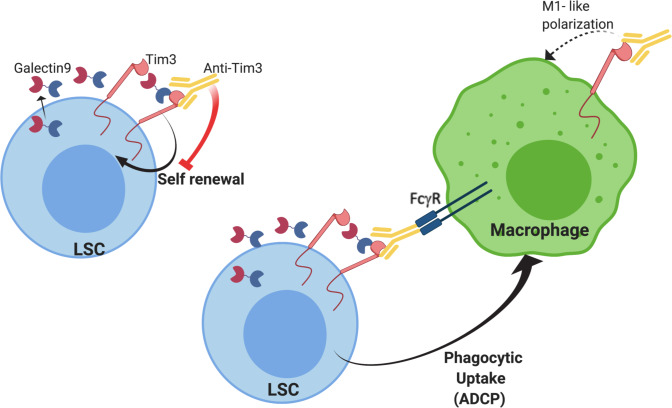
The blockade of immune checkpoint receptors has made great strides in the treatment of major cancers, including melanoma, Hodgkin's lymphoma, renal, and lung cancer. However, the success rate of immune checkpoint blockade is still low and some cancers, such as microsatellite-stable colorectal cancer, remain refractory to these treatments. This has prompted investigation into additional checkpoint receptors. T-cell immunoglobulin and mucin domain 3 (Tim-3) is a checkpoint receptor expressed by a wide variety of immune cells as well as leukemic stem cells. Coblockade of Tim-3 and PD-1 can result in reduced tumor progression in preclinical models and can improve antitumor T-cell responses in cancer patients. In this review, we will discuss the basic biology of Tim-3, its role in the tumor microenvironment, and the emerging clinical trial data that point to its future application in the field of immune-oncology.
免疫检查点受体的阻断在包括黑色素瘤、霍奇金淋巴瘤、肾和肺癌在内的主要癌症的治疗中取得了重大进展。然而,免疫检查点阻断的成功率仍然较低,一些癌症,如微卫星稳定的结直肠癌,仍然对这些治疗方法有抗性。这促使人们研究其他的检查点受体。T 细胞免疫球蛋白和粘蛋白结构域 3(Tim-3)是一种由多种免疫细胞以及白血病干细胞表达的检查点受体。Tim-3 和 PD-1 的共阻断可导致临床前模型中肿瘤进展减少,并可改善癌症患者的抗肿瘤 T 细胞反应。在这篇综述中,我们将讨论 Tim-3 的基本生物学特性、它在肿瘤微环境中的作用,以及指向其在免疫肿瘤学领域未来应用的新兴临床试验数据。