Dong Taiwei, Li Min, Gao Feng, Wei Peifeng, Wang Jian
College of Pharmacy, Shaanxi University of Chinese Medicine, Xianyang, Shaanxi Province, China.
College of Pharmacy, Chengdu University of Traditional Chinese Medicine, Chengdu, Sichuan Provinve, China.
Neural Regen Res. 2022 Aug;17(8):1685-1694. doi: 10.4103/1673-5374.332131.
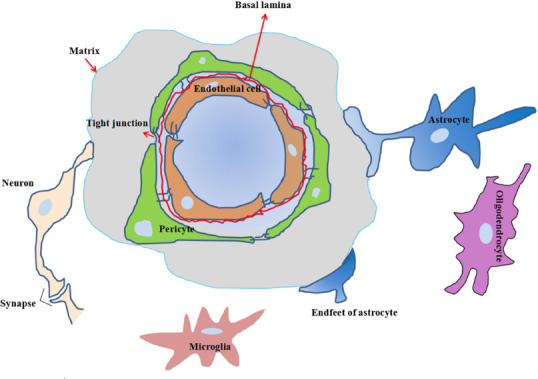
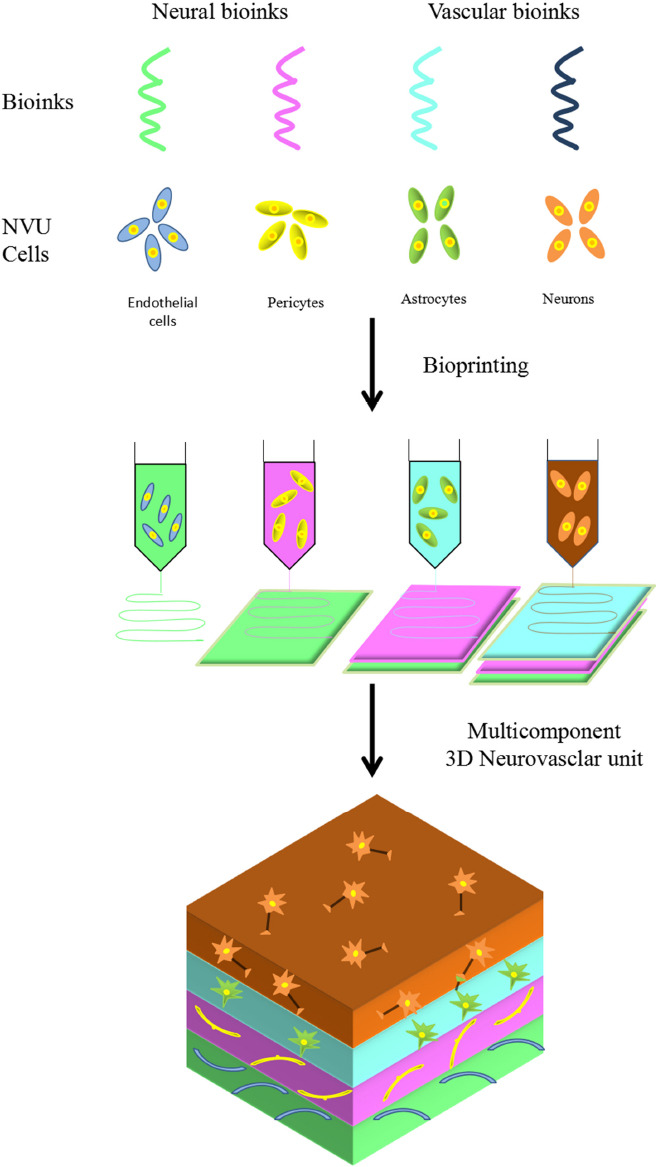
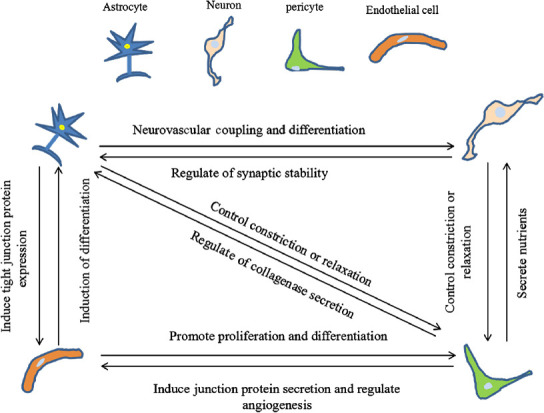
In 2001, the concept of the neurovascular unit was introduced at the Stroke Progress Review Group meeting. The neurovascular unit is an important element of the health and disease status of blood vessels and nerves in the central nervous system. Since then, the neurovascular unit has attracted increasing interest from research teams, who have contributed greatly to the prevention, treatment, and prognosis of stroke and neurodegenerative diseases. However, additional research is needed to establish an efficient, low-cost, and low-energy in vitro model of the neurovascular unit, as well as enable noninvasive observation of neurovascular units in vivo and in vitro. In this review, we first summarize the composition of neurovascular units, then investigate the efficacy of different types of stem cells and cell culture methods in the construction of neurovascular unit models, and finally assess the progress of imaging methods used to observe neurovascular units in recent years and their positive role in the monitoring and investigation of the mechanisms of a variety of central nervous system diseases.
2001年,神经血管单元的概念在中风进展审查小组会议上被提出。神经血管单元是中枢神经系统中血管和神经健康及疾病状态的重要组成部分。从那时起,神经血管单元就吸引了越来越多研究团队的关注,他们为中风和神经退行性疾病的预防、治疗及预后做出了巨大贡献。然而,仍需要进一步研究来建立一个高效、低成本且低能耗的神经血管单元体外模型,并实现对体内和体外神经血管单元的无创观察。在这篇综述中,我们首先总结神经血管单元的组成,然后研究不同类型干细胞及细胞培养方法在构建神经血管单元模型中的功效,最后评估近年来用于观察神经血管单元的成像方法的进展及其在监测和研究各种中枢神经系统疾病机制方面的积极作用。