School of Life Sciences, Tokyo University of Pharmacy and Life Sciences, Horinouchi 1432-1, Hachioji, Tokyo, 192-0392, Japan.
Commun Biol. 2022 Jan 11;5(1):19. doi: 10.1038/s42003-021-02927-z.
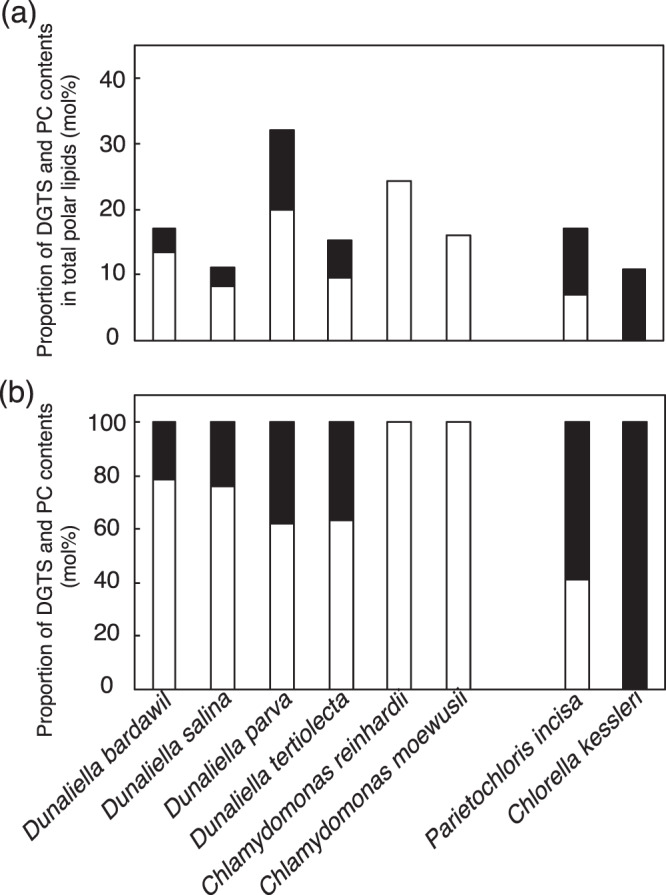
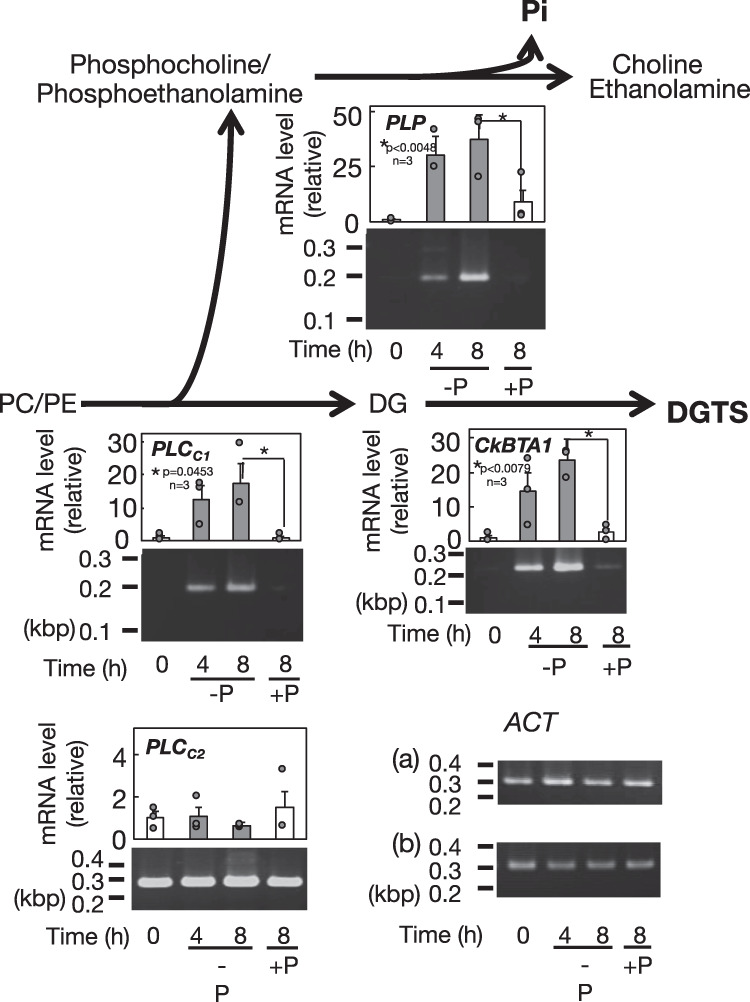
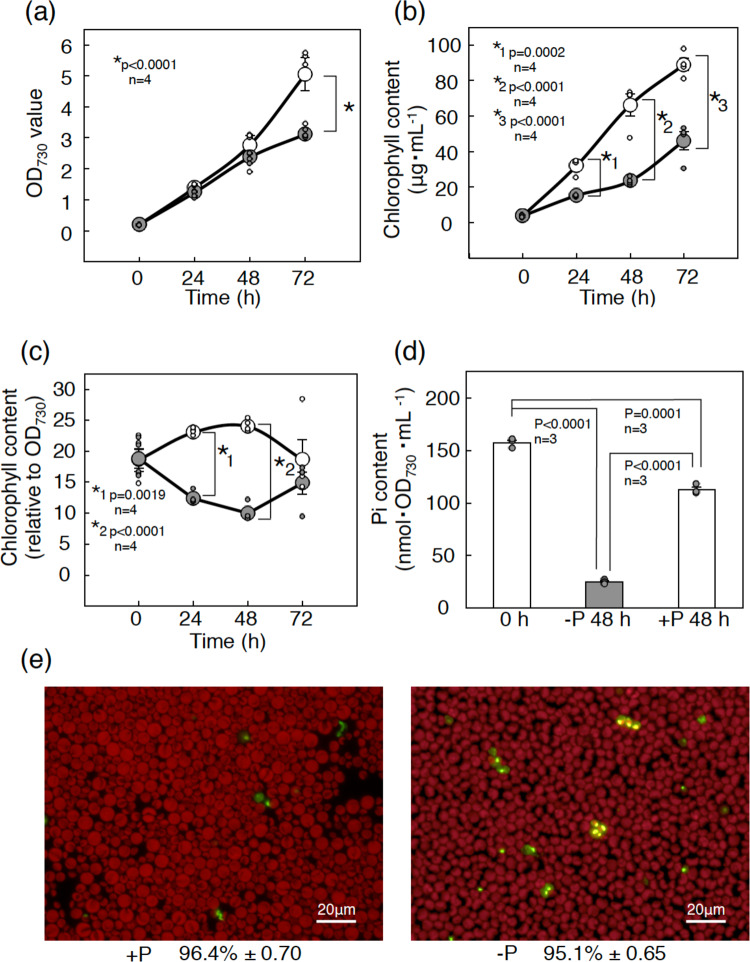
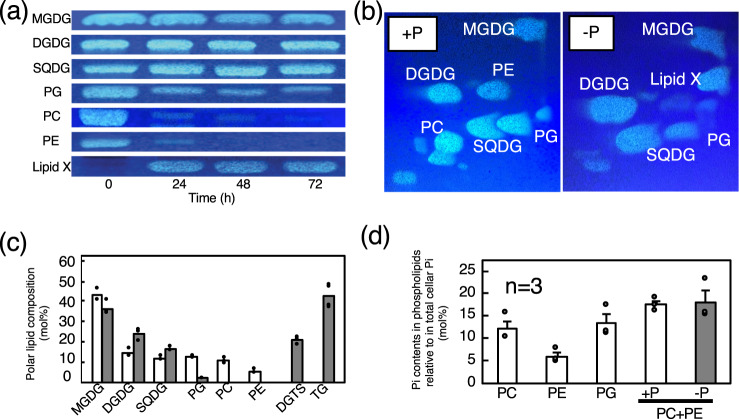
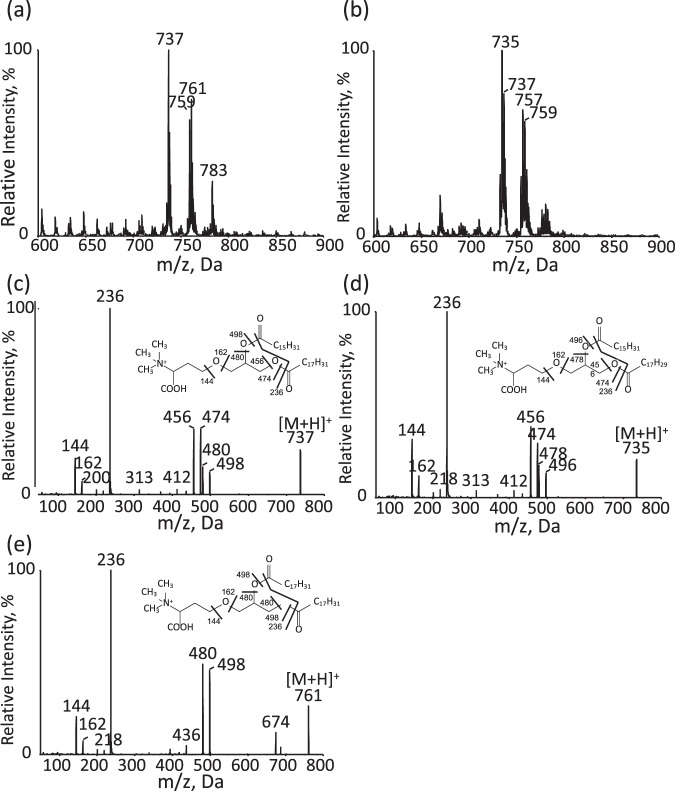
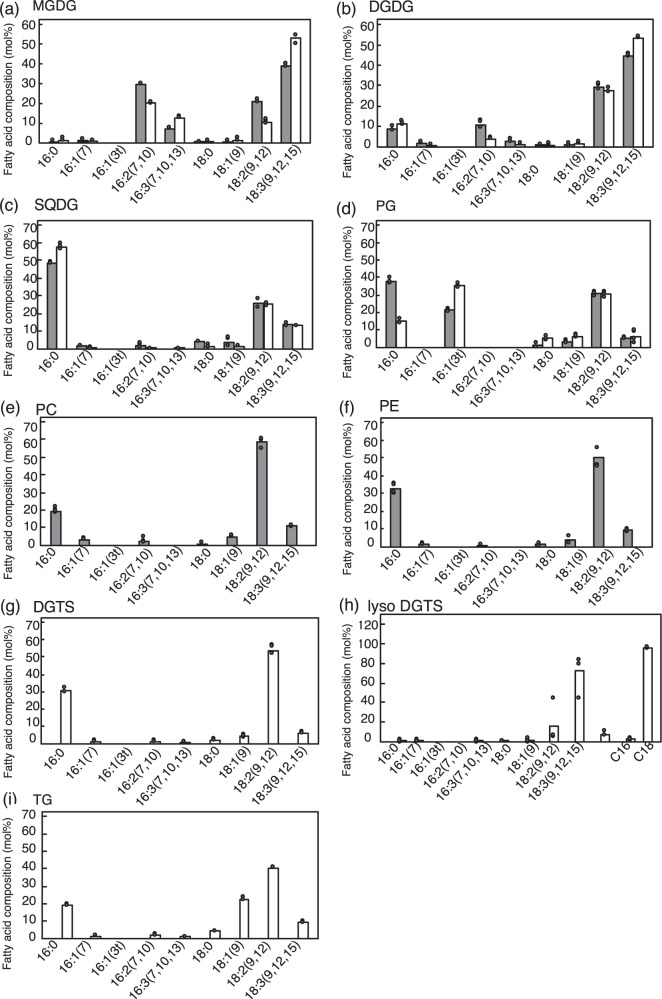
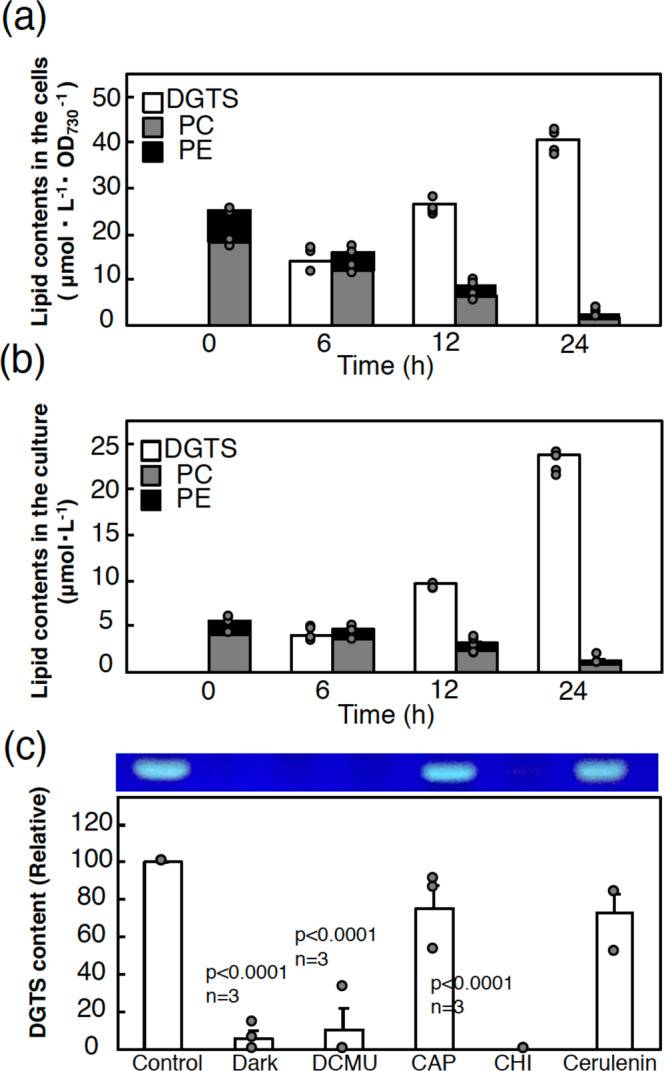
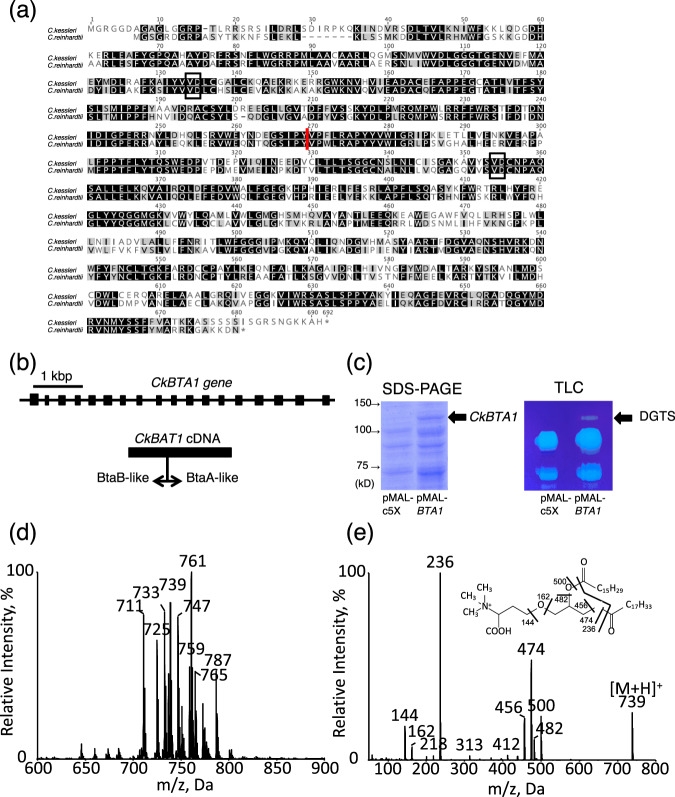
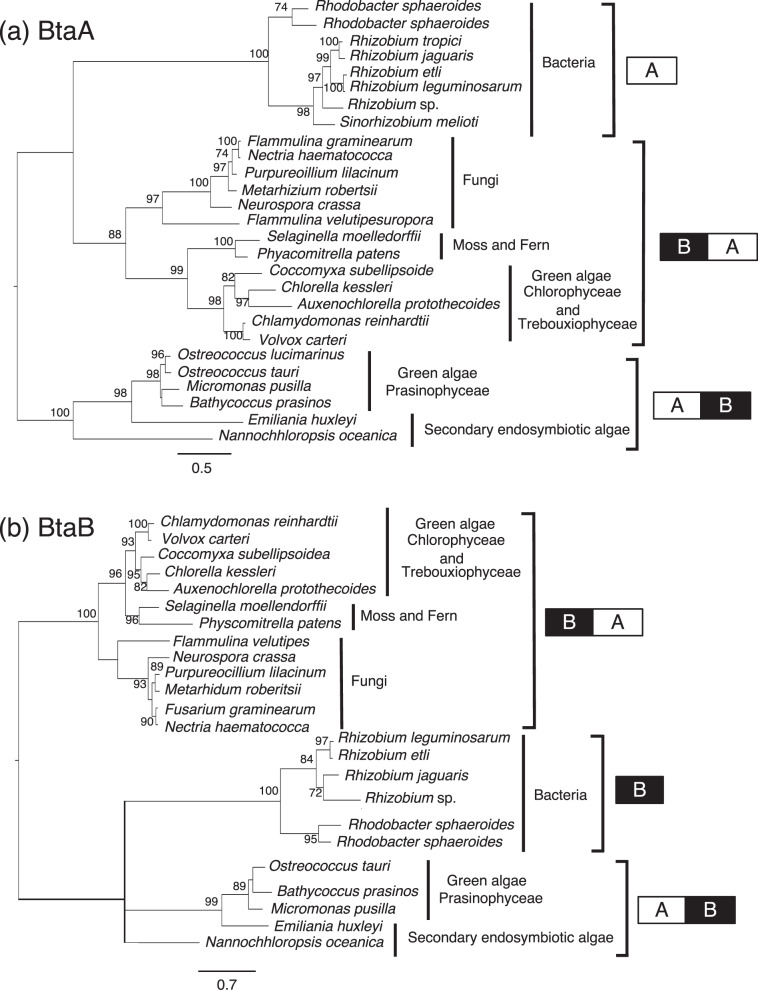
Membrane lipid remodeling contributes to the environmental acclimation of plants. In the green lineage, a betaine lipid, diacylglyceryl-N,N,N-trimethylhomoserine (DGTS), is included exclusively among green algae and nonflowering plants. Here, we show that the green alga Chlorella kessleri synthesizes DGTS under phosphorus-deficient conditions through the eukaryotic pathway via the ER. Simultaneously, phosphatidylcholine and phosphatidylethanolamine, which are similar to DGTS in their zwitterionic properties, are almost completely degraded to release 18.1% cellular phosphorus, and to provide diacylglycerol moieties for a part of DGTS synthesis. This lipid remodeling system that substitutes DGTS for extrachloroplast phospholipids to lower the P-quota operates through the expression induction of the BTA1 gene. Investigation of this lipid remodeling system is necessary in a wide range of lower green plants for a comprehensive understanding of their phosphorus deficiency acclimation strategies.
膜脂重塑有助于植物适应环境。在绿色生物界中,一种甜菜碱脂,即二酰基甘油-N,N,N-三甲基高丝氨酸(DGTS),仅存在于绿藻和非开花植物中。在这里,我们发现绿藻小球藻在磷饥饿条件下通过内质网经真核途径合成 DGTS。同时,类似于 DGTS 的两性离子性质的磷脂酰胆碱和磷脂酰乙醇胺几乎完全降解,以释放 18.1%的细胞磷,并为 DGTS 合成的一部分提供二酰基甘油部分。这种用 DGTS 替代叶绿体外磷脂的脂质重塑系统,通过 BTA1 基因的表达诱导来降低磷配额。为了全面了解它们对磷缺乏的适应策略,对这一脂质重塑系统的研究有必要在广泛的低等绿色植物中进行。