Department of Medical Biochemistry and Microbiology, Science for Life Laboratory, Uppsala University, Biomedical Center, Box 582, 75123, Uppsala, Sweden.
Department of Immunology, Genetics and Pathology, Rudbeck Laboratory, Uppsala University, 75185, Uppsala, Sweden.
Cancer Immunol Immunother. 2022 Aug;71(8):2029-2040. doi: 10.1007/s00262-021-03139-4. Epub 2022 Jan 11.
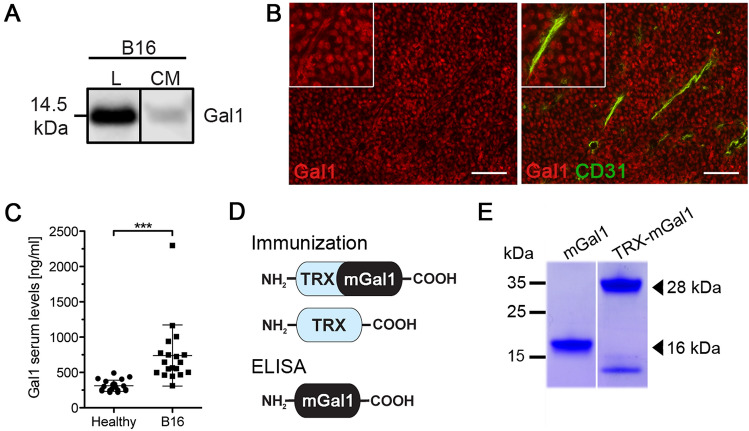
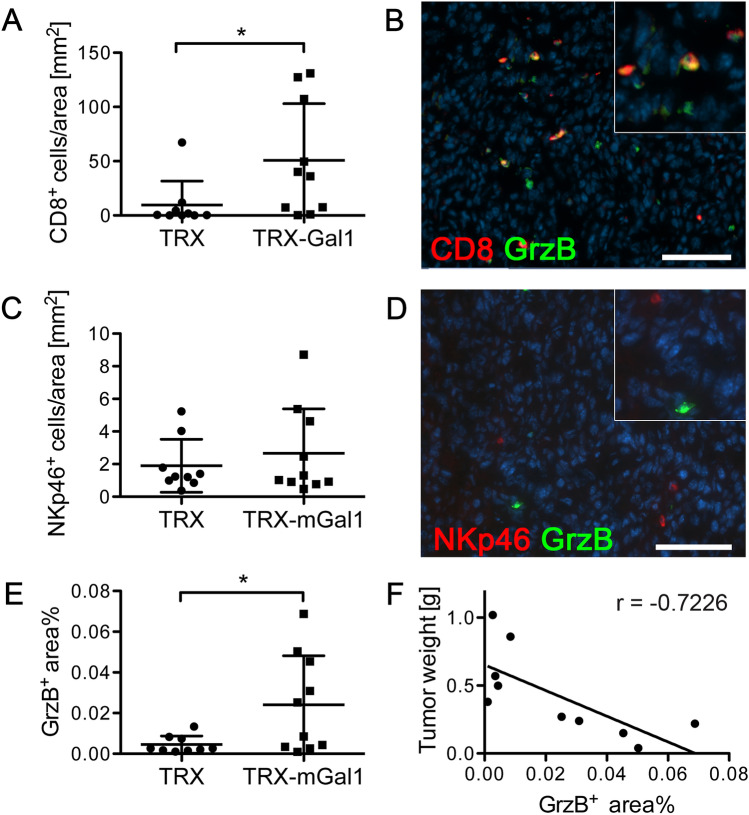
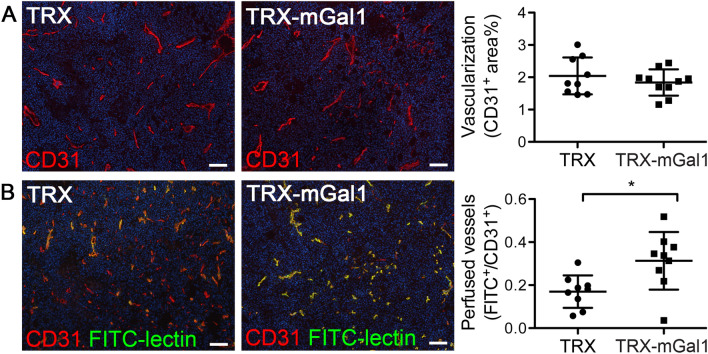
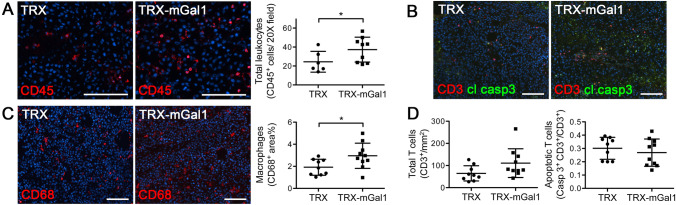
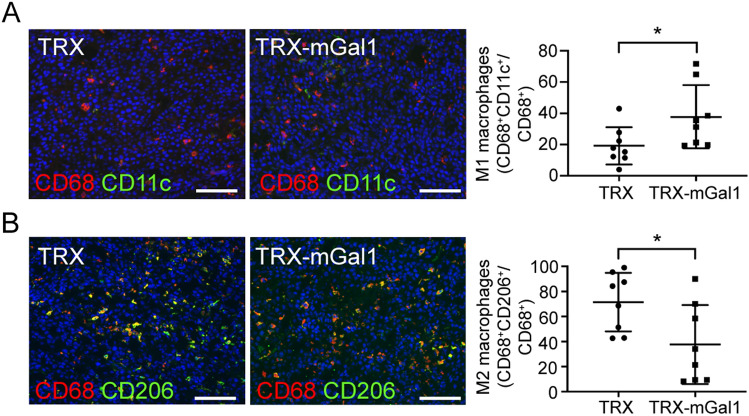
Galectin-1 (Gal1) is a glycan-binding protein that promotes tumor progression by several distinct mechanisms. Through direct binding to vascular endothelial growth factor (VEGF)-receptor 2, Gal1 is able to induce VEGF-like signaling, which contributes to tumor angiogenesis. Furthermore, several studies have demonstrated an immunosuppressive function of Gal1 through effects on both effector and regulatory T cells. Elevated Gal1 expression and secretion have been shown in many tumor types, and high Gal1 serum levels have been connected to poor prognosis in cancer patients. These findings suggest that therapeutic strategies directed against Gal1 would enable simultaneous targeting of angiogenesis, immune evasion and metastasis. In the current study, we have analyzed the potential of Gal1 as a cancer vaccine target. We show that it is possible to generate high anti-Gal1 antibody levels in mice immunized with a recombinant vaccine protein consisting of bacterial sequences fused to Gal1. Growth of Gal1 expressing melanomas was significantly impaired in the immunized mice compared to the control group. This was associated with improved perfusion of the tumor vasculature, as well as increased infiltration of macrophages and cytotoxic T cells (CTLs). The level of granzyme B, mainly originating from CTLs in our model, was significantly elevated in Gal1 vaccinated mice and correlated with a decrease in tumor burden. We conclude that vaccination against Gal1 is a promising pro-immunogenic approach for cancer therapy that could potentially enhance the effect of other immunotherapeutic strategies due to its ability to promote CTL influx in tumors.
半乳糖凝集素 1(Gal1)是一种糖结合蛋白,通过几种不同的机制促进肿瘤进展。通过与血管内皮生长因子(VEGF)受体 2 的直接结合,Gal1 能够诱导 VEGF 样信号转导,从而促进肿瘤血管生成。此外,几项研究表明 Gal1 通过对效应 T 细胞和调节性 T 细胞的影响具有免疫抑制功能。许多肿瘤类型中都有 Gal1 的高表达和分泌,Gal1 血清水平升高与癌症患者的预后不良有关。这些发现表明,针对 Gal1 的治疗策略将能够同时靶向血管生成、免疫逃逸和转移。在本研究中,我们分析了 Gal1 作为癌症疫苗靶点的潜力。我们表明,用由细菌序列与 Gal1 融合而成的重组疫苗蛋白免疫小鼠可以产生高水平的抗 Gal1 抗体。与对照组相比,用 Gal1 表达的黑色素瘤免疫的小鼠的肿瘤生长明显受到抑制。这与肿瘤血管灌注的改善以及巨噬细胞和细胞毒性 T 细胞(CTL)的浸润增加有关。在 Gal1 接种的小鼠中,颗粒酶 B 的水平显著升高,在我们的模型中主要来自 CTL,与肿瘤负担的减少相关。我们得出结论,针对 Gal1 的疫苗接种是一种很有前途的癌症免疫治疗方法,由于其能够促进 CTL 流入肿瘤,因此有可能增强其他免疫治疗策略的效果。