Institute for Immunology, Tsinghua University, Beijing, 100084, China.
Department of Basic Medical Sciences, School of Medicine, Tsinghua University, Beijing, 100084, China.
Adv Sci (Weinh). 2022 Feb;9(6):e2103303. doi: 10.1002/advs.202103303. Epub 2022 Jan 12.
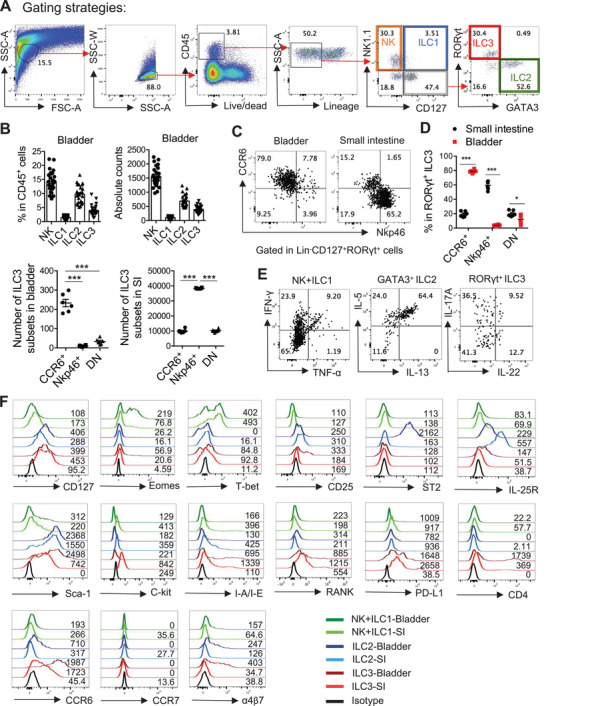
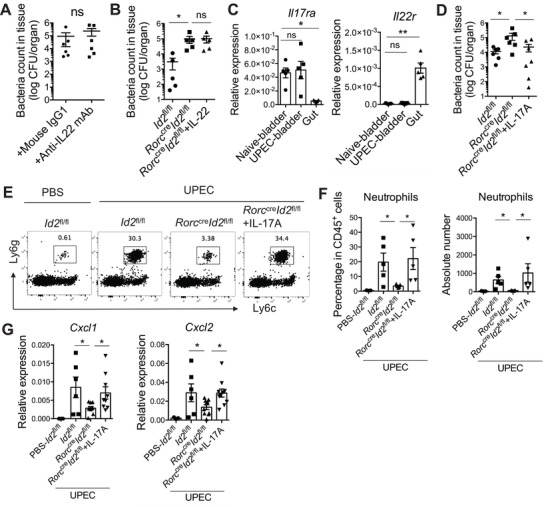
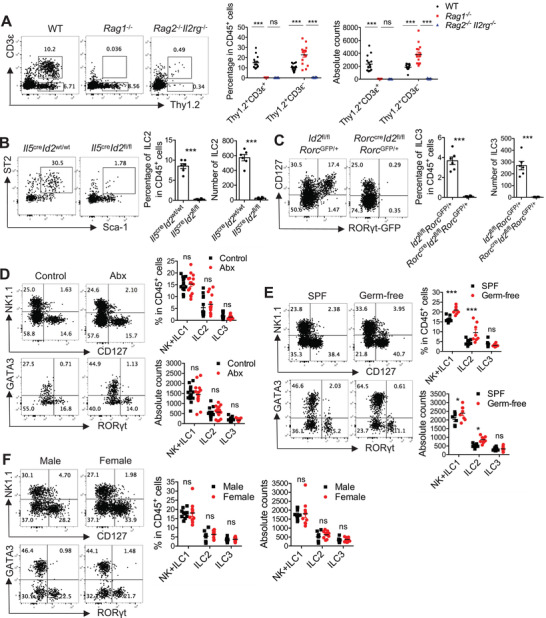
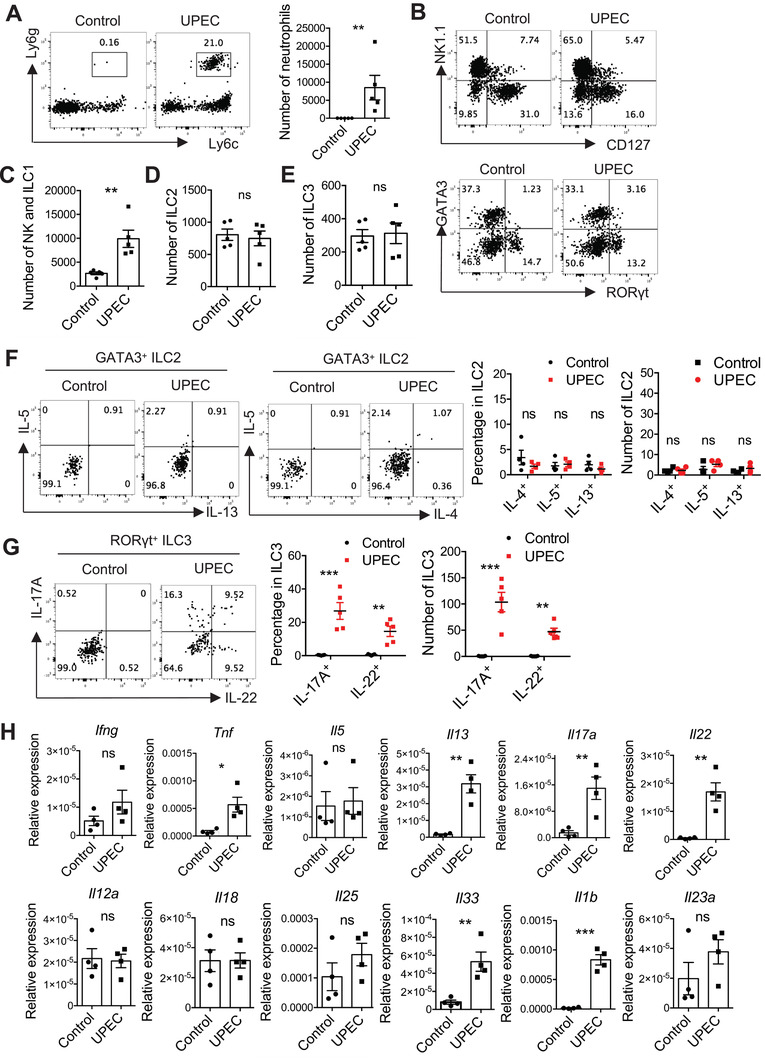
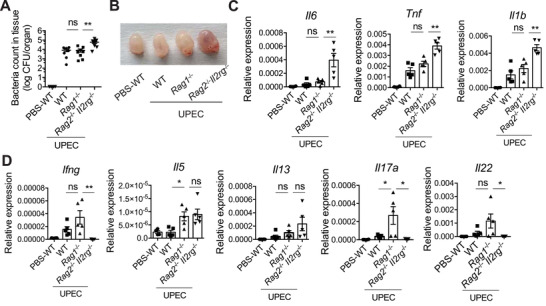
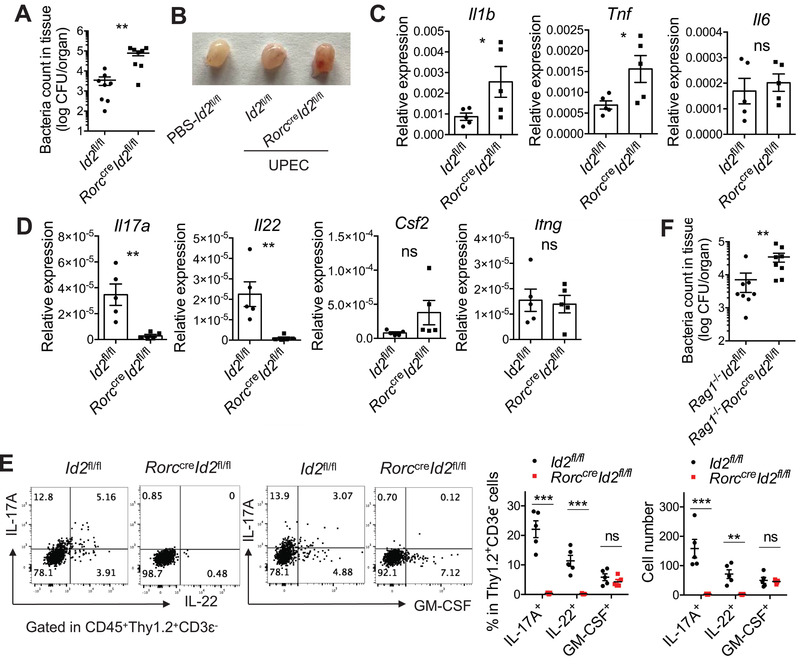
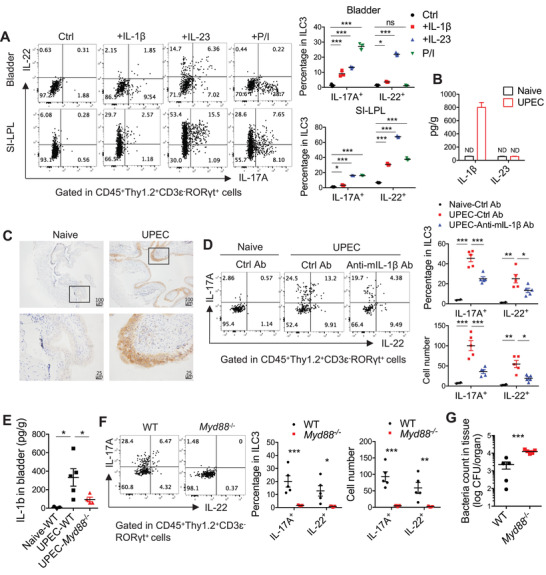
Innate lymphoid cells (ILCs) are crucial in orchestrating immunity and maintaining tissue homeostasis in various barrier tissues, but whether ILCs influence immune responses in the urinary tract remains poorly understood. Here, bladder-resident ILCs are comprehensively explored and identified their unique phenotypic and developmental characteristics. Notably, bladder-resident ILCs rapidly respond to uropathogenic Escherichia coli (UPEC) infection. It is found that ILC3 is necessary for early protection against UPEC infection in the bladder. Mechanistically, UPEC infection leads to interleukin (IL)-1β production in the bladder via a MyD88-dependent pathway, which promotes ILC3 activation. ILC3-expressed IL-17A further recruits neutrophils and controls UPEC infection in the bladder. Together, these results demonstrate a critical role for bladder ILCs in the host defense against UPEC infection.
先天淋巴细胞(ILCs)在各种屏障组织中对协调免疫和维持组织内稳态至关重要,但 ILCs 是否会影响泌尿道的免疫反应仍知之甚少。在这里,全面探索了膀胱驻留的 ILCs,并确定了它们独特的表型和发育特征。值得注意的是,膀胱驻留的 ILCs 可以快速响应尿路致病性大肠杆菌(UPEC)感染。研究发现,ILC3 对于早期保护膀胱免受 UPEC 感染是必需的。其机制为,UPEC 感染通过 MyD88 依赖性途径在膀胱中产生白细胞介素(IL)-1β,从而促进 ILC3 的激活。ILC3 表达的 IL-17A 进一步招募中性粒细胞,并控制膀胱中的 UPEC 感染。总之,这些结果表明膀胱 ILCs 在宿主防御 UPEC 感染方面起着关键作用。