Sterken Britt A, Ackermann Tobias, Müller Christine, Zuidhof Hidde R, Kortman Gertrud, Hernandez-Segura Alejandra, Broekhuis Mathilde, Spierings Diana, Guryev Victor, Calkhoven Cornelis F
European Research Institute for the Biology of Ageing (ERIBA), University Medical Center Groningen, University of Groningen, Antonius Deusinglaan 1, Groningen, 9700, AD, The Netherlands.
iPSC CRISPR facility, University Medical Center Groningen, Groningen, The Netherlands.
NPJ Breast Cancer. 2022 Jan 18;8(1):11. doi: 10.1038/s41523-021-00372-z.
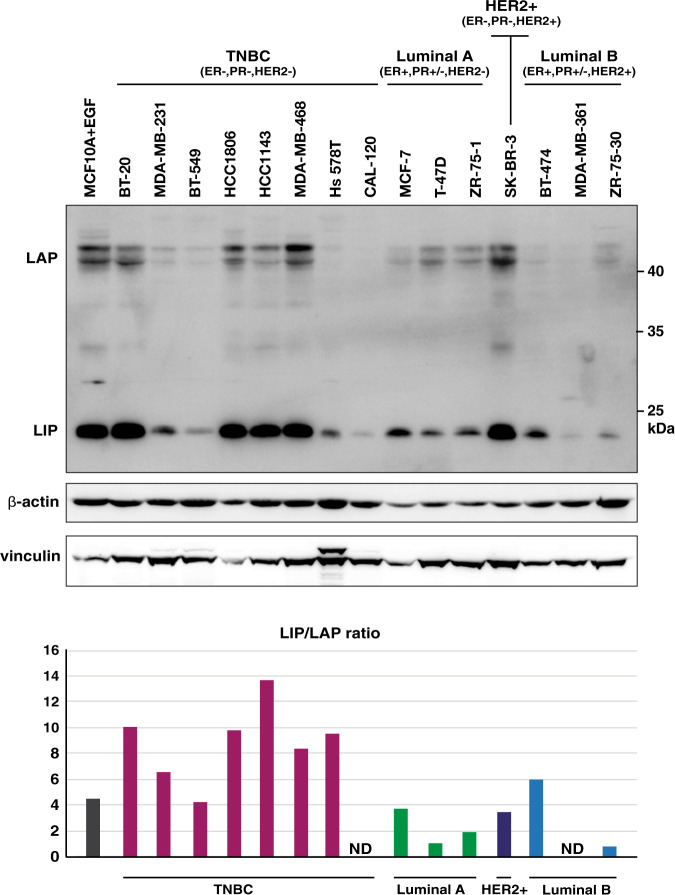
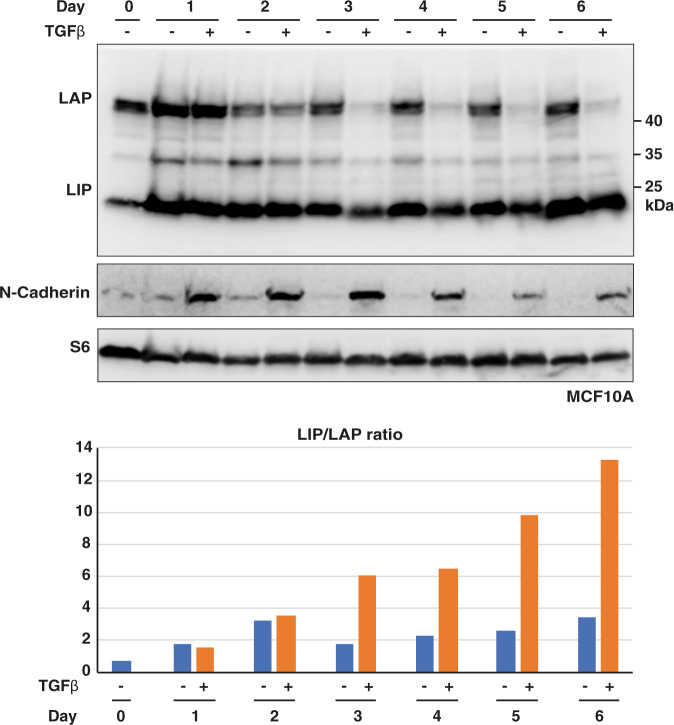
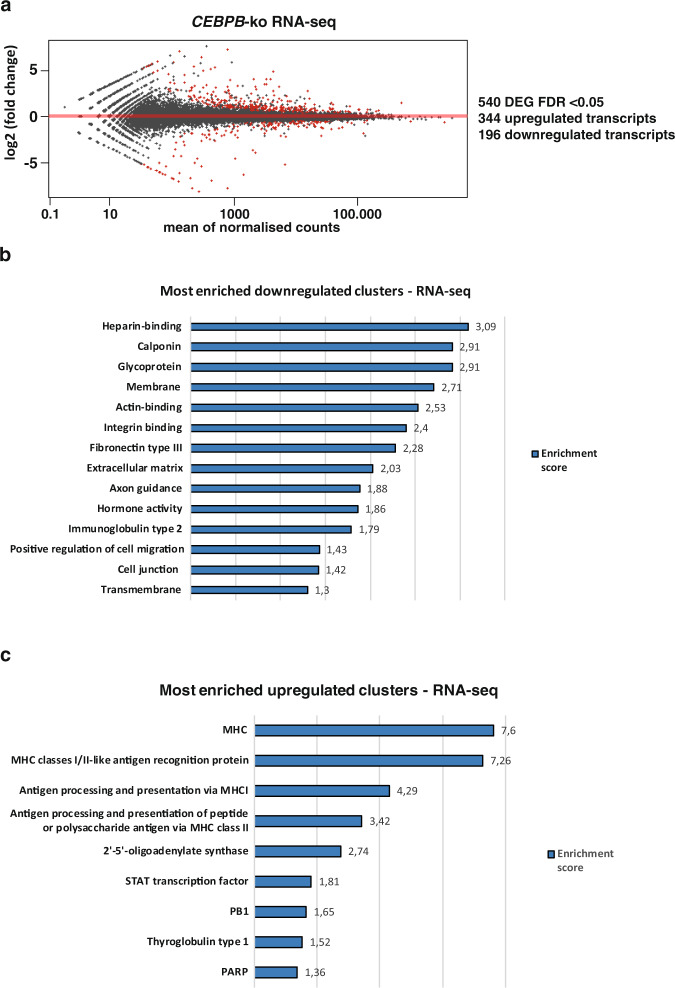
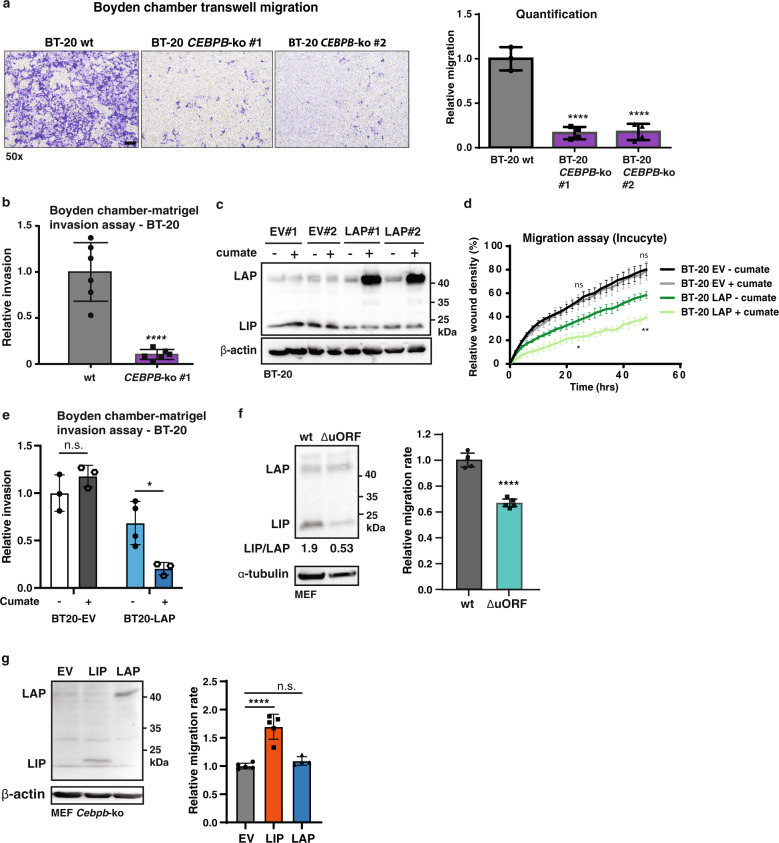
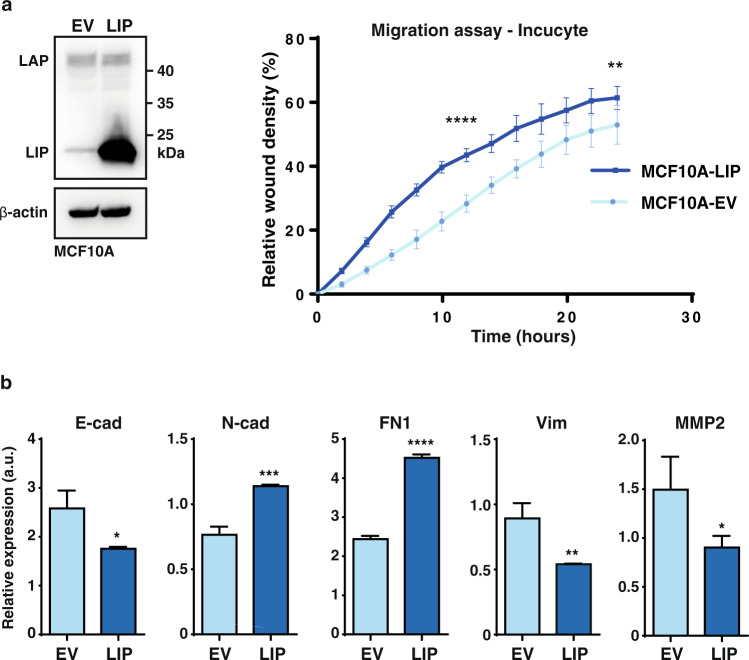
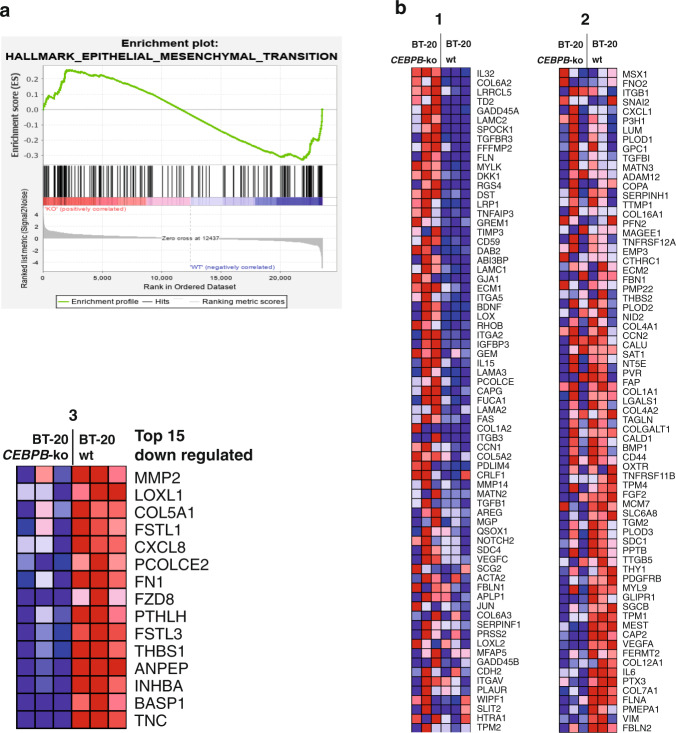
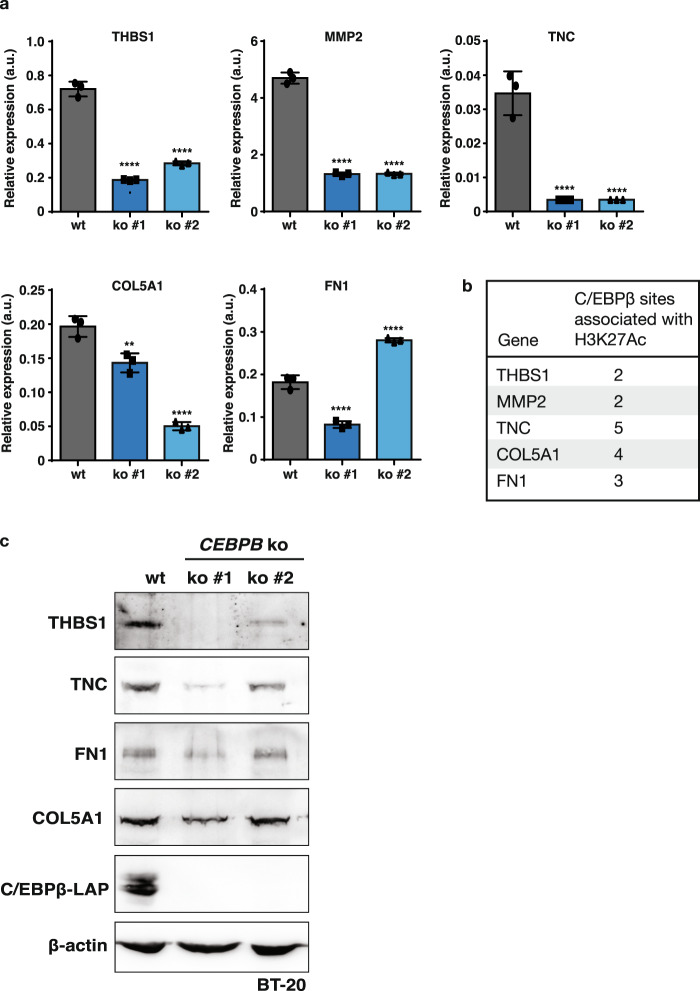
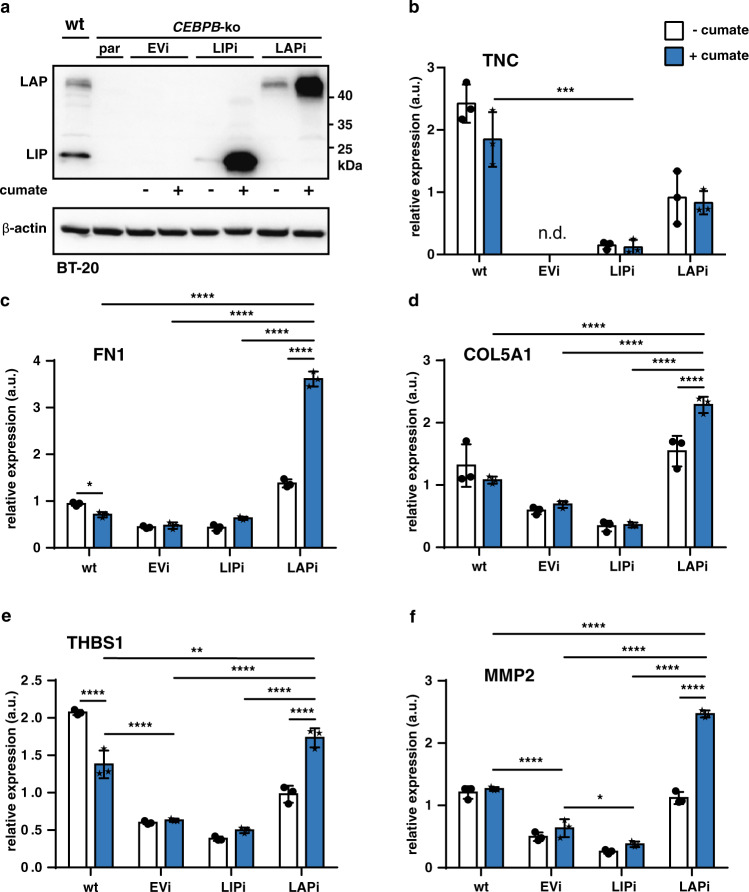
The transcription factor C/EBPβ is a master regulator of mammary gland development and tissue remodelling during lactation. The CEBPB-mRNA is translated into three distinct protein isoforms named C/EBPβ-LAP1, -LAP2 and -LIP that are functionally different. The smaller isoform LIP lacks the N-terminal transactivation domains and is considered to act as an inhibitor of the transactivating LAP1/2 isoforms by competitive binding for the same DNA recognition sequences. Aberrantly high expression of LIP is associated with mammary epithelial proliferation and is found in grade III, estrogen receptor (ER) and progesterone (PR) receptor-negative human breast cancer. Here, we show that reverting the high LIP/LAP ratios in triple-negative breast cancer (TNBC) cell lines into low LIP/LAP ratios by overexpression of LAP reduces migration and matrix invasion of these TNBC cells. In addition, in untransformed MCF10A human mammary epithelial cells overexpression of LIP stimulates migration. Knockout of CEBPB in TNBC cells where LIP expression prevails, resulted in strongly reduced migration that was accompanied by a downregulation of genes involved in cell migration, extracellular matrix production and cytoskeletal remodelling, many of which are epithelial to mesenchymal transition (EMT) marker genes. Together, this study suggests that the LIP/LAP ratio is involved in regulating breast cancer cell migration and invasion. This study together with studies from others shows that understanding the functions the C/EBPβ-isoforms in breast cancer development may reveal new avenues of treatment.
转录因子C/EBPβ是哺乳期乳腺发育和组织重塑的主要调节因子。CEBPB - mRNA可翻译为三种功能不同的独特蛋白质异构体,分别命名为C/EBPβ - LAP1、-LAP2和-LIP。较小的异构体LIP缺乏N端反式激活结构域,被认为通过竞争性结合相同的DNA识别序列而作为反式激活LAP1/2异构体的抑制剂。LIP的异常高表达与乳腺上皮细胞增殖相关,且在III级雌激素受体(ER)和孕激素(PR)受体阴性的人类乳腺癌中发现。在此,我们表明,通过过表达LAP将三阴性乳腺癌(TNBC)细胞系中的高LIP/LAP比值恢复为低LIP/LAP比值,可降低这些TNBC细胞的迁移和基质侵袭。此外,在未转化的MCF10A人乳腺上皮细胞中,LIP的过表达刺激迁移。在以LIP表达为主的TNBC细胞中敲除CEBPB,导致迁移能力大幅降低,同时参与细胞迁移、细胞外基质产生和细胞骨架重塑的基因下调,其中许多是上皮-间质转化(EMT)标记基因。总之,本研究表明LIP/LAP比值参与调节乳腺癌细胞的迁移和侵袭。本研究与其他研究共同表明,了解C/EBPβ异构体在乳腺癌发展中的功能可能揭示新的治疗途径。