Guangdong Key Laboratory for New Technology Research of Vegetables, Vegetable Research Institute, Guangdong Academy of Agricultural Sciences, Guangzhou 510640, China.
Department of Plant Pathology, Faculty of Agricultural Sciences, University of the Punjab, Lahore 54000, Pakistan.
Toxins (Basel). 2022 Jan 1;14(1):24. doi: 10.3390/toxins14010024.
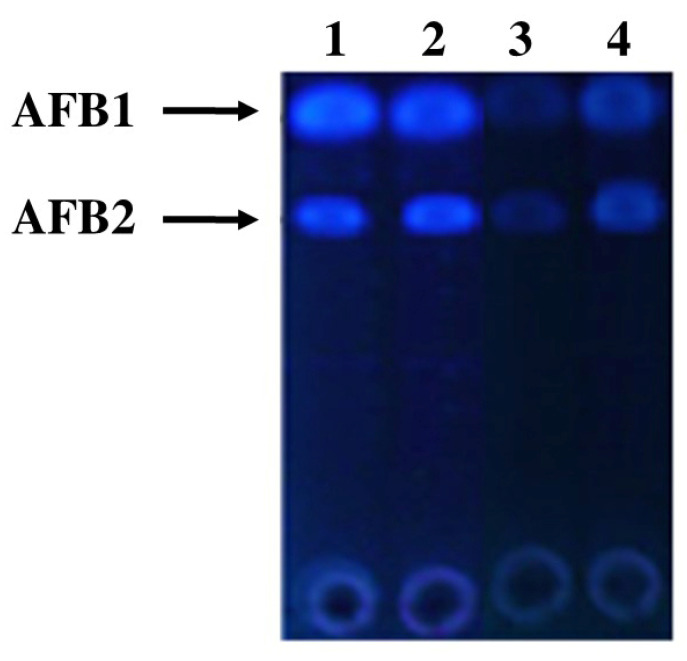
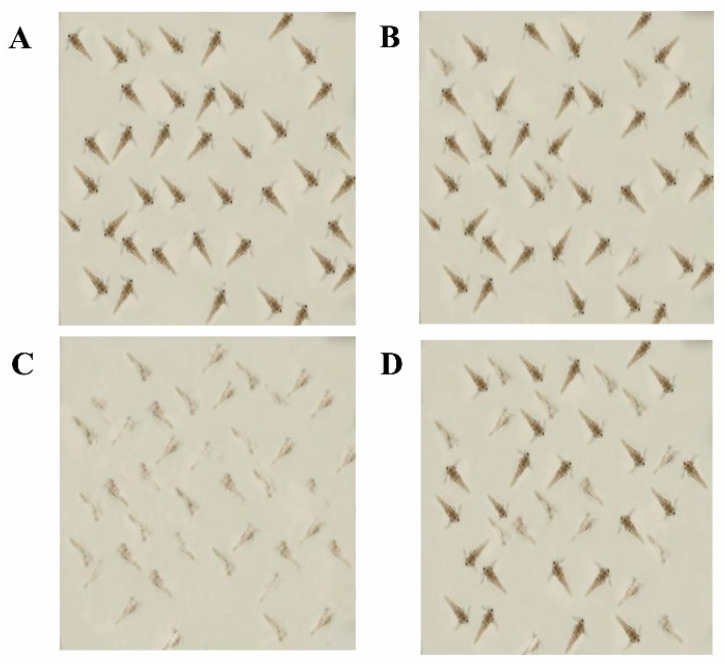
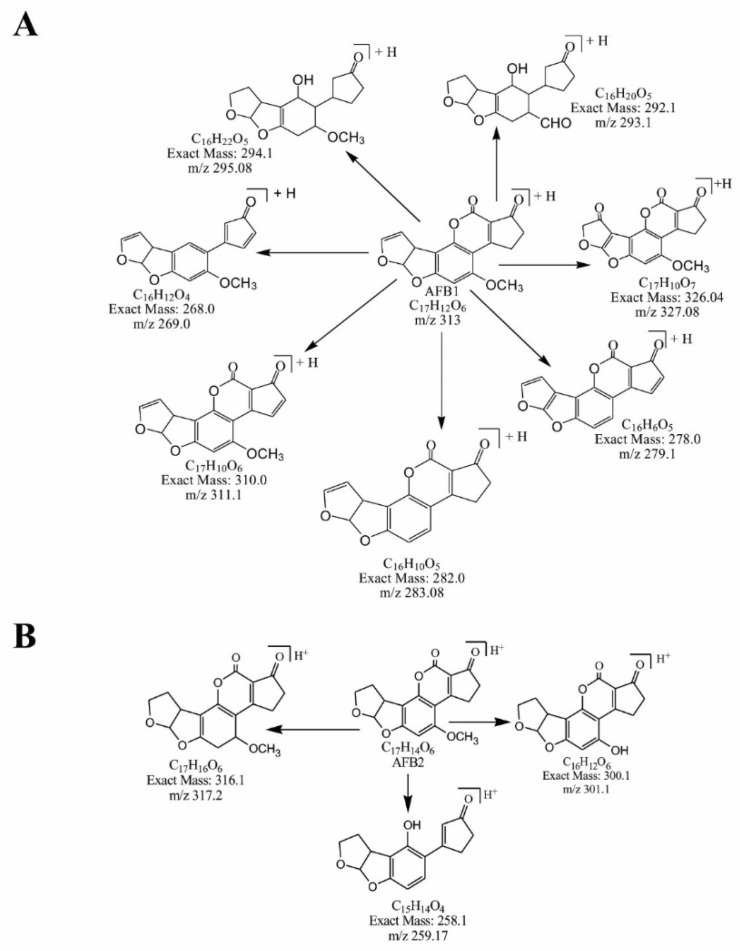
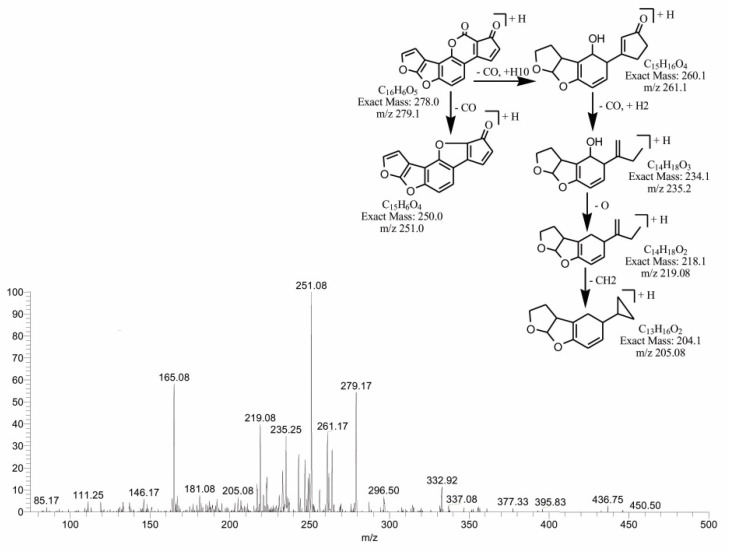
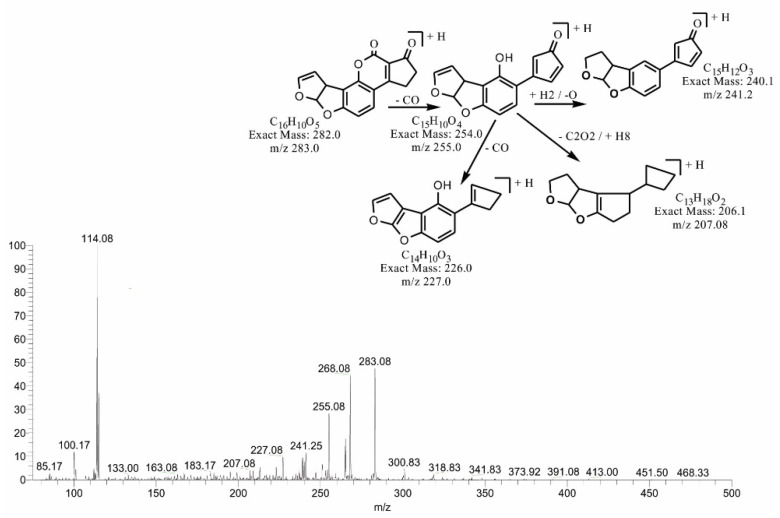
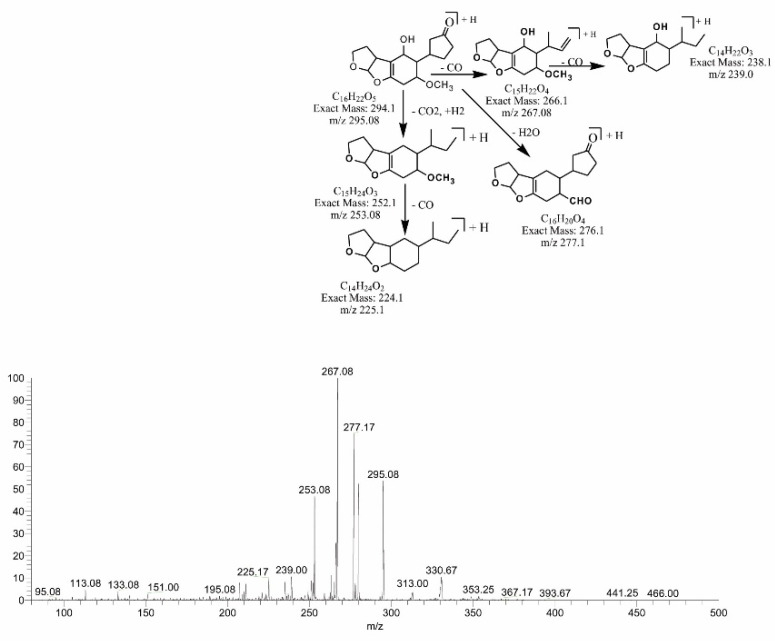
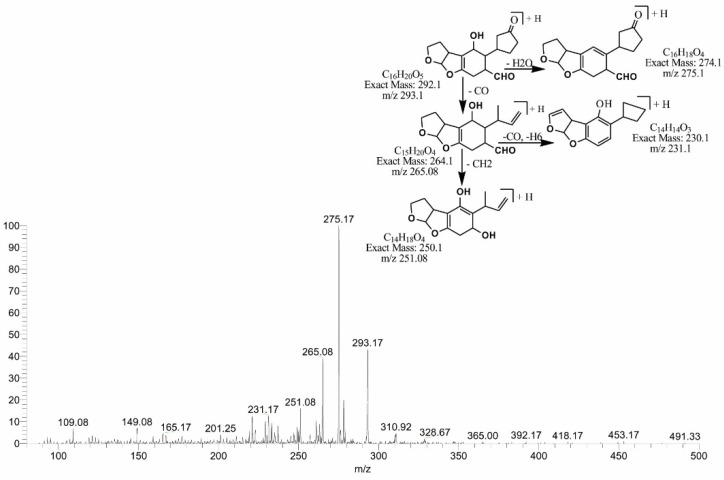
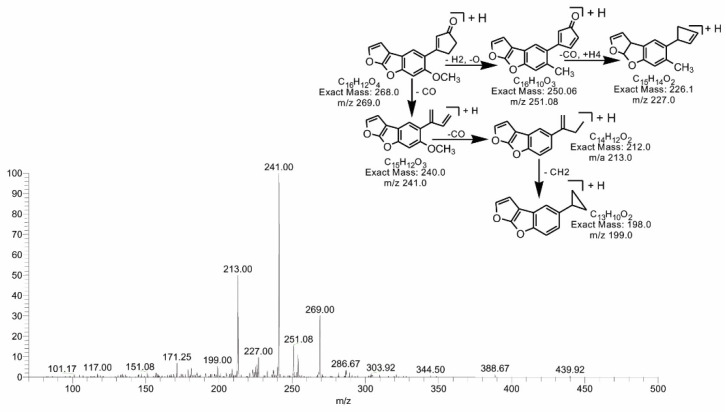
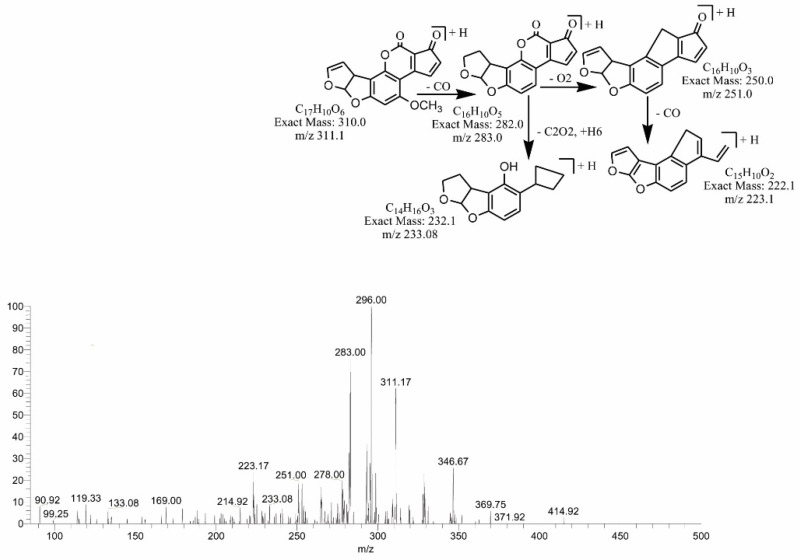
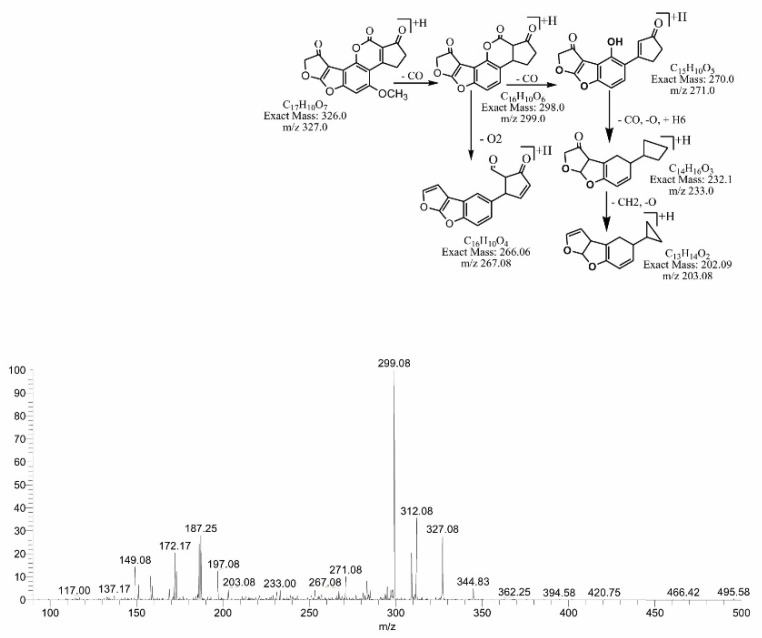
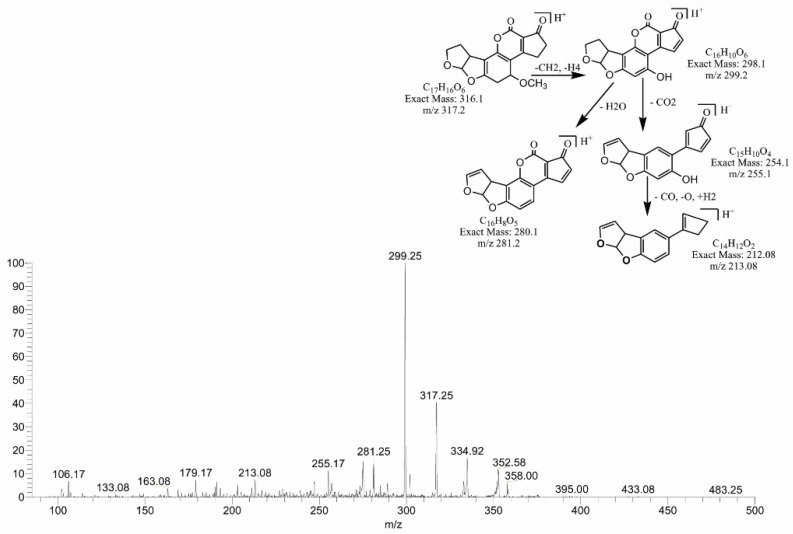
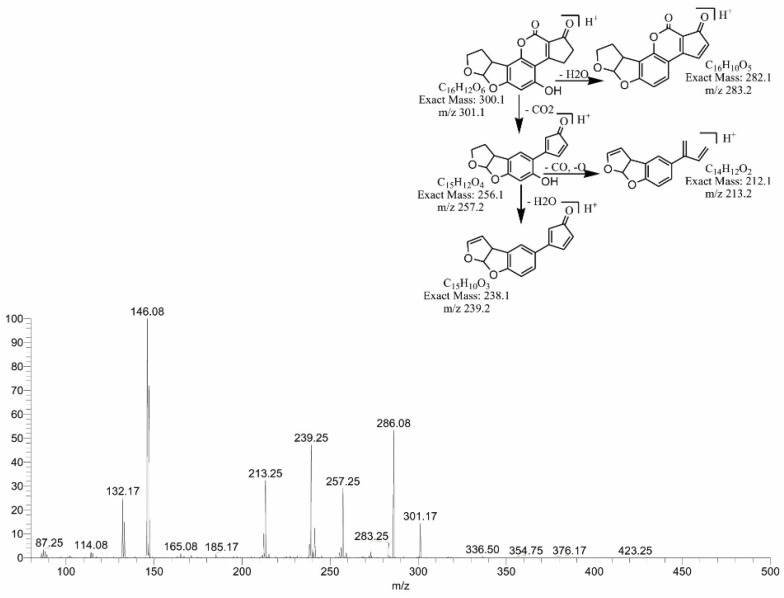
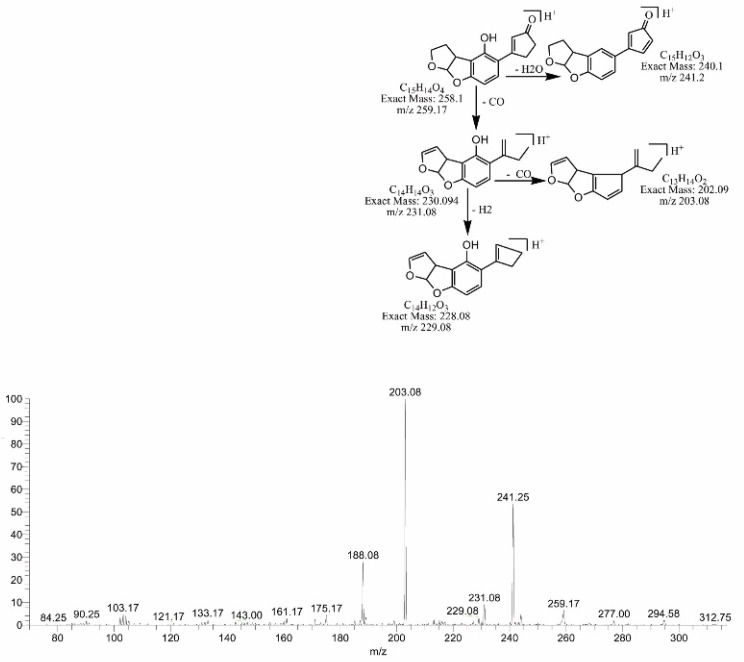
The aqueous extracts of leaves and shoots of were checked for their potential to biodegrade aflatoxin B1 and B2 (AFB1; 100 µg/L and AFB2; 50 µg/L) through in vitro assays. Overall, the results showed that leaf extract degrades aflatoxins more efficiently than the shoot extract. First, the pH, temperature and incubation time were optimized for maximum degradation by observing this activity at different temperatures between 25 and 60 °C, pH between 2 and 10 and incubation time from 3 to 72 h. In general, an increase in all these parameters significantly increased the percentage of biodegradation. In vitro trials on mature maize stock were performed under optimized conditions, i.e., pH 8, temperature 30 °C and an incubation period of 72 h. The leaf extract resulted in 75% and 80% biodegradation of AFB1 and AFB2, respectively. Whereas the shoot extract degraded both toxins up to 40-48%. The structural elucidation of degraded toxin products by LCMS/MS analysis showed seven degraded products of AFB1 and three of AFB2. MS/MS spectra showed that most of the products were formed by the loss of the methoxy group from the side chain of the benzene ring, the removal of the double bond in the terminal furan ring and the modification of the lactone group, indicating less toxicity compared to the parent compounds. The degraded products showed low toxicity against brine shrimps, confirming that leaf extract has significant potential to biodegrade aflatoxins.
采用体外试验检测了 叶片和嫩枝的水提物对黄曲霉毒素 B1(AFB1;100µg/L)和黄曲霉毒素 B2(AFB2;50µg/L)的潜在生物降解能力。总的来说,叶提取物比嫩枝提取物更有效地降解黄曲霉毒素。首先,通过在 25-60°C 之间的不同温度、2-10 之间的 pH 和 3-72 h 的孵育时间观察到这种活性,优化了 pH、温度和孵育时间,以达到最大降解。通常,所有这些参数的增加都会显著提高生物降解的百分比。在优化条件下(pH 8、温度 30°C 和孵育时间 72 h)对成熟玉米进行了体外试验。叶提取物分别导致 AFB1 和 AFB2 的生物降解率达到 75%和 80%。而嫩枝提取物则将两种毒素降解至 40-48%。通过 LCMS/MS 分析对降解毒素产物的结构进行阐明,发现 AFB1 有七个降解产物,AFB2 有三个降解产物。MS/MS 谱表明,大多数产物是通过苯环侧链上甲氧基的丢失、末端呋喃环中双键的去除以及内酯基团的修饰形成的,与母体化合物相比毒性较低。降解产物对盐水虾的毒性较低,证实 叶提取物具有显著的生物降解黄曲霉毒素的潜力。