Centro de Ciências Agrárias, Ambientais e Biológicas, Universidade Federal do Recôncavo da Bahia, Rua Rui Barbosa, Cruz das Almas, BA, Brazil.
Embrapa Mandioca e Fruticultura, Rua da Embrapa, Cruz das Almas, BA, Brazil.
PLoS One. 2022 Jan 31;17(1):e0263326. doi: 10.1371/journal.pone.0263326. eCollection 2022.
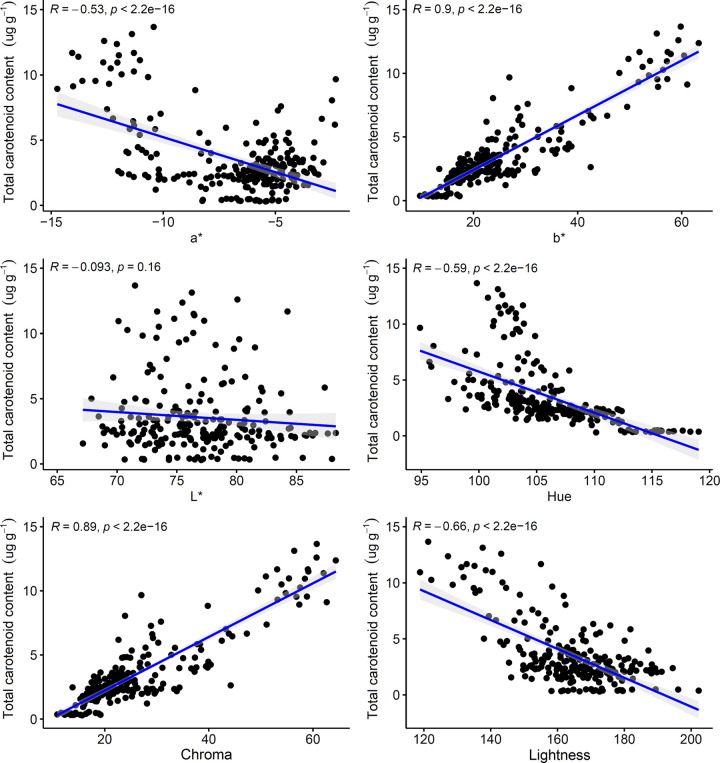
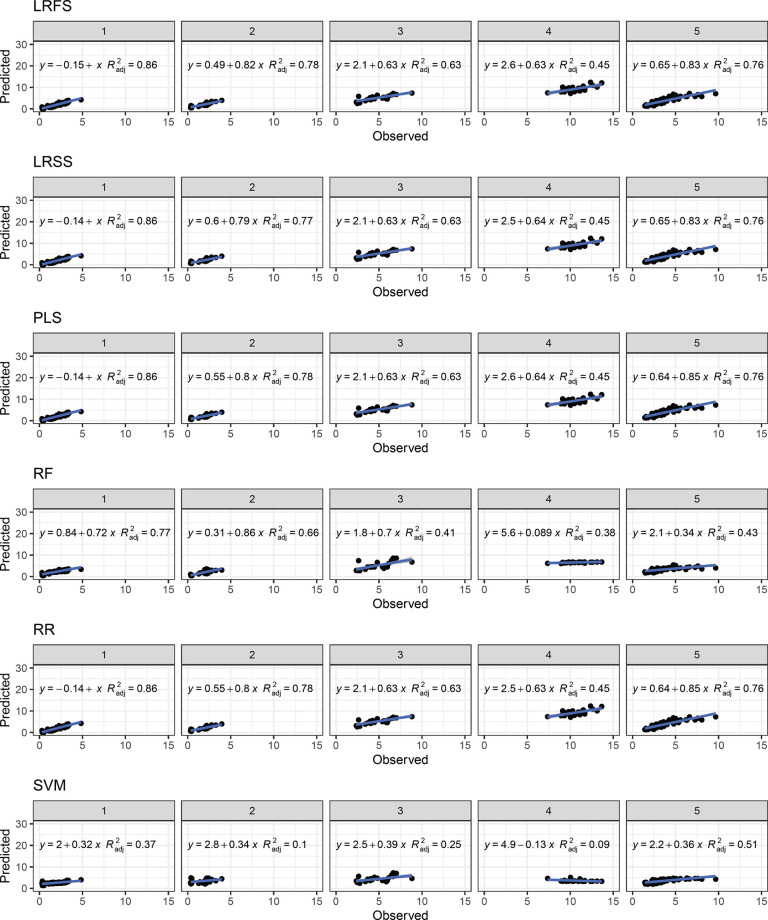
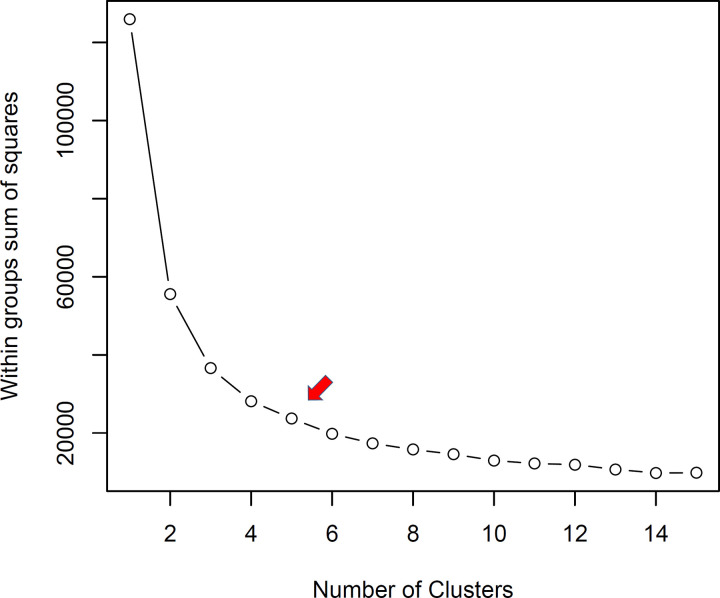
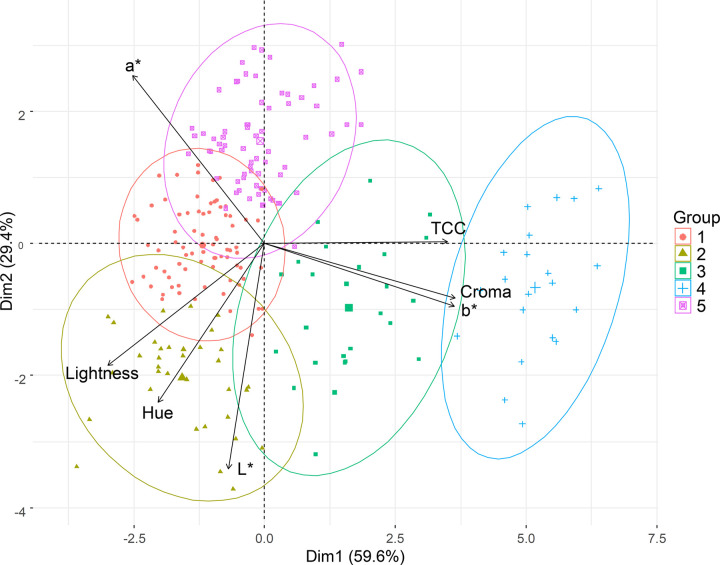
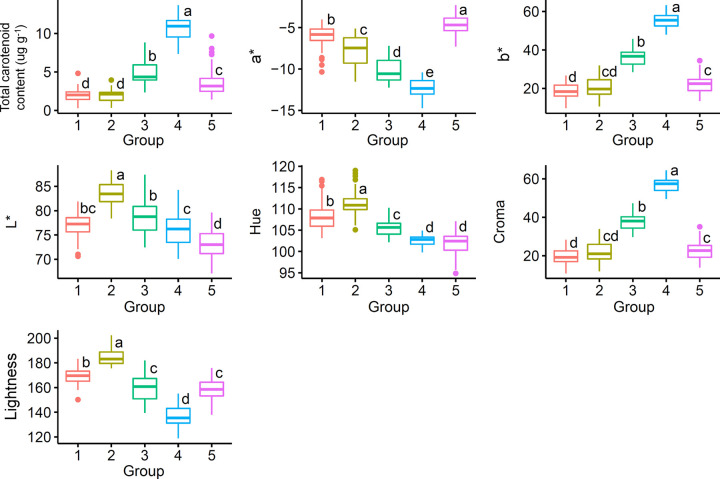
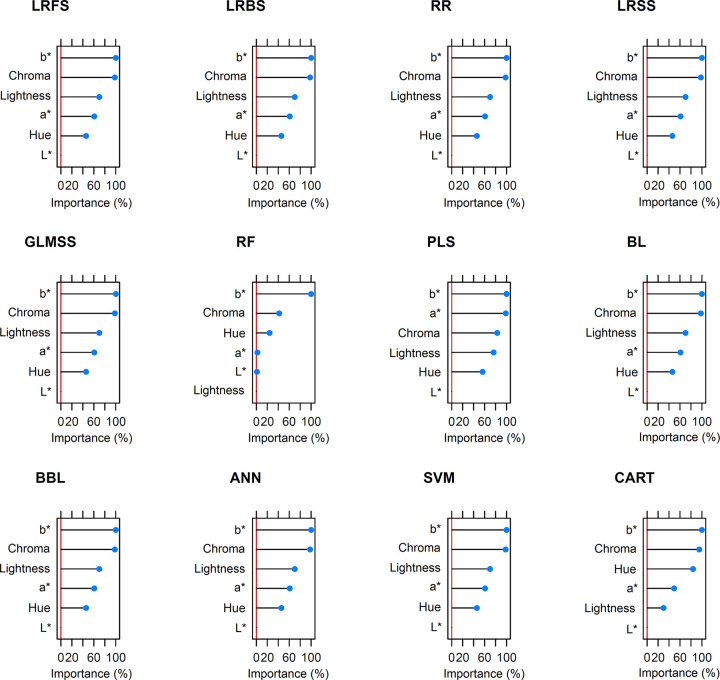
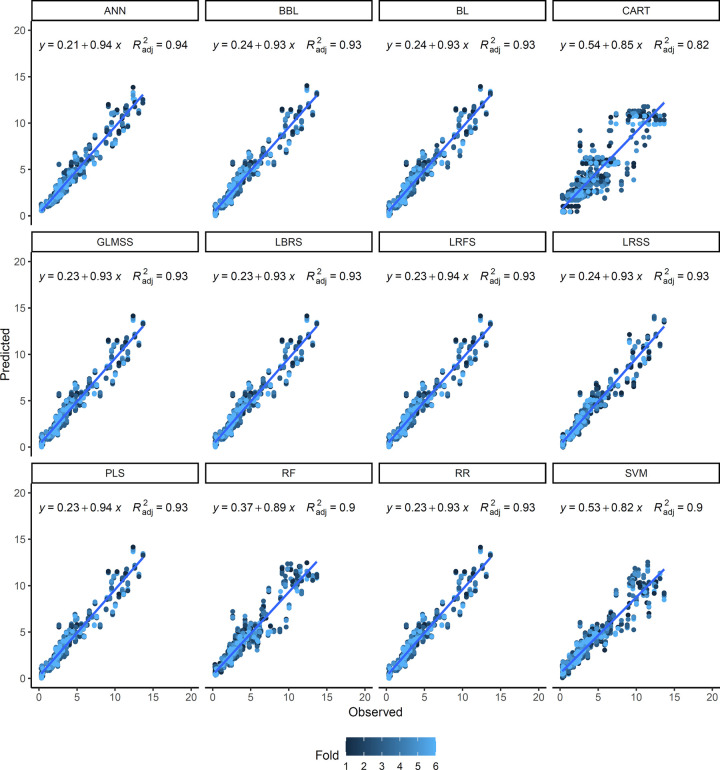
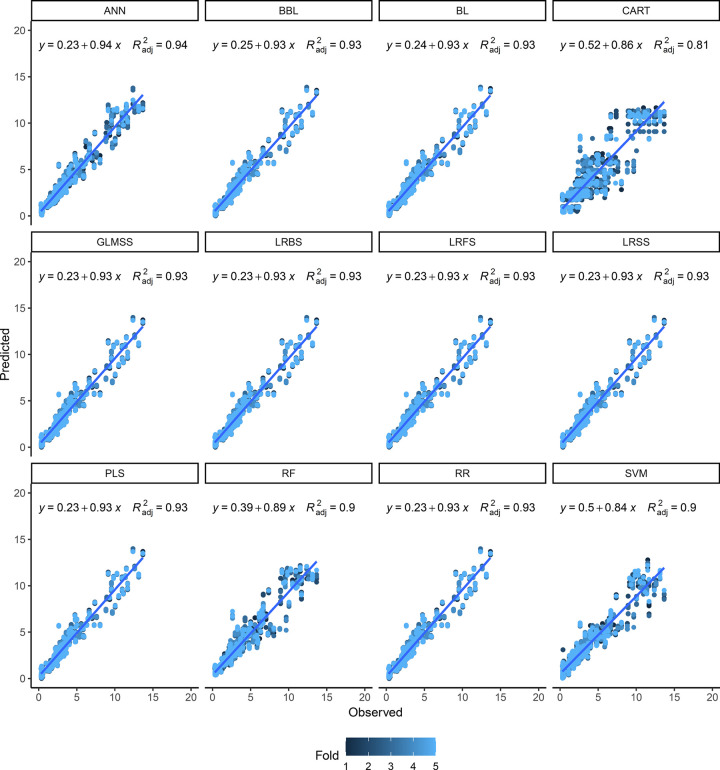
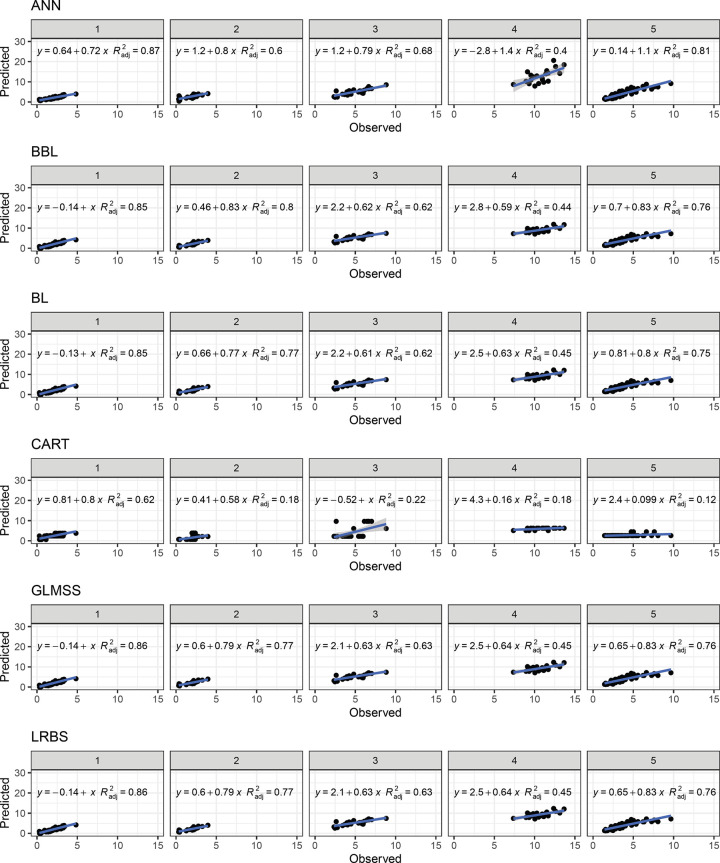
Phenotyping to quantify the total carotenoids content (TCC) is sensitive, time-consuming, tedious, and costly. The development of high-throughput phenotyping tools is essential for screening hundreds of cassava genotypes in a short period of time in the biofortification program. This study aimed to (i) use digital images to extract information on the pulp color of cassava roots and estimate correlations with TCC, and (ii) select predictive models for TCC using colorimetric indices. Red, green and blue images were captured in root samples from 228 biofortified genotypes and the difference in color was analyzed using L*, a*, b*, hue and chroma indices from the International Commission on Illumination (CIELAB) color system and lightness. Colorimetric data were used for principal component analysis (PCA), correlation and for developing prediction models for TCC based on regression and machine learning. A high positive correlation between TCC and the variables b* (r = 0.90) and chroma (r = 0.89) was identified, while the other correlations were median and negative, and the L* parameter did not present a significant correlation with TCC. In general, the accuracy of most prediction models (with all variables and only the most important ones) was high (R2 ranging from 0.81 to 0.94). However, the artificial neural network prediction model presented the best predictive ability (R2 = 0.94), associated with the smallest error in the TCC estimates (root-mean-square error of 0.24). The structure of the studied population revealed five groups and high genetic variability based on PCA regarding colorimetric indices and TCC. Our results demonstrated that the use of data obtained from digital image analysis is an economical, fast, and effective alternative for the development of TCC phenotyping tools in cassava roots with high predictive ability.
表型分析以量化总类胡萝卜素含量(TCC)是敏感的、耗时的、繁琐的和昂贵的。高通量表型分析工具的发展对于在生物强化计划中在短时间内筛选数百种木薯基因型至关重要。本研究旨在:(i)使用数字图像提取木薯根果肉颜色信息并估计与 TCC 的相关性;(ii)使用比色指数为 TCC 选择预测模型。从 228 个生物强化基因型的根样本中捕获红色、绿色和蓝色图像,并使用国际照明委员会(CIELAB)颜色系统的 L*、a*、b*、色调和彩度指数以及明度分析颜色差异。比色数据用于主成分分析(PCA)、相关性分析以及基于回归和机器学习为 TCC 开发预测模型。TCC 与变量 b*(r = 0.90)和彩度(r = 0.89)之间存在高度正相关,而其他相关性为中位数和负相关,L*参数与 TCC 没有显著相关性。一般来说,大多数预测模型(具有所有变量和仅最重要的变量)的准确性较高(R2 范围为 0.81 至 0.94)。然而,人工神经网络预测模型表现出最佳的预测能力(R2 = 0.94),与 TCC 估计的最小误差相关(均方根误差为 0.24)。基于 PCA 对比色指数和 TCC 的研究人群结构显示了五个组和高遗传变异性。我们的结果表明,使用数字图像分析获得的数据是开发具有高预测能力的木薯根 TCC 表型分析工具的经济、快速和有效的替代方法。