Department of Microbiology, Harbin Medical University, Harbin, China.
Wu Lien-Teh Institute, Harbin Medical University, Harbin, China.
Cancer Sci. 2022 Apr;113(4):1475-1487. doi: 10.1111/cas.15281. Epub 2022 Mar 3.
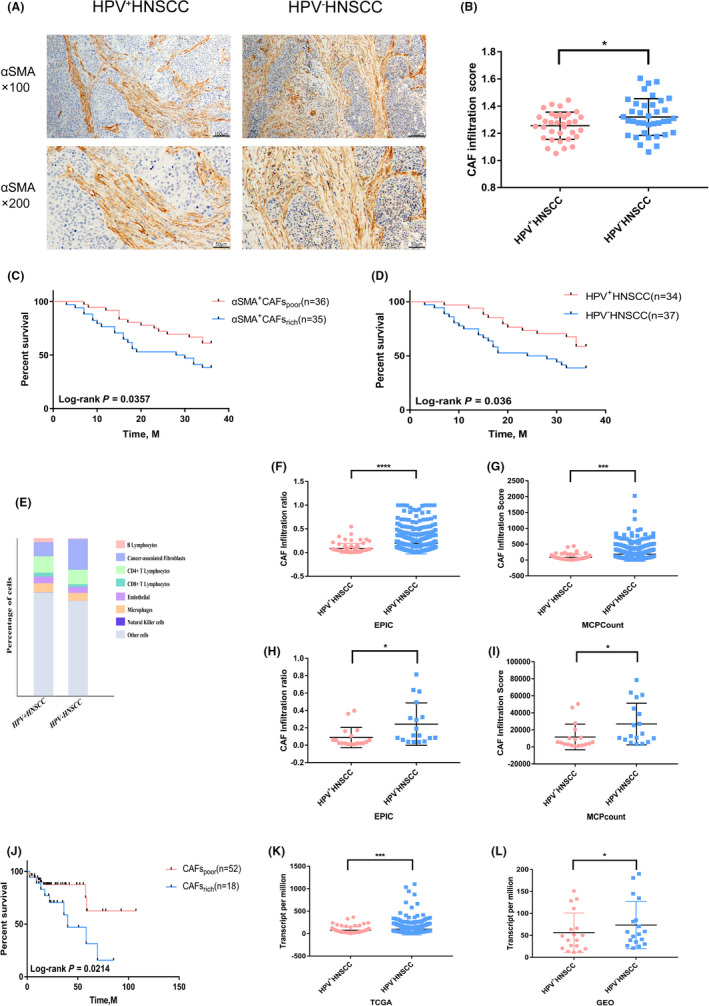
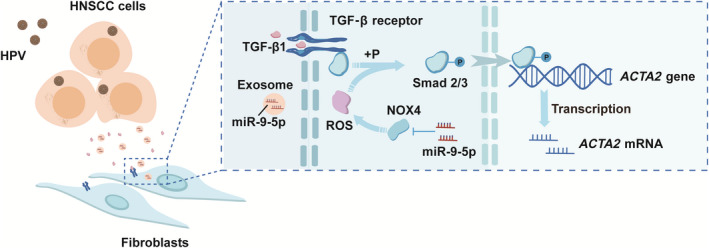
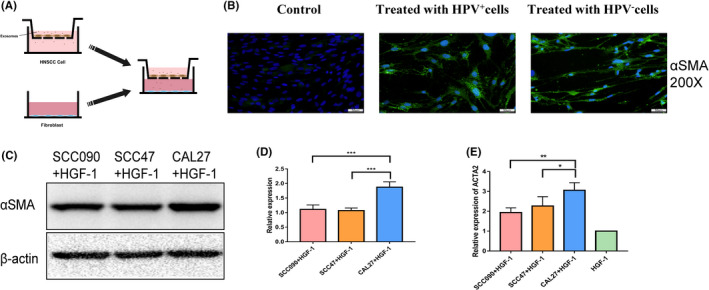
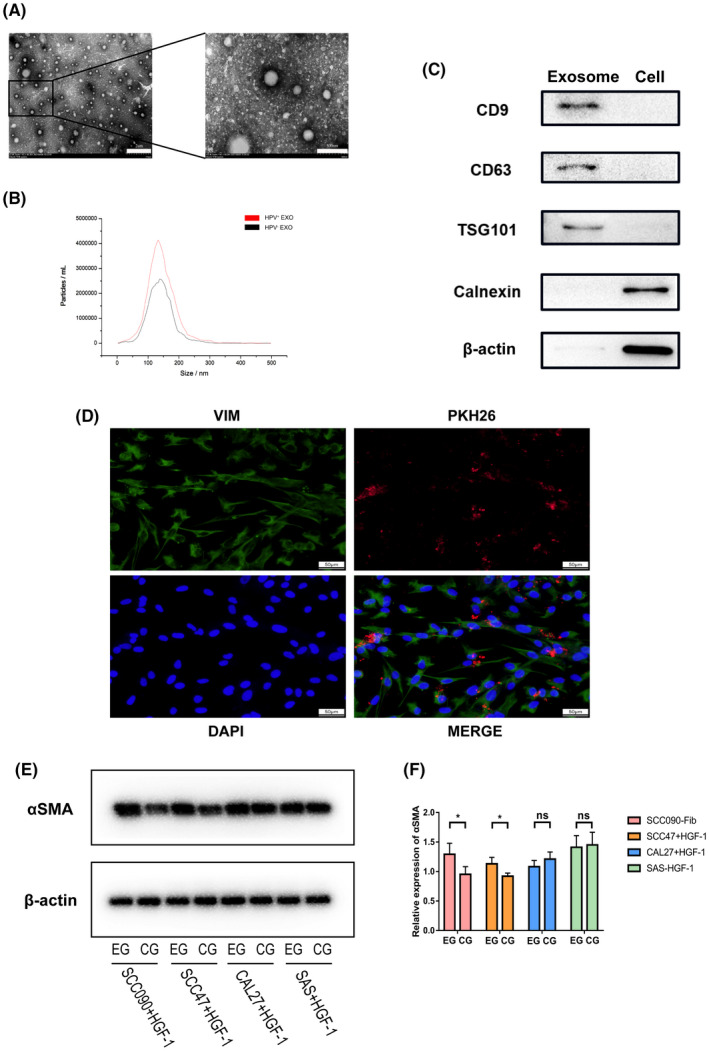
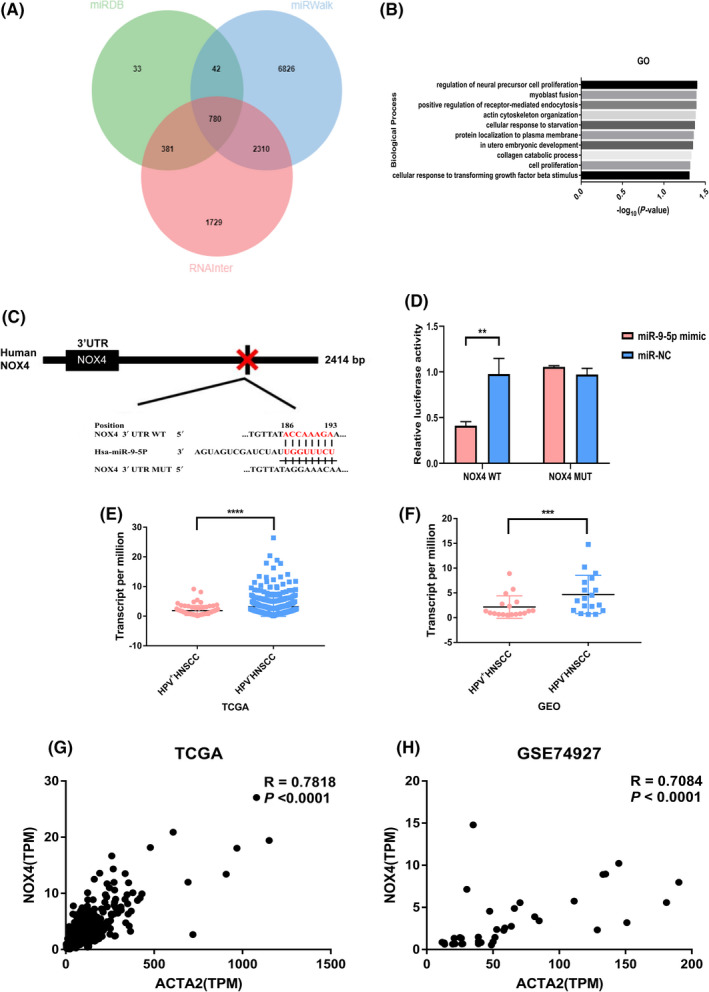
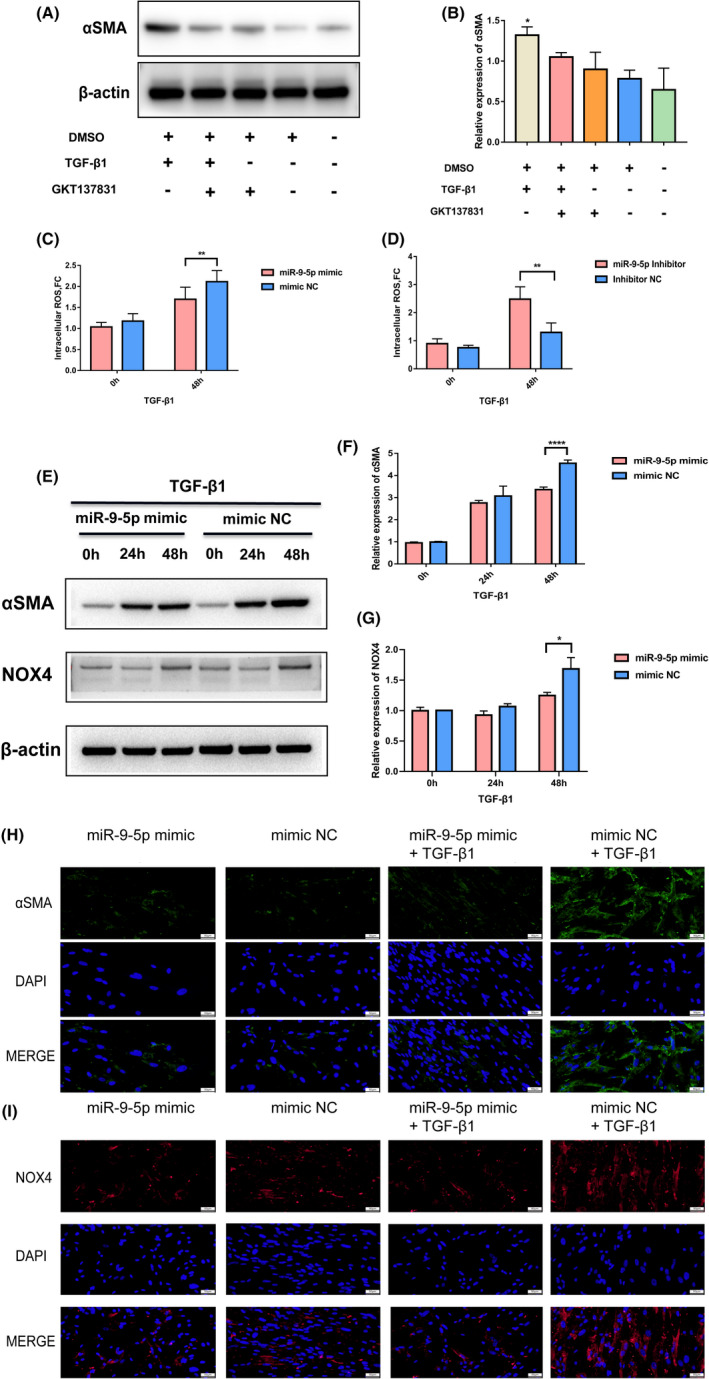
Human papillomavirus (HPV) is a significant risk factor for head and neck squamous cell carcinoma (HNSCC). HPV HNSCC patients have a higher survival rate, which may be related to its unique tumor microenvironment. Exosomes are emerging as a communication tool between tumor cells and the tumor microenvironment, including cancer-associated fibroblasts (CAFs). In this study, 111 clinical samples tissues and public sequencing data were analyzed. Our study found fewer CAFs infiltrated in HPV HNSCC, and poor CAF infiltration level was associated with a good prognosis. HPV HNSCC cell-derived exosomes can significantly reduce the phenotypic transformation of fibroblasts. miR-9-5p, as a miRNA enriched in HPV HNSCC cell-derived exosomes, can be transferred to fibroblasts. miR-9-5p mimic transfection decreased the expression of NOX4 and the level of intracellular reactive oxygen species (ROS), which inhibited the transforming growth factor beta 1(TGF-β1)-induced increase of αSMA levels. Therefore, these results indicated that HPV HNSCC-derived exosomal miR-9-5p inhibits TGF-β signaling-mediated fibroblast phenotypic transformation through NOX4, which is related to the excellent prognosis of HPV patients.
人乳头瘤病毒(HPV)是头颈部鳞状细胞癌(HNSCC)的重要危险因素。HPV HNSCC 患者的生存率较高,这可能与其独特的肿瘤微环境有关。外泌体作为肿瘤细胞与肿瘤微环境之间的一种交流工具,包括癌相关成纤维细胞(CAFs)。在这项研究中,分析了 111 例临床样本组织和公共测序数据。我们的研究发现 HPV HNSCC 中浸润的 CAFs 较少,而 CAF 浸润程度较差与预后较好相关。HPV HNSCC 细胞来源的外泌体可显著降低成纤维细胞的表型转化。miR-9-5p 作为一种在 HPV HNSCC 细胞来源的外泌体中富集的 miRNA,可被转移到成纤维细胞中。miR-9-5p 模拟物转染可降低 NOX4 的表达和细胞内活性氧(ROS)水平,从而抑制 TGF-β1 诱导的αSMA 水平增加。因此,这些结果表明,HPV HNSCC 衍生的外泌体 miR-9-5p 通过 NOX4 抑制 TGF-β 信号介导的成纤维细胞表型转化,这与 HPV 患者的良好预后有关。