Department of Physiology and Biophysics, University of Illinois Chicago, Chicago, IL, 60612, USA.
Department of Systems Biology, Department of Biochemistry and Molecular Biophysics, Columbia University, New York, NY, 10032, USA.
Sci Rep. 2022 Jan 31;12(1):1655. doi: 10.1038/s41598-022-05666-1.
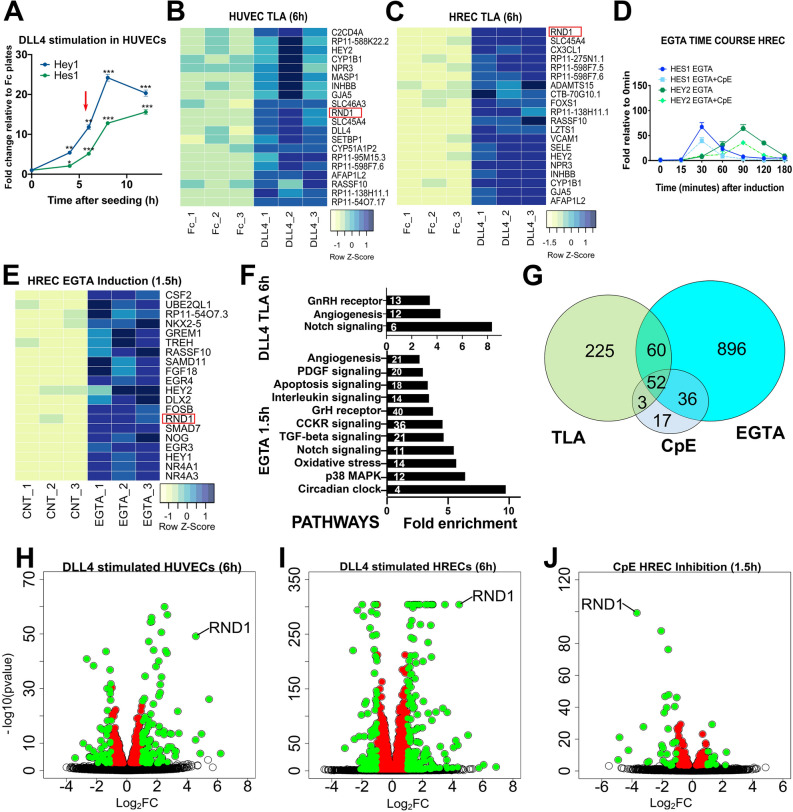
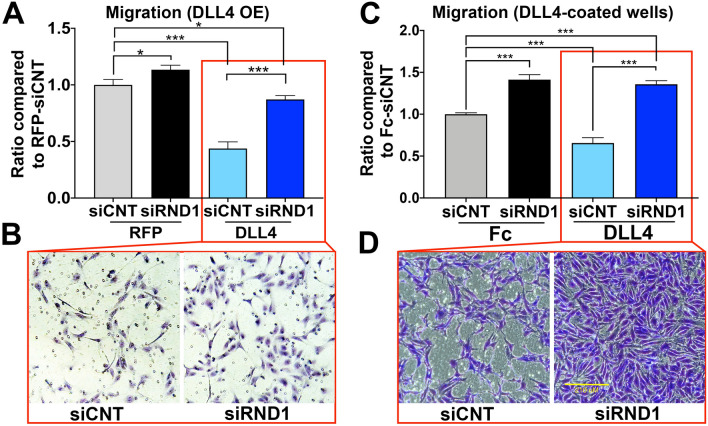
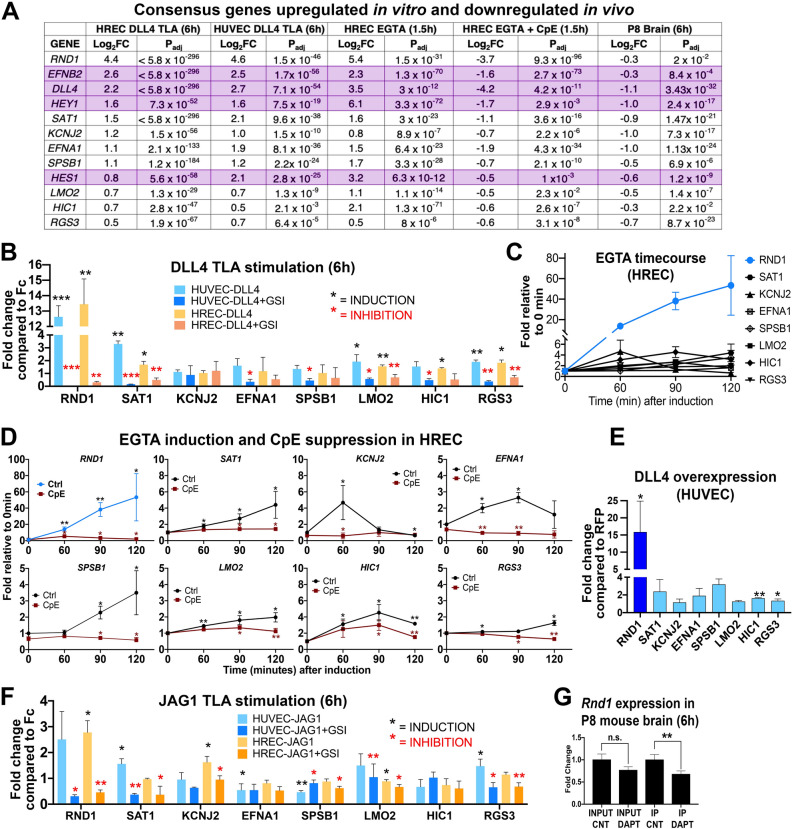
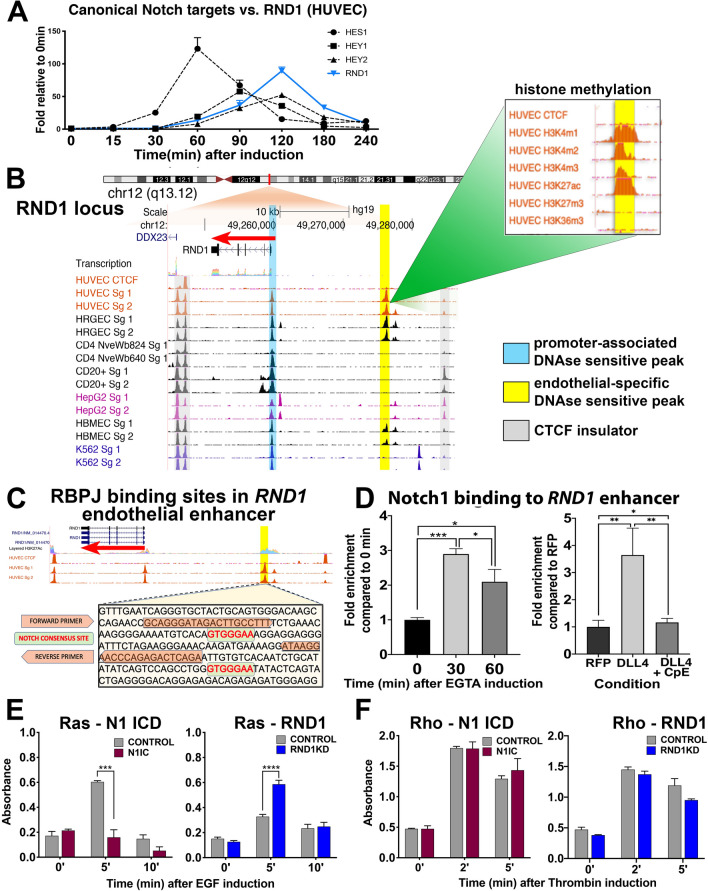
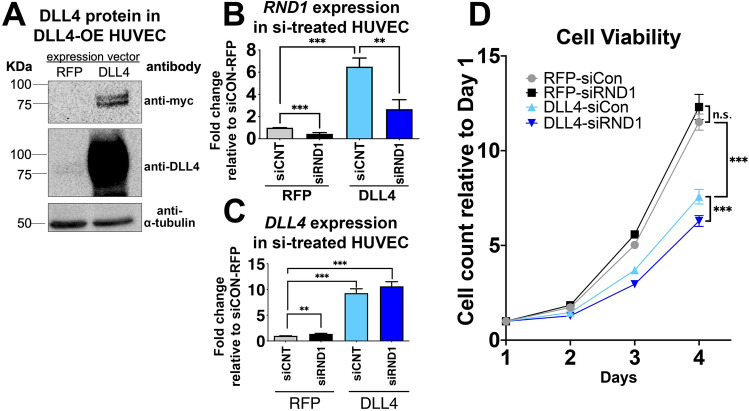
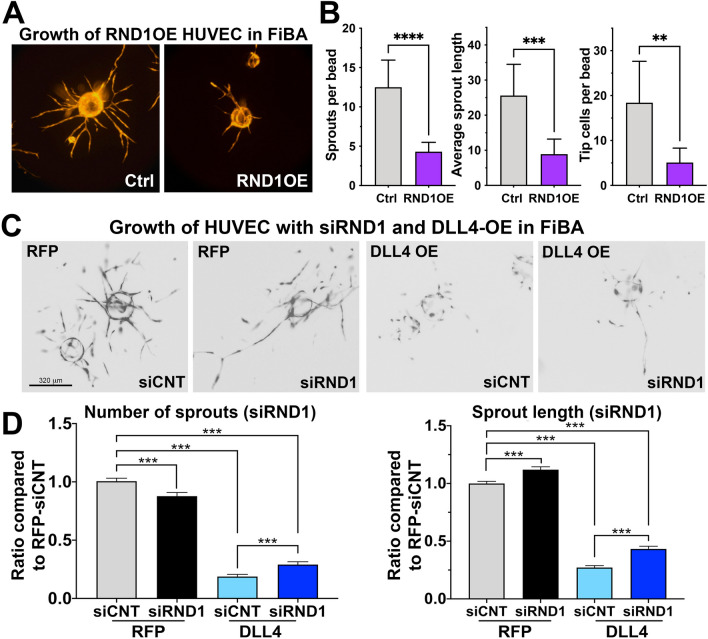
To control sprouting angiogenesis, endothelial Notch signaling suppresses tip cell formation, migration, and proliferation while promoting barrier formation. Each of these responses may be regulated by distinct Notch-regulated effectors. Notch activity is highly dynamic in sprouting endothelial cells, while constitutive Notch signaling drives homeostatic endothelial polarization, indicating the need for both rapid and constitutive Notch targets. In contrast to previous screens that focus on genes regulated by constitutively active Notch, we characterized the dynamic response to Notch. We examined transcriptional changes from 1.5 to 6 h after Notch signal activation via ligand-specific or EGTA induction in cultured primary human endothelial cells and neonatal mouse brain. In each combination of endothelial type and Notch manipulation, transcriptomic analysis identified distinct but overlapping sets of rapidly regulated genes and revealed many novel Notch target genes. Among the novel Notch-regulated signaling pathways identified were effectors in GPCR signaling, notably, the constitutively active GTPase RND1. In endothelial cells, RND1 was shown to be a novel direct Notch transcriptional target and required for Notch control of sprouting angiogenesis, endothelial migration, and Ras activity. We conclude that RND1 is directly regulated by endothelial Notch signaling in a rapid fashion in order to suppress endothelial migration.
为了控制发芽血管生成,内皮细胞 Notch 信号抑制尖端细胞的形成、迁移和增殖,同时促进屏障形成。这些反应中的每一个都可能受到不同的 Notch 调节效应器的调节。在发芽的内皮细胞中,Notch 活性具有高度的动态性,而组成型 Notch 信号驱动内皮细胞的稳态极化,这表明既需要快速的 Notch 靶标,也需要组成型的 Notch 靶标。与以前专注于受组成型激活 Notch 调节的基因的筛选不同,我们描述了 Notch 的动态反应。我们通过配体特异性或 EGTA 诱导,在培养的原代人内皮细胞和新生鼠脑中,检测 Notch 信号激活后 1.5 至 6 小时的转录变化。在内皮细胞类型和 Notch 操作的每种组合中,转录组分析都鉴定出了快速调节基因的独特但重叠的集合,并揭示了许多新的 Notch 靶基因。在鉴定出的新的 Notch 调节信号通路中,包括 GPCR 信号通路中的效应物,特别是组成型活性 GTPase RND1。在血管内皮细胞中,RND1 被证明是 Notch 转录的直接靶标,并且是 Notch 控制发芽血管生成、内皮细胞迁移和 Ras 活性所必需的。我们的结论是,RND1 以快速的方式被内皮细胞 Notch 信号直接调节,以抑制内皮细胞迁移。