Research Division, Federal Institute for Drugs and Medical Devices, Bonn, North Rhine-Westphalia, Germany.
German Center for Neurodegenerative Diseases (DZNE), Bonn, North Rhine-Westphalia, Germany.
Pharmacogenomics J. 2022 Mar;22(2):136-144. doi: 10.1038/s41397-022-00268-6. Epub 2022 Jan 31.
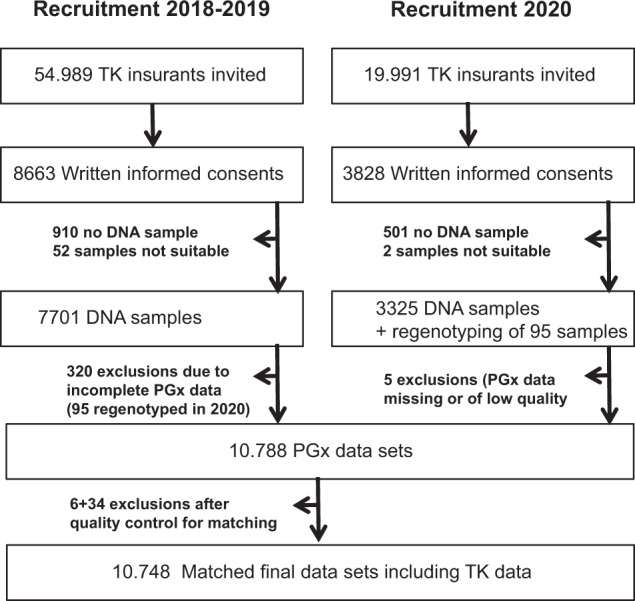
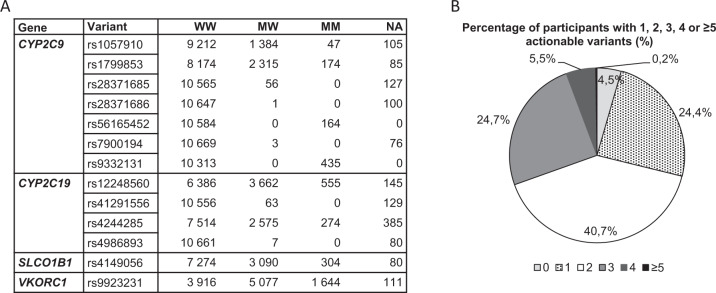
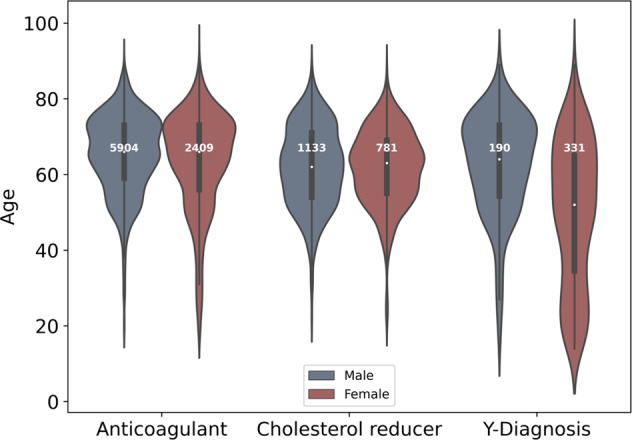
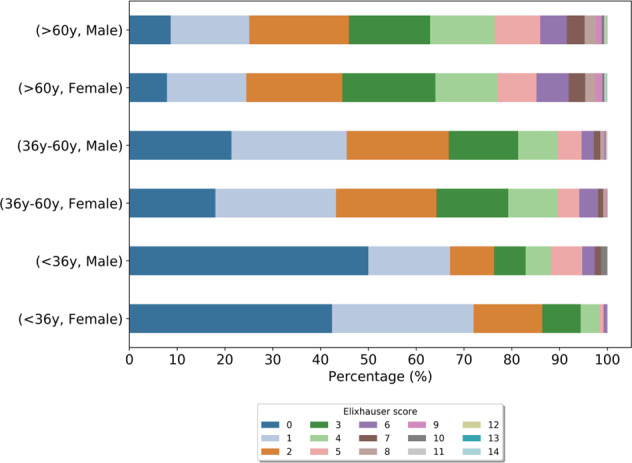
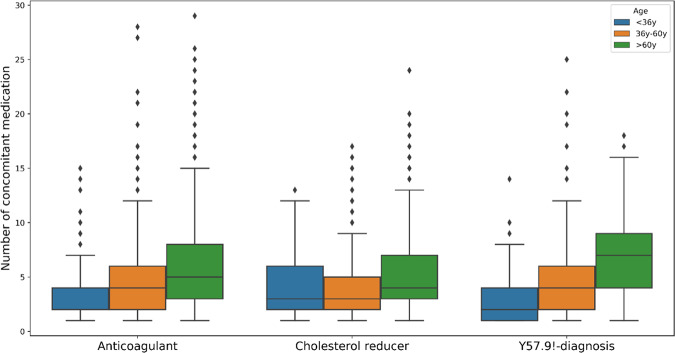
The impact of genetic variability of pharmacogenes as a possible risk factor for adverse drug reactions is elucidated in the EMPAR (Einfluss metabolischer Profile auf die Arzneimitteltherapiesicherheit in der Routineversorgung/English: influence of metabolic profiles on the safety of drug therapy in routine care) study. EMPAR evaluates possible associations of pharmacogenetically predicted metabolic profiles relevant for the metabolism of frequently prescribed cardiovascular drugs. Based on a German study population of 10,748 participants providing access to healthcare claims data and DNA samples for pharmacogenetic assessment, first analyses were performed and evaluated. The aim of this first evaluation was the characterization of the study population with regard to general parameters such as age, gender, comorbidity, and polypharmacy at baseline (baseline year) as well as important combinations of cardiovascular drugs with relevant genetic variants and predicted metabolic phenotypes. The study was registered in the German Clinical Trials Register (DRKS) on July 6, 2018 (DRKS00013909).
在 EMPAR(Einfluss metabolischer Profile auf die Arzneimitteltherapiesicherheit in der Routineversorgung/English: influence of metabolic profiles on the safety of drug therapy in routine care)研究中,阐明了药物基因遗传变异性作为不良反应的可能危险因素的影响。EMPAR 评估了与经常开处方的心血管药物代谢相关的药物基因预测代谢谱的可能关联。基于为药物基因评估提供医疗保健索赔数据和 DNA 样本的 10748 名德国研究参与者的研究人群,首先进行了分析和评估。本次评估的目的是描述研究人群的一般参数,例如基线(基线年)时的年龄、性别、合并症和多药治疗情况,以及具有相关遗传变异和预测代谢表型的重要心血管药物组合。该研究于 2018 年 7 月 6 日在德国临床试验注册处(DRKS)注册(DRKS00013909)。