School of Biochemistry and Immunology, Trinity College Dublin, Dublin, Ireland.
Research Pathology Core Facility, Conway Institute, University College Dublin, Dublin, Ireland.
J Exp Med. 2022 Mar 7;219(3). doi: 10.1084/jem.20210042. Epub 2022 Feb 1.
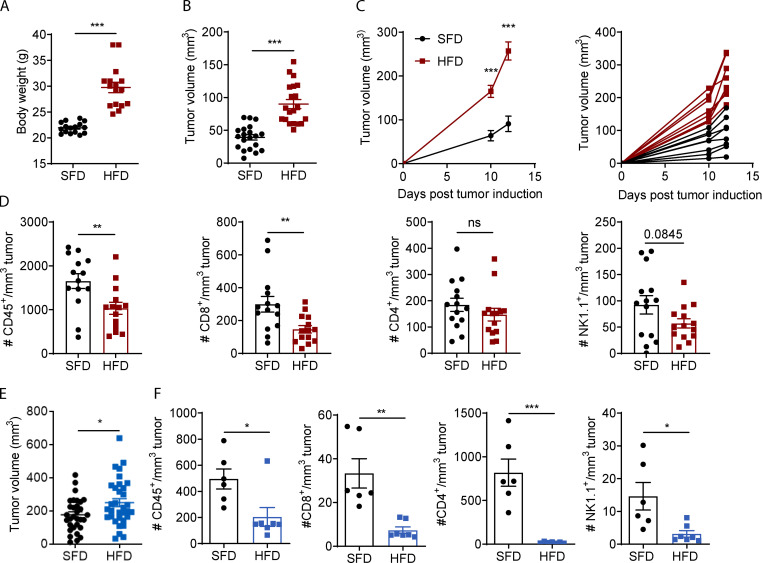
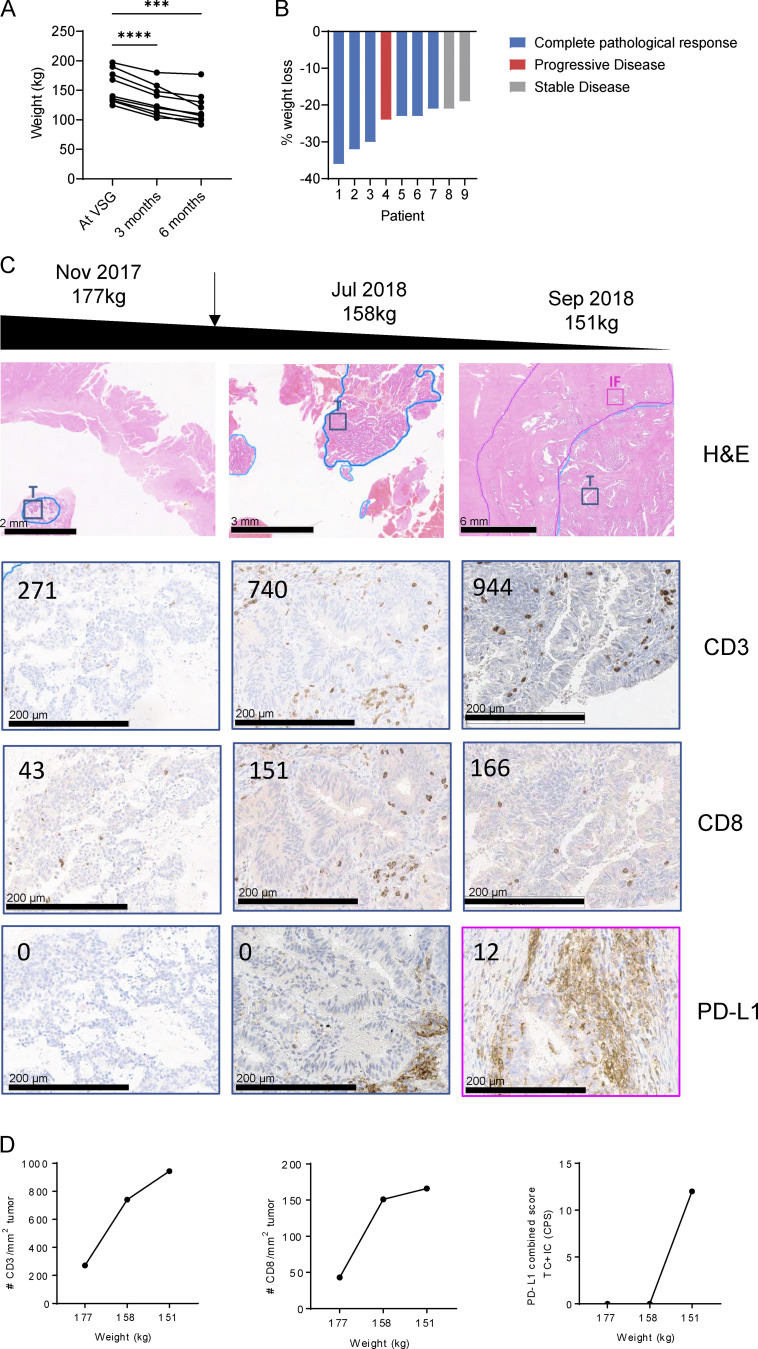
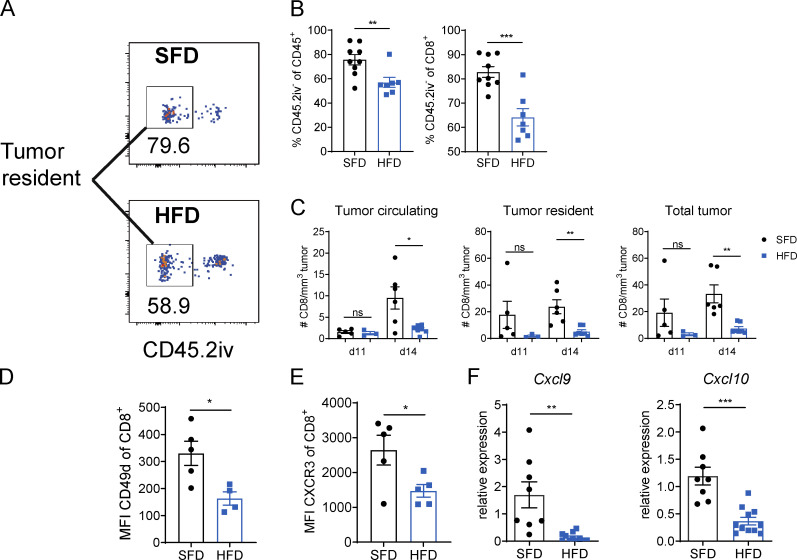
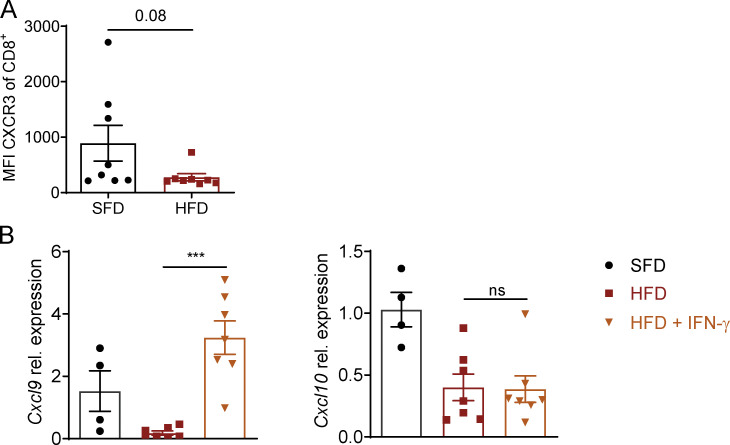
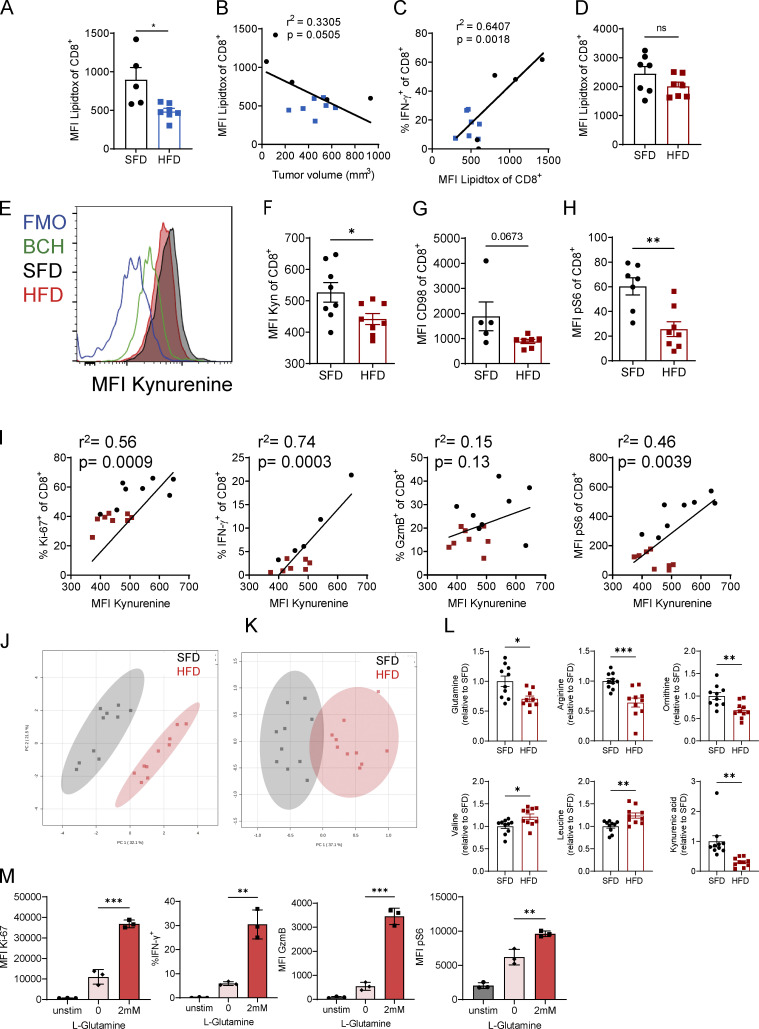
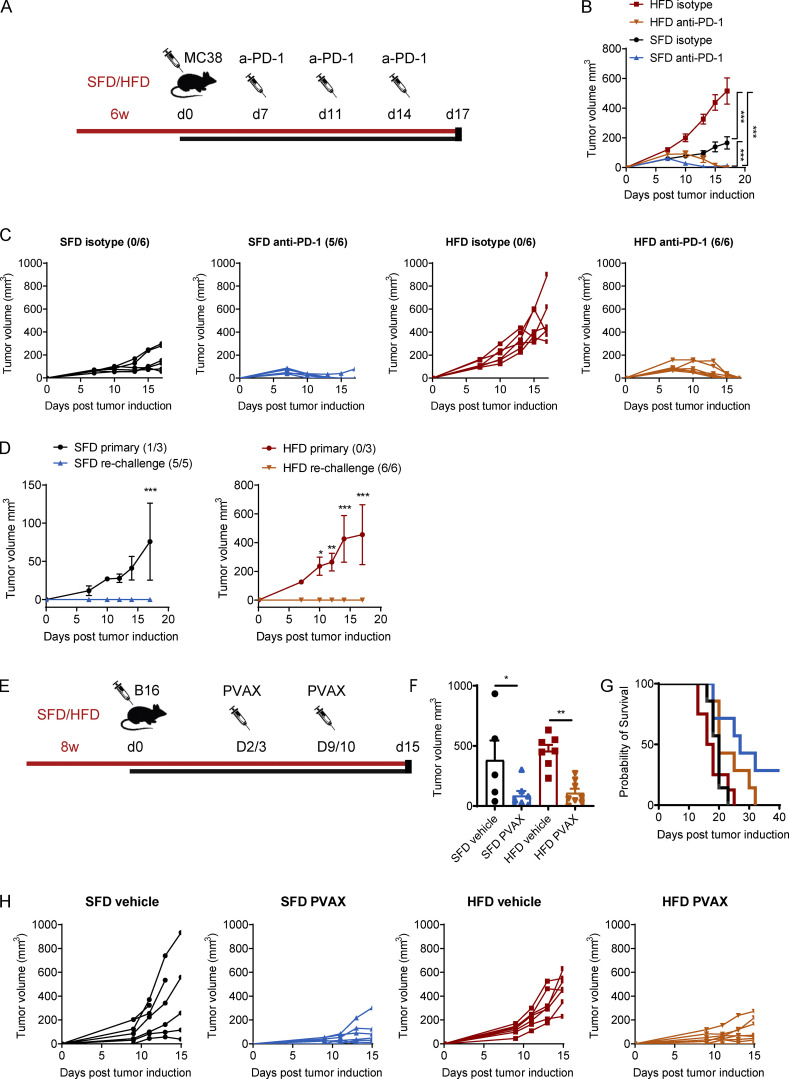
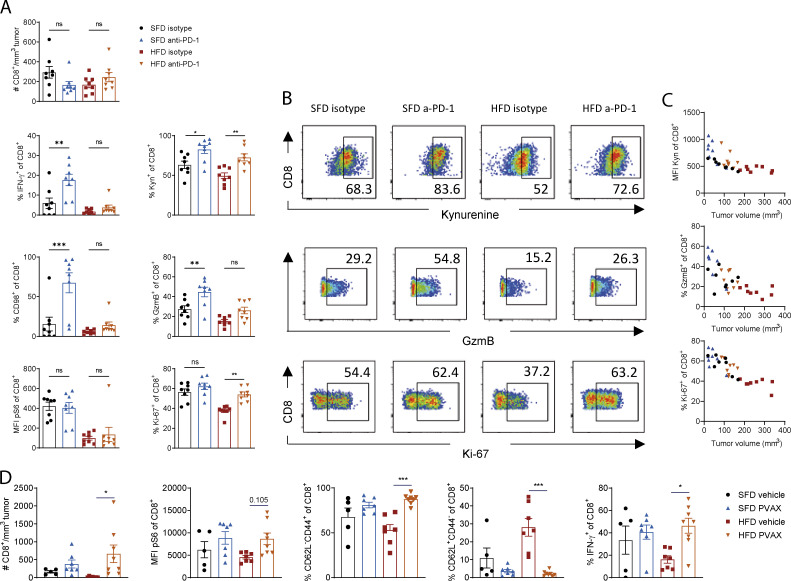
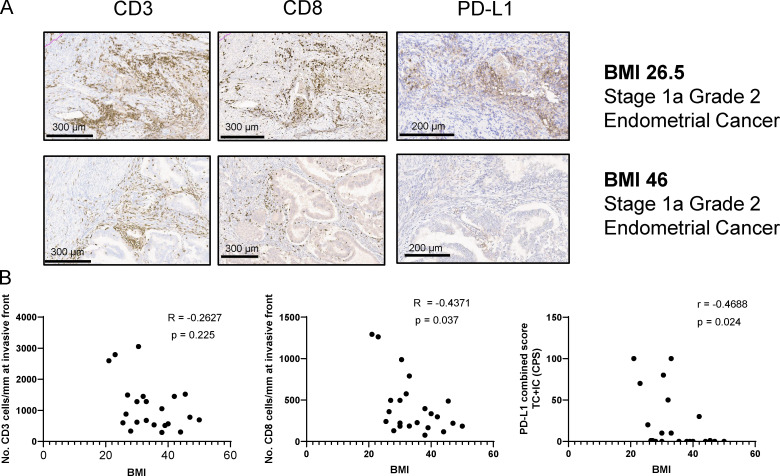
Obesity is one of the leading preventable causes of cancer; however, little is known about the effects of obesity on anti-tumor immunity. Here, we investigated the effects of obesity on CD8 T cells in mouse models and patients with endometrial cancer. Our findings revealed that CD8 T cell infiltration is suppressed in obesity, which was associated with a decrease in chemokine production. Tumor-resident CD8 T cells were also functionally suppressed in obese mice, which was associated with a suppression of amino acid metabolism. Similarly, we found that a high BMI negatively correlated with CD8 infiltration in human endometrial cancer and that weight loss was associated with a complete pathological response in six of nine patients. Moreover, immunotherapy using anti-PD-1 led to tumor rejection in lean and obese mice and partially restored CD8 metabolism and anti-tumor immunity. These findings highlight the suppressive effects of obesity on CD8 T cell anti-tumor immunity, which can partially be reversed by weight loss and/or immunotherapy.
肥胖是癌症的主要可预防原因之一;然而,人们对肥胖对抗肿瘤免疫的影响知之甚少。在这里,我们研究了肥胖对患有子宫内膜癌的小鼠模型和患者中 CD8 T 细胞的影响。我们的研究结果表明,肥胖抑制了 CD8 T 细胞浸润,这与趋化因子产生减少有关。肥胖小鼠的肿瘤驻留 CD8 T 细胞也受到功能抑制,这与氨基酸代谢的抑制有关。同样,我们发现高 BMI 与人类子宫内膜癌中的 CD8 浸润呈负相关,并且体重减轻与九名患者中的六名患者的完全病理反应相关。此外,使用抗 PD-1 的免疫疗法导致瘦鼠和肥胖鼠的肿瘤排斥,并部分恢复了 CD8 代谢和抗肿瘤免疫。这些发现强调了肥胖对 CD8 T 细胞抗肿瘤免疫的抑制作用,这种抑制作用可以通过减轻体重和/或免疫疗法部分逆转。