• 文献检索
  • 文档翻译
  • 深度研究
  • 学术资讯
  • Suppr Zotero 插件Zotero 插件
  • 邀请有礼
  • 套餐&价格
  • 历史记录
应用&插件
Suppr Zotero 插件Zotero 插件浏览器插件Mac 客户端Windows 客户端微信小程序
定价
高级版会员购买积分包购买API积分包
服务
文献检索文档翻译深度研究API 文档MCP 服务
关于我们
关于 Suppr公司介绍联系我们用户协议隐私条款
关注我们

Suppr 超能文献

核心技术专利:CN118964589B侵权必究
粤ICP备2023148730 号-1Suppr @ 2026

文献检索

告别复杂PubMed语法,用中文像聊天一样搜索,搜遍4000万医学文献。AI智能推荐,让科研检索更轻松。

立即免费搜索

文件翻译

保留排版,准确专业,支持PDF/Word/PPT等文件格式,支持 12+语言互译。

免费翻译文档

深度研究

AI帮你快速写综述,25分钟生成高质量综述,智能提取关键信息,辅助科研写作。

立即免费体验

肿瘤微环境中的细胞程序性营养分配。

Cell-programmed nutrient partitioning in the tumour microenvironment.

机构信息

Medical Scientist Training Program, Vanderbilt University, Nashville, TN, USA.

Department of Medicine, Vanderbilt University Medical Center (VUMC), Nashville, TN, USA.

出版信息

Nature. 2021 May;593(7858):282-288. doi: 10.1038/s41586-021-03442-1. Epub 2021 Apr 7.

DOI:10.1038/s41586-021-03442-1
PMID:33828302
原文链接:https://pmc.ncbi.nlm.nih.gov/articles/PMC8122068/
Abstract

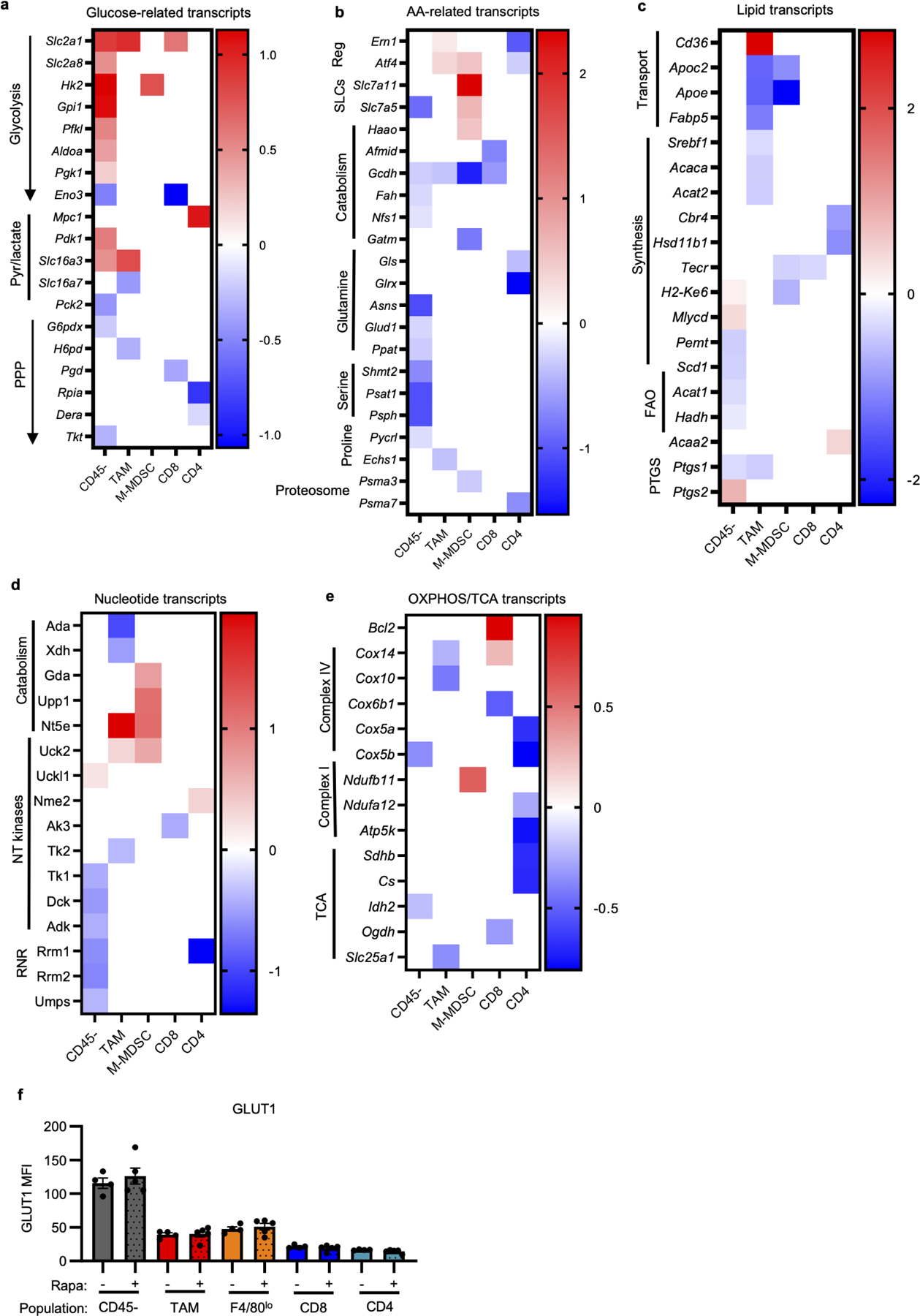
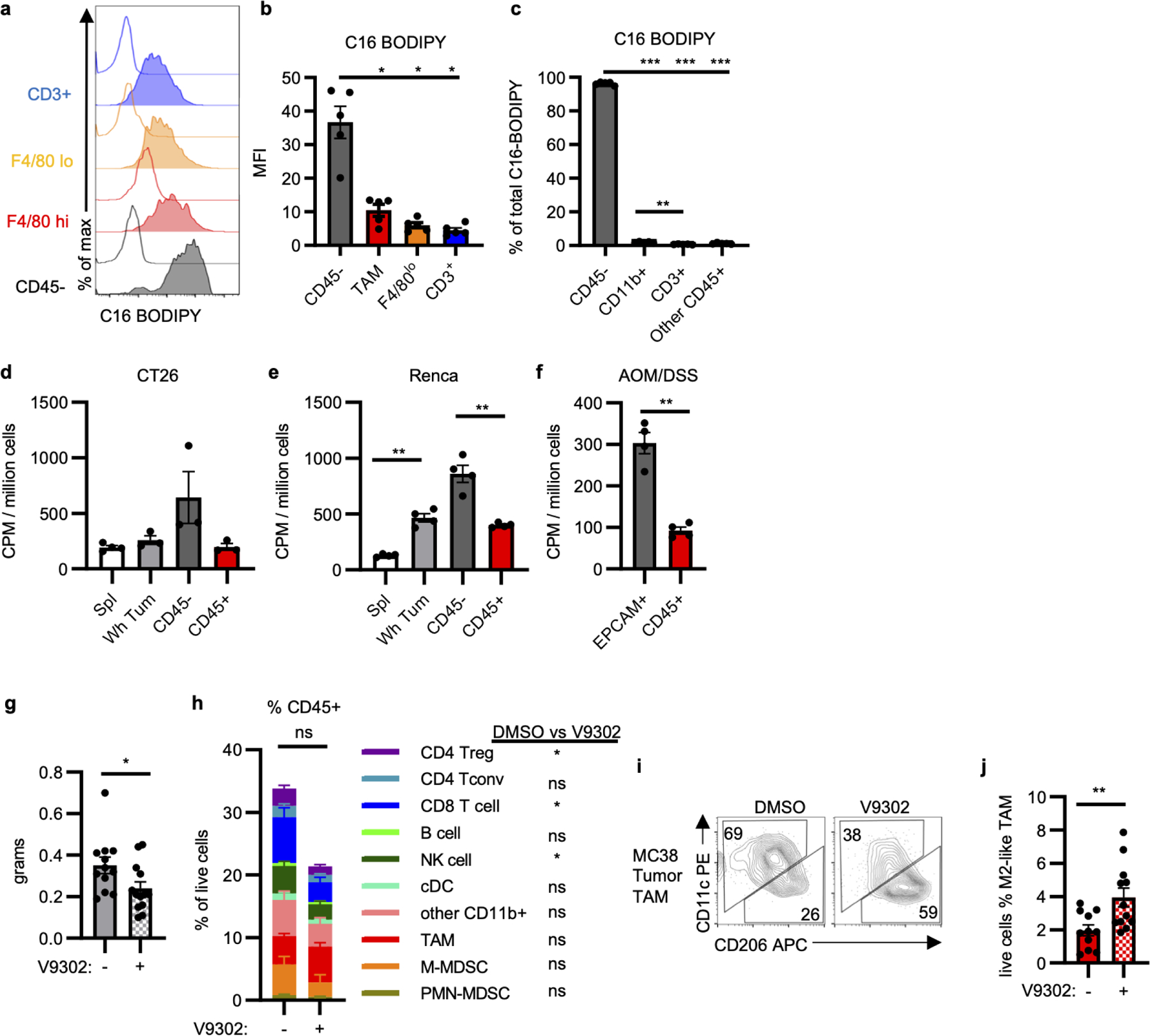
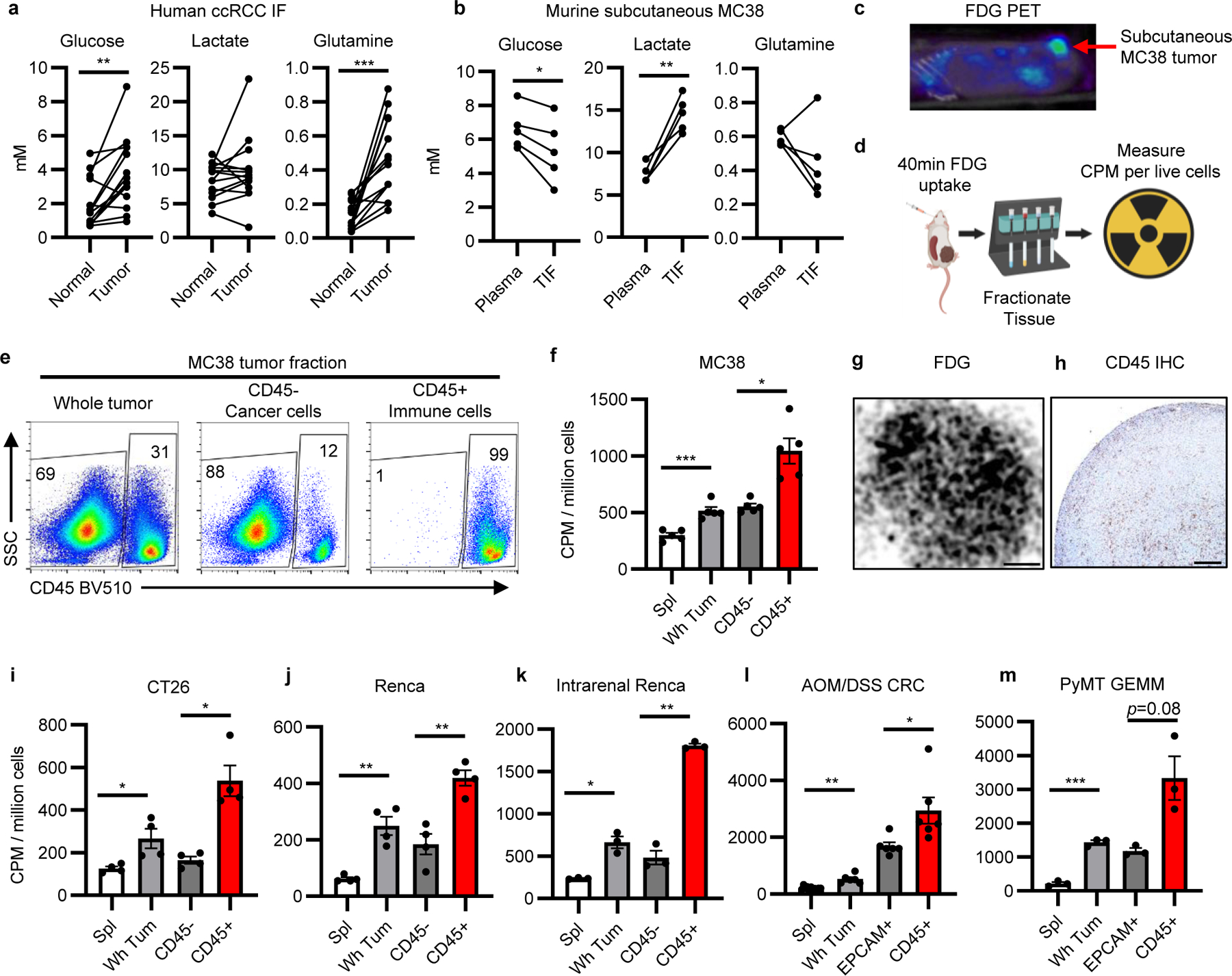
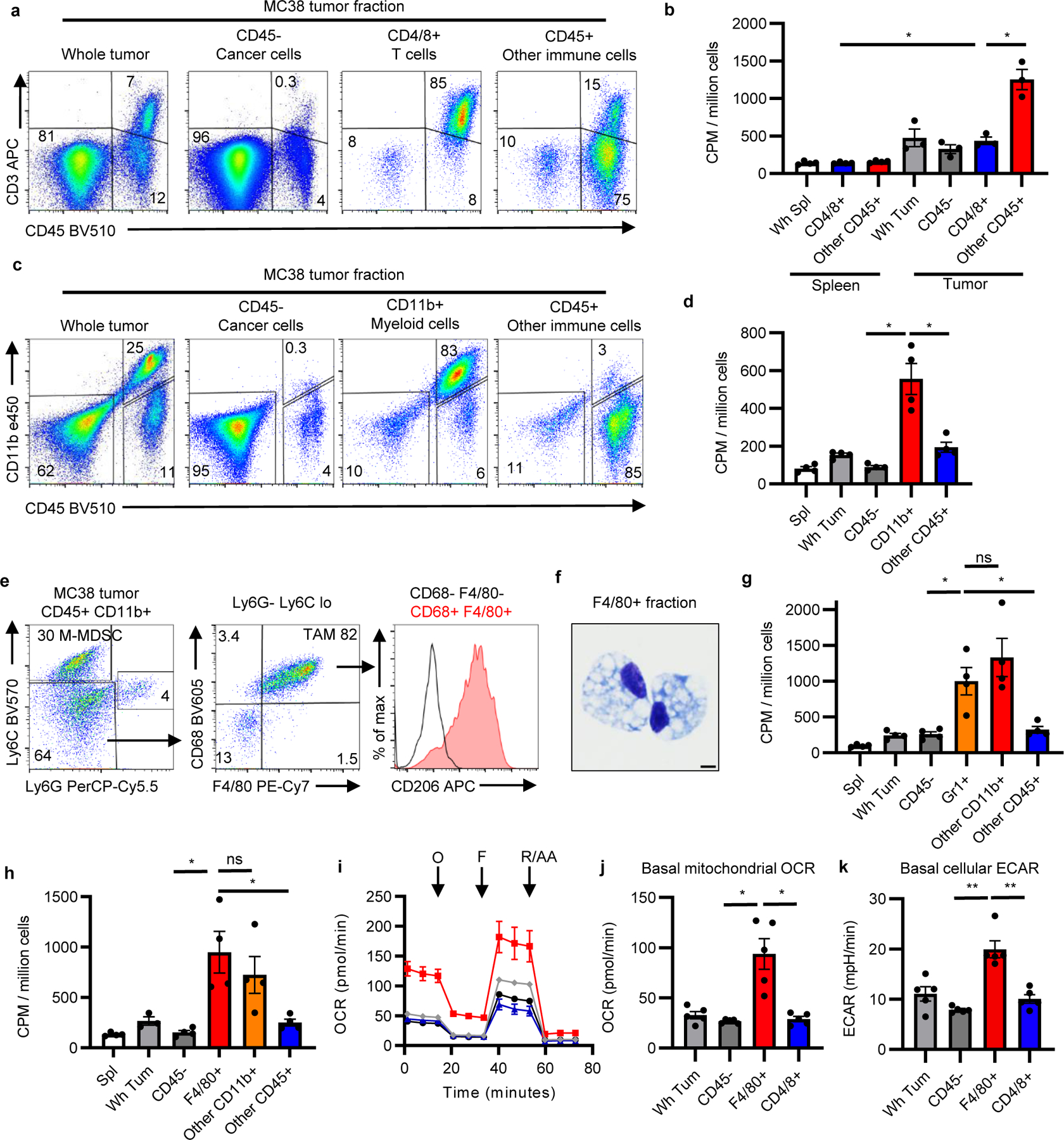
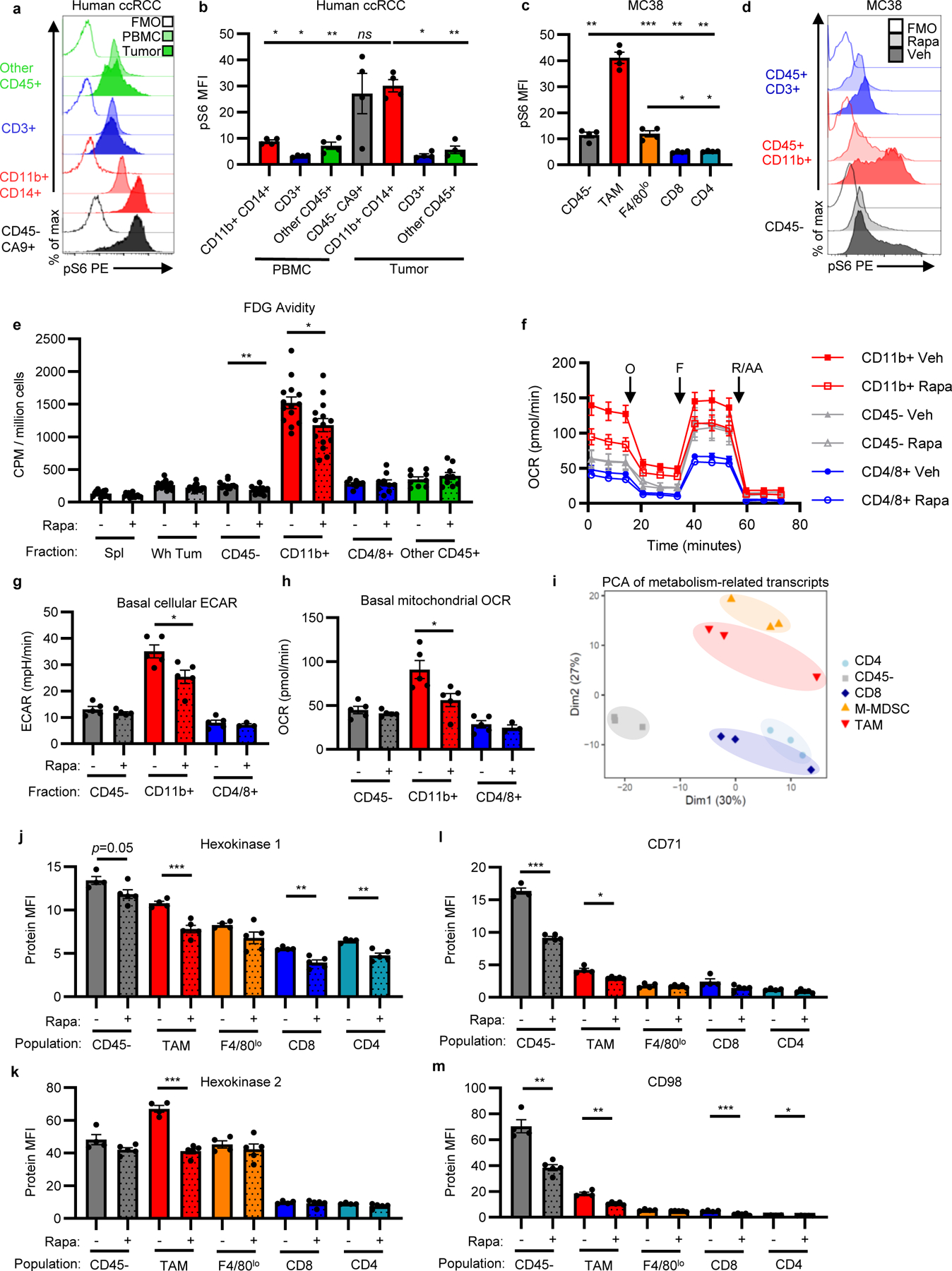
Cancer cells characteristically consume glucose through Warburg metabolism, a process that forms the basis of tumour imaging by positron emission tomography (PET). Tumour-infiltrating immune cells also rely on glucose, and impaired immune cell metabolism in the tumour microenvironment (TME) contributes to immune evasion by tumour cells. However, whether the metabolism of immune cells is dysregulated in the TME by cell-intrinsic programs or by competition with cancer cells for limited nutrients remains unclear. Here we used PET tracers to measure the access to and uptake of glucose and glutamine by specific cell subsets in the TME. Notably, myeloid cells had the greatest capacity to take up intratumoral glucose, followed by T cells and cancer cells, across a range of cancer models. By contrast, cancer cells showed the highest uptake of glutamine. This distinct nutrient partitioning was programmed in a cell-intrinsic manner through mTORC1 signalling and the expression of genes related to the metabolism of glucose and glutamine. Inhibiting glutamine uptake enhanced glucose uptake across tumour-resident cell types, showing that glutamine metabolism suppresses glucose uptake without glucose being a limiting factor in the TME. Thus, cell-intrinsic programs drive the preferential acquisition of glucose and glutamine by immune and cancer cells, respectively. Cell-selective partitioning of these nutrients could be exploited to develop therapies and imaging strategies to enhance or monitor the metabolic programs and activities of specific cell populations in the TME.

摘要

癌细胞通过瓦博格代谢(Warburg metabolism)特征性地消耗葡萄糖,这一过程是正电子发射断层扫描(PET)肿瘤成像的基础。肿瘤浸润免疫细胞也依赖葡萄糖,肿瘤微环境(TME)中免疫细胞代谢受损导致肿瘤细胞免疫逃逸。然而,免疫细胞的代谢是否通过细胞内在程序或与癌细胞竞争有限的营养物质在 TME 中失调尚不清楚。在这里,我们使用 PET 示踪剂来测量 TME 中特定细胞亚群对葡萄糖和谷氨酰胺的摄取和利用。值得注意的是,在一系列癌症模型中,髓系细胞摄取肿瘤内葡萄糖的能力最强,其次是 T 细胞和癌细胞。相比之下,癌细胞对谷氨酰胺的摄取最高。这种独特的营养物质分配是通过 mTORC1 信号和与葡萄糖和谷氨酰胺代谢相关的基因的表达以细胞内在的方式编程的。抑制谷氨酰胺摄取可增强肿瘤驻留细胞类型的葡萄糖摄取,表明谷氨酰胺代谢抑制葡萄糖摄取,而 TME 中葡萄糖不是限制因素。因此,细胞内在程序分别驱动免疫细胞和癌细胞优先获取葡萄糖和谷氨酰胺。这些营养物质的细胞选择性分配可以被利用来开发治疗和成像策略,以增强或监测 TME 中特定细胞群体的代谢程序和活性。
https://cdn.ncbi.nlm.nih.gov/pmc/blobs/a7a2/8122068/4b4e8bc2b75c/nihms-1686455-f0004.jpg
https://cdn.ncbi.nlm.nih.gov/pmc/blobs/a7a2/8122068/66a3cb0175a1/nihms-1686455-f0005.jpg
https://cdn.ncbi.nlm.nih.gov/pmc/blobs/a7a2/8122068/4657a4458291/nihms-1686455-f0006.jpg
https://cdn.ncbi.nlm.nih.gov/pmc/blobs/a7a2/8122068/2710c5454eb5/nihms-1686455-f0007.jpg
https://cdn.ncbi.nlm.nih.gov/pmc/blobs/a7a2/8122068/70dbf7db24d7/nihms-1686455-f0008.jpg
https://cdn.ncbi.nlm.nih.gov/pmc/blobs/a7a2/8122068/f8c305f3bf2f/nihms-1686455-f0009.jpg
https://cdn.ncbi.nlm.nih.gov/pmc/blobs/a7a2/8122068/f7a8f6480192/nihms-1686455-f0010.jpg
https://cdn.ncbi.nlm.nih.gov/pmc/blobs/a7a2/8122068/ac9c6a19e4df/nihms-1686455-f0011.jpg
https://cdn.ncbi.nlm.nih.gov/pmc/blobs/a7a2/8122068/63f34c32d756/nihms-1686455-f0012.jpg
https://cdn.ncbi.nlm.nih.gov/pmc/blobs/a7a2/8122068/340a615f9f28/nihms-1686455-f0013.jpg
https://cdn.ncbi.nlm.nih.gov/pmc/blobs/a7a2/8122068/85656d1ef497/nihms-1686455-f0014.jpg
https://cdn.ncbi.nlm.nih.gov/pmc/blobs/a7a2/8122068/3d3d9b4a0a77/nihms-1686455-f0001.jpg
https://cdn.ncbi.nlm.nih.gov/pmc/blobs/a7a2/8122068/5557e2838e28/nihms-1686455-f0002.jpg
https://cdn.ncbi.nlm.nih.gov/pmc/blobs/a7a2/8122068/64e5f3ebb12b/nihms-1686455-f0003.jpg
https://cdn.ncbi.nlm.nih.gov/pmc/blobs/a7a2/8122068/4b4e8bc2b75c/nihms-1686455-f0004.jpg
https://cdn.ncbi.nlm.nih.gov/pmc/blobs/a7a2/8122068/66a3cb0175a1/nihms-1686455-f0005.jpg
https://cdn.ncbi.nlm.nih.gov/pmc/blobs/a7a2/8122068/4657a4458291/nihms-1686455-f0006.jpg
https://cdn.ncbi.nlm.nih.gov/pmc/blobs/a7a2/8122068/2710c5454eb5/nihms-1686455-f0007.jpg
https://cdn.ncbi.nlm.nih.gov/pmc/blobs/a7a2/8122068/70dbf7db24d7/nihms-1686455-f0008.jpg
https://cdn.ncbi.nlm.nih.gov/pmc/blobs/a7a2/8122068/f8c305f3bf2f/nihms-1686455-f0009.jpg
https://cdn.ncbi.nlm.nih.gov/pmc/blobs/a7a2/8122068/f7a8f6480192/nihms-1686455-f0010.jpg
https://cdn.ncbi.nlm.nih.gov/pmc/blobs/a7a2/8122068/ac9c6a19e4df/nihms-1686455-f0011.jpg
https://cdn.ncbi.nlm.nih.gov/pmc/blobs/a7a2/8122068/63f34c32d756/nihms-1686455-f0012.jpg
https://cdn.ncbi.nlm.nih.gov/pmc/blobs/a7a2/8122068/340a615f9f28/nihms-1686455-f0013.jpg
https://cdn.ncbi.nlm.nih.gov/pmc/blobs/a7a2/8122068/85656d1ef497/nihms-1686455-f0014.jpg
https://cdn.ncbi.nlm.nih.gov/pmc/blobs/a7a2/8122068/3d3d9b4a0a77/nihms-1686455-f0001.jpg
https://cdn.ncbi.nlm.nih.gov/pmc/blobs/a7a2/8122068/5557e2838e28/nihms-1686455-f0002.jpg
https://cdn.ncbi.nlm.nih.gov/pmc/blobs/a7a2/8122068/64e5f3ebb12b/nihms-1686455-f0003.jpg
https://cdn.ncbi.nlm.nih.gov/pmc/blobs/a7a2/8122068/4b4e8bc2b75c/nihms-1686455-f0004.jpg

相似文献

1
Cell-programmed nutrient partitioning in the tumour microenvironment.肿瘤微环境中的细胞程序性营养分配。
Nature. 2021 May;593(7858):282-288. doi: 10.1038/s41586-021-03442-1. Epub 2021 Apr 7.
2
Immunosuppressive Immature Myeloid Cell Generation Is Controlled by Glutamine Metabolism in Human Cancer.免疫抑制性未成熟髓系细胞的产生受人类癌症中谷氨酰胺代谢的控制。
Cancer Immunol Res. 2019 Oct;7(10):1605-1618. doi: 10.1158/2326-6066.CIR-18-0902. Epub 2019 Aug 6.
3
Glutamine metabolic competition drives immunosuppressive reprogramming of intratumour GPR109A myeloid cells to promote liver cancer progression.谷氨酰胺代谢竞争驱动肿瘤内GPR109A髓样细胞的免疫抑制重编程,以促进肝癌进展。
Gut. 2025 Jan 17;74(2):255-269. doi: 10.1136/gutjnl-2024-332429.
4
Reprogramming of glutamine metabolism and its impact on immune response in the tumor microenvironment.谷氨酰胺代谢的重编程及其对肿瘤微环境中免疫反应的影响。
Cell Commun Signal. 2022 Jul 27;20(1):114. doi: 10.1186/s12964-022-00909-0.
5
Nutrients and the microenvironment to feed a T cell army.营养物质与微环境为T细胞大军提供养分。
Semin Immunol. 2016 Oct;28(5):505-513. doi: 10.1016/j.smim.2016.09.003. Epub 2016 Oct 3.
6
Tumour microenvironment and metabolic plasticity in cancer and cancer stem cells: Perspectives on metabolic and immune regulatory signatures in chemoresistant ovarian cancer stem cells.肿瘤微环境与癌症和癌症干细胞中的代谢可塑性:耐药性卵巢癌干细胞中代谢和免疫调节特征的观点。
Semin Cancer Biol. 2018 Dec;53:265-281. doi: 10.1016/j.semcancer.2018.10.002. Epub 2018 Oct 11.
7
Immunological Aspects of Cancer Cell Metabolism.癌症细胞代谢的免疫学方面。
Int J Mol Sci. 2024 May 13;25(10):5288. doi: 10.3390/ijms25105288.
8
Metabolic support of tumour-infiltrating regulatory T cells by lactic acid.肿瘤浸润调节性 T 细胞的乳酸代谢支持。
Nature. 2021 Mar;591(7851):645-651. doi: 10.1038/s41586-020-03045-2. Epub 2021 Feb 15.
9
Nutrient acquisition strategies of mammalian cells.哺乳动物细胞的营养获取策略。
Nature. 2017 Jun 7;546(7657):234-242. doi: 10.1038/nature22379.
10
Adaptation of pancreatic cancer cells to nutrient deprivation is reversible and requires glutamine synthetase stabilization by mTORC1.胰腺癌细胞对营养缺乏的适应是可逆的,需要 mTORC1 稳定谷氨酰胺合成酶。
Proc Natl Acad Sci U S A. 2021 Mar 9;118(10). doi: 10.1073/pnas.2003014118.

引用本文的文献

1
Rewiring of cortical glucose metabolism fuels human brain cancer growth.皮质葡萄糖代谢的重新布线助力人类脑癌生长。
Nature. 2025 Sep 3. doi: 10.1038/s41586-025-09460-7.
2
FGA modulates immune infiltration and tumor progression via SLC7A11/xCT-mediated disulfidptosis in the tumor microenvironment of lung adenocarcinoma.FGA通过SLC7A11/xCT介导的铁死亡调节肺腺癌肿瘤微环境中的免疫浸润和肿瘤进展。
Front Immunol. 2025 Aug 11;16:1595900. doi: 10.3389/fimmu.2025.1595900. eCollection 2025.
3
Exploring the role of ferroptosis in esophageal cancer: mechanisms and therapeutic implications.

本文引用的文献

1
Single Cell Glucose Uptake Assays: A Cautionary Tale.单细胞葡萄糖摄取测定:一个警示故事。
Immunometabolism. 2020 Aug 17;2(4):e200029. doi: 10.20900/immunometab20200029. eCollection 2020.
2
NACHO: an R package for quality control of NanoString nCounter data.NACHO:用于 NanoString nCounter 数据质量控制的 R 包。
Bioinformatics. 2020 Feb 1;36(3):970-971. doi: 10.1093/bioinformatics/btz647.
3
Tumor-Associated Macrophages Enhance Tumor Hypoxia and Aerobic Glycolysis.肿瘤相关巨噬细胞促进肿瘤缺氧和有氧糖酵解。
探索铁死亡在食管癌中的作用:机制与治疗意义
Cell Death Discov. 2025 Aug 25;11(1):405. doi: 10.1038/s41420-025-02696-2.
4
Immunometabolic Targets in CD8 T Cells within the Tumor Microenvironment of Hepatocellular Carcinoma.肝细胞癌肿瘤微环境中CD8 T细胞的免疫代谢靶点
Liver Cancer. 2024 Nov 21;14(4):474-496. doi: 10.1159/000542578. eCollection 2025 Aug.
5
Asparagine synthetase modulates glutaminase inhibitor sensitivity through metabolic reprogramming and serves as a prognostic biomarker in hepatocellular carcinoma.天冬酰胺合成酶通过代谢重编程调节谷氨酰胺酶抑制剂敏感性,并作为肝细胞癌的预后生物标志物。
Redox Biol. 2025 Aug 5;86:103813. doi: 10.1016/j.redox.2025.103813.
6
Cinobufagin Inhibits Invasion and Migration of Non-Small Cell Lung Cancer via Regulating Glucose Metabolism Reprogramming in Tumor-Associated Macrophages.华蟾毒精通过调节肿瘤相关巨噬细胞中的糖代谢重编程抑制非小细胞肺癌的侵袭和迁移。
Drug Des Devel Ther. 2025 Aug 2;19:6647-6664. doi: 10.2147/DDDT.S531190. eCollection 2025.
7
Immunosuppressive cells in acute myeloid leukemia: mechanisms and therapeutic target.急性髓系白血病中的免疫抑制细胞:机制与治疗靶点
Front Immunol. 2025 Jul 23;16:1627161. doi: 10.3389/fimmu.2025.1627161. eCollection 2025.
8
Metabolic checkpoints in immune cell reprogramming: rewiring immunometabolism for cancer therapy.免疫细胞重编程中的代谢检查点:为癌症治疗重新调整免疫代谢
Mol Cancer. 2025 Aug 2;24(1):210. doi: 10.1186/s12943-025-02407-6.
9
Integrative analysis of saliva-derived exosomal proteome and lipidome for the diagnosis of esophageal squamous cell carcinoma.用于食管癌诊断的唾液来源外泌体蛋白质组和脂质组的综合分析
BMC Cancer. 2025 Aug 1;25(1):1254. doi: 10.1186/s12885-025-14452-x.
10
Metabolic Adaptations in Cancer Progression: Optimization Strategies and Therapeutic Targets.癌症进展中的代谢适应:优化策略与治疗靶点
Cancers (Basel). 2025 Jul 15;17(14):2341. doi: 10.3390/cancers17142341.
Cancer Res. 2019 Feb 15;79(4):795-806. doi: 10.1158/0008-5472.CAN-18-2545. Epub 2019 Jan 4.