Department of Biochemistry and Biophysics, Texas A&M University, College Station, Texas, United States of America.
PLoS Negl Trop Dis. 2022 Feb 1;16(2):e0009926. doi: 10.1371/journal.pntd.0009926. eCollection 2022 Feb.
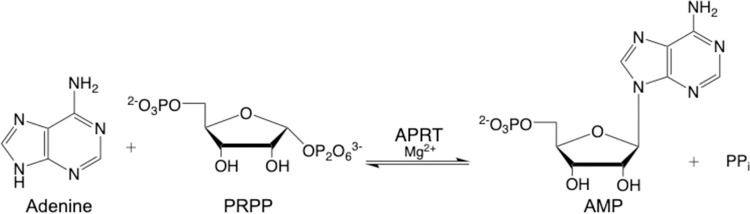
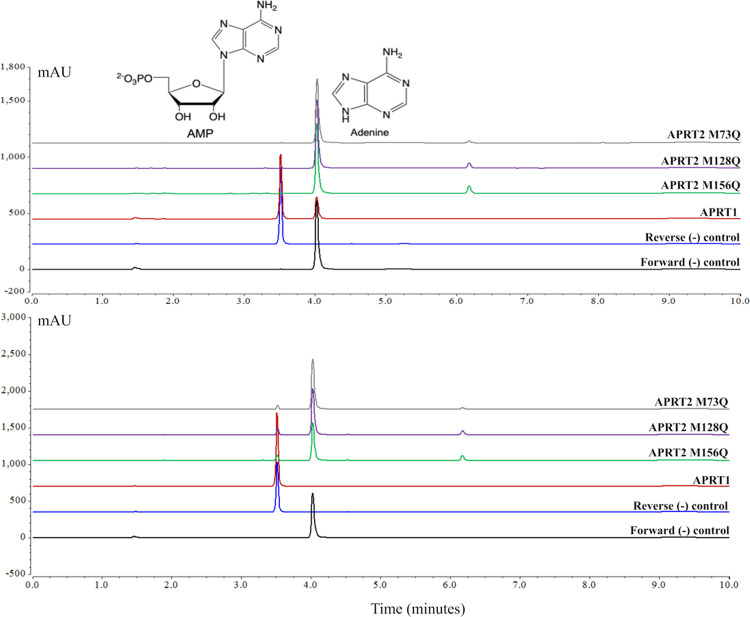
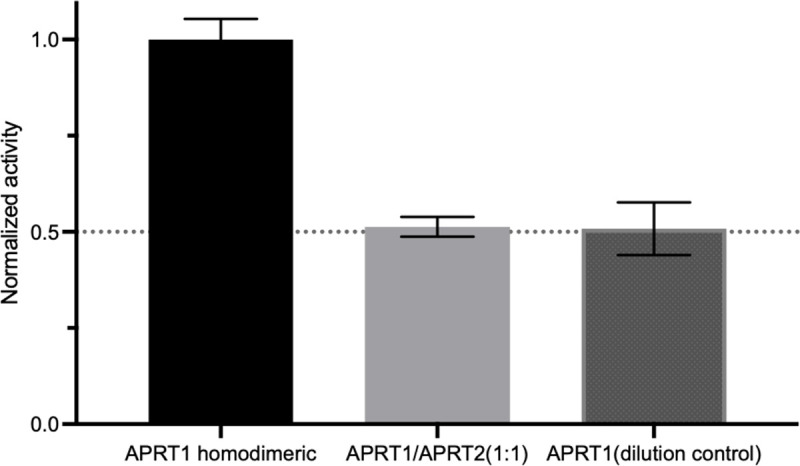
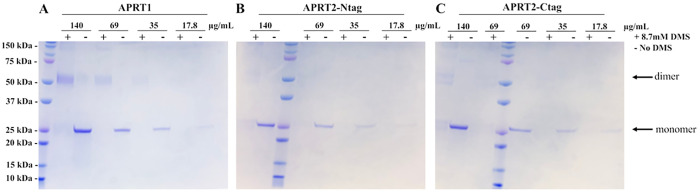
Human African Trypanosomiasis (HAT), also known as sleeping sickness, is a Neglected Tropical Disease endemic to 36 African countries, with approximately 70 million people currently at risk for infection. Current therapeutics are suboptimal due to toxicity, adverse side effects, and emerging resistance. Thus, both effective and affordable treatments are urgently needed. The causative agent of HAT is the protozoan Trypanosoma brucei ssp. Annotation of its genome confirms previous observations that T. brucei is a purine auxotroph. Incapable of de novo purine synthesis, these protozoan parasites rely on purine phosphoribosyltransferases to salvage purines from their hosts for the synthesis of purine monophosphates. Complete and accurate genome annotations in combination with the identification and characterization of the catalytic activity of purine salvage enzymes enables the development of target-specific therapies in addition to providing a deeper understanding of purine metabolism in T. brucei. In trypanosomes, purine phosphoribosyltransferases represent promising drug targets due to their essential and central role in purine salvage. Enzymes involved in adenine and adenosine salvage, such as adenine phosphoribosyltransferases (APRTs, EC 2.4.2.7), are of particular interest for their potential role in the activation of adenine and adenosine-based pro-drugs. Analysis of the T. brucei genome shows two putative aprt genes: APRT1 (Tb927.7.1780) and APRT2 (Tb927.7.1790). Here we report studies of the catalytic activity of each putative APRT, revealing that of the two T. brucei putative APRTs, only APRT1 is kinetically active, thereby signifying a genomic misannotation of Tb927.7.1790 (putative APRT2). Reliable genome annotation is necessary to establish potential drug targets and identify enzymes involved in adenine and adenosine-based pro-drug activation.
人体感染非洲锥虫病(HAT),又称昏睡病,是一种流行于 36 个非洲国家的被忽视热带病,目前约有 7000 万人面临感染风险。由于毒性、不良反应和耐药性的出现,目前的治疗方法并不理想。因此,迫切需要既有效又负担得起的治疗方法。HAT 的病原体是原生动物布氏锥虫亚种。对其基因组的注释证实了先前的观察结果,即布氏锥虫是嘌呤营养缺陷型。这些原生动物寄生虫不能从头合成嘌呤,它们依赖嘌呤磷酸核糖转移酶从宿主中回收嘌呤,用于合成嘌呤单磷酸。完整和准确的基因组注释,结合嘌呤回收酶的催化活性的鉴定和特征,除了提供对布氏锥虫嘌呤代谢的更深入了解外,还能够开发针对特定靶点的治疗方法。在锥虫中,嘌呤磷酸核糖转移酶由于在嘌呤回收中的重要和核心作用,代表了有希望的药物靶点。参与腺嘌呤和腺苷回收的酶,如腺嘌呤磷酸核糖转移酶(APRTs,EC 2.4.2.7),因其在激活腺嘌呤和腺苷基前药中的潜在作用而受到特别关注。对布氏锥虫基因组的分析显示有两个假定的 aprt 基因:APRT1(Tb927.7.1780)和 APRT2(Tb927.7.1790)。在这里,我们报告了对每个假定的 APRT 催化活性的研究,结果表明,在两种布氏锥虫假定的 APRTs 中,只有 APRT1 具有动力学活性,从而表明 Tb927.7.1790(假定的 APRT2)的基因组错注释。可靠的基因组注释对于确定潜在的药物靶点和鉴定参与腺嘌呤和腺苷基前药激活的酶是必要的。