Andrade-Alviárez Diego, Bonive-Boscan Alejandro D, Cáceres Ana J, Quiñones Wilfredo, Gualdrón-López Melisa, Ginger Michael L, Michels Paul A M
Laboratorio de Enzimología de Parásitos, Departamento de Biología, Facultad de Ciencias, Universidad de Los Andes, Mérida, Venezuela.
School of Public Health, University of Alberta, Edmonton, AB, Canada.
Front Cell Dev Biol. 2022 Sep 12;10:979269. doi: 10.3389/fcell.2022.979269. eCollection 2022.
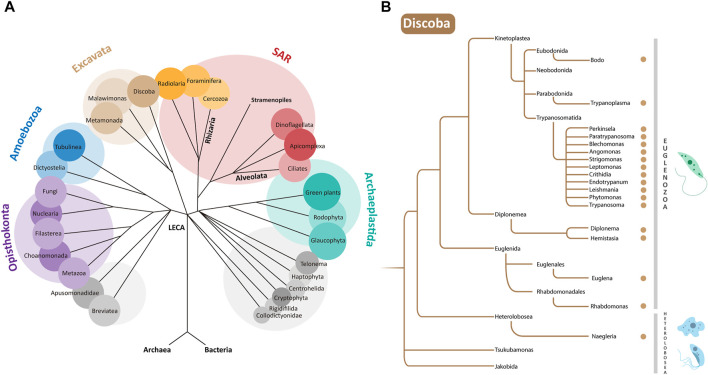
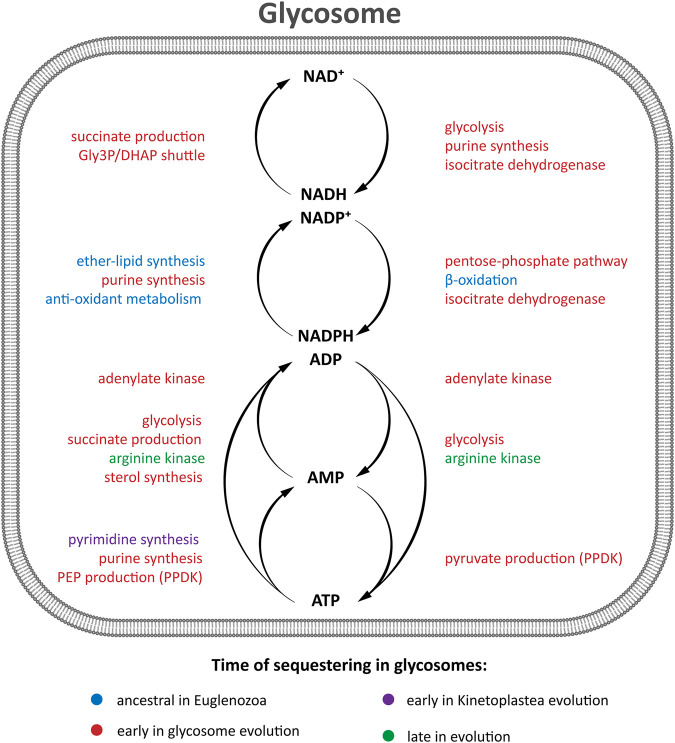
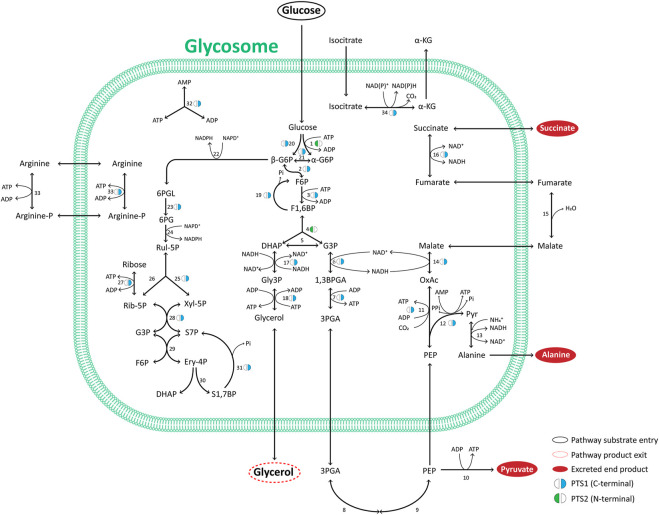
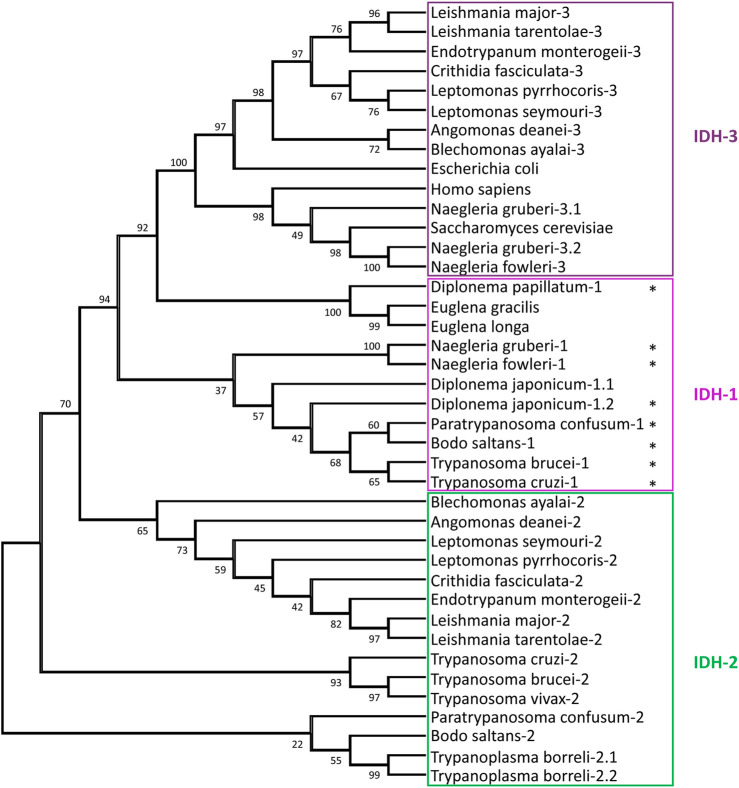
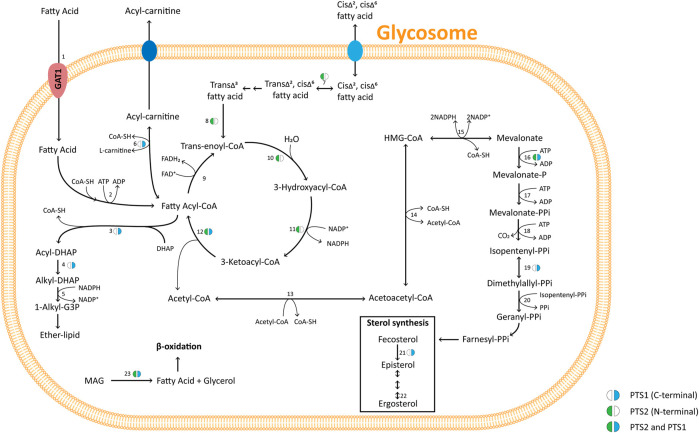
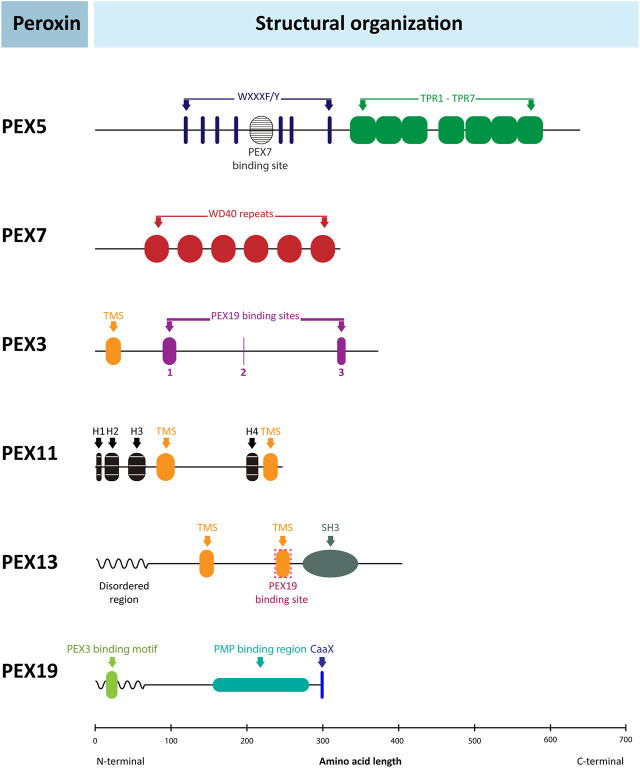
One peculiarity of protists belonging to classes Kinetoplastea and Diplonemea within the phylum Euglenozoa is compartmentalisation of most glycolytic enzymes within peroxisomes that are hence called glycosomes. This pathway is not sequestered in peroxisomes of the third Euglenozoan class, Euglenida. Previous analysis of well-studied kinetoplastids, the 'TriTryps' parasites , and spp., identified within glycosomes other metabolic processes usually not present in peroxisomes. In addition, trypanosomatid peroxins, proteins involved in biogenesis of these organelles, are divergent from human and yeast orthologues. In recent years, genomes, transcriptomes and proteomes for a variety of euglenozoans have become available. Here, we track the possible evolution of glycosomes by querying these databases, as well as the genome , a non-euglenozoan, which belongs to the same protist supergroup Discoba. We searched for orthologues of TriTryps proteins involved in glycosomal metabolism and biogenesis. Predicted cellular location(s) of each metabolic enzyme identified was inferred from presence or absence of peroxisomal-targeting signals. Combined with a survey of relevant literature, we refine extensively our previously postulated hypothesis about glycosome evolution. The data agree glycolysis was compartmentalised in a common ancestor of the kinetoplastids and diplonemids, yet additionally indicates most other processes found in glycosomes of extant trypanosomatids, but not in peroxisomes of other eukaryotes were either sequestered in this ancestor or shortly after separation of the two lineages. In contrast, peroxin divergence is evident in all euglenozoans. Following their gain of pathway complexity, subsequent evolution of peroxisome/glycosome function is complex. We hypothesize compartmentalisation in glycosomes of glycolytic enzymes, their cofactors and subsequently other metabolic enzymes provided selective advantage to kinetoplastids and diplonemids during their evolution in changing marine environments. We contend two specific properties derived from the ancestral peroxisomes were key: existence of nonselective pores for small solutes and the possibility of high turnover by pexophagy. Critically, such pores and pexophagy are characterised in extant trypanosomatids. Increasing amenability of free-living kinetoplastids and recently isolated diplonemids to experimental study means our hypothesis and interpretation of bioinformatic data are suited to experimental interrogation.
眼虫门中动质体纲和双滴虫纲的原生生物的一个独特之处在于,大多数糖酵解酶被分隔在过氧化物酶体中,因此这些过氧化物酶体被称为糖体。这条途径在眼虫门的第三个纲——眼虫纲的过氧化物酶体中并未被隔离。先前对经过充分研究的动质体,即“三锥虫”寄生虫以及锥虫属和锥体虫属的分析,在糖体中鉴定出了通常不存在于过氧化物酶体中的其他代谢过程。此外,参与这些细胞器生物发生的锥虫过氧化物酶蛋白与人类和酵母的直系同源物不同。近年来,多种眼虫门生物的基因组、转录组和蛋白质组已可得。在此,我们通过查询这些数据库以及属于同一原生生物超群双滴虫的非眼虫门生物贾第虫的基因组,追踪糖体可能的进化过程。我们搜索了参与糖体代谢和生物发生的三锥虫蛋白的直系同源物。根据是否存在过氧化物酶体靶向信号推断所鉴定的每种代谢酶的预测细胞定位。结合对相关文献的调研,我们大幅完善了我们先前提出的关于糖体进化的假说。数据表明糖酵解在动质体和双滴虫的共同祖先中就已被分隔,但此外还表明,现存锥虫糖体中发现的大多数其他过程,而在其他真核生物的过氧化物酶体中不存在的这些过程,要么在这个祖先中就已被隔离,要么在这两个谱系分离后不久就被隔离。相比之下,过氧化物酶蛋白的差异在所有眼虫门生物中都很明显。随着它们代谢途径复杂性的增加,过氧化物酶体/糖体功能的后续进化很复杂。我们推测,糖酵解酶及其辅因子以及随后其他代谢酶在糖体中的分隔,在动质体和双滴虫在不断变化的海洋环境中进化期间为它们提供了选择优势。我们认为源自祖先过氧化物酶体的两个特定特性很关键:存在对小溶质的非选择性孔以及通过过氧化物酶体自噬进行高周转率的可能性。至关重要的是,现存锥虫中具有这样的孔和过氧化物酶体自噬。自由生活的动质体和最近分离出的双滴虫对实验研究的适应性不断提高,这意味着我们对生物信息数据的假说和解释适合进行实验探究。