Department of Systems Biology, Columbia University Irving Medical Center, 1130 Saint Nicholas Ave., New York, NY 10032, USA.
Pharmaceutical and Biomedical Sciences, University of Georgia, 250 W. Green Street, Athens, GA 30602, USA.
Cell Rep Med. 2022 Jan 18;3(1):100492. doi: 10.1016/j.xcrm.2021.100492.
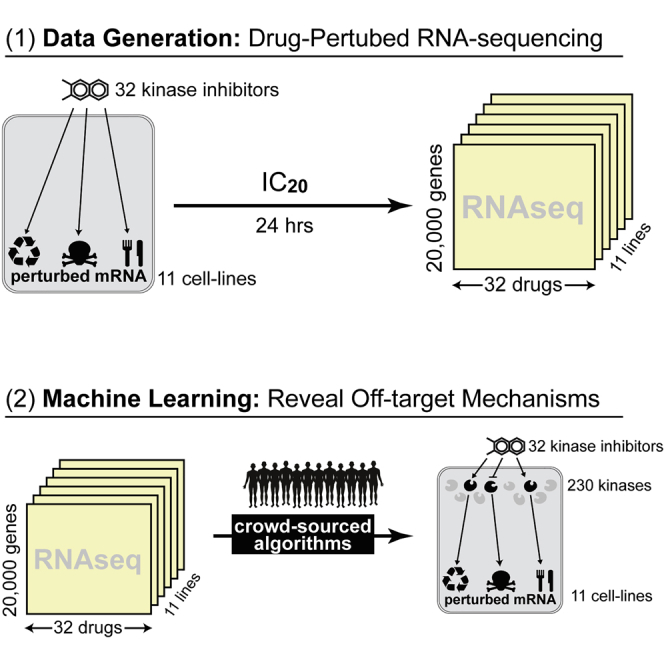
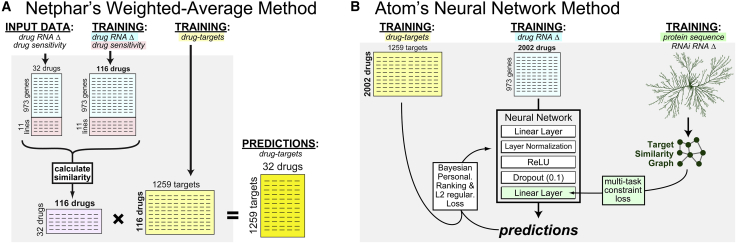
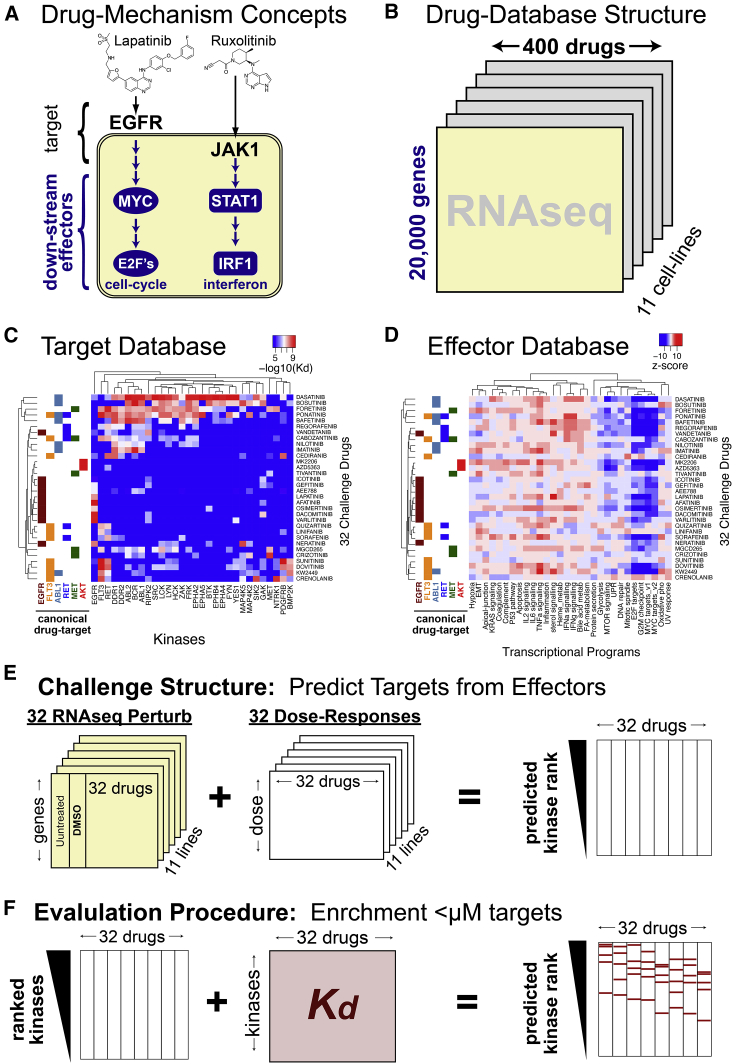
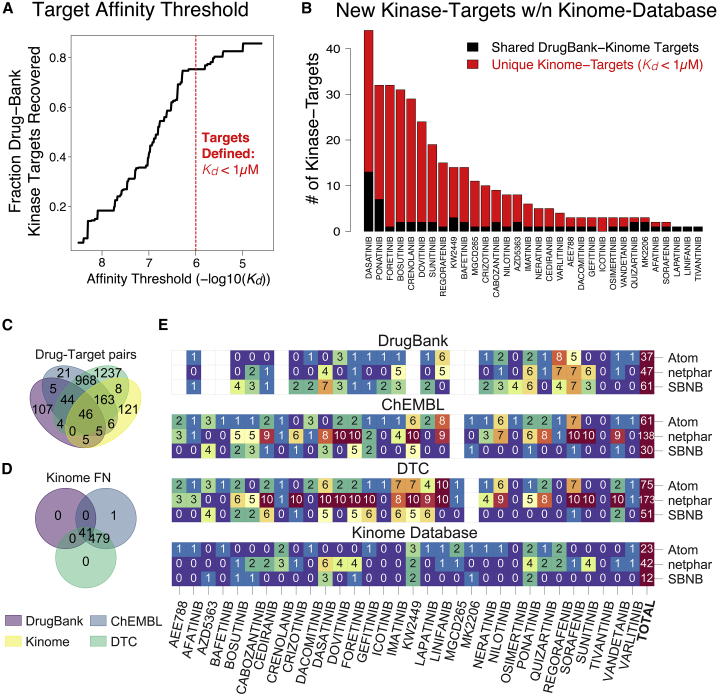
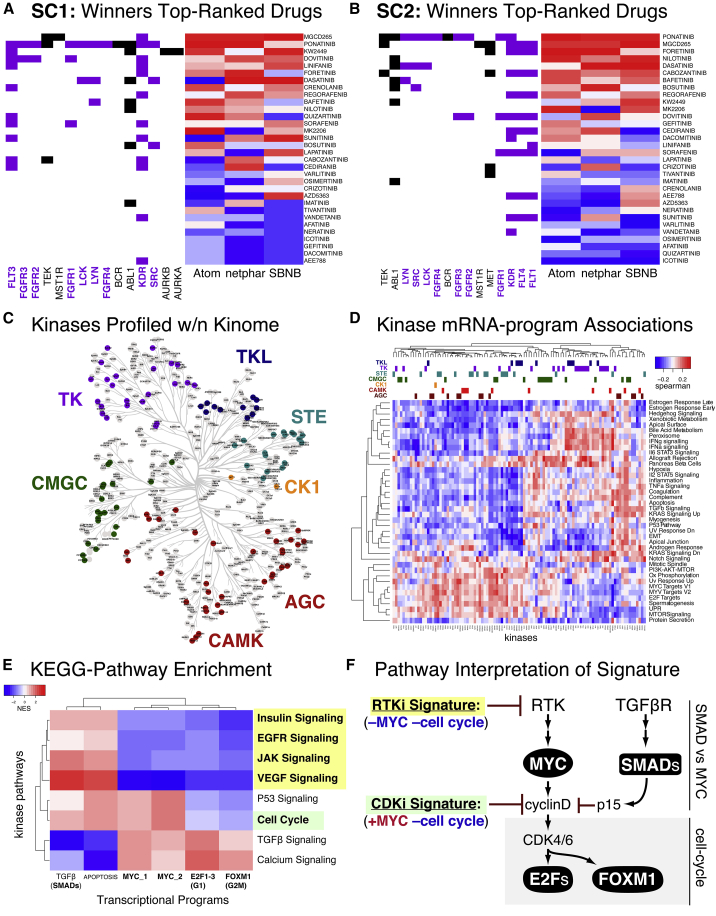
The Columbia Cancer Target Discovery and Development (CTD2) Center is developing PANACEA, a resource comprising dose-responses and RNA sequencing (RNA-seq) profiles of 25 cell lines perturbed with ∼400 clinical oncology drugs, to study a tumor-specific drug mechanism of action. Here, this resource serves as the basis for a DREAM Challenge assessing the accuracy and sensitivity of computational algorithms for drug polypharmacology predictions. Dose-response and perturbational profiles for 32 kinase inhibitors are provided to 21 teams who are blind to the identity of the compounds. The teams are asked to predict high-affinity binding targets of each compound among ∼1,300 targets cataloged in DrugBank. The best performing methods leverage gene expression profile similarity analysis as well as deep-learning methodologies trained on individual datasets. This study lays the foundation for future integrative analyses of pharmacogenomic data, reconciliation of polypharmacology effects in different tumor contexts, and insights into network-based assessments of drug mechanisms of action.
哥伦比亚癌症靶标发现和开发(CTD2)中心正在开发 PANACEA,这是一个包含 25 种细胞系在受到约 400 种临床肿瘤药物干扰后的剂量反应和 RNA 测序(RNA-seq)图谱的资源,用于研究肿瘤特异性药物作用机制。在这里,该资源作为 DREAM 挑战赛的基础,评估计算算法在药物多效性预测中的准确性和敏感性。32 种激酶抑制剂的剂量反应和扰动图谱提供给 21 个团队,这些团队对化合物的身份一无所知。要求团队预测每个化合物在 DrugBank 中约 1300 个目标目录中的高亲和力结合靶标。表现最好的方法利用基因表达谱相似性分析以及针对单个数据集进行训练的深度学习方法。这项研究为未来的药物基因组学数据综合分析、不同肿瘤环境中多效性作用的协调以及基于网络的药物作用机制评估奠定了基础。