Selvi Issaura Dwi
UIN Sunan Kalijaga, Yogyakarta, Indonesia.
Heliyon. 2022 Jan 20;8(1):e08790. doi: 10.1016/j.heliyon.2022.e08790. eCollection 2022 Jan.
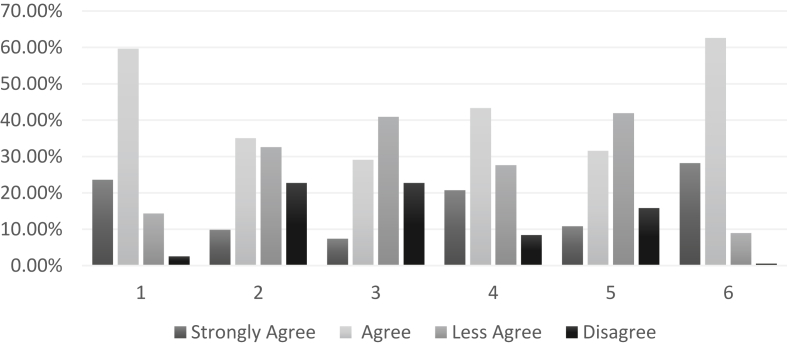
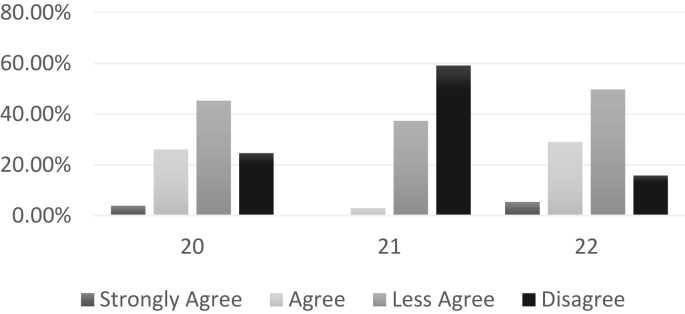
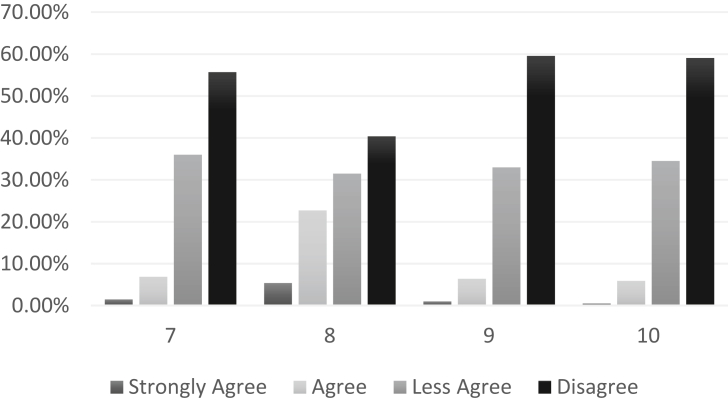
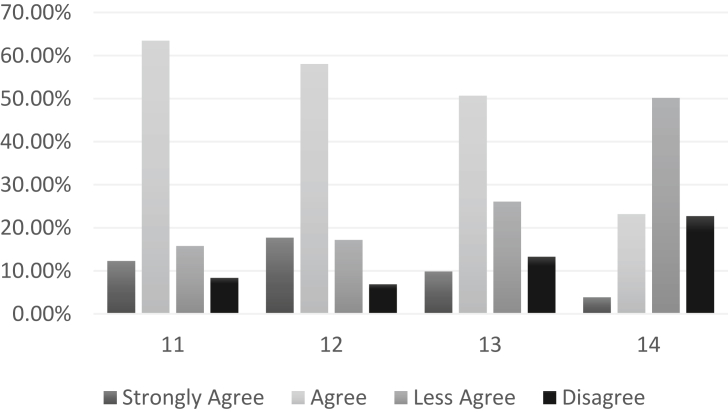
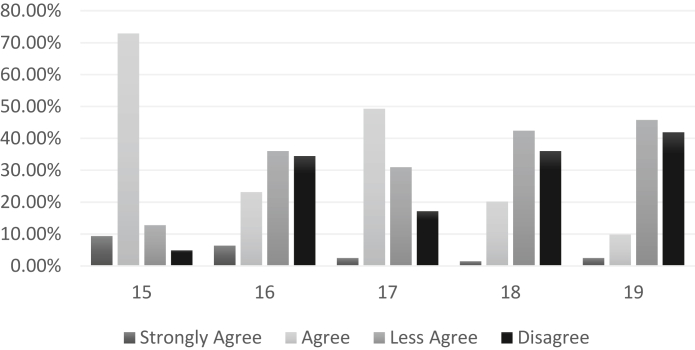
The Indonesian government has made a policy requiring parents and children to work and study from home (WFH) during the COVID-19 pandemic. Although this policy was meant to limit the spread of the virus and its effects, it has caused psychological trauma, increased stress on parents, and raised child abuse. Therefore, this study aimed to examine the issue of child abuse during online learning, its underlying factors, and its implications on children's mental health. A descriptive qualitative method was used along with a survey technique utilizing Google Forms, involving 317 parents as respondents. The results showed that there was physical, emotional, and verbal child abuse and negligence during online learning. This happened because children were often assumed of neglecting studies and misusing gadgets. Furthermore, the stress levels in parents increased due to the dual role, i.e, working and being teachers at home.
印度尼西亚政府制定了一项政策,要求家长和孩子在新冠疫情期间居家工作和学习。尽管这项政策旨在限制病毒传播及其影响,但它却造成了心理创伤,增加了家长的压力,并导致虐待儿童事件增多。因此,本研究旨在探讨在线学习期间的虐待儿童问题、其潜在因素以及对儿童心理健康的影响。研究采用了描述性定性方法,并运用谷歌表单进行调查,共有317名家长作为受访者。结果显示,在线学习期间存在身体、情感和言语虐待儿童以及忽视儿童的情况。之所以出现这种情况,是因为人们常常认为孩子疏于学习且滥用电子设备。此外,由于要兼顾工作和在家当老师这双重角色,家长的压力水平有所增加。