Young Jesse W, Foster Adam D, Russo Gabrielle A, Smith Gregory A, Butcher Michael T
Department of Anatomy and Neurobiology, Northeast Ohio Medical University (NEOMED), Rootstown, OH 44272, USA.
Department of Anatomy, School of Osteopathic Medicine, Campbell University, Buies Creek, NC 27506, USA.
Integr Org Biol. 2022 Jan 6;4(1):obab037. doi: 10.1093/iob/obab037. eCollection 2022.
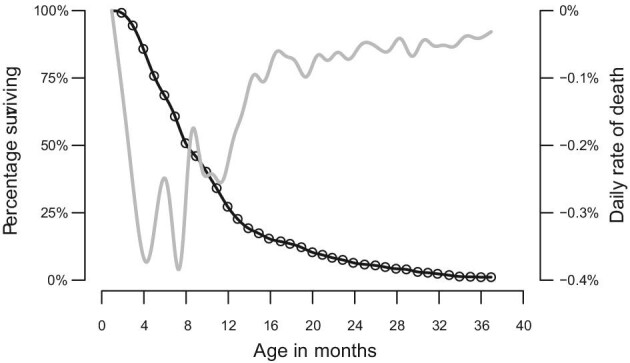
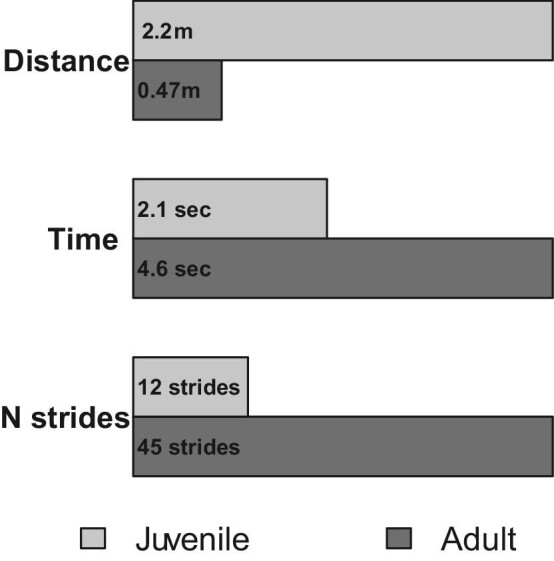
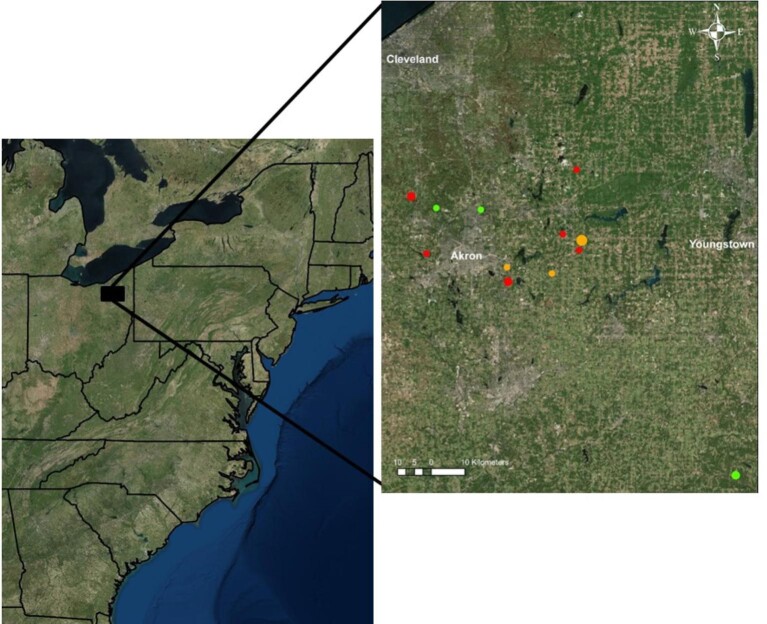
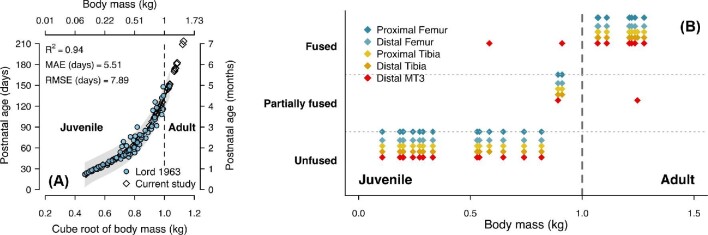
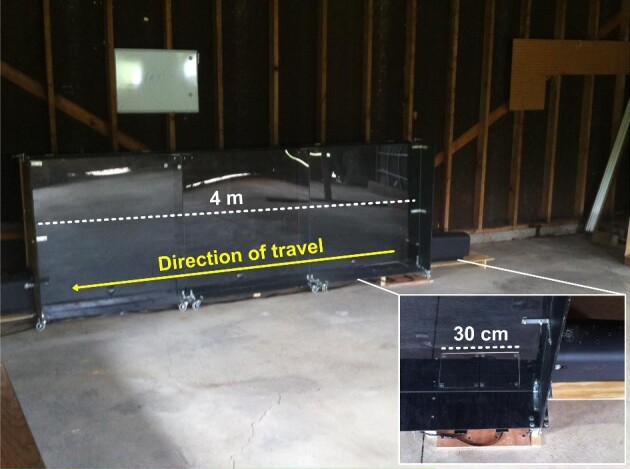
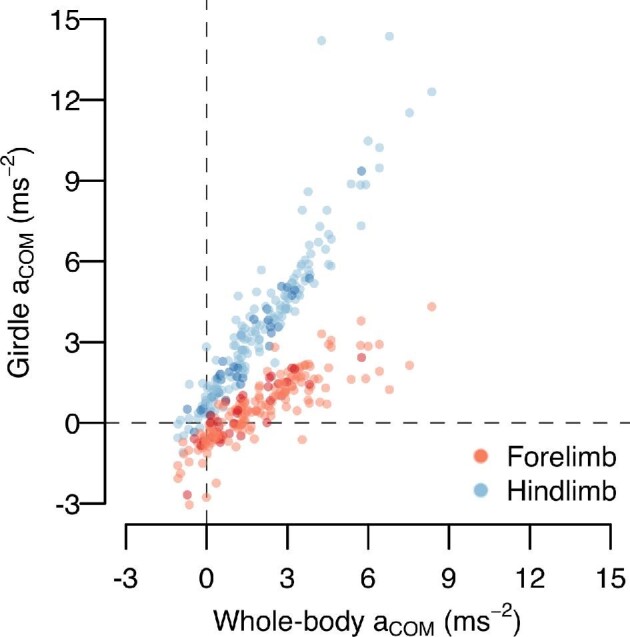
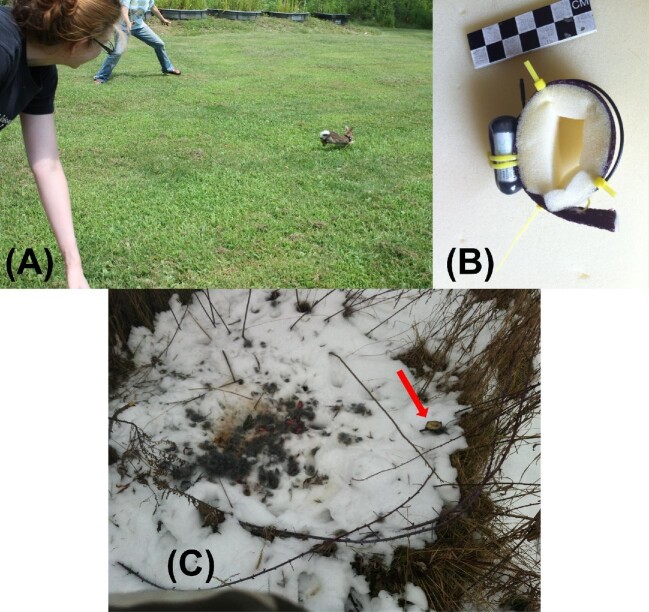
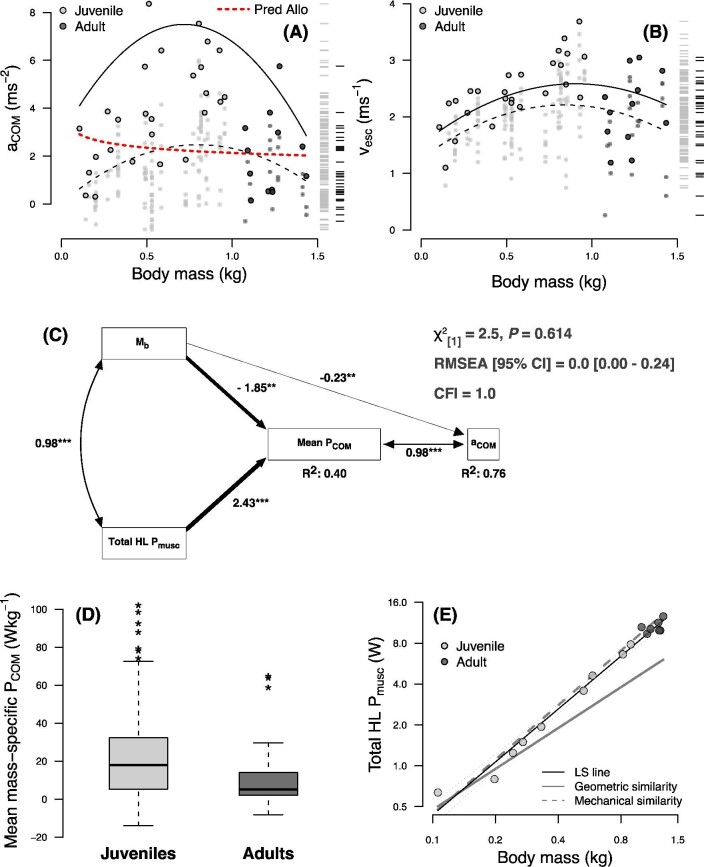
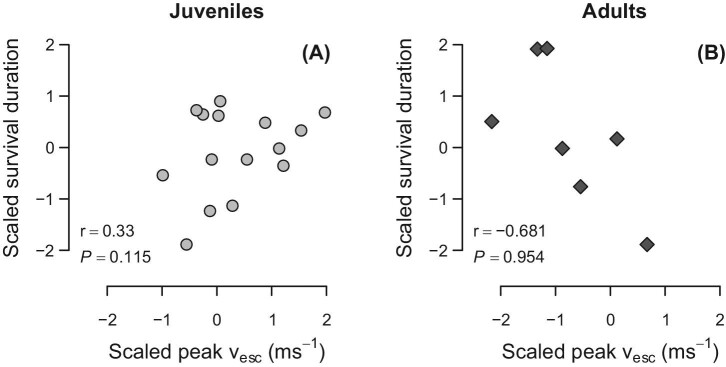
For many animals, the juvenile stage of life can be particularly perilous. Once independent, immature animals must often complete the same basic survival functions as adults despite smaller body size and other growth-related limits on performance. Because, by definition, juveniles have yet to reproduce, we should expect strong selection for mechanisms to offset these ontogenetic limitations, allowing individuals to reach reproductive adulthood and maintain Darwinian fitness. We use an integrated ontogenetic dataset on morphology, locomotor performance, and longevity in wild cottontail rabbits (, Allen 1848) to test the hypothesis that prey animals are under selective pressure to maximize juvenile performance. We predicted that (1) juveniles would accelerate more quickly than adults, allowing them to reach adult-like escape speeds, and (2) juveniles with greater levels of performance should survive for longer durations in the wild, thus increasing their reproductive potential. Using high-speed video and force platform measurements, we quantified burst acceleration, escape speed, and mechanical power production in 38 wild-caught (26 juveniles, 12 adults; all rabbits >1 kg in body mass were designated to be adults, based on published growth curves and evidence of epiphyseal fusion). A subsample of 22 rabbits (15 juveniles, 7 adults) was fitted with radio-telemetry collars for documenting survivorship in the wild. We found that acceleration and escape speed peaked in the late juvenile period in , at an age range that coincides with a period of pronounced demographic attrition in wild populations. Differences in mass-specific mechanical power production explained ∼75% of the variation in acceleration across the dataset, indicating that juvenile rabbits outpace adults by producing more power per unit body mass. We found a positive, though non-significant, association between peak escape speed and survivorship duration in the wild, suggesting a complex relationship between locomotor performance and fitness in growing .
对于许多动物来说,幼年阶段可能特别危险。一旦独立,未成熟的动物尽管体型较小且存在其他与生长相关的性能限制,但通常仍必须完成与成年动物相同的基本生存功能。根据定义,幼年动物尚未繁殖,因此我们预计会有强烈的选择压力促使形成抵消这些个体发育限制的机制,使个体能够达到繁殖成年期并维持达尔文适应性。我们使用了关于野生棉尾兔(艾伦,1848年)的形态、运动性能和寿命的综合个体发育数据集,来检验被捕食动物面临最大化幼年性能的选择压力这一假设。我们预测:(1)幼兔比成年兔加速更快,使其能够达到类似成年兔的逃逸速度;(2)性能水平较高的幼兔在野外存活时间更长,从而增加其繁殖潜力。通过高速视频和力平台测量,我们量化了38只野生捕获兔(26只幼兔,12只成年兔;根据已发表的生长曲线和骨骺融合证据,所有体重>1千克的兔子被指定为成年兔)的爆发加速度、逃逸速度和机械功率产生。对22只兔子(15只幼兔,7只成年兔)的子样本佩戴无线电遥测项圈,以记录其在野外的存活情况。我们发现,加速度和逃逸速度在棉尾兔的幼年后期达到峰值,这个年龄范围与野生种群中明显的种群数量减少期相吻合。特定质量机械功率产生的差异解释了整个数据集中加速度变化的约75%,这表明幼兔通过每单位体重产生更多功率而超过成年兔。我们发现峰值逃逸速度与在野外的存活持续时间之间存在正相关但不显著的关系,这表明在生长中的棉尾兔中运动性能与适应性之间存在复杂关系。