School of Chemical, Materials and Biomedical Engineering, College of Engineering, University of Georgia, Athens, Georgia 30602, United States.
Pharmaceutical and Biomedical Sciences Department, College of Pharmacy, University of Georgia, Athens, Georgia 30602, United States.
ACS Appl Bio Mater. 2022 Feb 21;5(2):700-710. doi: 10.1021/acsabm.1c01130. Epub 2022 Feb 4.
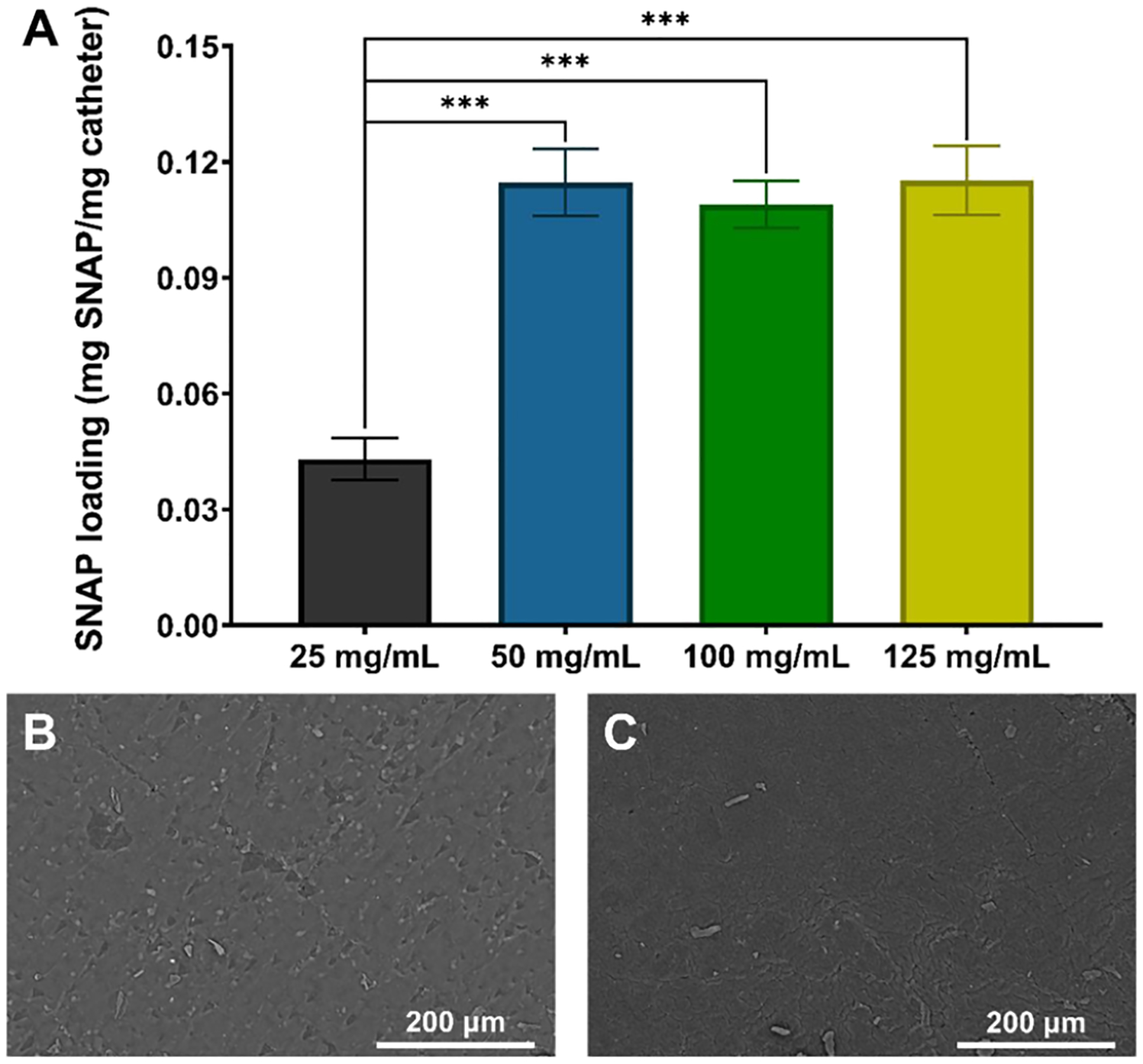
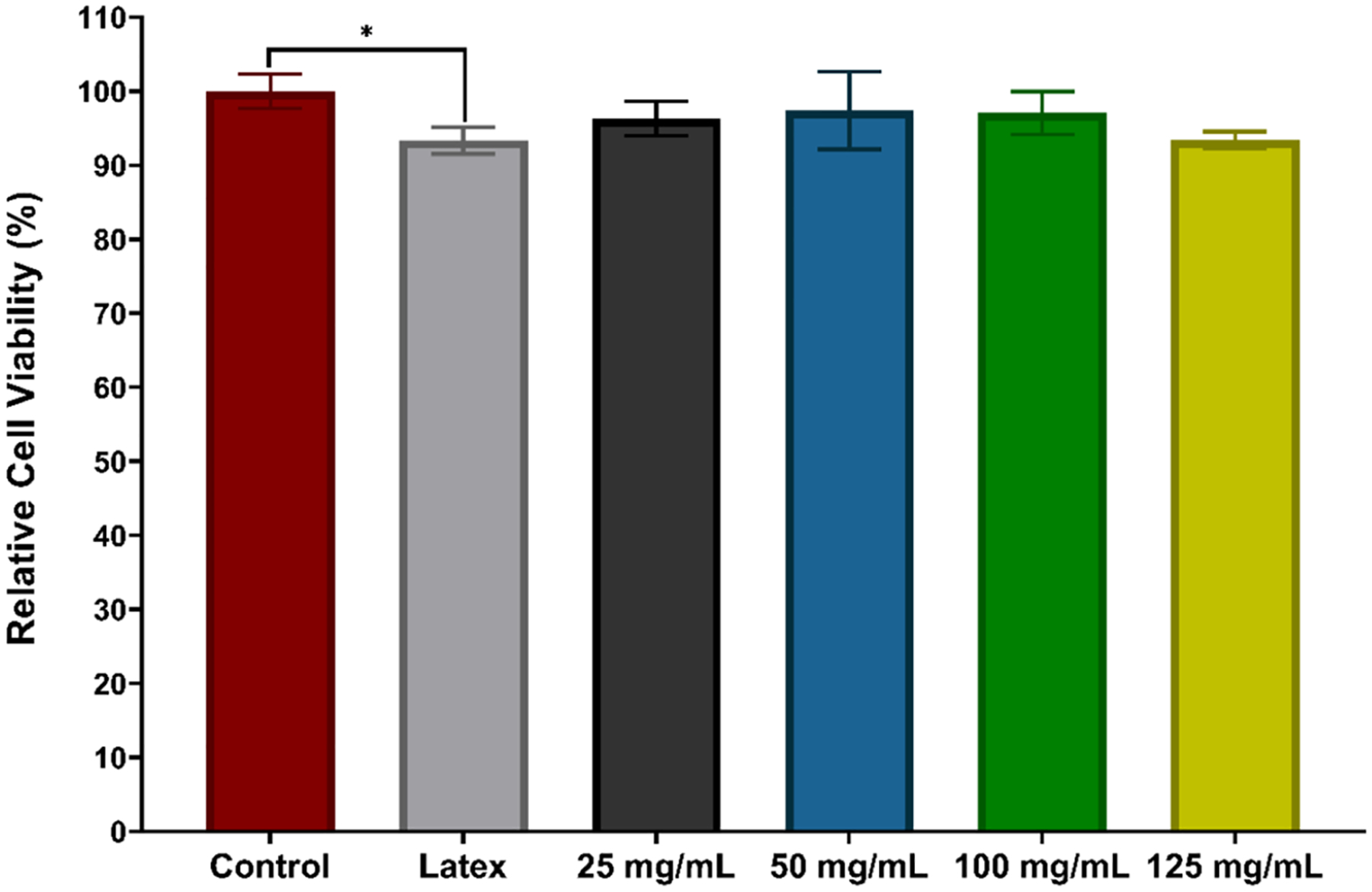
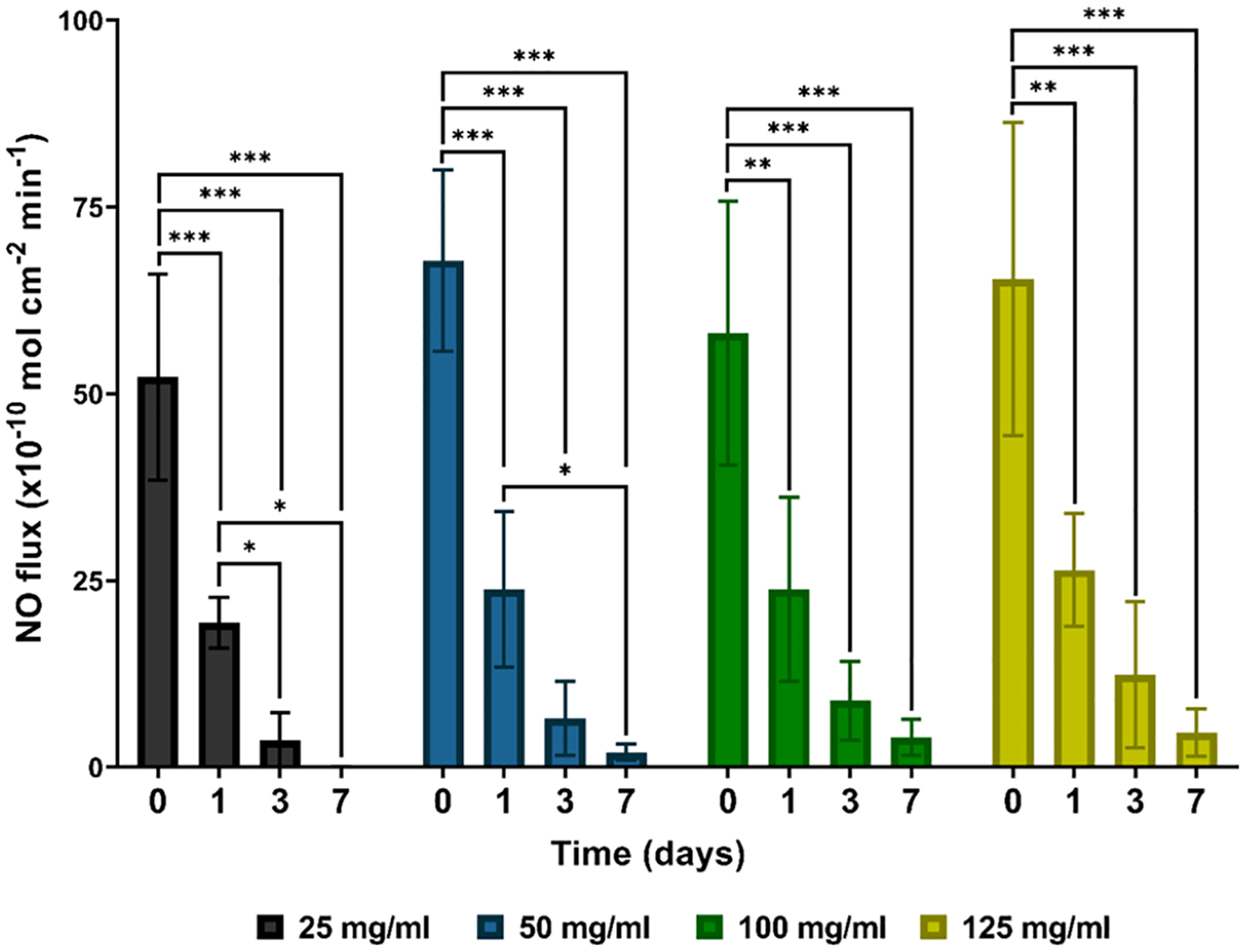
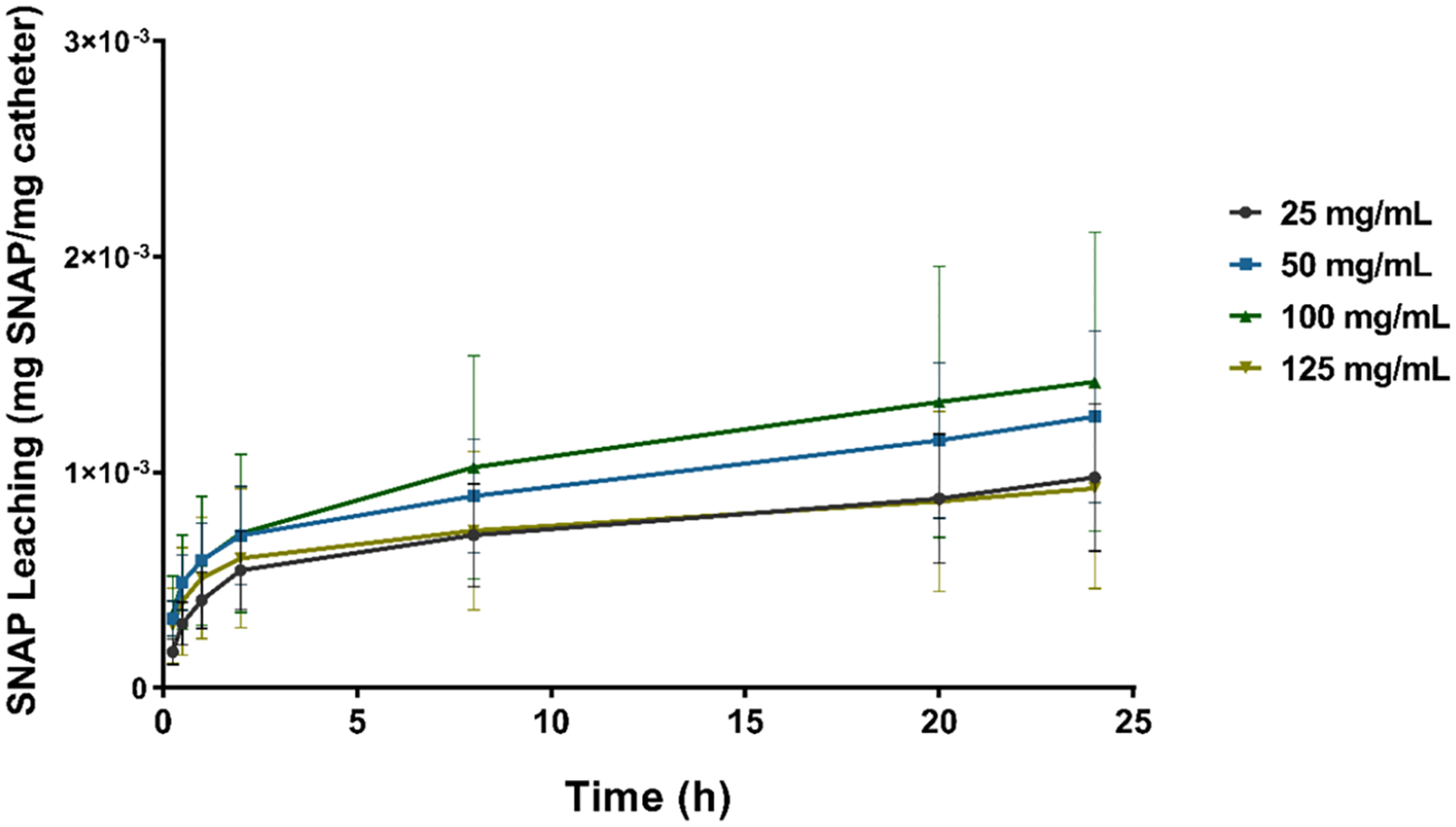
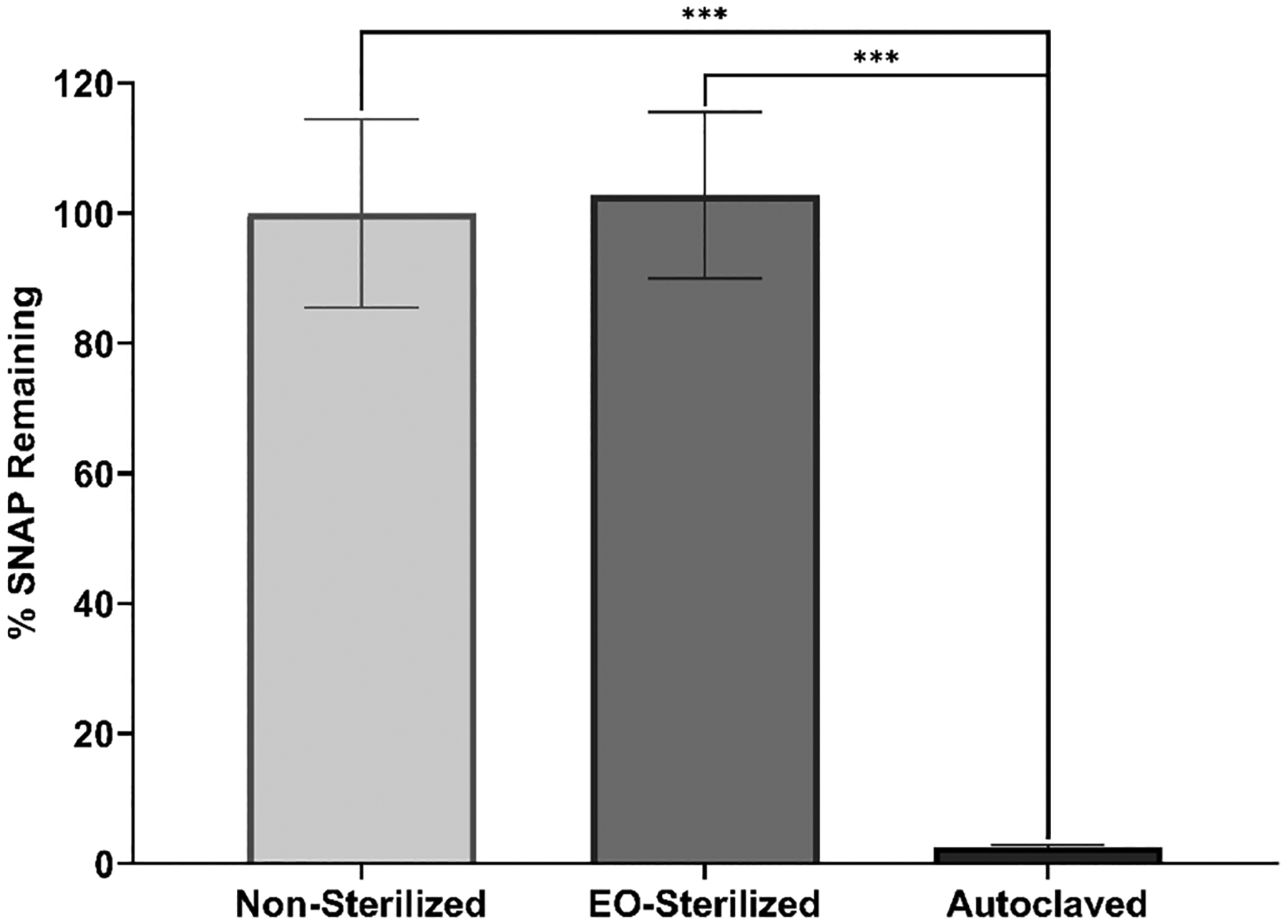
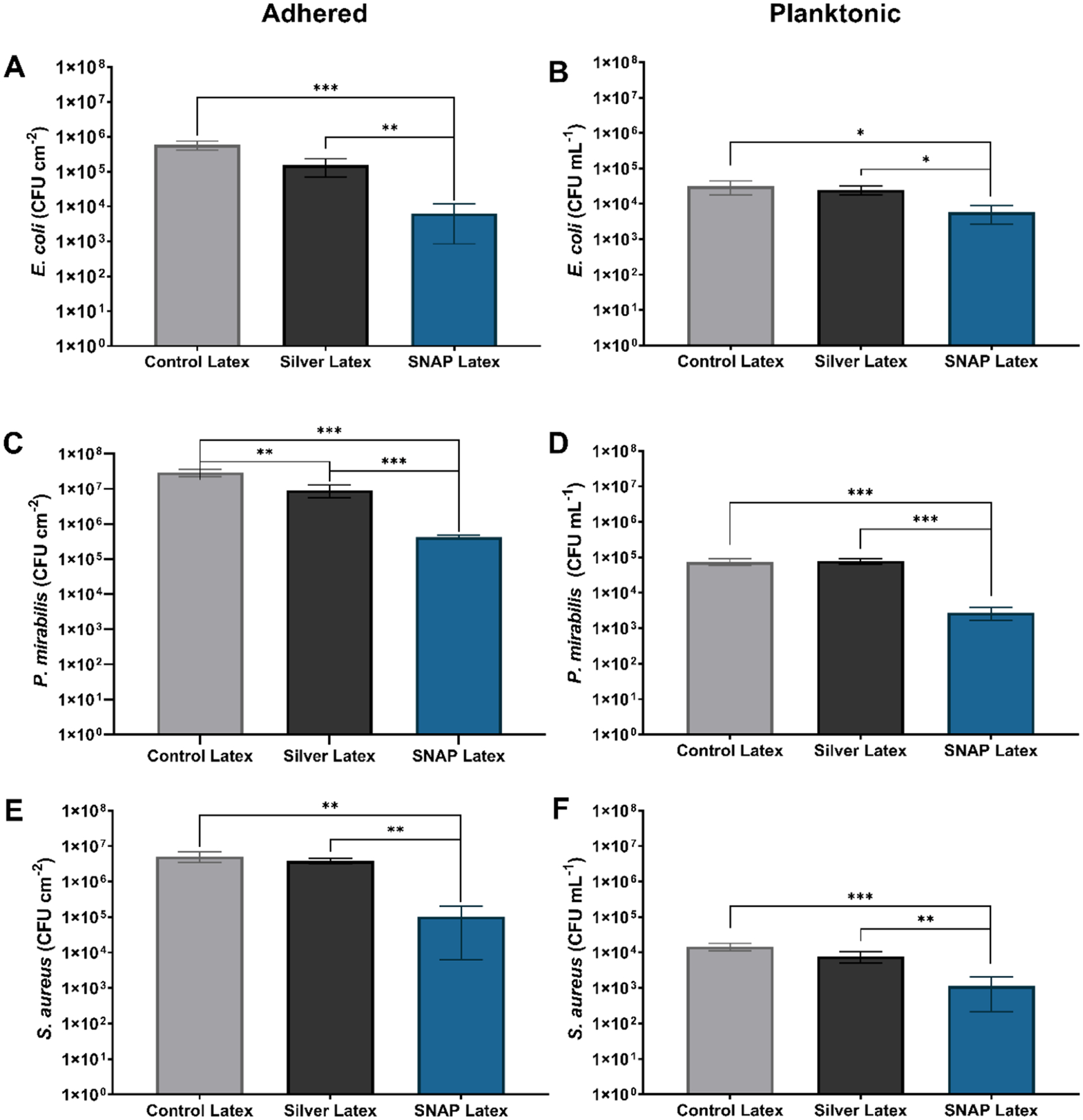
Although numerous prevention and intervention techniques have been developed to counteract catheter-associated urinary tract infections (CAUTIs), urinary catheters remain one of the most common sources of hospital-acquired infections. Nitric oxide (NO), a gaseous free radical responsible for regulating many physiological functions in the body, has gained immense popularity due to its potent, broad-spectrum antimicrobial activity, which is capable of combating medical device-associated infections. In this work, a straightforward solvent-swelling method was used to load the NO donor -nitroso--acetyl-penicillamine (SNAP) into commercial latex catheters (SNAP-UCs) for the first time. The effects of swelling catheters with different concentrations of SNAP solutions (25-125 mg/mL SNAP in tetrahydrofuran (THF)) were studied by measuring the NO release kinetics, SNAP loading, and SNAP leaching. SNAP-UCs impregnated with a 50 mg/mL SNAP-THF solution were found to maximize the amount of SNAP loaded into the latex (0.115 ± 0.009 mg SNAP/mg catheter) and showed physiological levels of NO release (>2 × 10 mol min cm) over 7 days and minimal SNAP leaching (<2%). SNAP-UCs showed impressive in vitro contact-based and diffusible antimicrobial efficacy against three CAUTI-associated pathogens, reducing the viability of adhered and planktonic , , and by ∼98.0 to 99.1% (adhered) and 86.3-96.3% (planktonic) compared to control latex catheters. In vitro cytotoxicity against 3T3 mouse fibroblasts using a CCK-8 assay showed that SNAP-UCs were noncytotoxic (>90% viability). In summary, SNAP-UCs show stable, noncytotoxic NO release characteristics capable of potent, broad-spectrum antimicrobial activity, demonstrating great potential for reducing the devastating effects associated with CAUTIs.
尽管已经开发出许多预防和干预技术来对抗与导管相关的尿路感染(CAUTI),但导尿管仍然是医院获得性感染最常见的来源之一。一氧化氮(NO)是一种气体自由基,负责调节体内许多生理功能,由于其强大的广谱抗菌活性,已经获得了广泛的关注,能够对抗与医疗器械相关的感染。在这项工作中,首次使用简单的溶剂溶胀法将一氧化氮供体 -亚硝基--乙酰青霉胺(SNAP)负载到商业乳胶导管(SNAP-UCs)中。通过测量 NO 释放动力学、SNAP 负载和 SNAP 浸出,研究了用不同浓度的 SNAP 溶液(25-125 mg/mL SNAP 在四氢呋喃(THF)中)溶胀导管的效果。结果发现,用 50 mg/mL SNAP-THF 溶液浸渍的 SNAP-UCs 最大限度地将 SNAP 负载到乳胶中(0.115 ± 0.009 mg SNAP/mg 导管),并在 7 天内显示出生理水平的 NO 释放(>2 × 10 mol min cm),最小的 SNAP 浸出(<2%)。SNAP-UCs 对三种与 CAUTI 相关的病原体表现出令人印象深刻的基于接触和扩散的体外抗菌功效,与对照乳胶导管相比,将附着和浮游状态的 、 和 的活力降低了约 98.0%至 99.1%(附着)和 86.3%至 96.3%(浮游)。使用 CCK-8 测定法对 3T3 小鼠成纤维细胞进行体外细胞毒性试验表明,SNAP-UCs 无细胞毒性(>90%活力)。总之,SNAP-UCs 表现出稳定的、无细胞毒性的 NO 释放特性,具有强大的广谱抗菌活性,为降低与 CAUTI 相关的破坏性影响提供了巨大的潜力。