Morgan Rosemary, Tan Heang-Lee, Oveisi Niki, Memmott Christina, Korzuchowski Alexander, Hawkins Kate, Smith Julia
Johns Hopkins Bloomberg School of Public Health, 615 North Wolfe St., Baltimore, MD 21205, United States.
University of British Columbia, Pharmaceutical Sciences Building, 2405 Wesbrook Mall, Vancouver, BC V6T 1Z3, Canada.
Int J Nurs Stud Adv. 2022 Dec;4:100066. doi: 10.1016/j.ijnsa.2022.100066. Epub 2022 Jan 30.
Throughout the COVID-19 pandemic, as measures have been taken to both prevent the spread of COVID-19 and provide care to those who fall ill, healthcare workers have faced added risks to their health and wellbeing. These risks are disproportionately felt by women healthcare workers, yet health policies do not always take a gendered approach.
The objective of this review was to identify the gendered effects of crises on women healthcare workers' health and wellbeing, as well as to provide guidance for decision-makers on health systems policies and programs that could better support women healthcare workers.
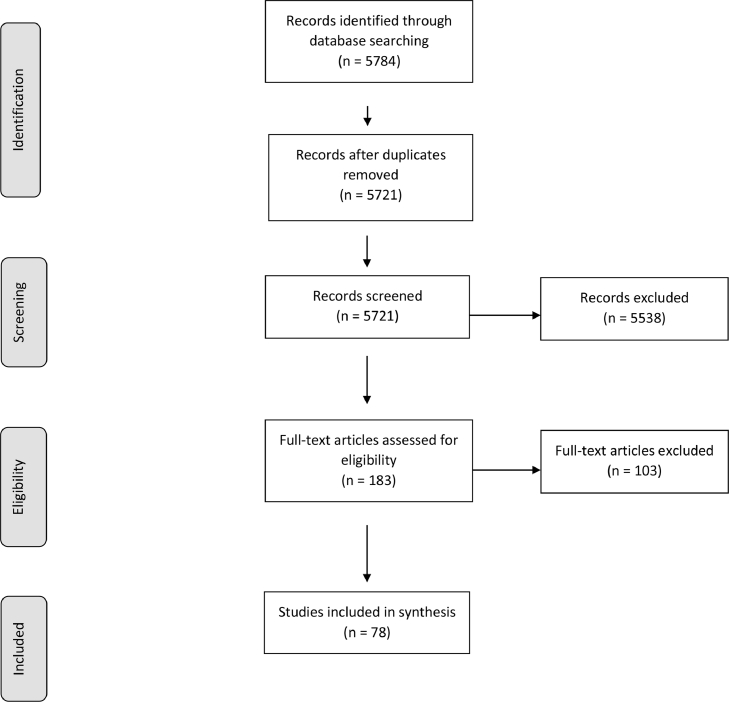
A scoping review of published academic literature was conducted. PubMed, EMBASE, and CINAHL were searched using combinations of relevant medical subject headings and keywords. Data was extracted using a thematic coding framework. Seventy-six articles met the inclusion criteria.
During disease outbreaks women healthcare workers were found to experience: a higher risk of exposure and infection; barriers to accessing personal protective equipment; increased workloads; decreased leadership and decision-making opportunities; increased caregiving responsibilities in the home when schools and childcare supports were restricted; and higher rates of mental ill-health, including depression, anxiety, and post-traumatic stress disorder. There was a lack of attention paid to gender and the health workforce during times of crisis prior to COVID-19, and there is a substantial gap in research around the experiences of women healthcare workers in low- and middle-income countries during times of crises.
COVID-19 provides an opportunity to develop gender-responsive crisis preparedness plans within the health sector. Without consideration of gender, crises will continue to exacerbate existing gender disparities, resulting in disproportionate negative impacts on women healthcare workers. The findings point to several important recommendations to better support women healthcare workers, including: workplace mental health support, economic assistance to counteract widening pay gaps, strategies to support their personal caregiving duties, and interventions that support and advance women's careers and increase their representation in leadership roles.
在整个新冠疫情大流行期间,为了预防新冠病毒传播并为患病者提供护理,医护人员的健康和福祉面临着更多风险。女性医护人员受到的这些风险影响尤为严重,但卫生政策并不总是采取性别视角。
本综述的目的是确定危机对女性医护人员健康和福祉的性别差异影响,并为决策者提供有关卫生系统政策和项目的指导,以便更好地支持女性医护人员。
对已发表的学术文献进行了范围综述。使用相关医学主题词和关键词的组合在PubMed、EMBASE和CINAHL数据库中进行检索。采用主题编码框架提取数据。76篇文章符合纳入标准。
在疾病暴发期间,发现女性医护人员面临以下情况:暴露和感染风险更高;获取个人防护装备存在障碍;工作量增加;领导和决策机会减少;当学校和儿童保育支持受到限制时,家庭护理责任增加;心理健康问题发生率更高,包括抑郁、焦虑和创伤后应激障碍。在新冠疫情之前的危机时期,性别与卫生人力问题缺乏关注,关于低收入和中等收入国家女性医护人员在危机时期经历的研究存在很大差距。
新冠疫情为在卫生部门制定性别敏感的危机应对计划提供了契机。如果不考虑性别因素,危机将继续加剧现有的性别差距,对女性医护人员产生不成比例的负面影响。研究结果指出了一些更好地支持女性医护人员的重要建议,包括:工作场所心理健康支持、经济援助以应对不断扩大的薪酬差距、支持其个人护理职责的策略,以及支持和促进女性职业发展并增加其在领导岗位代表性的干预措施。