Price Richard L, Charlot Kaarina V, Frieler Sven, Dettori Joseph R, Oskouian Rod, Chapman Jens R
526590Swedish Neuroscience Institute, Seattle, WA, USA.
Department of Neurosurgery, Washington University in St. Louis, St. Louis, MO, USA.
Global Spine J. 2022 Mar;12(2):343-352. doi: 10.1177/21925682211065411. Epub 2022 Feb 7.
To critically analyze the evidence and efficacy of cannabis to treat surgical and nonsurgical back pain via a Systematic Review.
We conducted a systematic review to investigate the efficacy of cannabis to treat non-surgical and surgical back pain. A literature search was performed with MEDLINE and Embase databases. Only RCTs and prospective cohort studies with concurrent control were included in this study. Risk of bias and quality grading was assessed for each included study.
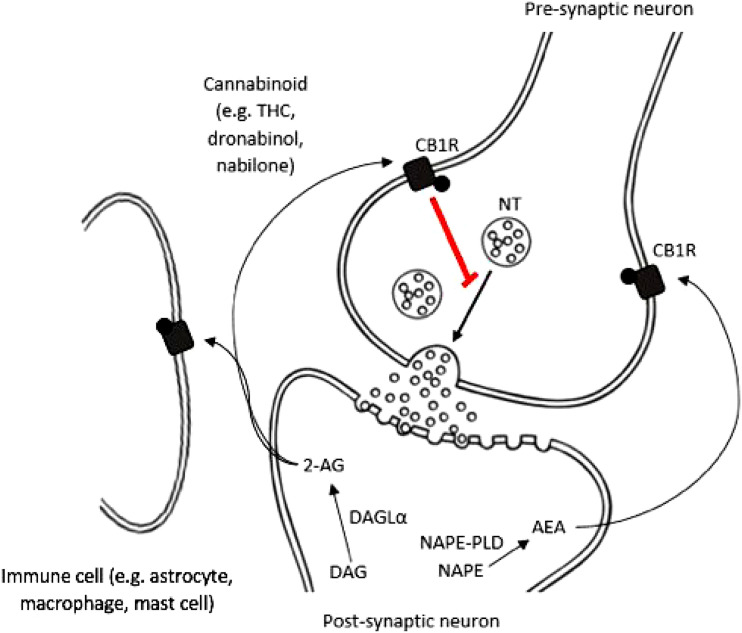
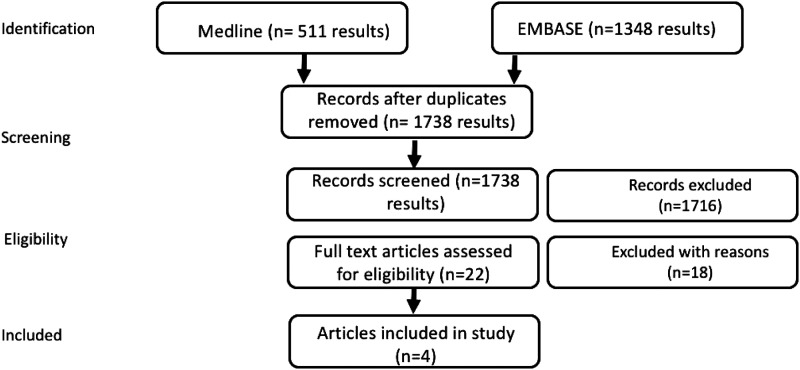
Database searches returned 1738 non-duplicated results. An initial screening excluded 1716 results. Twenty-two full text articles were assessed for eligibility. Four articles ultimately met pre-determined eligibility and were included in the study. Two studies addressed post-SCI pain while other two studies addressed low back pain. No studies specifically examined the use of cannabis for surgical back pain. The type of cannabis varied between study and included THC, dronabinol, and Nabilone. A total of 110 patients were included in the four studies reviewed. In each study, there was a quantifiable advantage of cannabis therapy for alleviating back pain. There were no serious adverse effects reported.
In all articles, cannabis was shown to be effective to treat back pain with an acceptable side effect profile. However, long-term follow up is lacking. As medicinal cannabis is being used more commonly for analgesic effect and patients are "self-prescribing" cannabis for back pain, additional studies are needed for healthcare providers to confidently recommend cannabis therapy for back pain.
Systematic review.
通过系统评价,批判性地分析大麻治疗手术及非手术性背痛的证据和疗效。
我们进行了一项系统评价,以研究大麻治疗非手术性和手术性背痛的疗效。使用MEDLINE和Embase数据库进行文献检索。本研究仅纳入随机对照试验(RCT)和有同期对照的前瞻性队列研究。对每项纳入研究评估偏倚风险和质量分级。
数据库检索返回1738条非重复结果。初步筛选排除1716条结果。对22篇全文文章进行了资格评估。最终有4篇文章符合预定资格并纳入研究。两项研究涉及脊髓损伤后疼痛,另外两项研究涉及下背痛。没有研究专门考察大麻用于手术性背痛的情况。不同研究中使用的大麻类型各异,包括四氢大麻酚(THC)、屈大麻酚和纳布啡。纳入综述的四项研究共110例患者。每项研究中,大麻治疗在缓解背痛方面均有可量化的优势。未报告严重不良反应。
在所有文章中,大麻被证明对治疗背痛有效,且副作用可接受。然而,缺乏长期随访。由于药用大麻越来越普遍地用于镇痛,且患者自行使用大麻治疗背痛,医疗保健提供者需要更多研究才能放心推荐大麻治疗背痛。
系统评价