Department of Surgery, The University of Auckland, Private Bag 92019, Auckland, 1142, New Zealand.
Mechanical & Automotive Engineering, School of Engineering, RMIT University, Bundoora, VIC, Australia.
Pharm Res. 2022 Feb;39(2):317-327. doi: 10.1007/s11095-021-03129-2. Epub 2022 Feb 8.
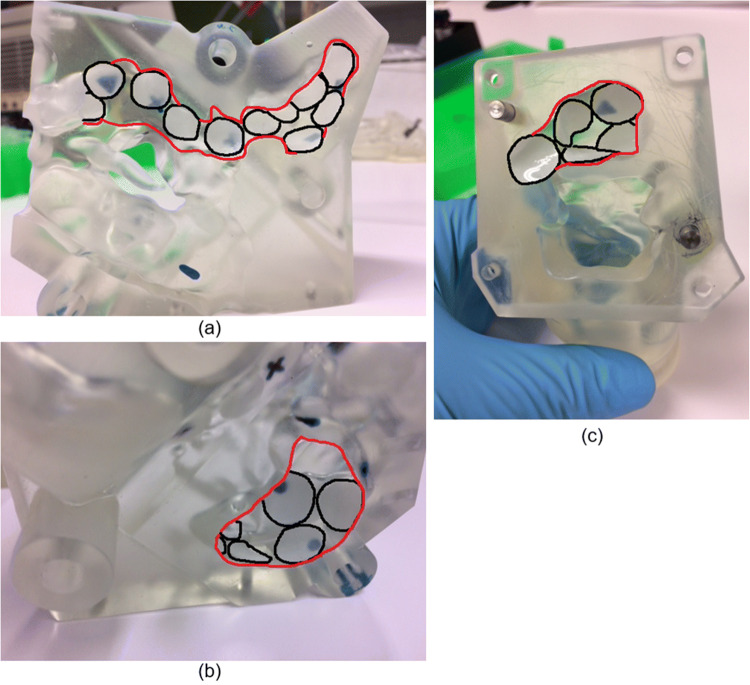
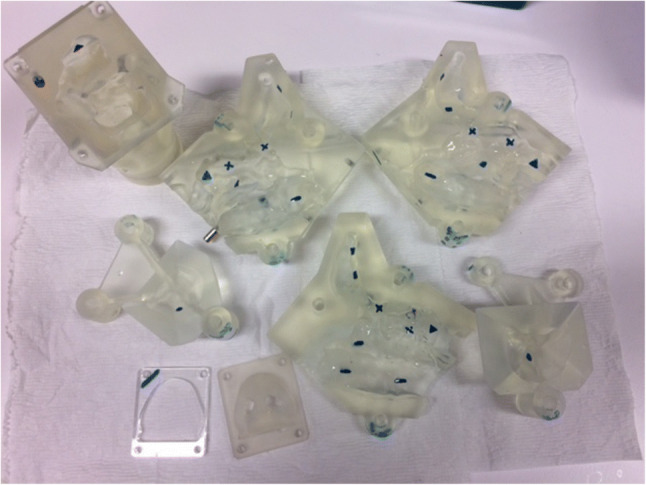
Optimising intranasal distribution and retention of topical therapy is essential for effectively managing patients with chronic rhinosinusitis, including those that have had functional endoscopic sinus surgery (FESS). This study presents a new technique for quantifying in vitro experiments of fluticasone propionate deposition within the sinuses of a 3D-printed model from a post-FESS patient.
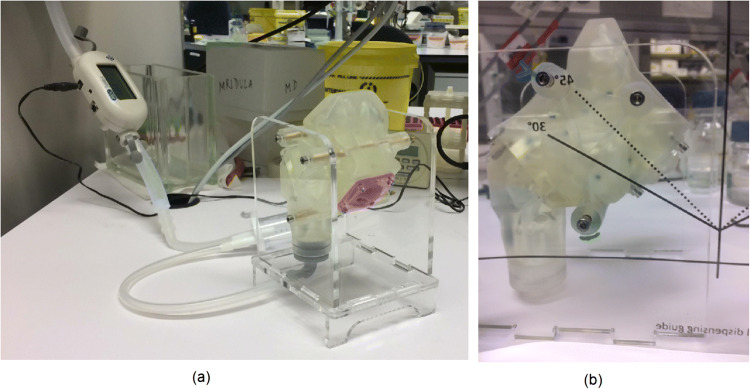
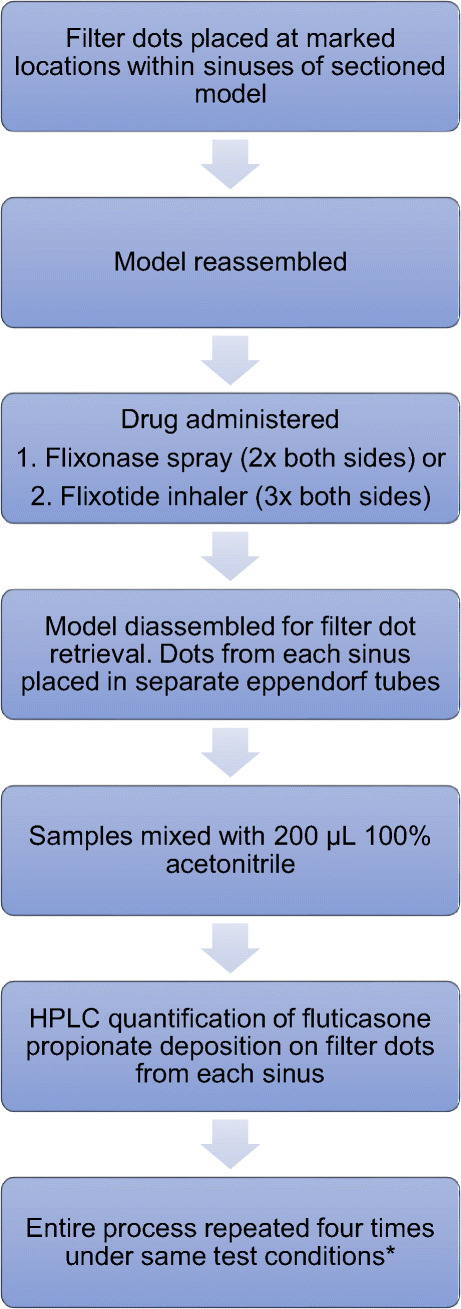
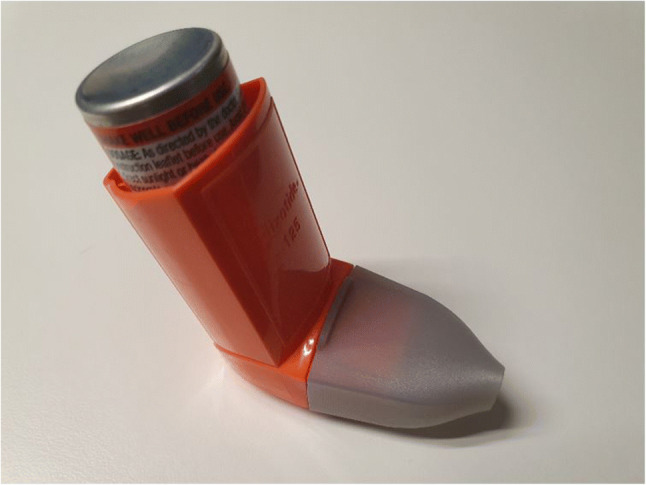
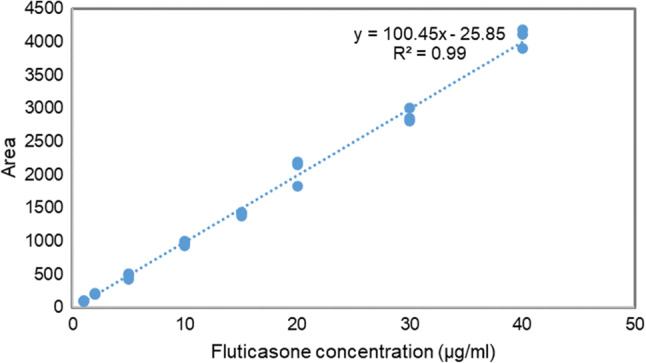
Circular filter papers were placed on the sinus surfaces of the model. Deposition of fluticasone on the filter paper was quantified using high-performance liquid chromatography (HPLC) assay-based techniques. The deposition patterns of two nasal drug delivery devices, an aqueous nasal spray (Flixonase) and metered dose inhaler (Flixotide), were compared. The effects of airflow (0 L/min vs. 12 L/min) and administration angle (30° vs. and 45°) were evaluated.
Inhaled airflow made little difference to sinus deposition for either device. A 45° administration angle improved frontal sinus deposition with the nasal spray and both ethmoidal and sphenoidal deposition with the inhaler. The inhaler provided significantly better deposition within the ethmoid sinuses (8.5x) and within the maxillary sinuses (3.9x) compared with the nasal spray under the same conditions.
In the post-FESS model analysed, the inhaler produced better sinus deposition overall compared with the nasal spray. The techniques described can be used and adapted for in vitro performance testing of different drug formulations and intranasal devices under different experimental conditions. They can also help validate computational fluid dynamics modelling and in vivo studies.
优化鼻腔内局部治疗的分布和保留对于有效管理慢性鼻-鼻窦炎患者至关重要,包括那些已经接受功能性内镜鼻窦手术(FESS)的患者。本研究提出了一种新的技术,用于量化来自 FESS 后患者的 3D 打印模型鼻窦内丙酸氟替卡松沉积的体外实验。
将圆形滤纸放置在模型的窦表面上。使用基于高效液相色谱(HPLC)分析的技术来定量测定丙酸氟替卡松在滤纸上的沉积。比较了两种鼻腔药物输送装置,水性鼻腔喷雾剂(Flixonase)和计量吸入器(Flixotide)的沉积模式。评估了气流(0 L/min 与 12 L/min)和给药角度(30°与 45°)的影响。
对于两种装置,吸入气流对窦内沉积的影响都很小。45°给药角度改善了鼻腔喷雾剂在前窦的沉积,以及吸入器在筛窦和蝶窦的沉积。在相同条件下,与鼻腔喷雾剂相比,吸入器在筛窦(8.5 倍)和上颌窦(3.9 倍)内的沉积明显更好。
在分析的 FESS 后模型中,与鼻腔喷雾剂相比,吸入器总体上产生了更好的窦内沉积。所描述的技术可用于不同药物制剂和不同实验条件下的鼻腔内装置的体外性能测试,并可帮助验证计算流体动力学模型和体内研究。