Rao Venkatesh Sadananda, Gu Qianyu, Tzschentke Sandra, Lin Kuailu, Ganig Nicole, Thepkaysone May-Linn, Wong Fang Cheng, Polster Heike, Seifert Lena, Seifert Adrian M, Buck Nathalie, Riediger Carina, Weiße Jonas, Gutschner Tony, Michen Susanne, Temme Achim, Schneider Martin, Baenke Franziska, Weitz Jürgen, Kahlert Christoph
Department of Visceral, Thoracic and Vascular Surgery, University Hospital Carl Gustav Carus, Technische Universität Dresden, Dresden, Germany.
Department of Medicine, Haematology/Oncology, University Hospital Frankfurt, Goethe University, Frankfurt am Main, Germany.
Oncogene. 2022 Mar;41(12):1809-1820. doi: 10.1038/s41388-022-02218-9. Epub 2022 Feb 9.
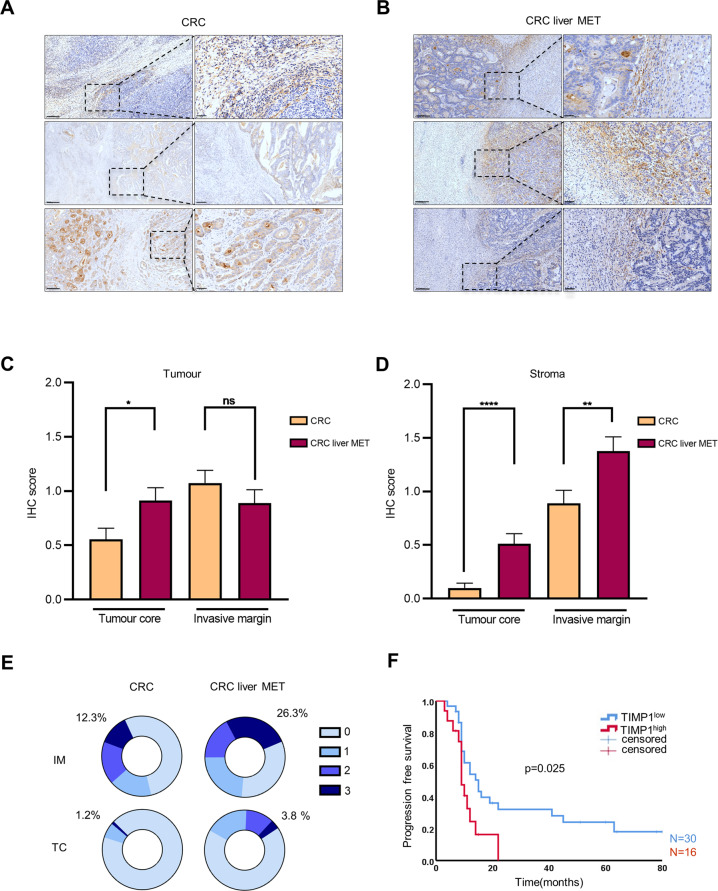
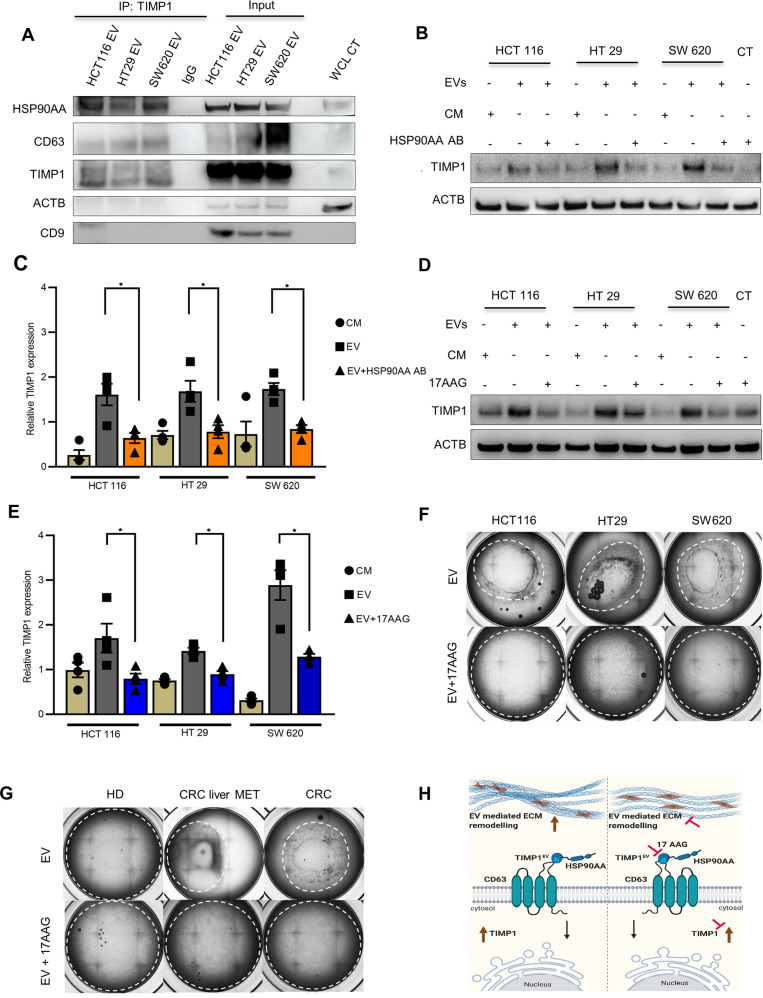
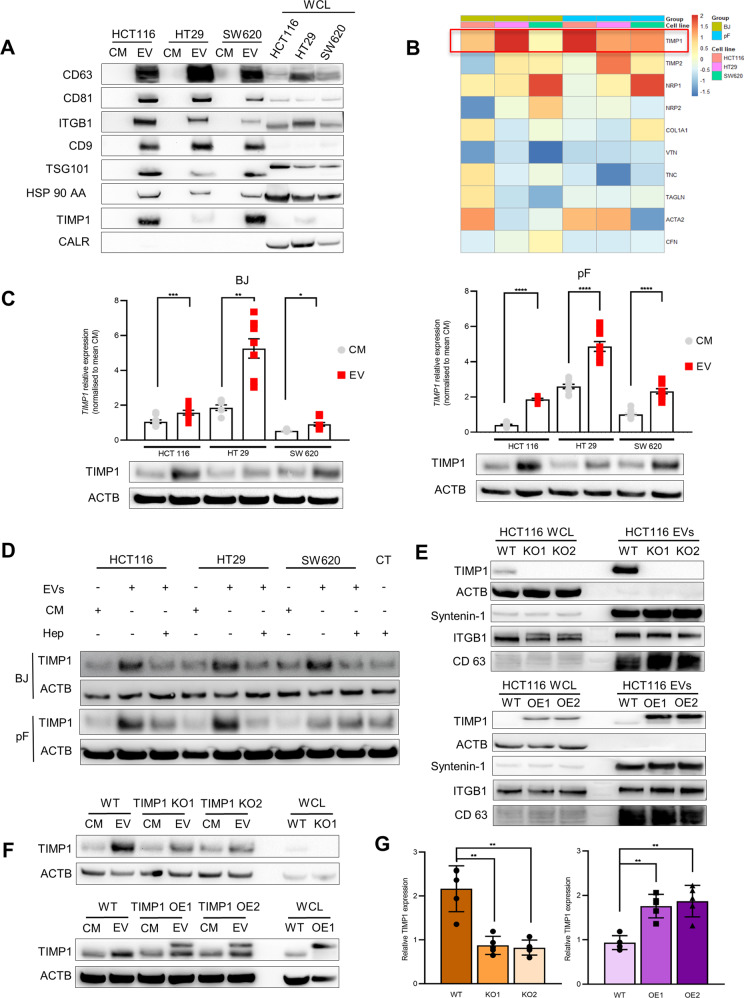
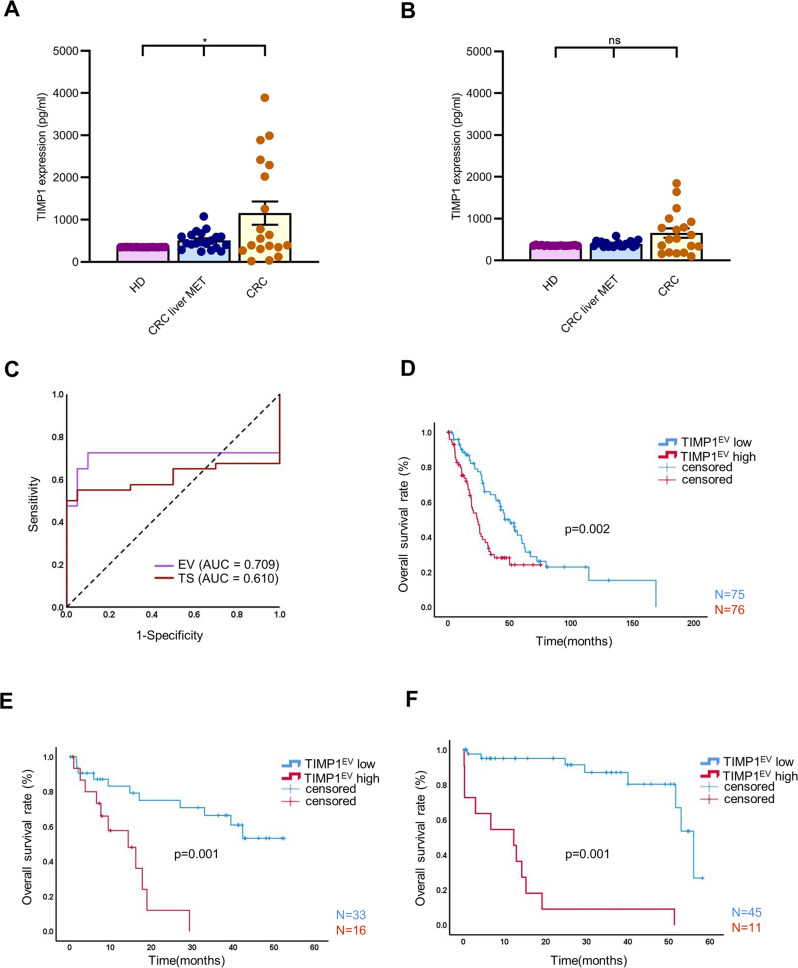
Molecular reprogramming of stromal microarchitecture by tumour-derived extracellular vesicles (EVs) is proposed to favour pre-metastatic niche formation. We elucidated the role of extravesicular tissue inhibitor of matrix metalloproteinase-1 (TIMP1) in pro-invasive extracellular matrix (ECM) remodelling of the liver microenvironment to aid tumour progression in colorectal cancer (CRC). Immunohistochemistry analysis revealed a high expression of stromal TIMP1 in the invasion front that was associated with poor progression-free survival in patients with colorectal liver metastases. Molecular analysis identified TIMP1 enrichment in CRC-EVs as a major factor in the induction of TIMP1 upregulation in recipient fibroblasts. Mechanistically, we proved that EV-mediated TIMP1 upregulation in recipient fibroblasts induced ECM remodelling. This effect was recapitulated by human serum-derived EVs providing strong evidence that CRC release active EVs into the blood circulation of patients for the horizontal transfer of malignant traits to recipient cells. Moreover, EV-associated TIMP1 binds to HSP90AA, a heat-shock protein, and the inhibition of HSP90AA on human-derived serum EVs attenuates TIMP1-mediated ECM remodelling, rendering EV-associated TIMP1 a potential therapeutic target. Eventually, in accordance with REMARK guidelines, we demonstrated in three independent cohorts that EV-bound TIMP1 is a robust circulating biomarker for a non-invasive, preoperative risk stratification in patients with colorectal liver metastases.
肿瘤衍生的细胞外囊泡(EVs)对基质微结构的分子重编程被认为有利于前转移生态位的形成。我们阐明了细胞外基质金属蛋白酶-1组织抑制剂(TIMP1)在肝脏微环境的促侵袭性细胞外基质(ECM)重塑中的作用,以帮助结直肠癌(CRC)进展。免疫组织化学分析显示,在侵袭前沿基质TIMP1高表达,这与结直肠癌肝转移患者无进展生存期差相关。分子分析确定CRC-EVs中TIMP1富集是受体成纤维细胞中TIMP1上调诱导的主要因素。从机制上讲,我们证明了EV介导的受体成纤维细胞中TIMP1上调诱导了ECM重塑。人血清来源的EVs也有同样的作用,这提供了强有力的证据,表明CRC将活性EVs释放到患者的血液循环中,以便将恶性特征水平转移到受体细胞。此外,EV相关的TIMP1与热休克蛋白HSP90AA结合,抑制人源血清EVs上的HSP90AA可减弱TIMP1介导的ECM重塑,使EV相关的TIMP1成为潜在治疗靶点。最终,根据REMARK指南,我们在三个独立队列中证明,EV结合的TIMP1是结直肠癌肝转移患者术前非侵入性风险分层的强大循环生物标志物。