Department of Radiation Oncology, Peking University Third Hospital Cancer Center, Peking University Third Hospital, Beijing 100191, China.
Center of Basic Medical Research, Institute of Medical Innovation and Research, Peking University Third Hospital, 49 North Garden Road, Haidian District, Beijing 100191, China.
EBioMedicine. 2022 Mar;77:103872. doi: 10.1016/j.ebiom.2022.103872. Epub 2022 Feb 12.
Sensitivity has been a key issue for Enhancer of zeste homolog 2 (EZH2) inhibitors in cancer therapy. The EZH2 inhibitor EPZ-6438 was first approved by the US Food and Drug Administration (FDA) in 2020. However, its inadequate anti-cancer activity in solid tumors limits its clinical application. In this study, we utilized the multiple cancer cell lines, which are less sensitive to the EZH2 inhibitor GSK126, combining animal model and clinical data to investigate the underlying mechanism.
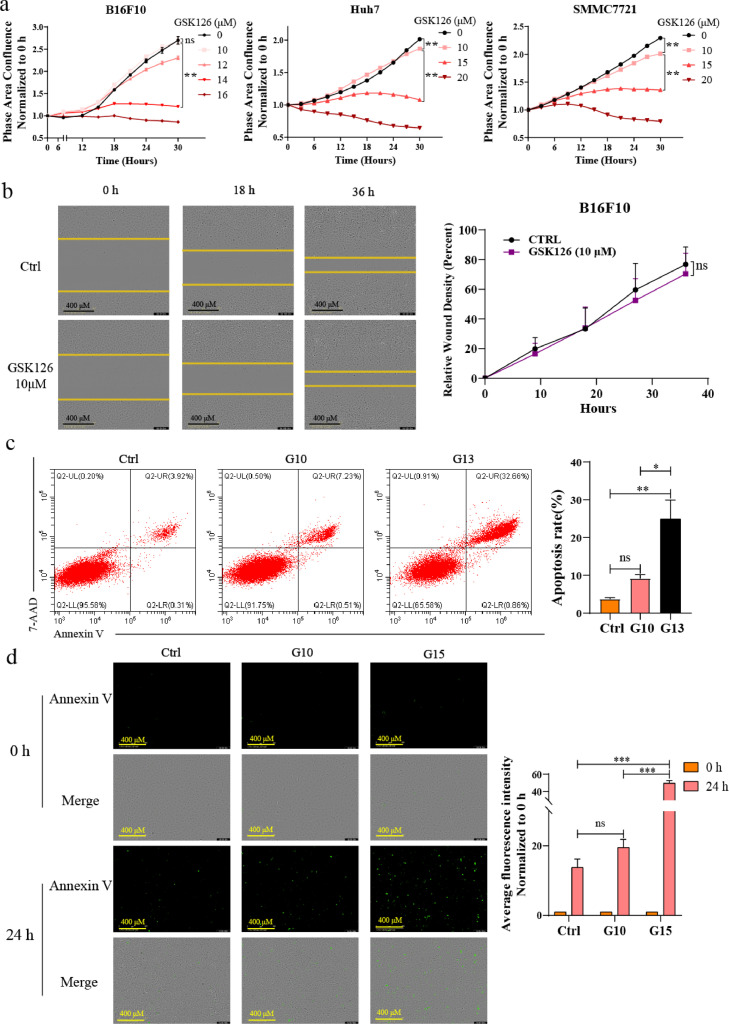
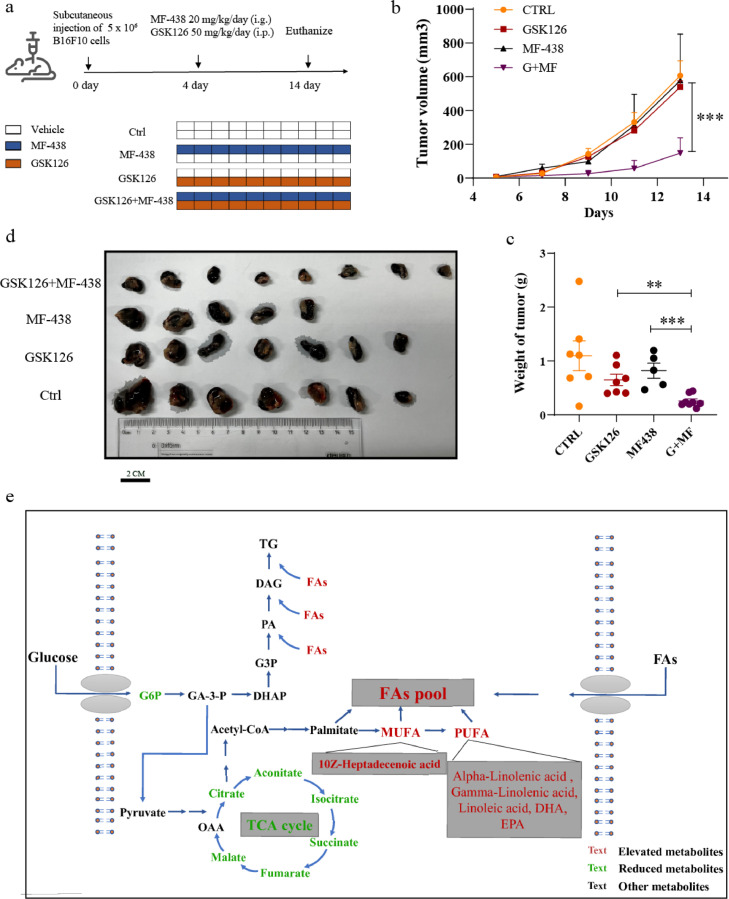
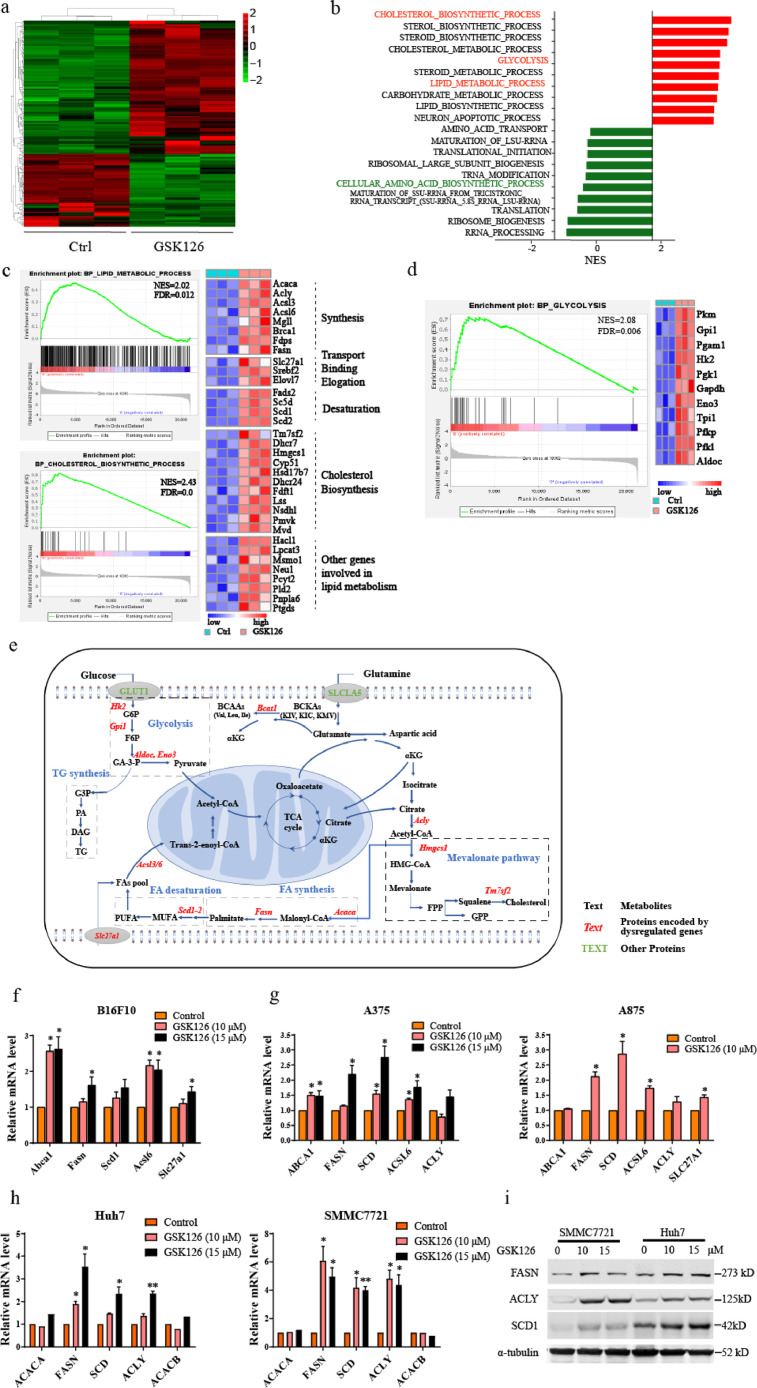
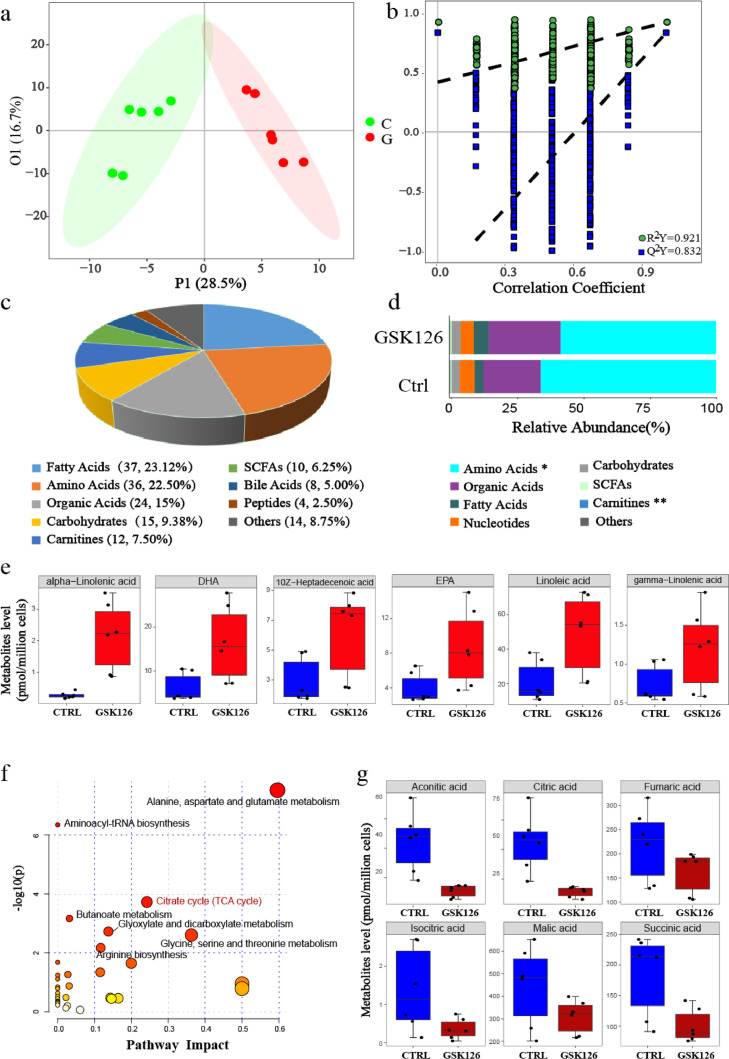
IncuCyte S3 was used to explore the difference in the responsiveness of hematological tumor cells and solid tumor cells to GSK126. Transcriptome and metabolome of B16F10 cells after GSK126 treatment were analyzed and the distinct changes in the metabolic profile were revealed. Real-time quantitative PCR and western blot experiments were used to further verify the multi-omics data. ChIP-qPCR was performed to detected H3K27me3 enrichment of target genes. Finally, the anti-tumor effects of combining GSK126 and lipid metabolism drugs were observed with IncuCyte S3 platform, CCK-8 and animal model respectively.
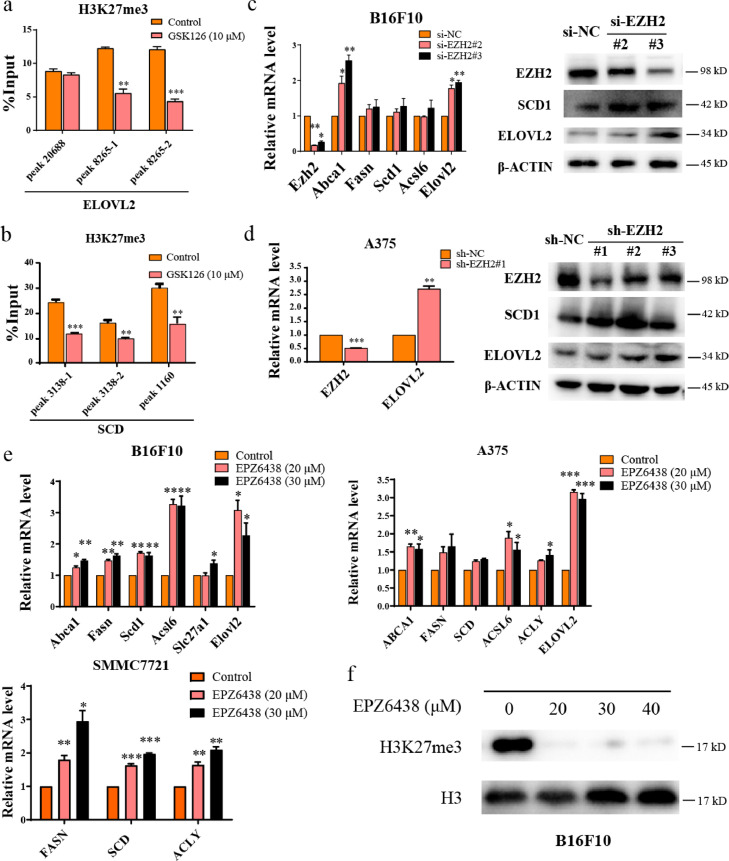
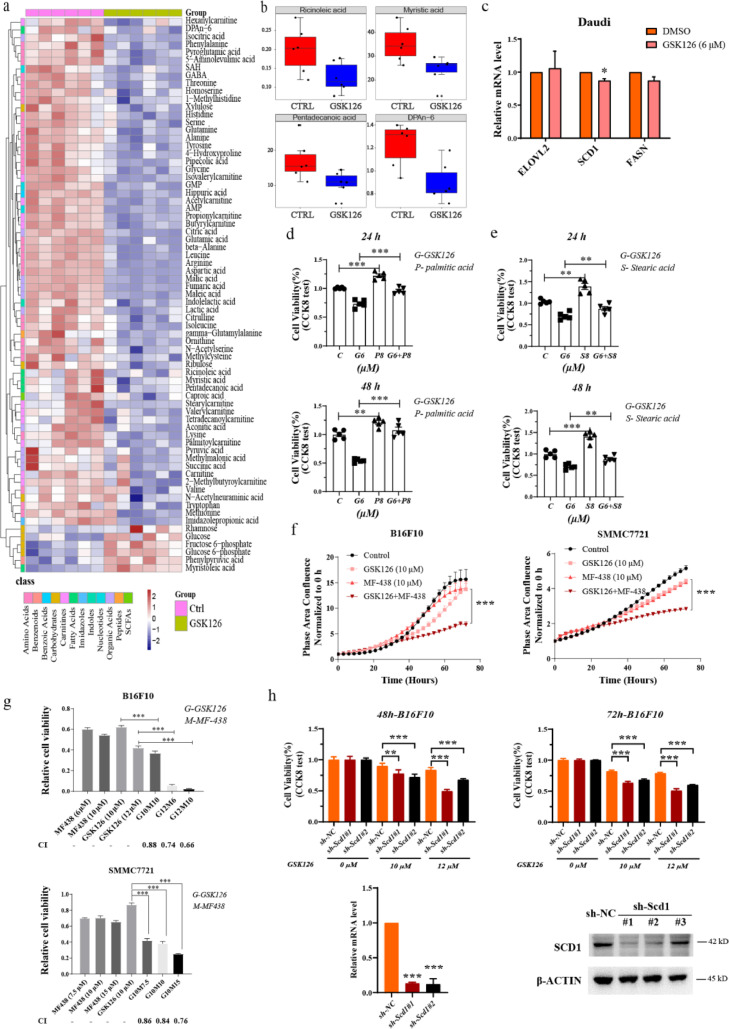
We found that although the proliferative phenotype did not show strong difference upon treatment with GSK126, the transcriptome and metabolome changed profoundly. GSK126 treatment led to broad shifts in glucose, amino acid, and lipid metabolism. Lipid synthesis was strengthened manifested by the increasing abundance of unsaturated fatty acids. SCD1 and ELOVL2 were regulated by H3K27me3 at gene regulatory region, and upregulated by EZH2 knockdown and inhibitors. SCD1 knockdown increased cellular sensitivity to GSK126. Based on the findings above, the application of the combination with SCD1 inhibitor significantly attenuated the proliferation of cancer and increased the sensitivity to GSK126 by suppressing desaturation of fatty acids.
Dysregulated lipid metabolism can blunt the sensitivity of cancer cells to GSK126. These characteristics shed light on the novel combination therapy strategies to combat tumor resistance.
National Natural Science Foundation of China (No. 81672091, No.91749107 and No. 81972966).
敏感性一直是癌症治疗中增强子外显子 2(EZH2)抑制剂的关键问题。EZH2 抑制剂 EPZ-6438 于 2020 年首次获得美国食品和药物管理局(FDA)批准。然而,其在实体肿瘤中的抗癌活性不足限制了其临床应用。在这项研究中,我们利用对 EZH2 抑制剂 GSK126 反应性较低的多种癌细胞系,结合动物模型和临床数据,研究了其潜在机制。
利用 IncuCyte S3 研究血液肿瘤细胞和实体肿瘤细胞对 GSK126 反应的差异。分析 GSK126 处理后 B16F10 细胞的转录组和代谢组,揭示代谢谱的明显变化。实时定量 PCR 和 Western blot 实验进一步验证了多组学数据。ChIP-qPCR 检测靶基因的 H3K27me3 富集。最后,利用 IncuCyte S3 平台、CCK-8 和动物模型分别观察 GSK126 与脂质代谢药物联合的抗肿瘤作用。
我们发现,尽管 GSK126 处理后增殖表型没有表现出很强的差异,但转录组和代谢组发生了深刻的变化。GSK126 处理导致葡萄糖、氨基酸和脂质代谢广泛转移。不饱和脂肪酸含量增加表明脂质合成增强。SCD1 和 ELOVL2 受 H3K27me3 调控,EZH2 敲低和抑制剂上调。SCD1 敲低增加了细胞对 GSK126 的敏感性。基于上述发现,应用 SCD1 抑制剂联合治疗显著抑制脂肪酸去饱和作用,减弱肿瘤增殖,提高 GSK126 敏感性。
失调的脂质代谢会削弱癌细胞对 GSK126 的敏感性。这些特征为肿瘤耐药的新型联合治疗策略提供了启示。
国家自然科学基金(No.81672091、No.91749107 和 No.81972966)。