Niwa Yusuke, Kamimura Kenya, Ogawa Kohei, Oda Chiyumi, Tanaka Yuto, Horigome Ryoko, Ohtsuka Masato, Miura Hiromi, Fujisawa Koichi, Yamamoto Naoki, Takami Taro, Okuda Shujiro, Ko Masayoshi, Owaki Takashi, Kimura Atsushi, Shibata Osamu, Morita Shinichi, Sakai Norihiro, Abe Hiroyuki, Yokoo Takeshi, Sakamaki Akira, Kamimura Hiroteru, Terai Shuji
Division of Gastroenterology and Hepatology, Graduate School of Medical and Dental Sciences, Niigata University, Niigata 951-8510, Niigata, Japan.
Department of General Medicine, Niigata University School of Medicine, Niigata 951-8510, Niigata, Japan.
J Clin Med. 2022 Feb 6;11(3):851. doi: 10.3390/jcm11030851.
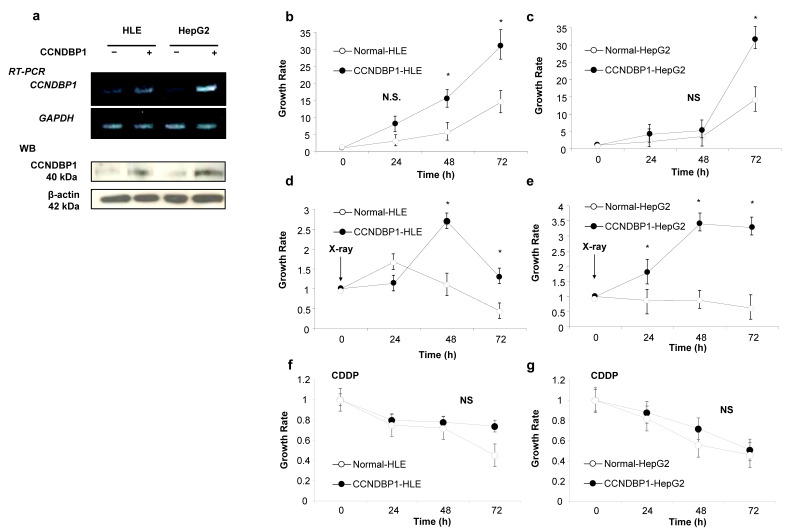
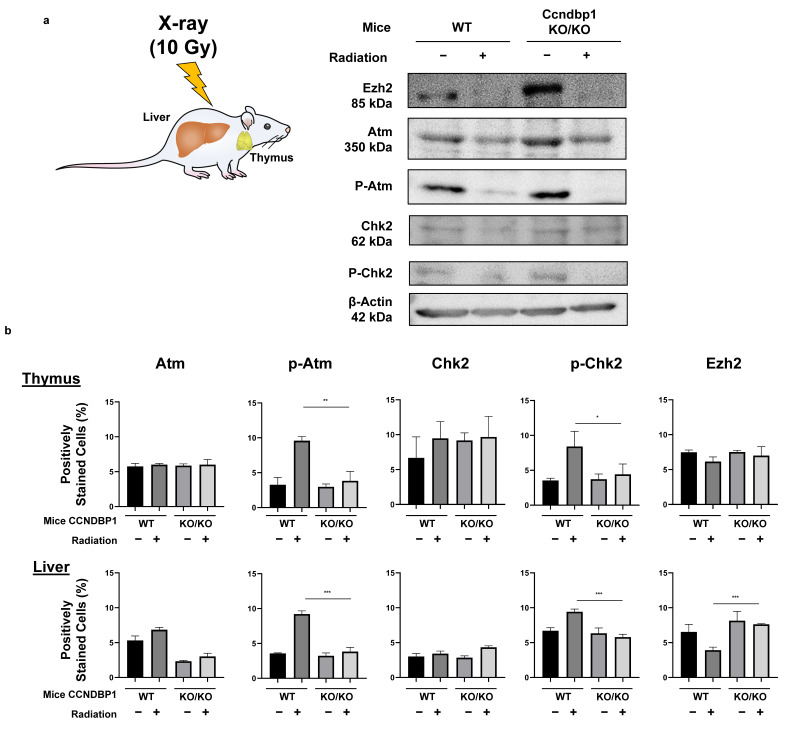
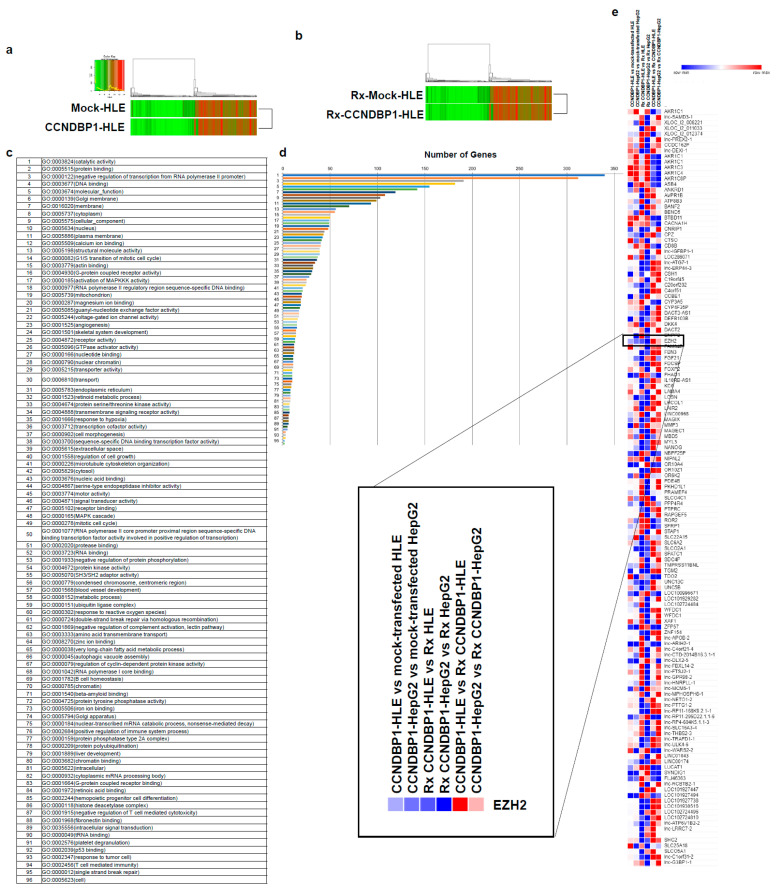
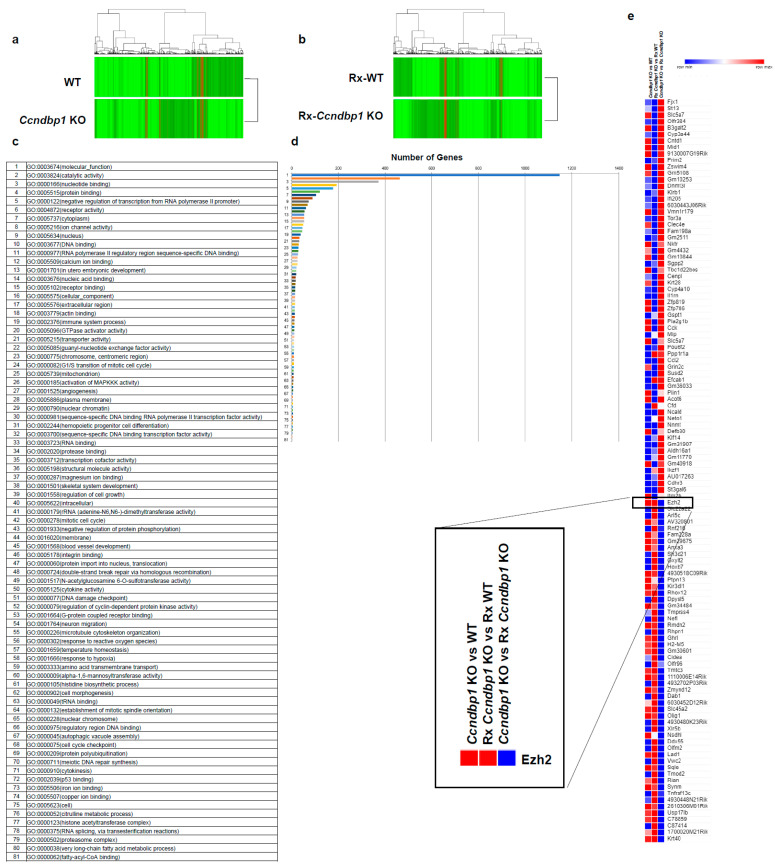
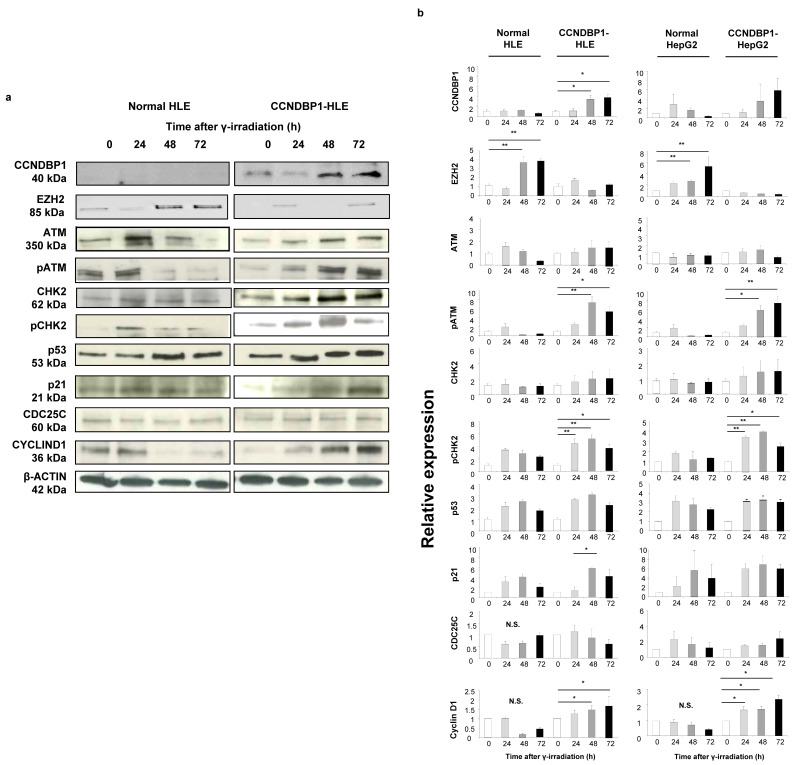
Cyclin D1 binding protein 1 (CCNDBP1) is considered a tumor suppressor, and when expressed in tumor cells, CCNDBP1 can contribute to the viability of cancer cells by rescuing these cells from chemotherapy-induced DNA damage. Therefore, this study focused on investigating the function of CCNDBP1, which is directly related to the survival of cancer cells by escaping DNA damage and chemoresistance. Hepatocellular carcinoma (HCC) cells and tissues obtained from knockout mice were used for the in vitro and in vivo examination of the molecular mechanisms of CCNDBP1 associated with the recovery of cells from DNA damage. Subsequently, gene and protein expression changes associated with the upregulation, downregulation, and irradiation of CCNDBP1 were assessed. The overexpression of in HCC cells stimulated cell growth and showed resistance to X-ray-induced DNA damage. Gene expression analysis of -overexpressed cells and knockout mice revealed that Ccndbp1 activated the Atm-Chk2 pathway through the inhibition of expression, accounting for resistance to DNA damage. Our study demonstrated that by inhibiting , contributed to the activation of the ATM-CHK2 pathway to alleviate DNA damage, leading to chemoresistance.
细胞周期蛋白D1结合蛋白1(CCNDBP1)被认为是一种肿瘤抑制因子,当在肿瘤细胞中表达时,CCNDBP1可以通过使这些细胞免受化疗诱导的DNA损伤来促进癌细胞的存活。因此,本研究聚焦于探究CCNDBP1的功能,其通过逃避DNA损伤和化疗耐药性与癌细胞的存活直接相关。从基因敲除小鼠获得的肝癌(HCC)细胞和组织用于体外和体内研究CCNDBP1与细胞从DNA损伤中恢复相关的分子机制。随后,评估了与CCNDBP1的上调、下调和照射相关的基因和蛋白质表达变化。HCC细胞中CCNDBP1的过表达刺激了细胞生长,并显示出对X射线诱导的DNA损伤的抗性。对CCNDBP1过表达细胞和基因敲除小鼠的基因表达分析表明,Ccndbp1通过抑制某个基因的表达激活了Atm-Chk2途径,这解释了对DNA损伤的抗性。我们的研究表明,通过抑制某个基因,CCNDBP1有助于激活ATM-CHK2途径以减轻DNA损伤,从而导致化疗耐药性。 (注:原文中部分内容表述不太准确完整,比如有一些未明确的基因名称用“某个基因”代替,但不影响整体翻译理解。)