Khazaei Monfared Yousef, Mahmoudian Mohammad, Cecone Claudio, Caldera Fabrizio, Zakeri-Milani Parvin, Matencio Adrián, Trotta Francesco
Dipartimento Di Chimica, Università di Torino, Via P. Giuria 7, 10125 Torino, Italy.
Faculty of Pharmacy, Tabriz University of Medical Sciences, Tabriz 5166414766, Iran.
Polymers (Basel). 2022 Feb 1;14(3):594. doi: 10.3390/polym14030594.
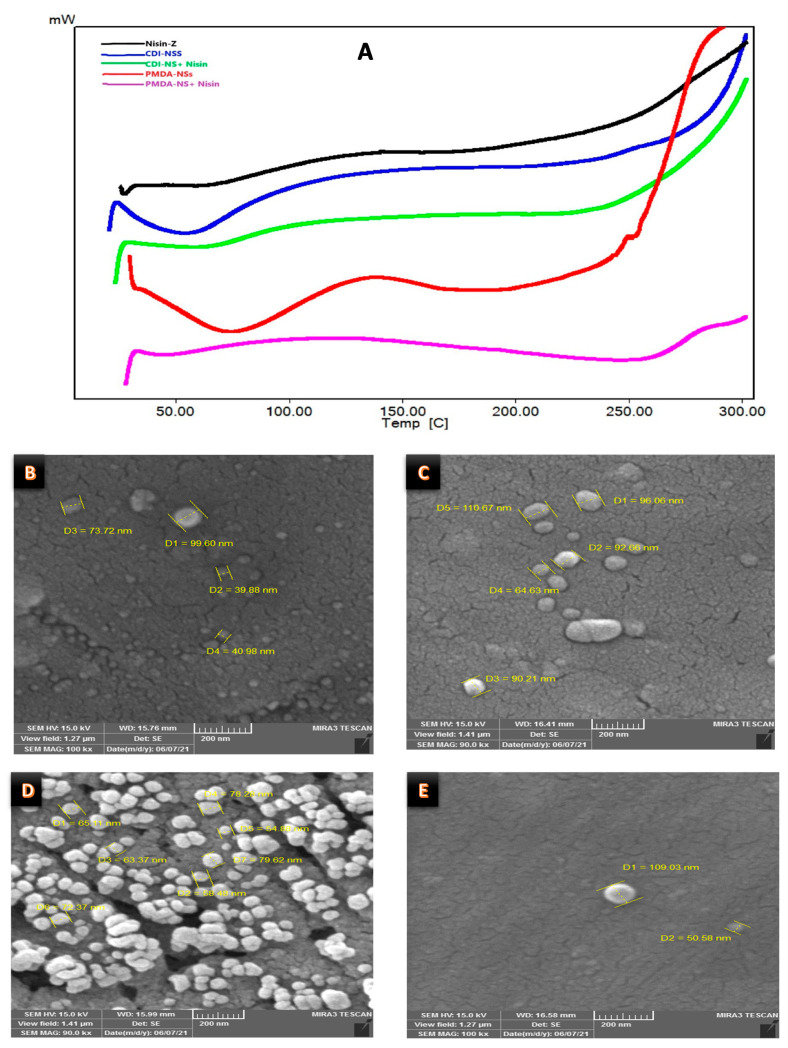
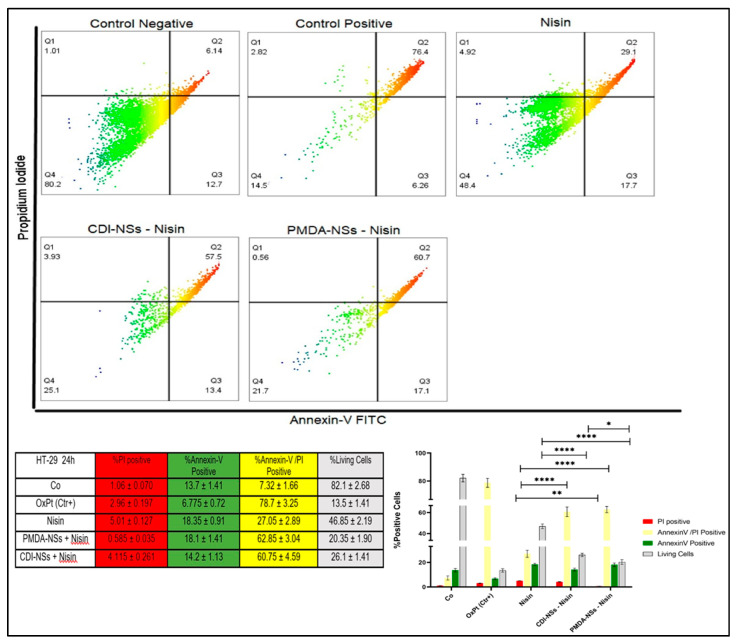
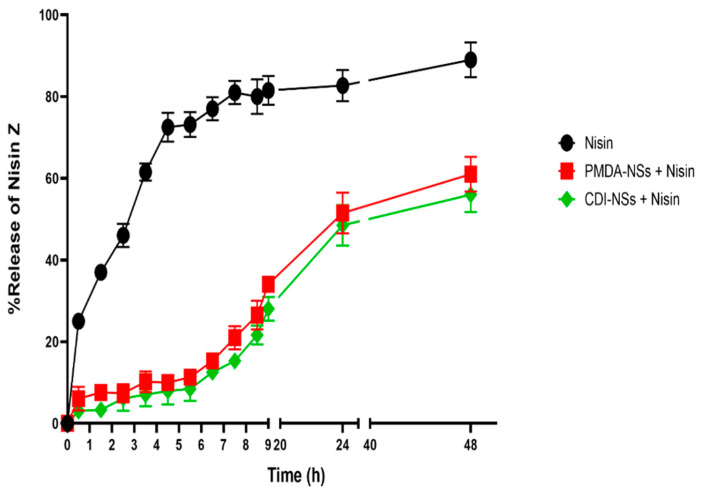
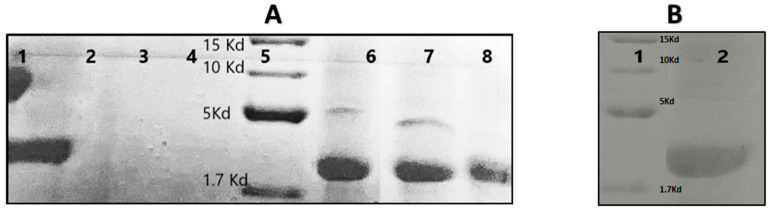
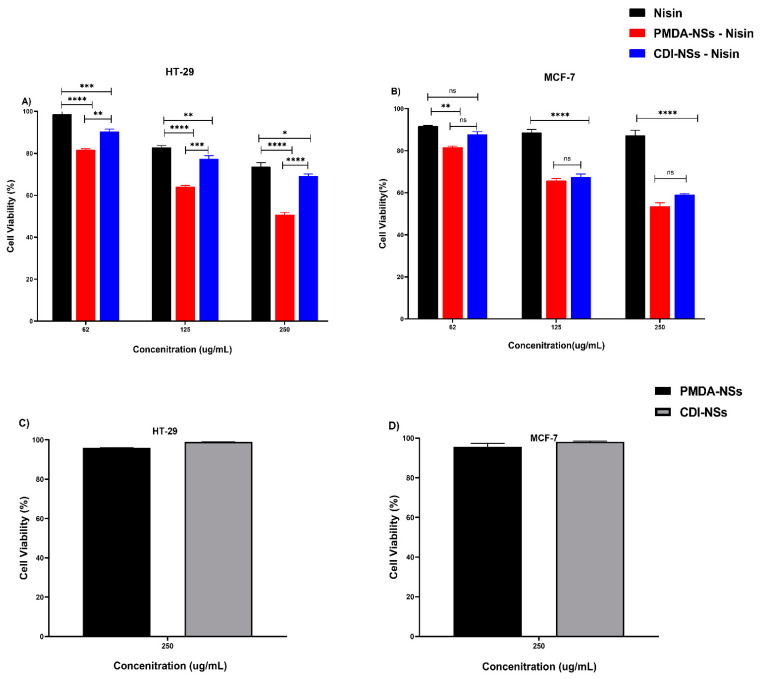
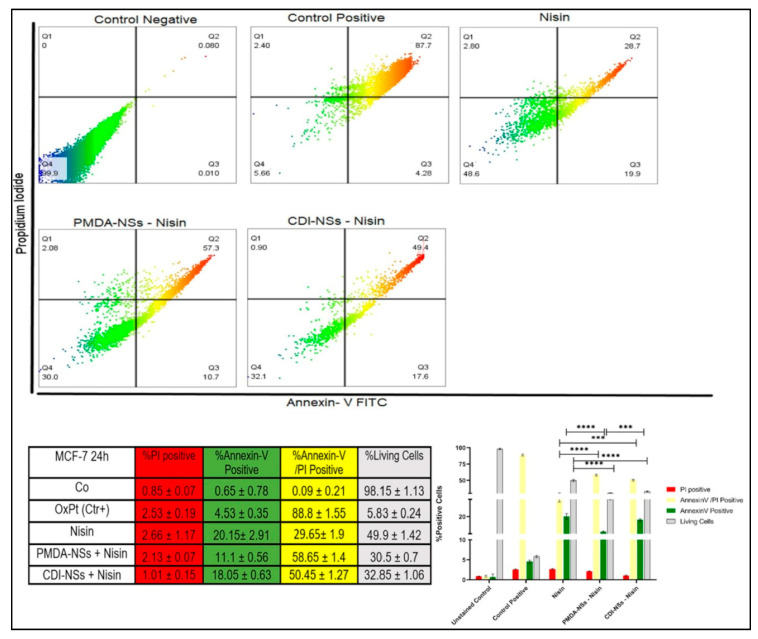
The great variability of cancer types demands novel drugs with broad spectrum, this is the case of Nisin, a polycyclic antibacterial peptide that recently has been considered for prevention of cancer cells growth. As an accepted food additive, this drug would be very useful for intestinal cancers, but the peptide nature would make easier its degradation by digestion procedures. For that reason, the aim of present study to investigate the protective effect of two different β-cyclodextrin-based nanosponges (carbonyl diimidazole and pyromellitic dianhydride) and their anti-cancer enhancement effect of Nisin-Z encapsulated with against colon cancer cells (HT-29). To extend its possible use, a comparison with breast (MCF-7) cancer cell was carried out. The physicochemical properties, loading efficiency, and release kinetics of Nisin complex with nanosponges were studied. Then, tricin-SDS-PAGE electrophoresis was used to understand the effect of NSs on stability of Nisin-Z in the presence of gastric peptidase pepsin. In addition, the cytotoxicity and cell membrane damage of Nisin Z were evaluated by using the MTT and LDH assay, which was complemented via Annexin-V/ Propidium Iodide (PI) by using flowcytometry. CD-NS are able to complex Nisin-Z with an encapsulation efficiency around 90%. A protective effect of Nisin-Z complexed with CD-NSs was observed in presence of pepsin. An increase in the percentage of apoptotic cells was observed when the cancer cells were exposed to Nisin Z complexed with nanosponges. Interestingly, Nisin Z free and loaded on PMDA/CDI-NSs is more selectively toxic towards HT-29 cells than MCF-7 cancer cells. These results indicated that nanosponges might be good candidates to protect peptides and deliver drugs against intestinal cancers.
癌症类型的巨大变异性需要具有广谱性的新型药物,乳链菌肽就是这样一种多环抗菌肽,最近它被认为可用于预防癌细胞生长。作为一种公认的食品添加剂,这种药物对肠道癌症非常有用,但肽的性质会使其在消化过程中更容易降解。因此,本研究的目的是研究两种不同的基于β-环糊精的纳米海绵(羰基二咪唑和均苯四甲酸二酐)的保护作用以及它们对包封的乳链菌肽-Z抗结肠癌细胞(HT-29)的抗癌增强作用。为了扩展其可能的用途,还与乳腺癌细胞(MCF-7)进行了比较。研究了乳链菌肽与纳米海绵复合物的物理化学性质、负载效率和释放动力学。然后,使用tricin-SDS-PAGE电泳来了解纳米海绵在胃蛋白酶存在下对乳链菌肽-Z稳定性的影响。此外,通过MTT和LDH测定评估了乳链菌肽-Z的细胞毒性和细胞膜损伤,并通过流式细胞术使用膜联蛋白-V/碘化丙啶(PI)进行了补充。CD-NS能够将乳链菌肽-Z复合,包封效率约为90%。在胃蛋白酶存在下,观察到了与CD-NS复合的乳链菌肽-Z的保护作用。当癌细胞暴露于与纳米海绵复合的乳链菌肽-Z时,观察到凋亡细胞百分比增加。有趣的是,游离的和负载在PMDA/CDI-NSs上的乳链菌肽-Z对HT-29细胞的毒性比对MCF-7癌细胞更具选择性。这些结果表明,纳米海绵可能是保护肽和递送抗肠道癌症药物的良好候选者。