Laboratory of Virology, Institute of Medical Biology of the Polish Academy of Sciences, 93-232 Lodz, Poland.
BioMedChem Doctoral School of the University of Lodz and Lodz Institutes of the Polish Academy of Sciences, 90-237 Lodz, Poland.
Int J Mol Sci. 2022 Feb 5;23(3):1818. doi: 10.3390/ijms23031818.
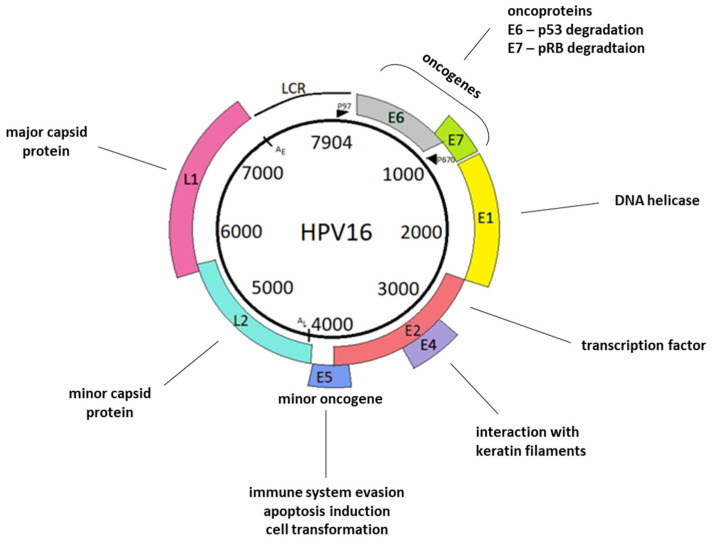
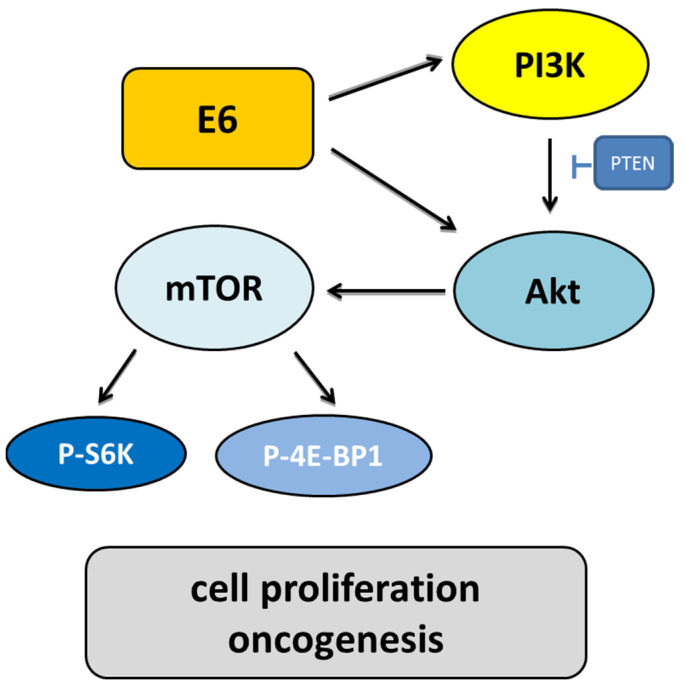
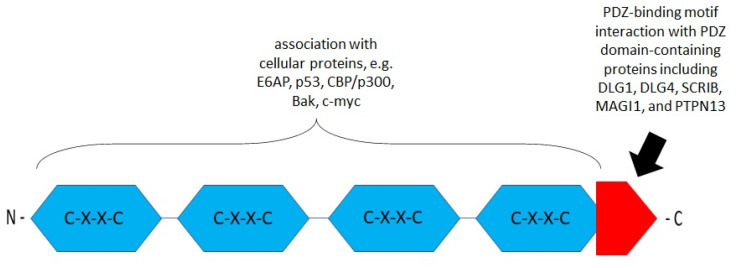
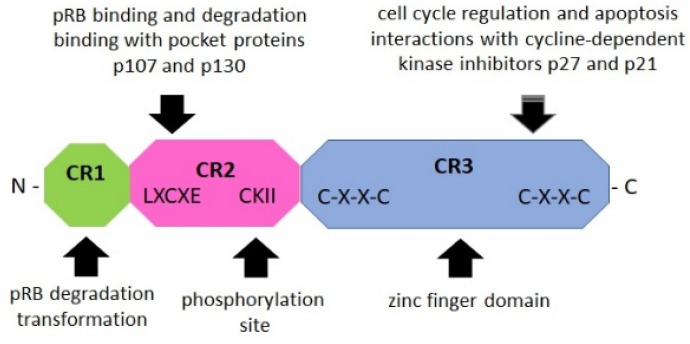
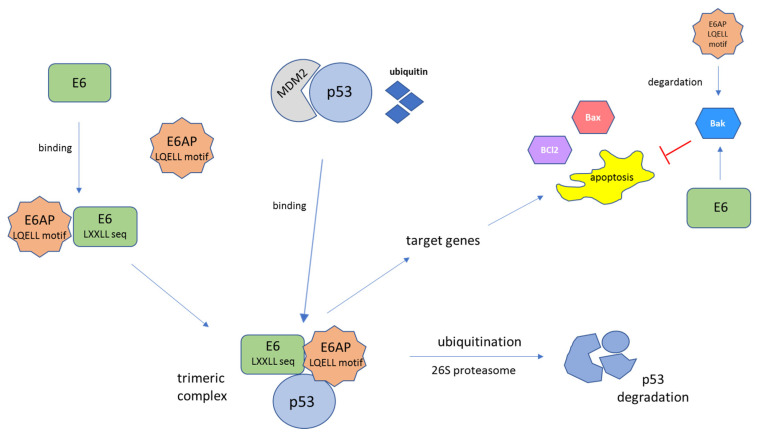
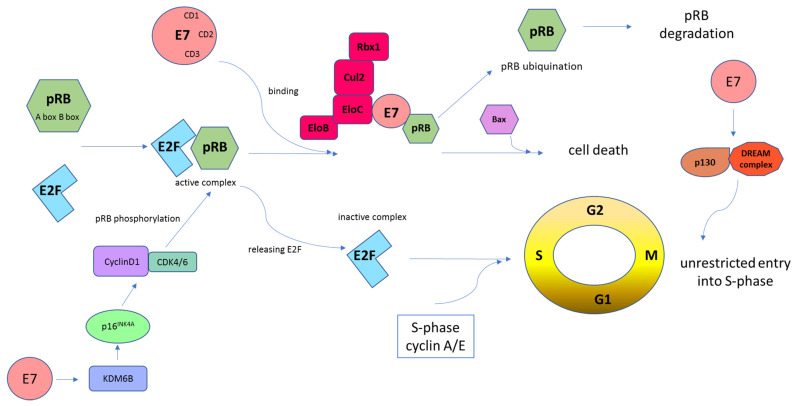
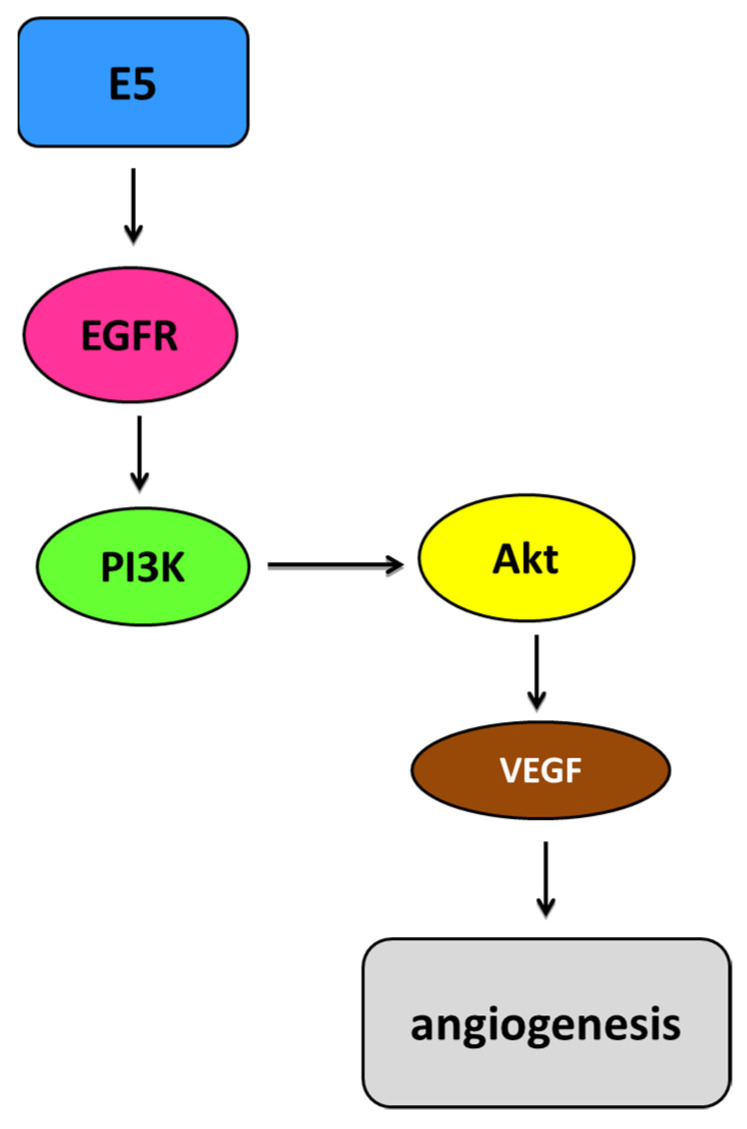
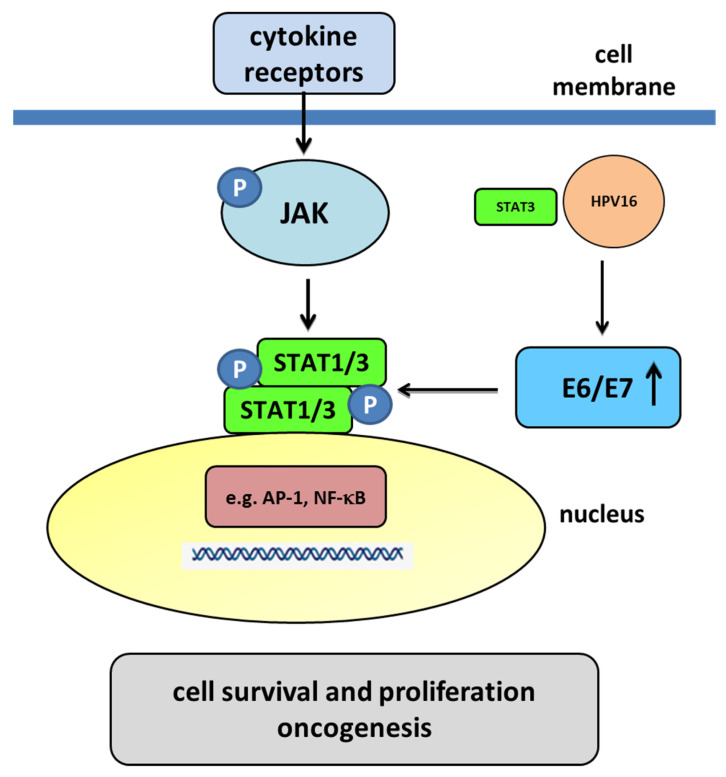
Human papillomaviruses (HPVs), which belong to the family, constitute a group of small nonenveloped double-stranded DNA viruses. HPV has a small genome that only encodes a few proteins, and it is also responsible for 5% of all human cancers, including cervical, vaginal, vulvar, penile, anal, and oropharyngeal cancers. HPV types may be classified as high- and low-risk genotypes (HR-HPVs and LR-HPVs, respectively) according to their oncogenic potential. HR-HPV 16 and 18 are the most common types worldwide and are the primary types that are responsible for most HPV-related cancers. The activity of the viral E6 and E7 oncoproteins, which interfere with critical cell cycle points such as suppressive tumor protein p53 (p53) and retinoblastoma protein (pRB), is the major contributor to HPV-induced neoplastic initiation and progression of carcinogenesis. In addition, the E5 protein might also play a significant role in tumorigenesis. The role of HPV in the pathogenesis of gynecological cancers is still not fully understood, which indicates a wide spectrum of potential research areas. This review focuses on HPV biology, the distribution of HPVs in gynecological cancers, the properties of viral oncoproteins, and the molecular mechanisms of carcinogenesis.
人乳头瘤病毒(HPV)属于乳多空病毒科,是一组小的无包膜双链 DNA 病毒。HPV 基因组较小,仅编码少数几种蛋白,它也是导致 5%人类癌症的元凶,包括宫颈癌、阴道癌、外阴癌、阴茎癌、肛门癌和口咽癌。根据致癌潜能,HPV 可分为高危型和低危型(HR-HPV 和 LR-HPV)。HPV 16 和 18 是全球最常见的类型,也是导致大多数 HPV 相关癌症的主要类型。病毒 E6 和 E7 癌蛋白的活性干扰了细胞周期的关键控制点,如抑制肿瘤蛋白 p53(p53)和视网膜母细胞瘤蛋白(pRB),这是 HPV 诱导的肿瘤发生和致癌作用进展的主要原因。此外,E5 蛋白也可能在肿瘤发生中发挥重要作用。HPV 在妇科癌症发病机制中的作用尚不完全清楚,这表明有广泛的潜在研究领域。本综述重点介绍 HPV 生物学、HPV 在妇科癌症中的分布、病毒癌蛋白的特性以及致癌的分子机制。