Aqsens Health Ltd., Itäinen Pitkäkatu 4B, 20520, Turku, Finland.
Laboratory of Biophysics and Medicity Research Laboratories, Institute of Biomedicine, Faculty of Medicine, University of Turku, Tykistökatu 6A, 20520, Turku, Finland.
Sci Rep. 2022 Feb 14;12(1):2433. doi: 10.1038/s41598-022-06433-y.
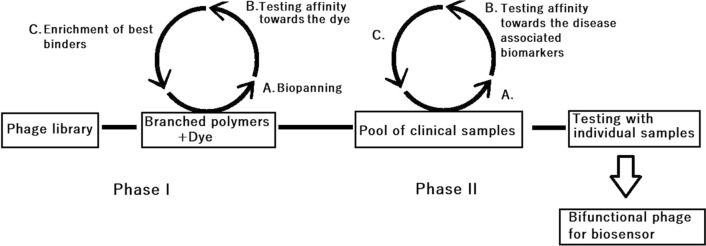
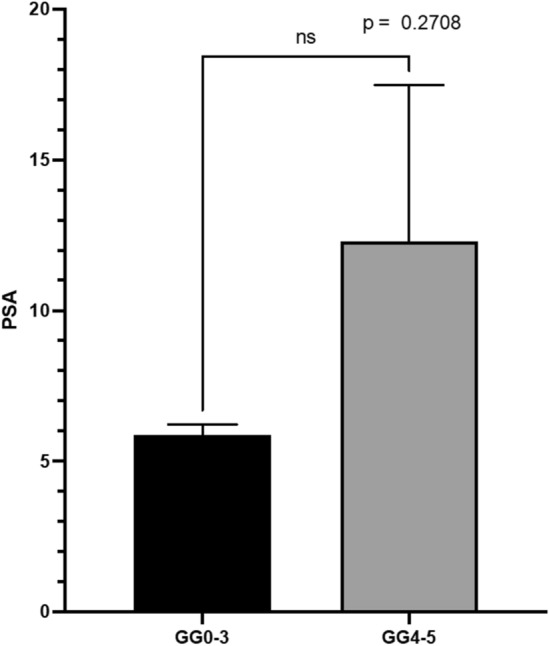
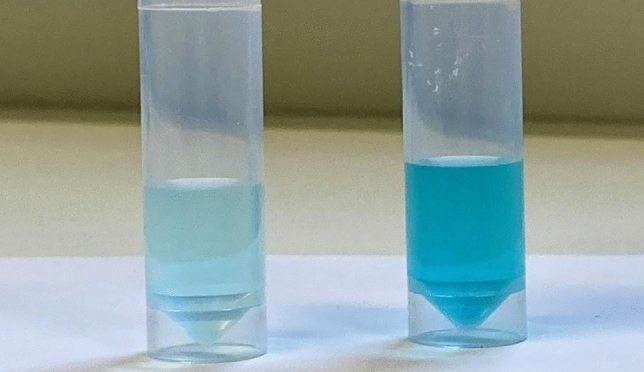
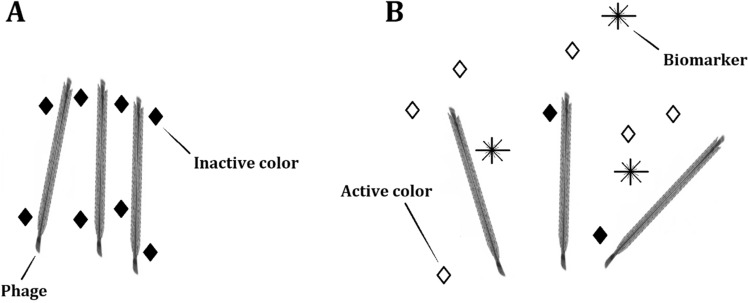
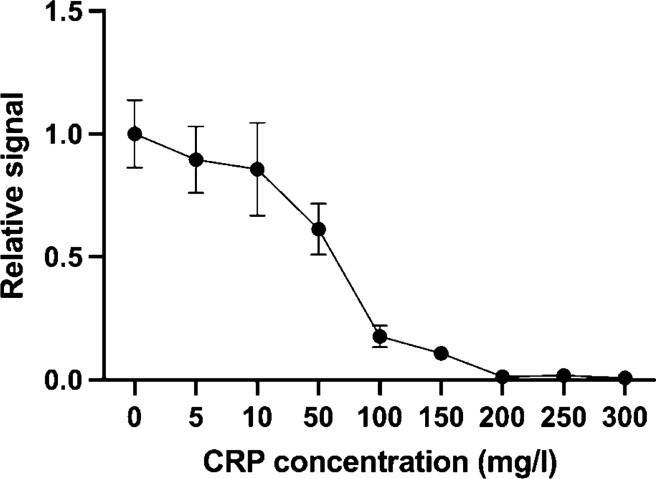
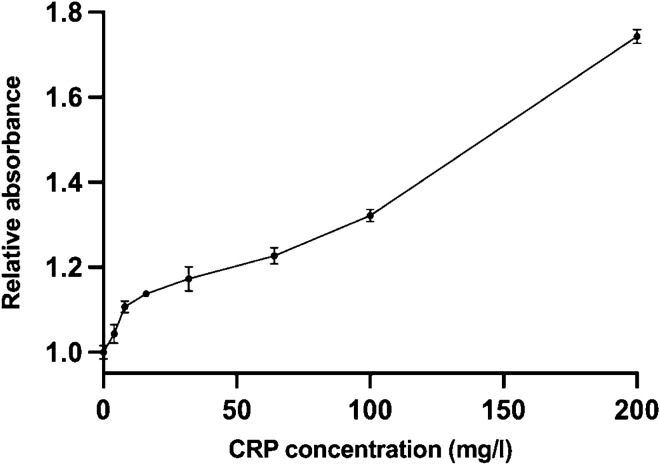
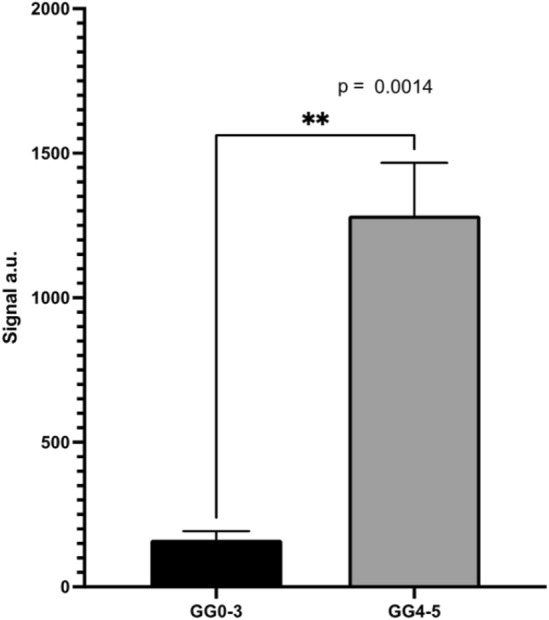
Assessment of risk for a given disease and the diagnosis of diseases is often based on assays detecting biomarkers. Antibody-based biomarker-assays for diseases such as prostate cancer are often ambiguous and biomarker proteins are frequently also elevated for reasons that are unspecific. We have opted to use luminescence modulating phages for the analysis of known acute inflammatory response biomarker CRP (C-reactive protein) and biomarkers of prostate cancer in urine samples. Firstly, CRP was used to simulate the detection process in a controlled chemical environment. Secondly, we tried to classify more challenging lethal prostate cancer samples from control samples. Our unique method utilizes a special biopanning process in order to create special phages capable of capturing a dye necessary for detection and potential biomarkers. As the biomarker-molecules interfere with the phages, dye is repelled from the phage network resulting in an altered reporter luminescence. These changes can be observed with an absorbance reader and even with the naked eye. The simple method could present an alternative for screening of disease biomarkers. For prostate cancer urine samples, we achieved a sensitivity of 80% and specificity of 75% to detect Grade Group (GG) 4 and 5 prostate cancer.
对特定疾病的风险评估和疾病诊断通常基于检测生物标志物的检测方法。针对前列腺癌等疾病的基于抗体的生物标志物检测方法往往存在歧义,并且生物标志物蛋白也经常因特异性原因而升高。我们选择使用发光调节噬菌体来分析尿液样本中已知的急性炎症反应生物标志物 CRP(C 反应蛋白)和前列腺癌生物标志物。首先,CRP 被用于模拟在受控化学环境中的检测过程。其次,我们试图对更具挑战性的致命前列腺癌样本与对照样本进行分类。我们独特的方法利用特殊的生物淘选过程来创建能够捕获用于检测和潜在生物标志物的必需染料的特殊噬菌体。由于生物标志物分子干扰噬菌体,染料从噬菌体网络中被排斥,从而导致报告荧光发生变化。这些变化可以通过吸光度读数器甚至肉眼观察到。这种简单的方法可能为疾病生物标志物的筛选提供替代方法。对于前列腺癌尿液样本,我们实现了检测 GG4 和 GG5 前列腺癌的 80%敏感性和 75%特异性。