Department of Physiology, Neuroscience Program.
College of Osteopathic Medicine, and.
J Clin Invest. 2022 Feb 15;132(4). doi: 10.1172/JCI149464.
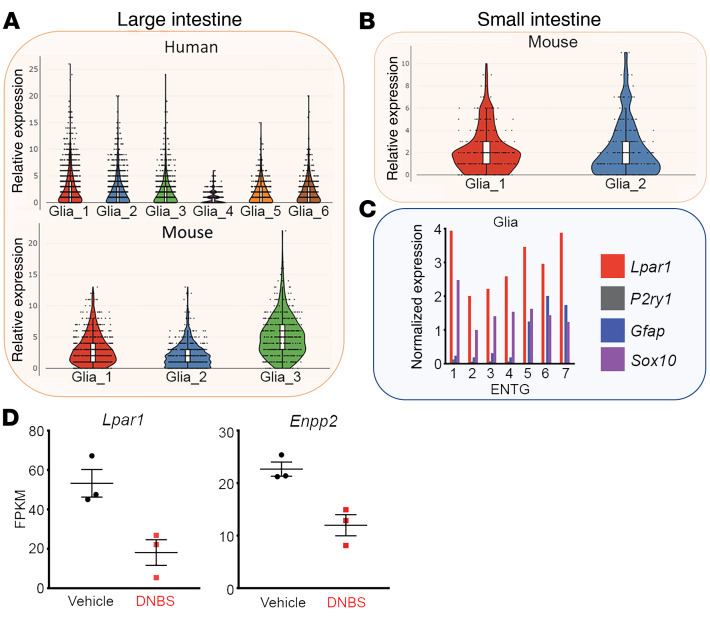
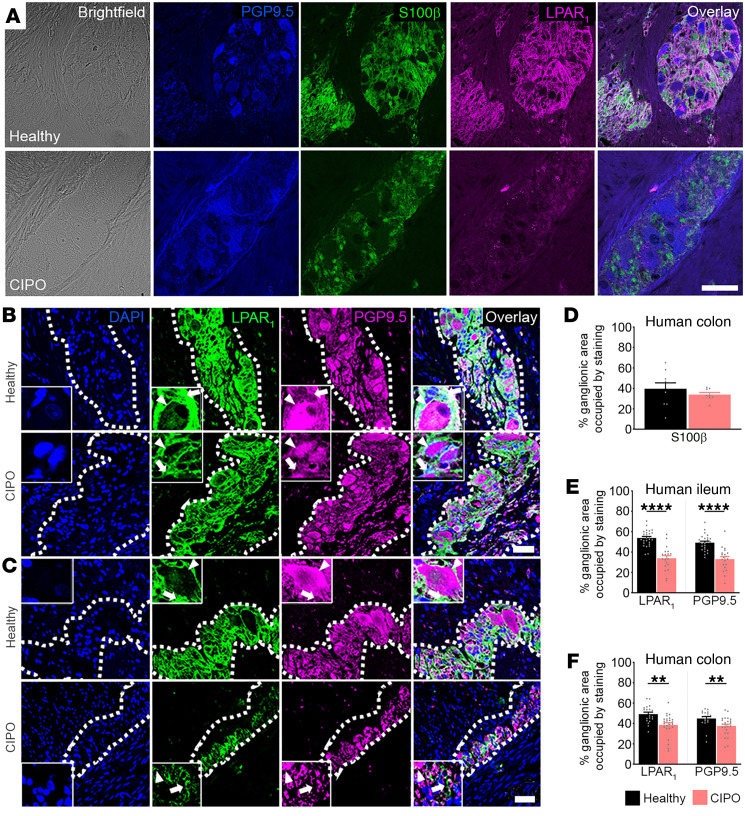
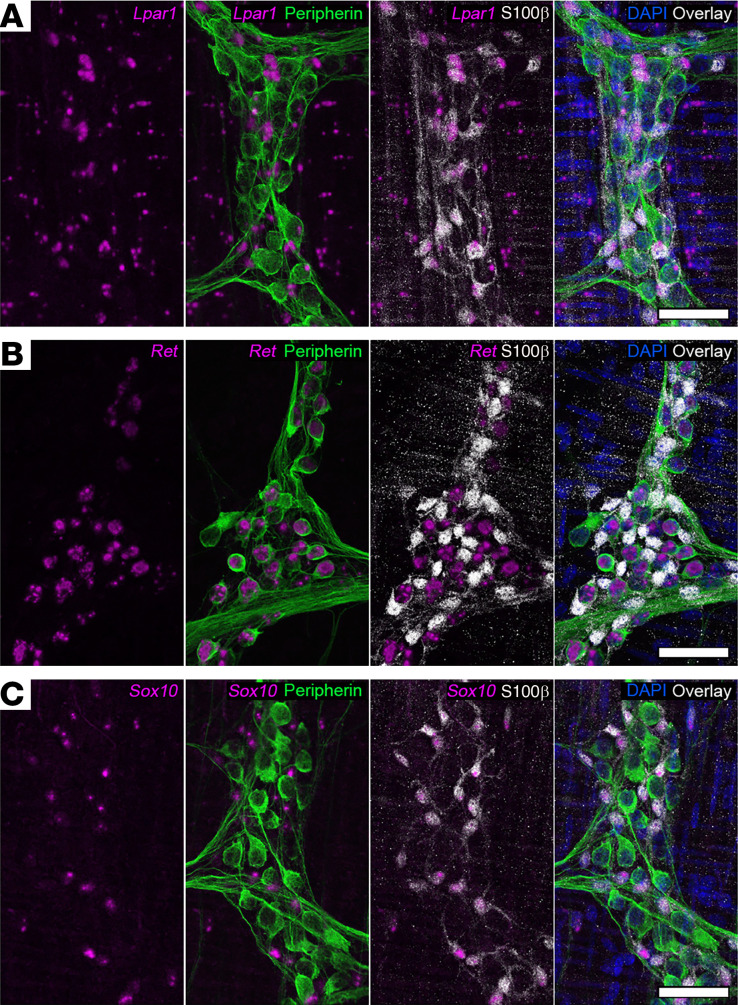
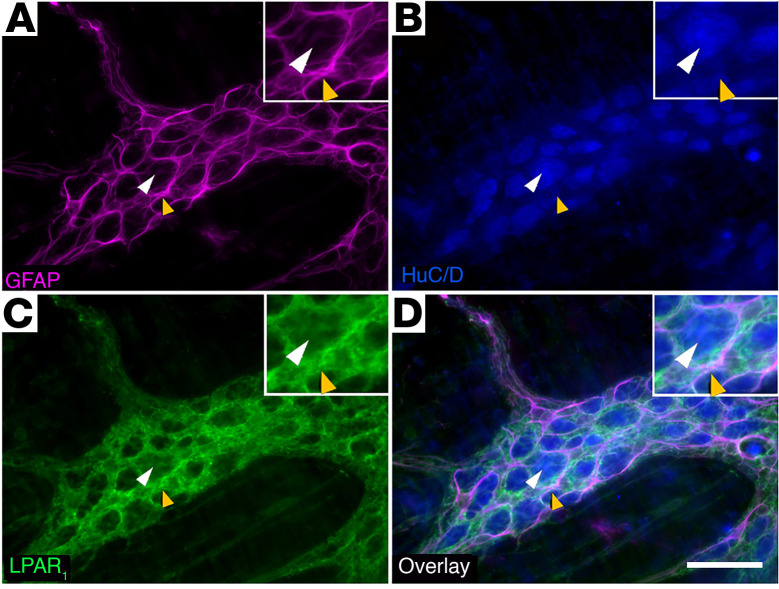
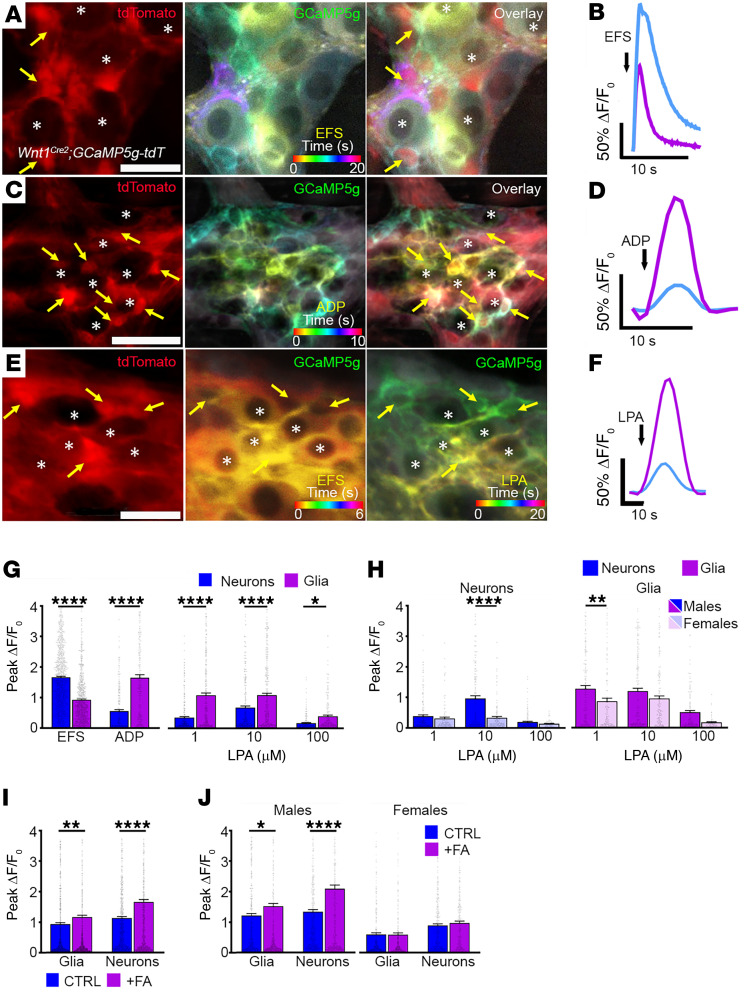
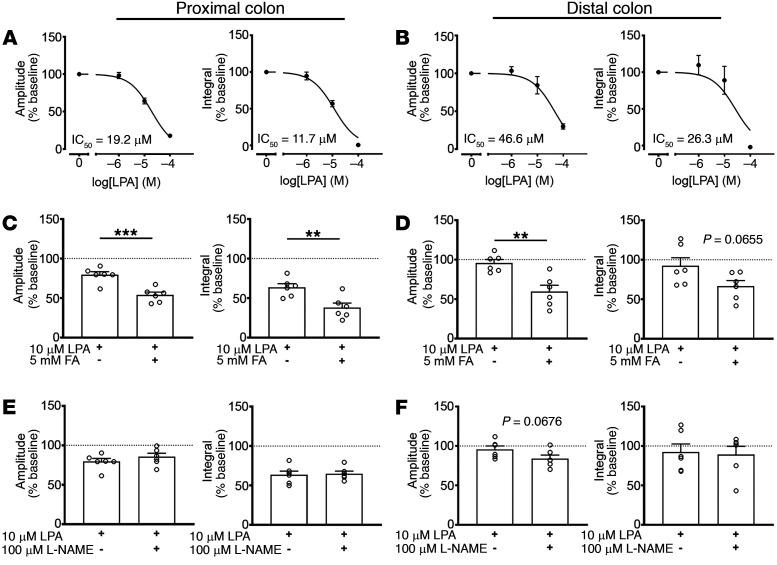
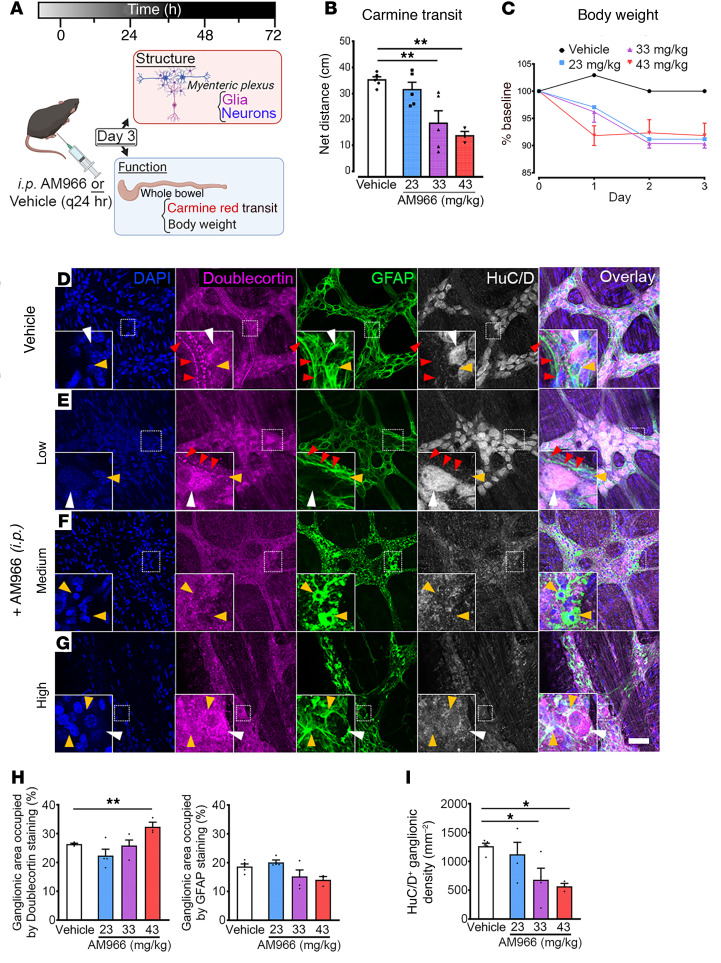
Gastrointestinal motility disorders involve alterations to the structure and/or function of the enteric nervous system (ENS) but the causal mechanisms remain unresolved in most cases. Homeostasis and disease in the ENS are processes that are regulated by enteric glia. Signaling mediated through type I lysophosphatidic acid receptors (LPAR1) has recently emerged as an important mechanism that contributes to disease, in part, through effects on peripheral glial survival and function. Enteric glia express LPAR1 but its role in ENS function and motility disorders is unknown. We used a combination of genetic, immunohistochemical, calcium imaging, and in vivo pharmacological approaches to investigate the role of LPAR1 in enteric glia. LPAR1 was enriched in enteric glia in mice and humans and LPA stimulated intracellular calcium responses in enteric glia, subsequently recruiting activity in a subpopulation of myenteric neurons. Blocking LPAR1 in vivo with AM966 attenuated gastrointestinal motility in mice and produced marked enteric neuro- and gliopathy. Samples from humans with chronic intestinal pseudo-obstruction (CIPO), a severe motility disorder, showed reduced glial LPAR1 expression in the colon and ileum. These data suggest that enteric glial LPAR1 signaling regulates gastrointestinal motility through enteric glia and could contribute to severe motility disorders in humans such as CIPO.
胃肠道动力障碍涉及肠神经系统(ENS)的结构和/或功能改变,但在大多数情况下,其因果机制仍未解决。ENS 的稳态和疾病是由肠胶质细胞调节的过程。通过 I 型溶血磷脂酸受体(LPAR1)介导的信号转导最近被认为是一种重要的机制,部分通过对周围神经胶质细胞存活和功能的影响导致疾病。肠胶质细胞表达 LPAR1,但它在 ENS 功能和运动障碍中的作用尚不清楚。我们使用了遗传、免疫组织化学、钙成像和体内药理学方法的组合来研究 LPAR1 在肠胶质细胞中的作用。LPAR1 在小鼠和人类的肠胶质细胞中富集,LPA 刺激肠胶质细胞内的钙反应,随后募集肌间神经元中的一部分活性。体内用 AM966 阻断 LPAR1 可减弱小鼠的胃肠道蠕动,并导致明显的肠神经和神经胶质病。来自慢性肠假性梗阻(CIPO)患者的样本,一种严重的运动障碍,显示结肠和回肠中的神经胶质 LPAR1 表达减少。这些数据表明,肠胶质细胞 LPAR1 信号通过肠胶质细胞调节胃肠道蠕动,并可能导致人类严重的运动障碍,如 CIPO。