Tineo Daniel, Bustamante Danilo E, Calderon Martha S, Huaman Eyner
Instituto de Investigación para el Desarrollo Sustentable de Ceja de Selva (INDES-CES), Universidad Nacional Toribio Rodríguez de Mendoza, Chachapoyas, Amazonas, Peru.
Instituto de Investigación en Ingeniería Ambiental (IIIA), Facultad de Ingeniería Civil y Ambiental (FICIAM), Universidad Nacional Toribio Rodríguez de Mendoza, Chachapoyas, Amazonas, Peru.
Heliyon. 2022 Jan 28;8(2):e08839. doi: 10.1016/j.heliyon.2022.e08839. eCollection 2022 Feb.
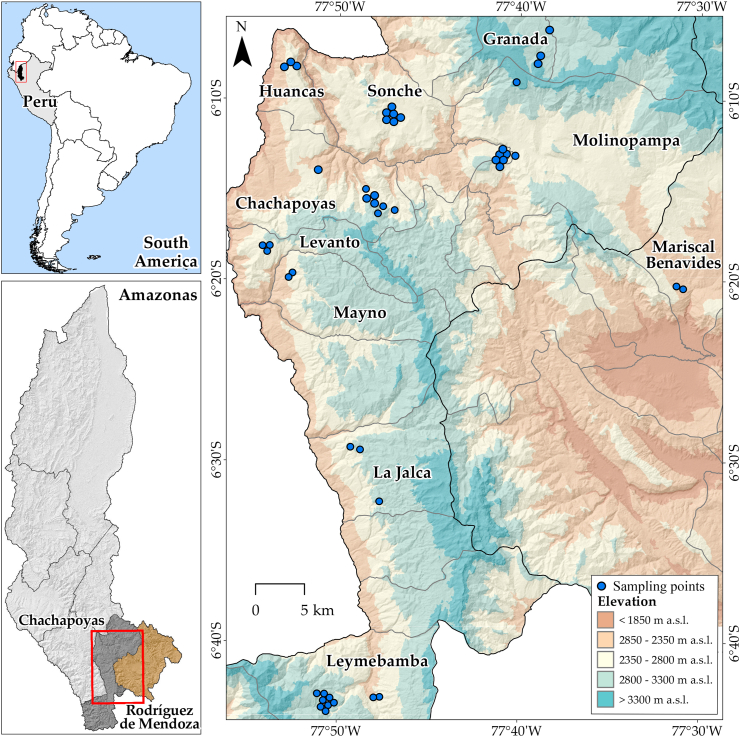
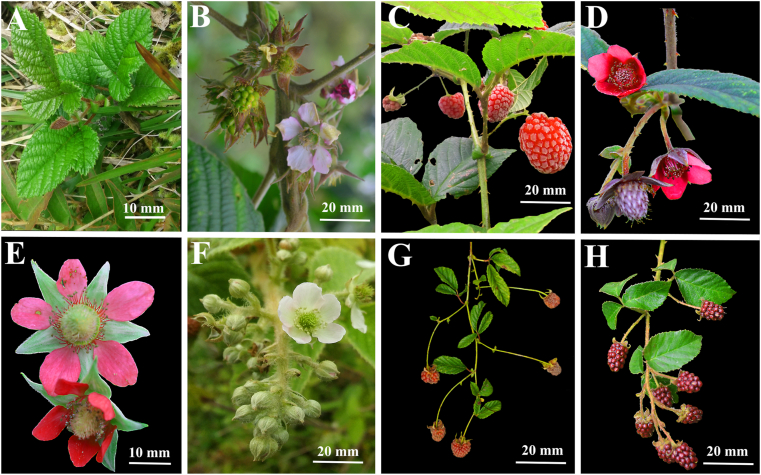
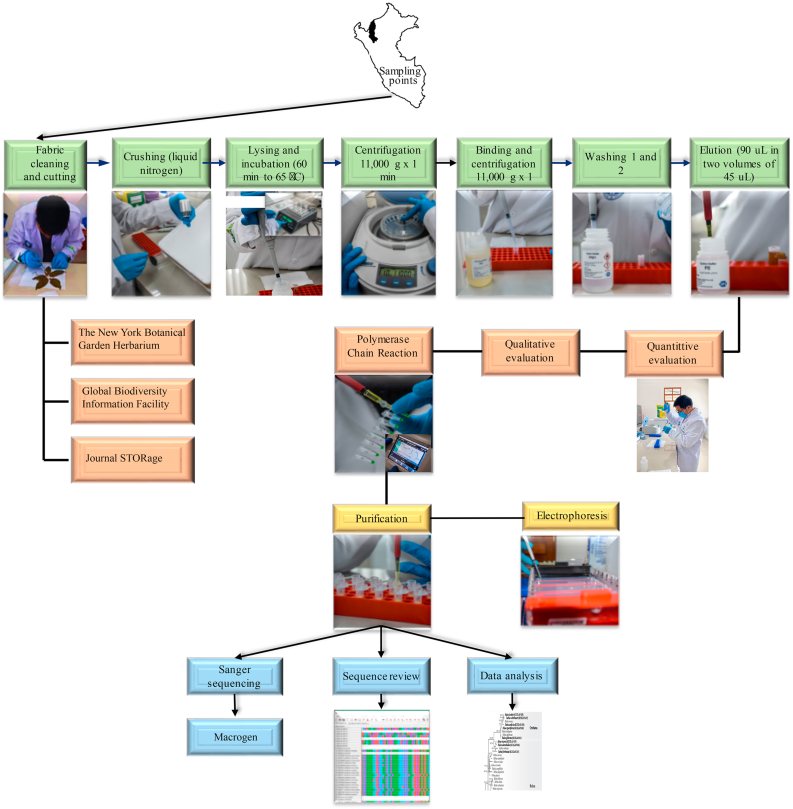
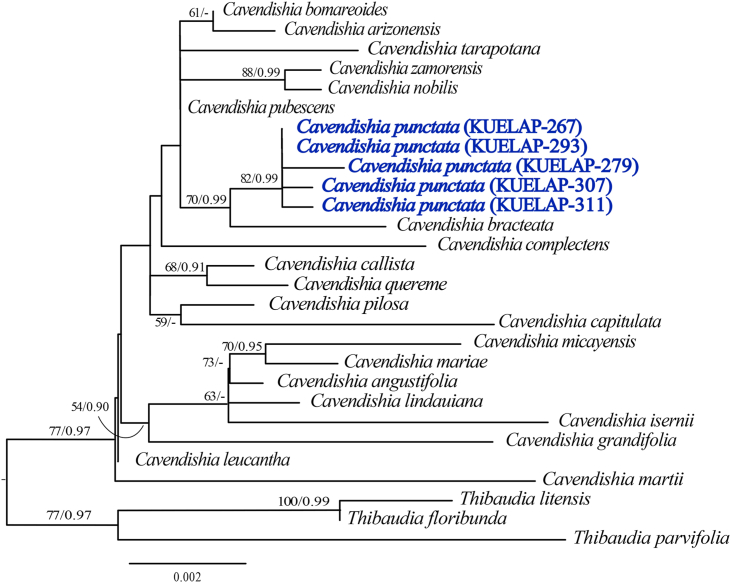
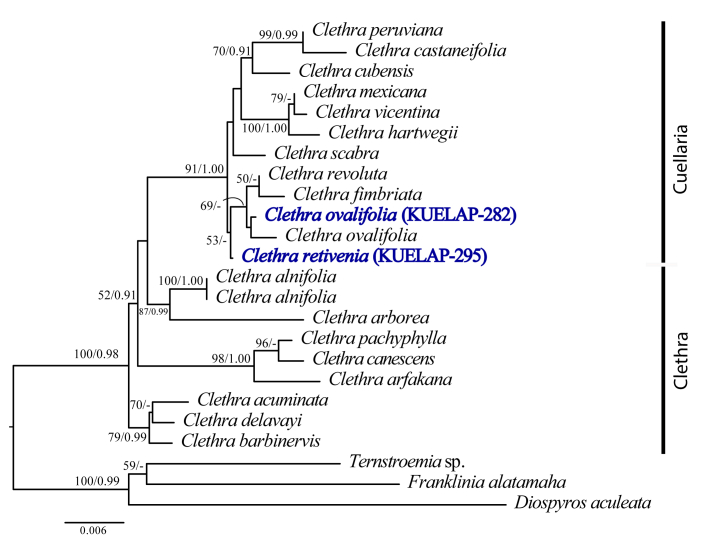
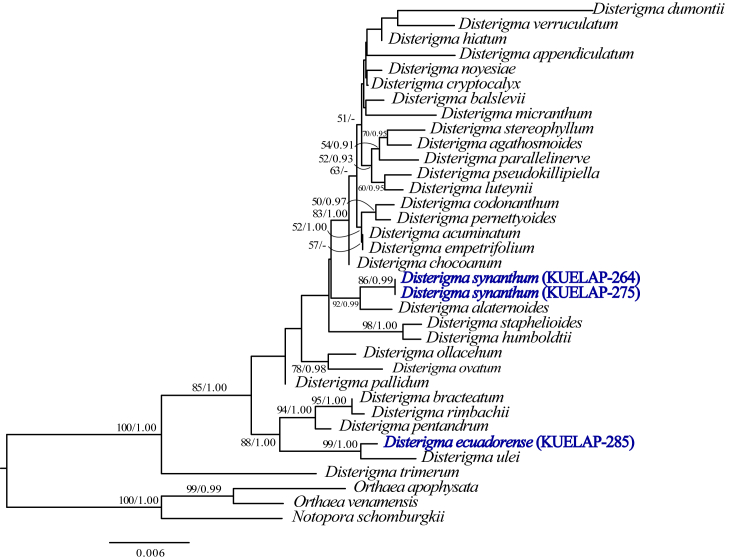
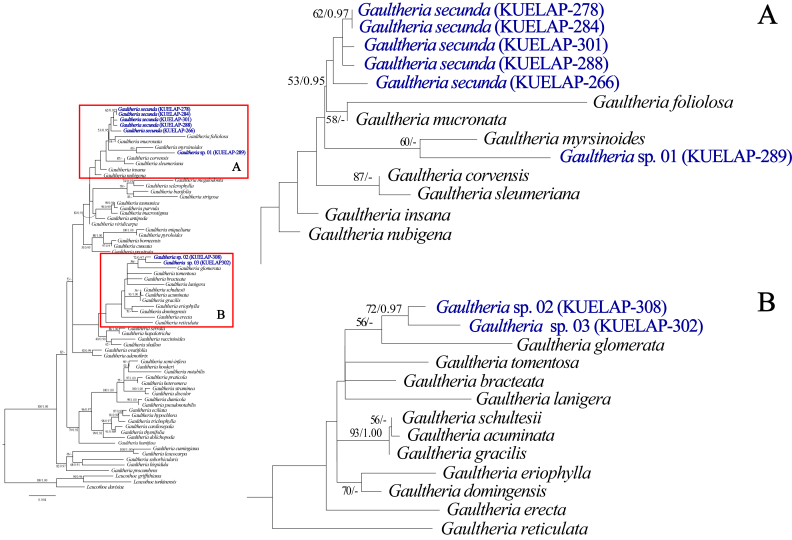
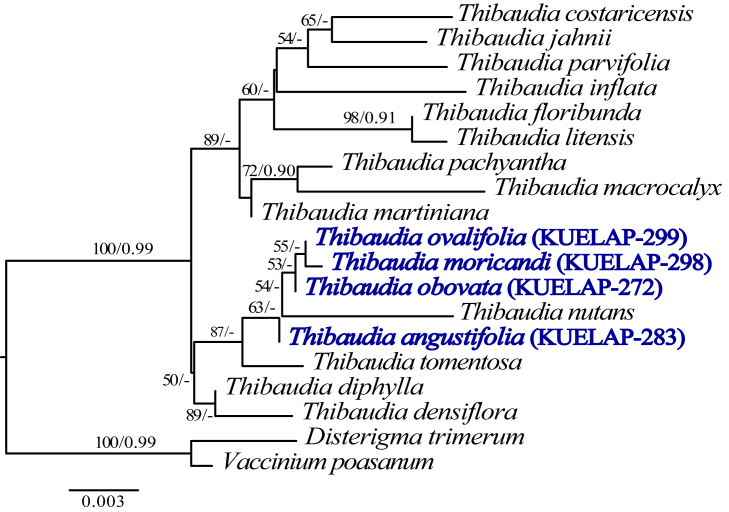
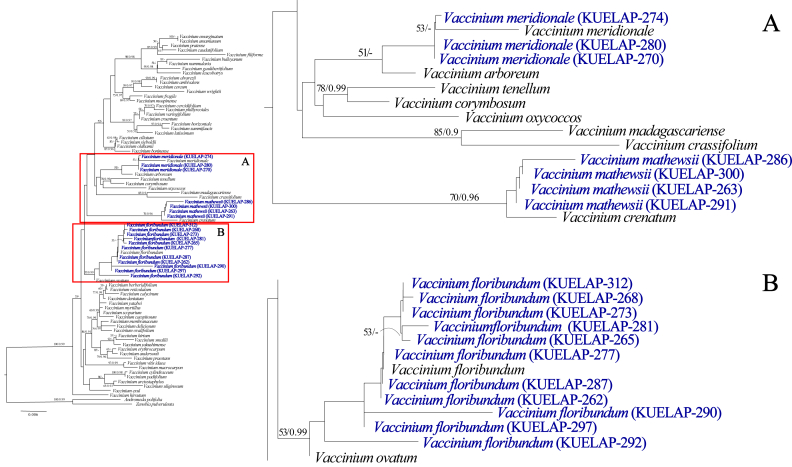
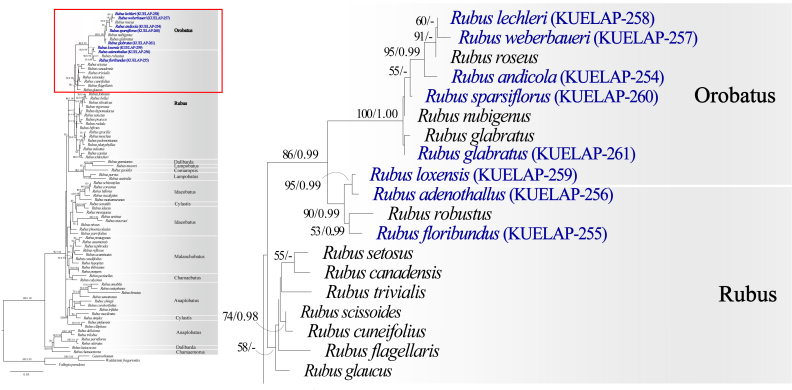
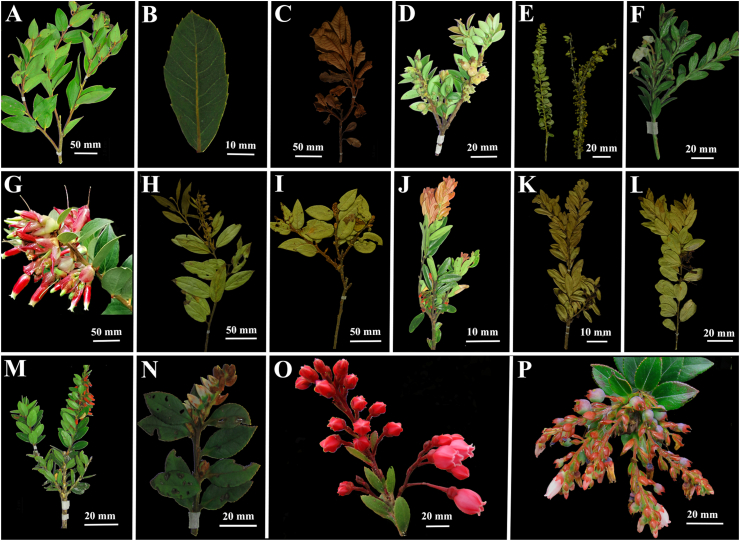
More than 12,000 species have been listed under the category of berries, and most of them belong to the orders Ericales and Rosales. Recent phylogenetic studies using molecular data have revealed disagreements with morphological approaches mainly due to diverse floral arrangements, which has proven to be a problem when recognizing species. Therefore, the use of multilocus sequence data is essential to establish robust species boundaries. Although berries are common in Andean cloud forests, diversity of these taxa has not been extensively evaluated in the current context of DNA-based techniques. In this regard, this study characterized morphologically and constructed multilocus phylogenies using four molecular markers, two chloroplast markers (K and L) and two nuclear markers (ITS and I-2). Specimens did not show diagnostic features to delimit species of berries. A total of 125 DNA-barcodes of andean berries were newly generated for the four molecular markers. The multilocus phylogenies constructed from these markers allowed the identification of 24 species grouped into the order Ericales ( = 1, = 2, = 2, = 4, = 4, = 3) and Rosales ( = 8), incorporating into the Peruvian flora four new records ( and ) and revealing the genus as the most diverse group of berries in the Amazonas region. The results of this study showed congruence in all the multilocus phylogenies, with internal transcribed spacer (ITS) showing the best resolution to distinguish the species. These species were found in coniferous forests, dry and humid forests, rocky slopes, and grasslands at 2,506-3,019 masl from Amazonas region. The integration of morphological and DNA-based methods is recommended to understand the diversity of berries along the Peruvian Andean cloud forest. Qhawarqan astawan chunka iskayniyuq waranqa especiekuna bayasmanta huch'uy mit'a maypichus hatun rak'i chayaqi ordenkunata Ericaleswan Rosaleswan. Chayraqpi Khuski filogeneticamanta rurachiy allincharqan chanikuna molecularkuna willarqan ayñi rikunawanta morfologicokunamanta, qaylla llapan rantichay t'ika tiktutaywan ñawray, ima kay kaqta qhawacgirqan kay huk champay pachaman riqsiypa especiekunamanta. Hina kaqtintaq, chanikuna qatikipaykunamanta multilocus hat'alliy tiksipmi takyachiypaq saywakuna sinchikuna especiekunamanta. Pana bayaskuna kanku allatinkuna sach'a-sach'api phuyusqa anti runap, ñawran manan karqan achka kamaykuy kunan pacha allwiyaraykupi takyasqakuna ADN. Chayrayku, Noqanchispa taqwi allincharqan huk filogenia multilocus, rarachikupúnmi tawa molecular marcadorkuna, caspa iskay markadorkunawan cloroplastomanta (K, L) iskay markadorkunawan nuclearkunamanta (ITS, -2). Kaykunawan filogeniamanta huniqamuran kikinchay iskay chunka tawayoq especies ima tantaqamuran q'anchis generospi (=1, =2, =2, =4, =4, =3, =8), kaykunata huñuyqamuranta piruwanu llacha kamay tawa musuq quillqakamachikuta (, , , ). Nocaykuq lluqsisqan kuwirinti rikuchirurqan llapankuna filogeniaspi multilocusmanta, kaspa espaciador transcrito interno (ITS) pi rikuchina kutuwi mihur rantichay riqsiypaq especiekunata. Dekanauwai juú weantug 12000 sag nagkaikiut, júna nejég tente ainawai nuintushkam kuashtai Ericales nuigtu Rosales weantui. Molecularesjai takasmaug juki filogeneticos augtus yamá dekai antugnaiñasmauwa nuna Morfologicosjai disa umikmaug, juka waignawai kuashag yagkunum, juwai dekaata tamanum kuashat utugchata ama nunuka. Nunui asamtai multilocus takasmauwa nujai dekanui wajukut ainawa pipish tumaig aidaush. Tujashkam kuashtai tentee nejég ainaug ikam naig yujagkim amuamua nunuig, wajupá kuashtakit tusajig ashi dekapasjig ADNjain dischamui. Nuni tamaugmak, ii augtusag duka takasé filogenia multilocus dekamua nujai, takasji ipák usumat marcadores molecularesjai, jimag marcadores cloroplastosjai (K nuigtu L) nuigtu jimag marcadores nuclearesjai (ITS nuigtu I-2). Juu filogenias dekaji 24 sag nagkaikiut tuwaka 7 generosnug tuwaka awa nunu (=1, =2, =2, =4, =4, =3, =8), juui dekanai yamajam ipák usumat ajag perunum awanunu (, , nuigtu ).
超过12000种植物被归类为浆果,其中大多数属于杜鹃花目和蔷薇目。最近利用分子数据进行的系统发育研究揭示了与形态学方法的分歧,主要原因是花的排列方式多样,这在识别物种时已被证明是一个问题。因此,使用多位点序列数据对于建立可靠的物种界限至关重要。虽然浆果在安第斯云雾森林中很常见,但在当前基于DNA的技术背景下,这些类群的多样性尚未得到广泛评估。在这方面,本研究对其进行了形态学特征描述,并使用四个分子标记构建了多位点系统发育树,两个叶绿体标记(K和L)和两个核标记(ITS和I-2)。标本没有显示出区分浆果物种的诊断特征。总共为这四个分子标记新生成了125个安第斯浆果的DNA条形码。由这些标记构建的多位点系统发育树使得能够识别出24个物种,分为杜鹃花目( = 1, = 2, = 2, = 4, = 4, = 3)和蔷薇目( = 8),将四个新记录(和)纳入秘鲁植物区系,并揭示属是亚马逊地区最多样化的浆果类群。本研究的结果在所有多位点系统发育树中显示出一致性,内部转录间隔区(ITS)在区分物种方面显示出最佳分辨率。这些物种发现于亚马逊地区海拔2506 - 3019米的针叶林、干湿森林、岩石斜坡和草原中。建议将形态学方法和基于DNA的方法结合起来,以了解秘鲁安第斯云雾森林中浆果的多样性。 Qhawarqan astawan chunka iskayniyuq waranqa especiekuna bayasmanta huch'uy mit'a maypichus hatun rak'i chayaqi ordenkunata Ericaleswan Rosaleswan. Chayraqpi Khuski filogeneticamanta rurachiy allincharqan chanikuna molecularkuna willarqan ayñi rikunawanta morfologicokunamanta, qaylla llapan rantichay t'ika tiktutaywan ñawray, ima kay kaqta qhawacgirqan kay huk champay pachaman riqsiypa especiekunamanta. Hina kaqtintaq, chanikuna qatikipaykunamanta multilocus hat'alliy tiksipmi takyachiypaq saywakuna sinchikuna especiekunamanta. Pana bayaskuna kanku allatinkuna sach'a-sach'api phuyusqa anti runap, ñawran manan karqan achka kamaykuy kunan pacha allwiyaraykupi takyasqakuna ADN. Chayrayku, Noqanchispa taqwi allincharqan huk filogenia multilocus, rarachikupúnmi tawa molecular marcadorkuna, caspa iskay markadorkunawan cloroplastomanta (K, L) iskay markadorkunawan nuclearkunamanta (ITS, -2). Kaykunawan filogeniamanta huniqamuran kikinchay iskay chunka tawayoq especies ima tantaqamuran q'anchis generospi (=1, =2, =2, =4, =4, =3, =8), kaykunata huñuyqamuranta piruwanu llacha kamay tawa musuq quillqakamachikuta (, , , ). Nocaykuq lluqsisqan kuwirinti rikuchirurqan llapankuna filogeniaspi multilocusmanta, kaspa espaciador transcrito interno (ITS) pi rikuchina kutuwi mihur rantichay riqsiypaq especiekunata. Dekanauwai juú weantug 12000 sag nagkaikiut, júna nejég tente ainawai nuintushkam kuashtai Ericales nuigtu Rosales weantui. Molecularesjai takasmaug juki filogeneticos augtus yamá dekai antugnaiñasmauwa nuna Morfologicosjai disa umikmaug, juka waignawai kuashag yagkunum, juwai dekaata tamanum kuashat utugchata ama nunuka. Nunui asamtai multilocus takasmauwa nujai dekanui wajukut ainawa pipish tumaig aidaush. Tujashkam kuashtai tentee nejég ainaug ikam naig yujagkim amuamua nunuig, wajupá kuashtakit tusajig ashi dekapasjig ADNjain dischamui. Nuni tamaugmak, ii augtusag duka takasé filogenia multilocus dekamua nujai, takasji ipák usumat marcadores molecularesjai, jimag marcadores cloroplastosjai (K nuigtu L) nuigtu jimag marcadores nuclearesjai (ITS nuigtu I-2). Juu filogenias dekaji 24 sag nagkaikiut tuwaka 7 generosnug tuwaka awa nunu (=1, =2, =2, =4, =4, =3, =8), juui dekanai yamajam ipák usumat ajag perunum awanunu (, , nuigtu ).