Arellano Aldo A, Coon Kerri L
Microbiology Doctoral Training Program, University of Wisconsin-Madison, Madison, WI, 53706, USA.
Department of Bacteriology, University of Wisconsin-Madison, Madison, WI, 53706, USA.
Anim Microbiome. 2022 Feb 16;4(1):13. doi: 10.1186/s42523-022-00164-1.
The leaves of carnivorous pitcher plants harbor diverse communities of inquiline species, including bacteria and larvae of the pitcher plant mosquito (Wyeomyia smithii), which aid the plant by processing captured prey. Despite the growing appreciation for this microecosystem as a tractable model in which to study food web dynamics and the moniker of W. smithii as a 'keystone predator', very little is known about microbiota acquisition and assembly in W. smithii mosquitoes or the impacts of W. smithii-microbiota interactions on mosquito and/or plant fitness.
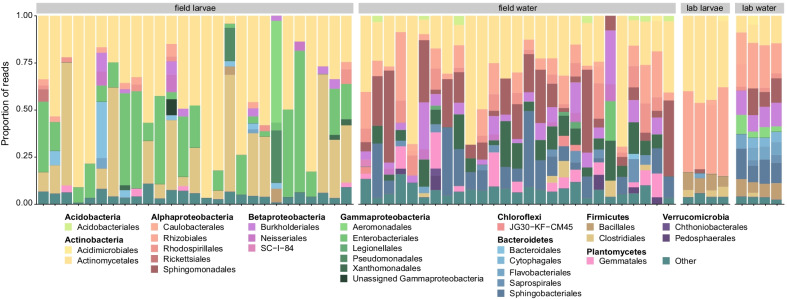
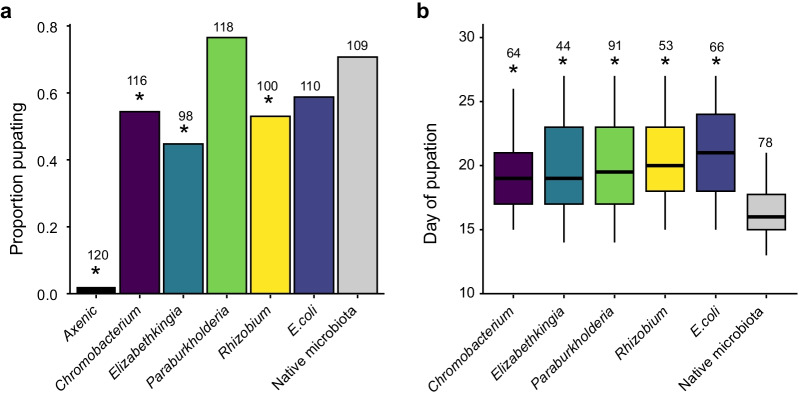
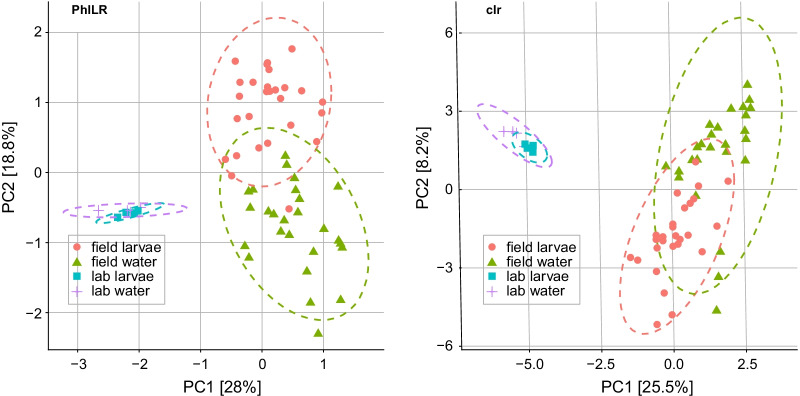
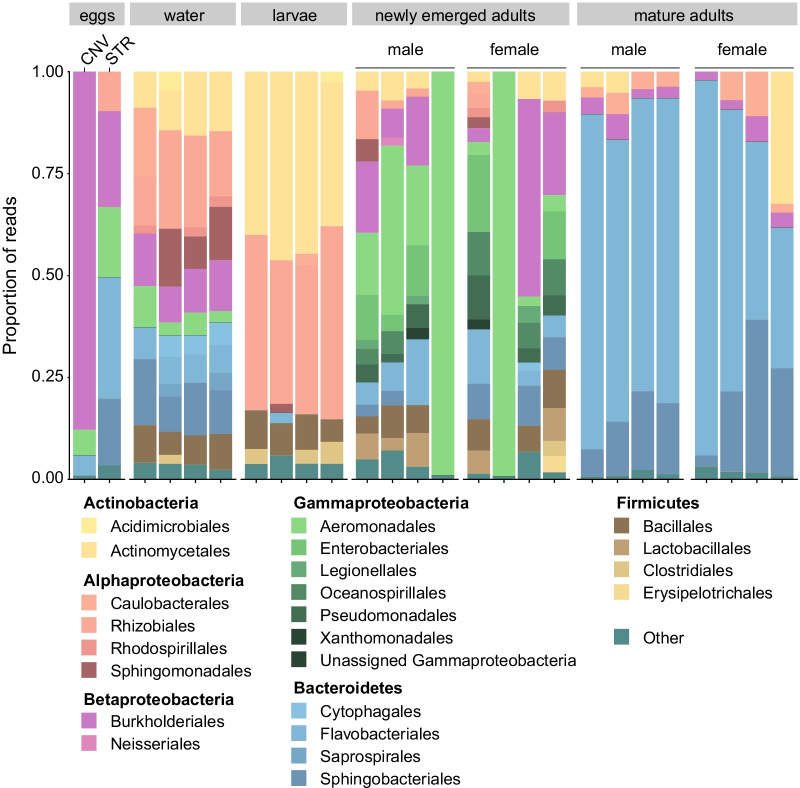
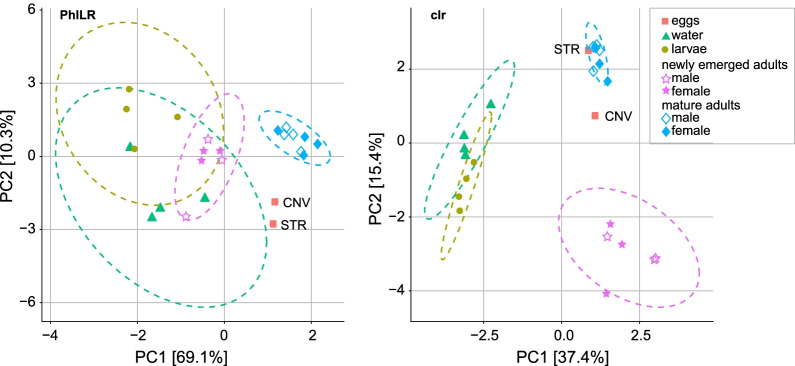
In this study, we used high throughput sequencing of bacterial 16S rRNA gene amplicons to characterize and compare microbiota diversity in field- and laboratory-derived W. smithii larvae. We then conducted controlled experiments in the laboratory to better understand the factors shaping microbiota acquisition and persistence across the W. smithii life cycle. Methods were also developed to produce axenic (microbiota-free) W. smithii larvae that can be selectively recolonized with one or more known bacterial species in order to study microbiota function. Our results support a dominant role for the pitcher environment in shaping microbiota diversity in W. smithii larvae, while also indicating that pitcher-associated microbiota can persist in and be dispersed by adult W. smithii mosquitoes. We also demonstrate the successful generation of axenic W. smithii larvae and report variable fitness outcomes in gnotobiotic larvae monocolonized by individual bacterial isolates derived from naturally occurring pitchers in the field.
This study provides the first information on microbiota acquisition and assembly in W. smithii mosquitoes. This study also provides the first evidence for successful microbiota manipulation in this species. Altogether, our results highlight the value of such methods for studying host-microbiota interactions and lay the foundation for future studies to understand how W. smithii-microbiota interactions shape the structure and stability of this important model ecosystem.
食肉猪笼草的叶子中栖息着各种各样的寄居生物群落,包括细菌和猪笼草蚊(斯氏库蚊)的幼虫,这些生物通过处理捕获的猎物来帮助猪笼草。尽管人们越来越认识到这个微生态系统是研究食物网动态的一个易于处理的模型,并且斯氏库蚊被称为“关键捕食者”,但对于斯氏库蚊中微生物群的获取和组装,或者斯氏库蚊 - 微生物群相互作用对蚊子和/或植物适应性的影响,我们知之甚少。
在本研究中,我们使用细菌16S rRNA基因扩增子的高通量测序来表征和比较野外和实验室来源的斯氏库蚊幼虫中的微生物群多样性。然后我们在实验室中进行了对照实验,以更好地了解在斯氏库蚊生命周期中塑造微生物群获取和持久性的因素。还开发了产生无菌(无微生物群)斯氏库蚊幼虫的方法,这些幼虫可以用一种或多种已知细菌物种进行选择性重新定殖,以便研究微生物群的功能。我们的结果支持猪笼草环境在塑造斯氏库蚊幼虫微生物群多样性方面的主导作用,同时也表明与猪笼草相关的微生物群可以在成年斯氏库蚊中持续存在并通过它们传播。我们还展示了成功产生无菌斯氏库蚊幼虫,并报告了在由从野外天然猪笼草中分离的单个细菌分离株进行单一定殖的悉生幼虫中的不同适应性结果。
本研究提供了关于斯氏库蚊中微生物群获取和组装的首个信息。本研究还提供了该物种成功进行微生物群操纵的首个证据。总之,我们的结果突出了此类方法在研究宿主 - 微生物群相互作用方面的价值,并为未来研究奠定了基础,以了解斯氏库蚊 - 微生物群相互作用如何塑造这个重要模型生态系统的结构和稳定性。