Department of Anesthesiology, Columbia University Medical Center, New York, NY, USA.
Department of Pediatrics, Division of Pediatric Critical Care Medicine, Columbia University Medical Center, New York, NY, USA.
Pediatr Res. 2022 Nov;92(5):1341-1349. doi: 10.1038/s41390-022-01985-1. Epub 2022 Feb 16.
Propofol infusion syndrome (PRIS) is a potentially lethal consequence of long-term propofol administration. Children are vulnerable and cardiac involvement is often prominent and associated with mortality. We aimed to determine the mechanism of propofol toxicity in newborn mice, hypothesizing that propofol would induce discrete defects within immature cardiac mitochondria.
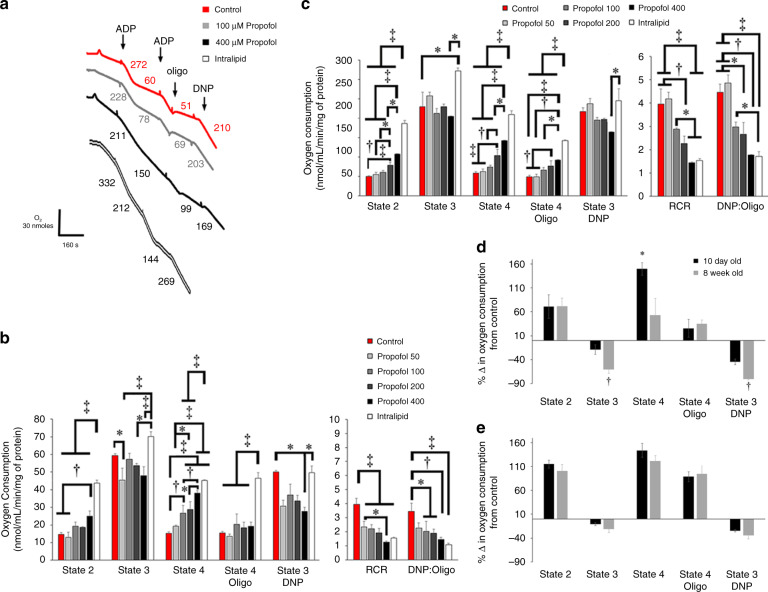
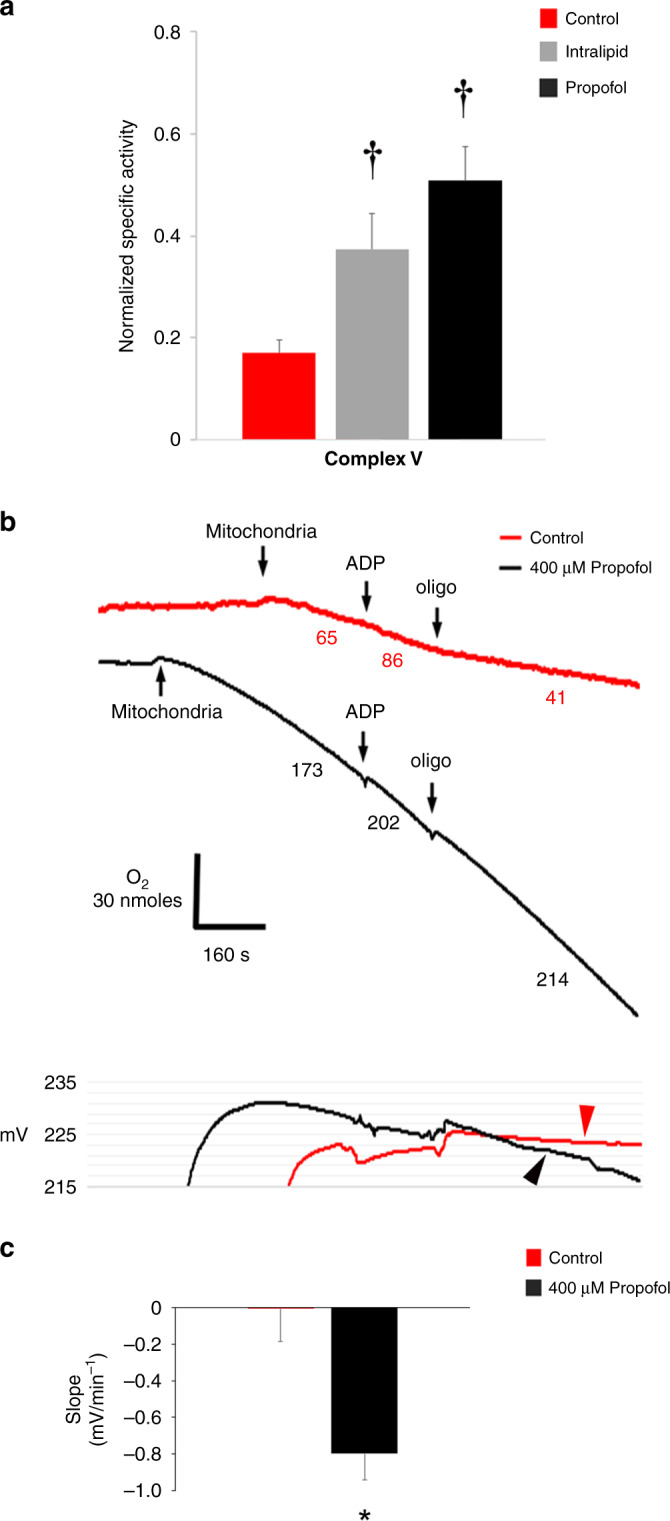
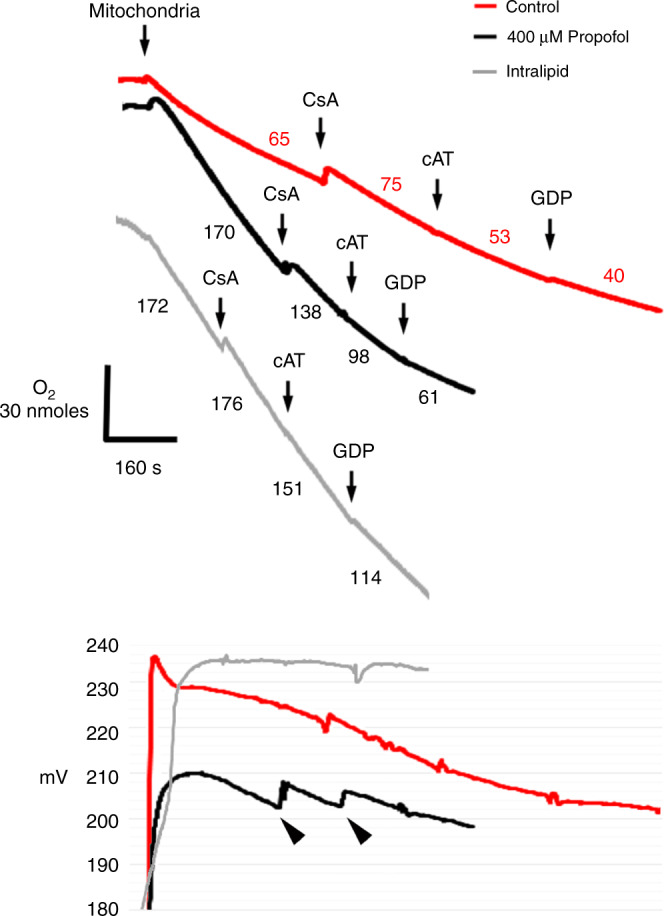
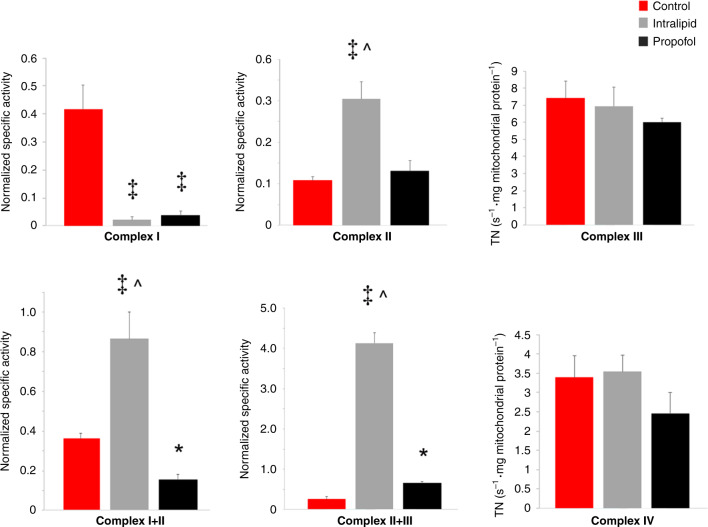
Newborn murine cardiac mitochondria were exposed to propofol or intralipid in vitro. Non-exposed mitochondria served as controls. Mitochondrial respiration and membrane potential (ΔΨ) were measured and respiratory chain complex kinetics were determined.
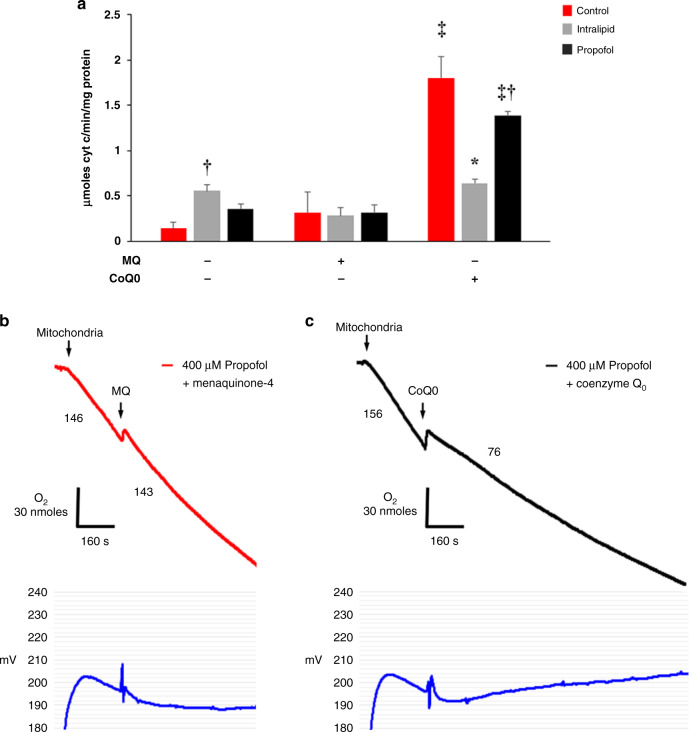
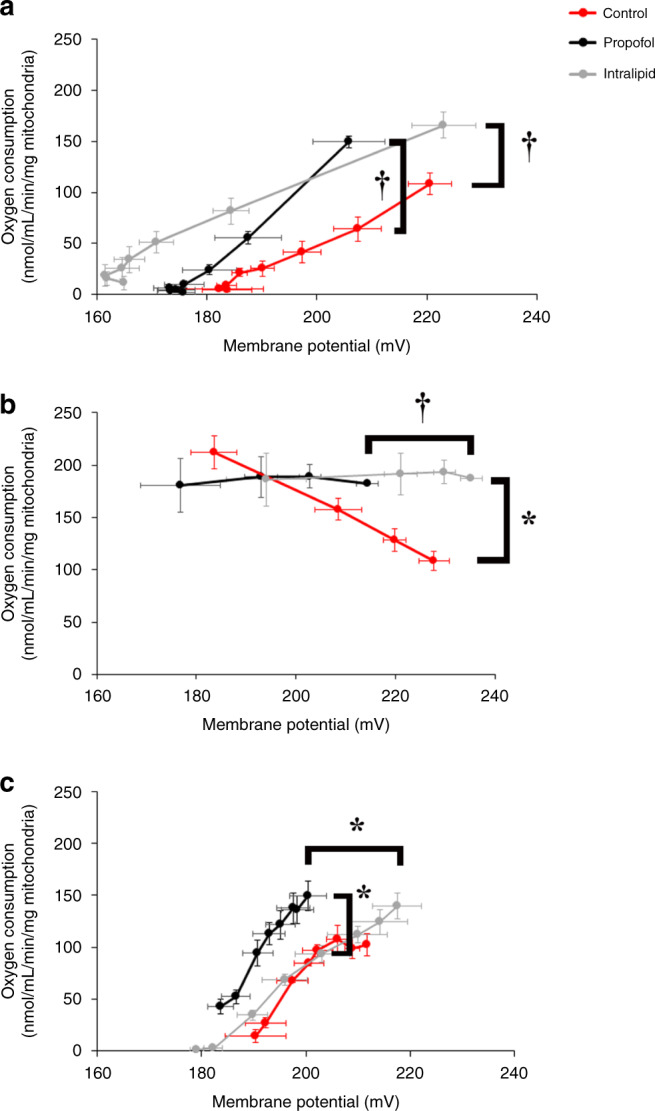
Propofol and intralipid exerted biological activity in isolated mitochondria. Although intralipid effects were a potential confounder, we found that propofol induced a dose-dependent increase in proton leak and caused a defect in substrate oxidation at coenzyme Q (CoQ). These impairments prevented propofol-exposed cardiomyocyte mitochondria from generating an adequate ΔΨ. The addition of the quinone analog, CoQ, blocked propofol-induced leak and increased Complex II+III activity.
Propofol uncoupled immature cardiomyocyte mitochondria by inducing excessive CoQ-sensitive leak and interfered with electron transport at CoQ. The findings provide new insight into the mechanisms of propofol toxicity in the developing heart and may help explain why children are vulnerable to developing PRIS.
Propofol uncouples immature cardiomyocyte mitochondria by inducing excessive coenzyme Q (CoQ)-sensitive proton leak. Propofol also interferes with electron transport at the level of CoQ. These defects provide new insight into propofol toxicity in the developing heart.
丙泊酚输注综合征(PRIS)是长期输注丙泊酚的潜在致命后果。儿童易受影响,且心脏受累通常较为突出,并与死亡率相关。我们旨在确定新生小鼠中丙泊酚毒性的机制,假设丙泊酚会在不成熟的心肌线粒体中引起离散缺陷。
新生鼠心肌线粒体在体外接触丙泊酚或脂肪乳。未暴露的线粒体作为对照。测量线粒体呼吸和膜电位(ΔΨ),并确定呼吸链复合物动力学。
丙泊酚和脂肪乳在分离的线粒体中发挥生物学活性。尽管脂肪乳的作用可能是一个潜在的混杂因素,但我们发现丙泊酚诱导质子漏的剂量依赖性增加,并导致辅酶 Q(CoQ)处底物氧化缺陷。这些损伤阻止了丙泊酚暴露的心肌线粒体产生足够的ΔΨ。醌类似物 CoQ 的添加阻断了丙泊酚诱导的漏,并增加了复合物 II+III 的活性。
丙泊酚通过诱导过量的 CoQ 敏感漏来解偶联未成熟的心肌线粒体,并干扰 CoQ 处的电子传递。这些发现为丙泊酚在发育心脏中的毒性机制提供了新的见解,并可能有助于解释为什么儿童易患 PRIS。
丙泊酚通过诱导过量的辅酶 Q(CoQ)敏感质子漏来解偶联未成熟的心肌线粒体。丙泊酚还干扰 CoQ 水平的电子传递。这些缺陷为发育心脏中的丙泊酚毒性提供了新的见解。