Brain Metastasis Group, CNIO, Madrid, Spain.
Experimental Therapeutics Programme, CNIO, Madrid, Spain.
EMBO Mol Med. 2022 Mar 7;14(3):e14552. doi: 10.15252/emmm.202114552. Epub 2022 Feb 17.
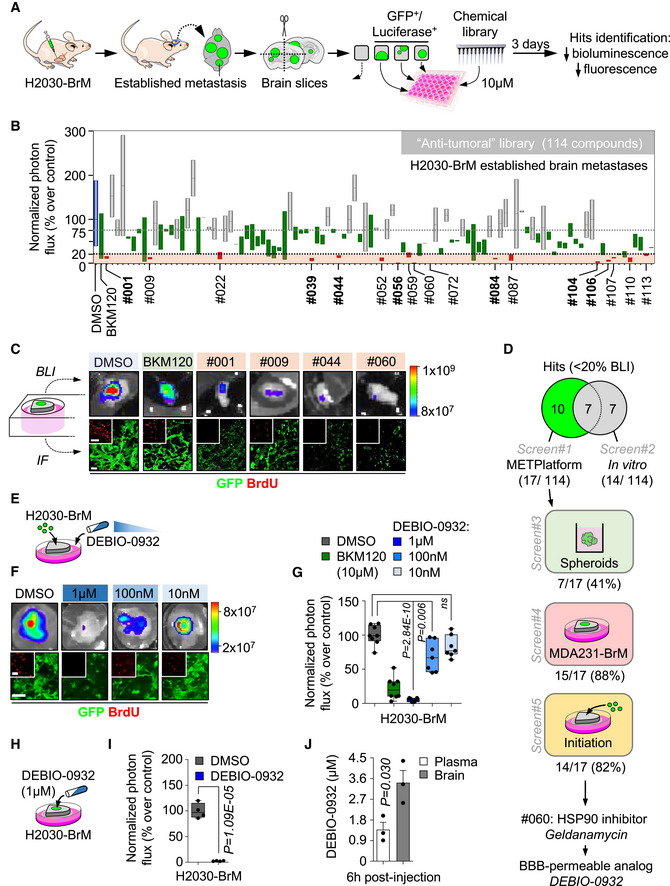
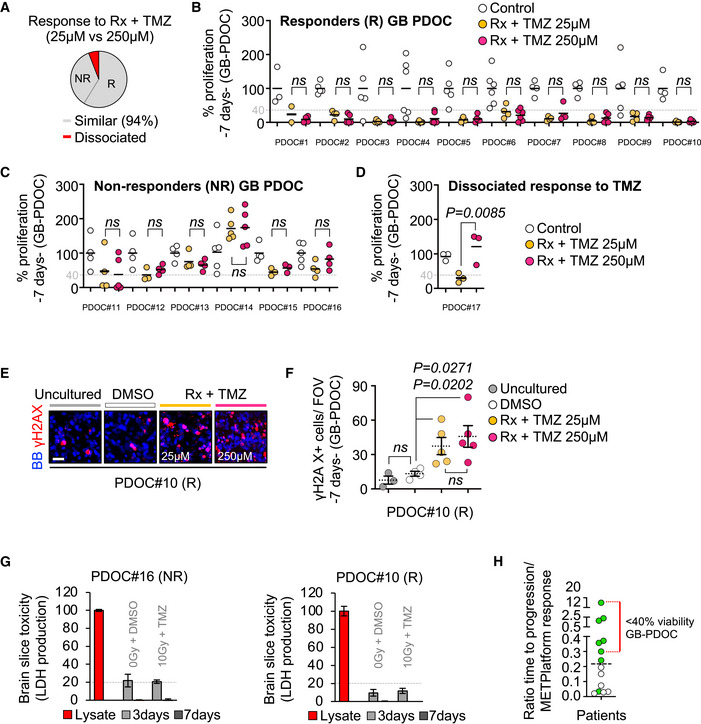
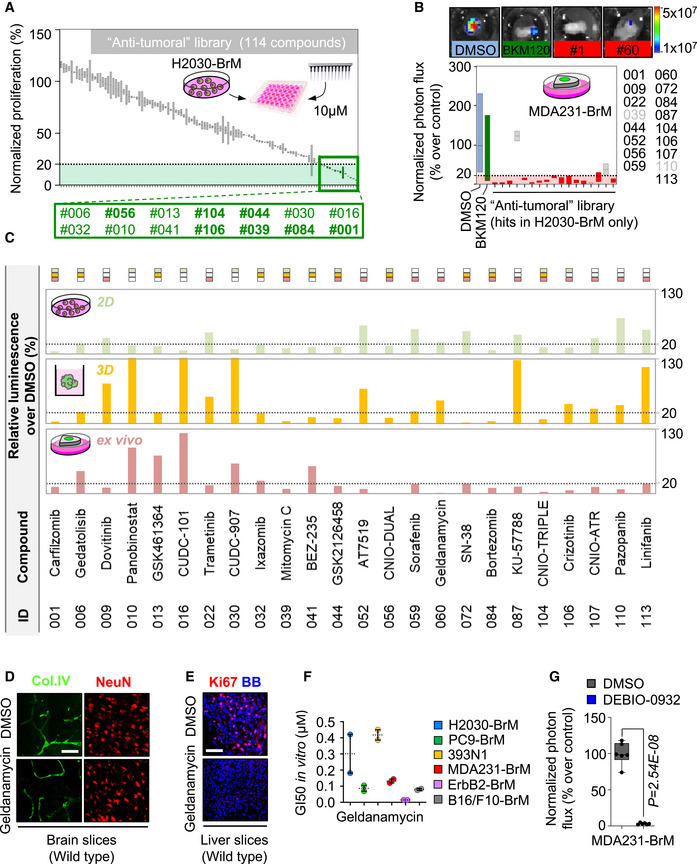
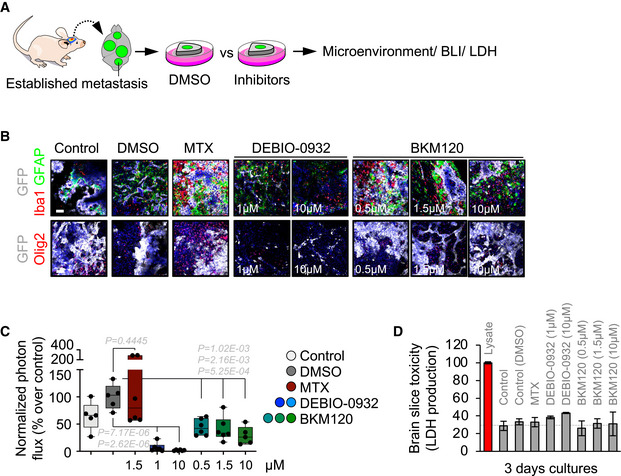
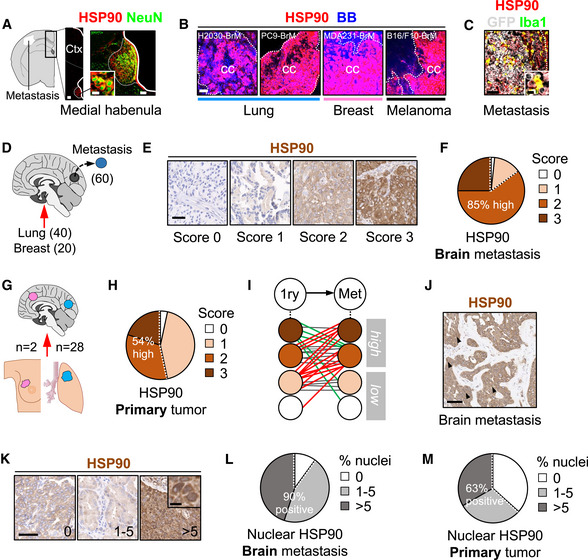
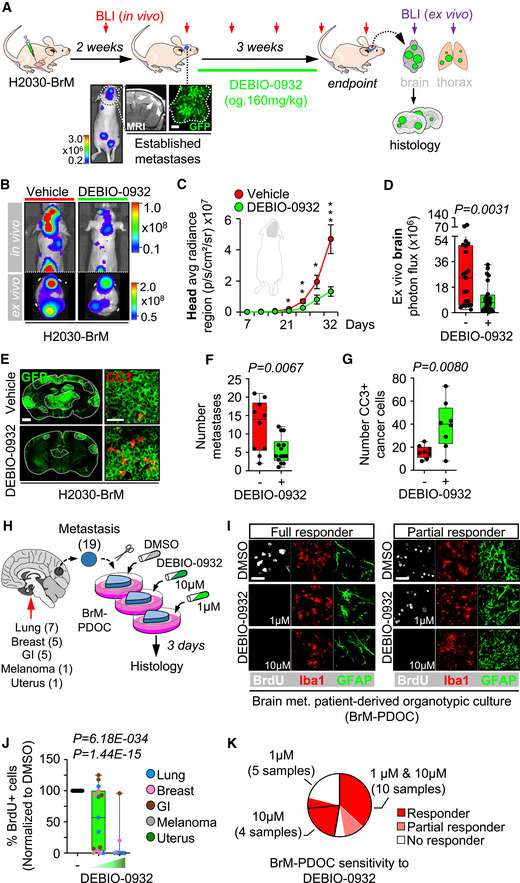
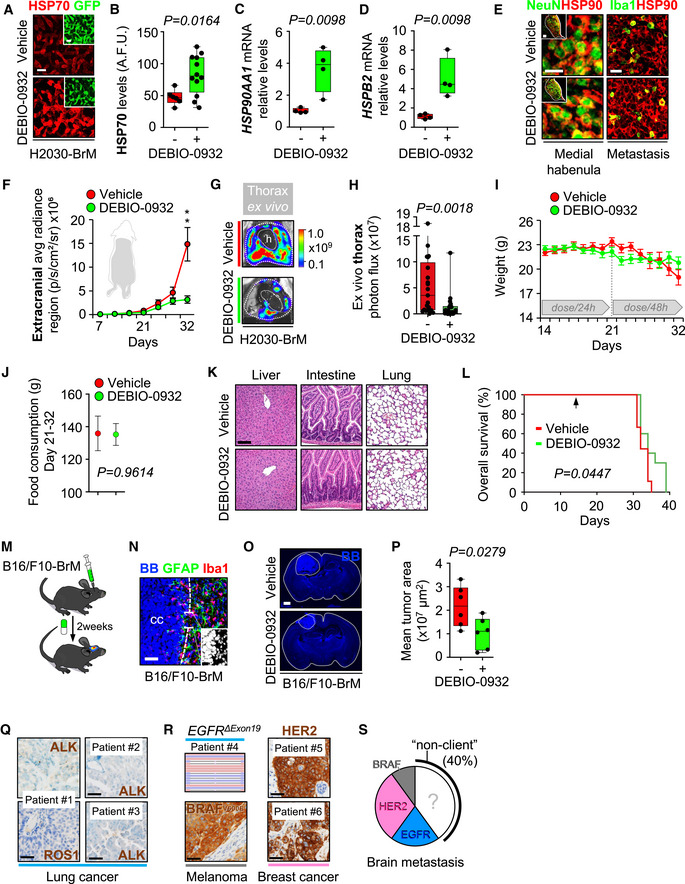
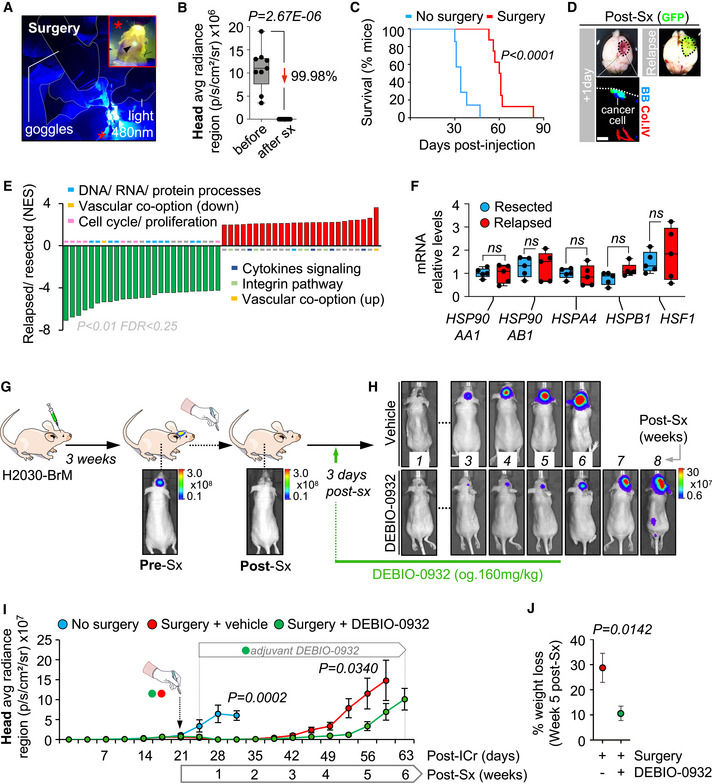
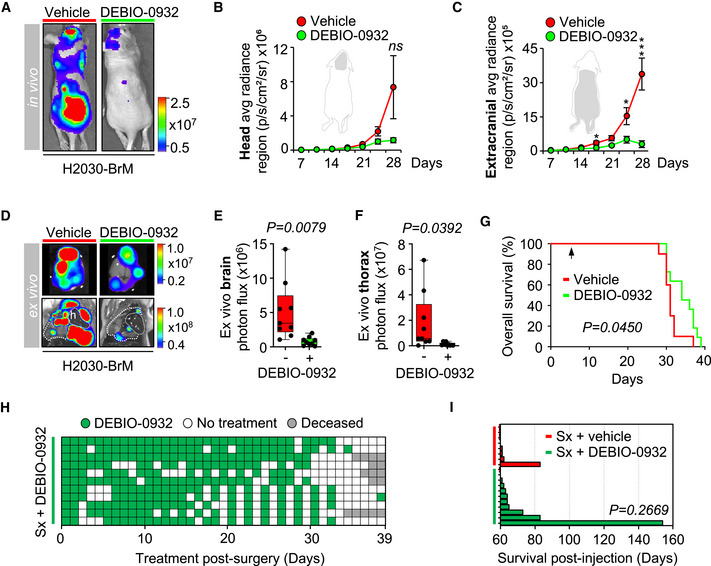
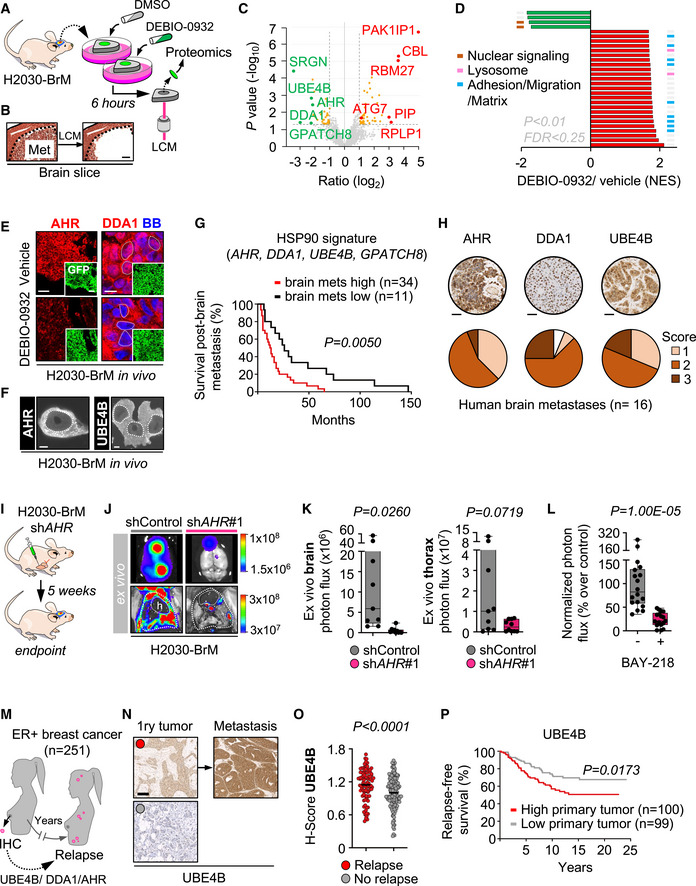
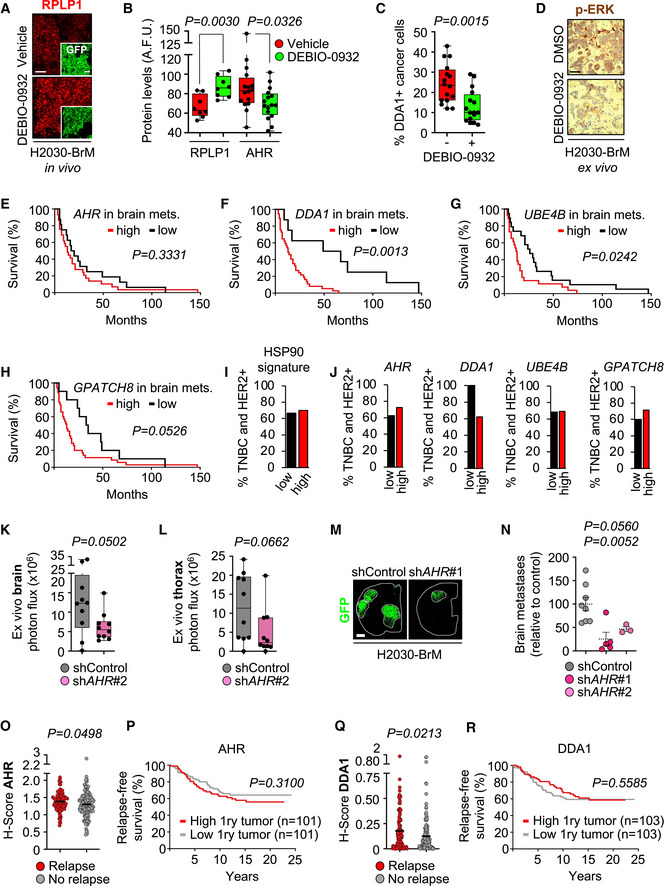
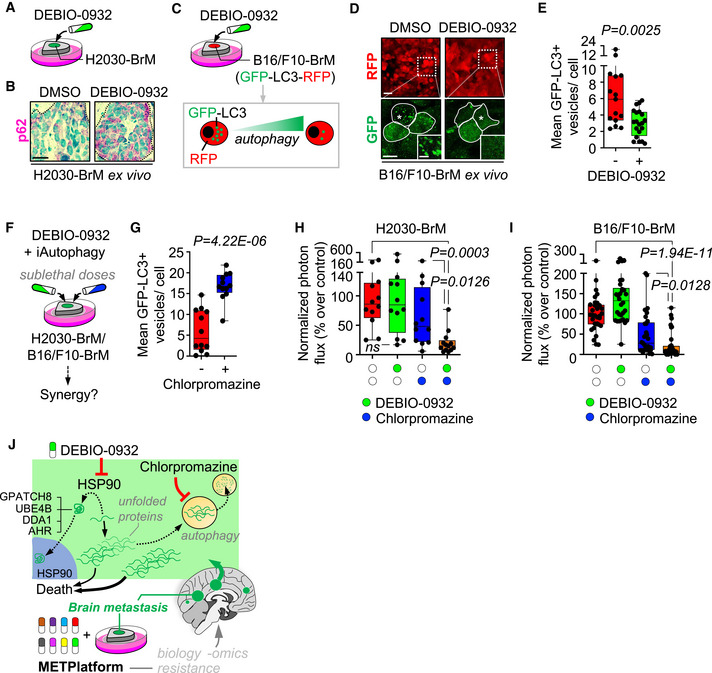
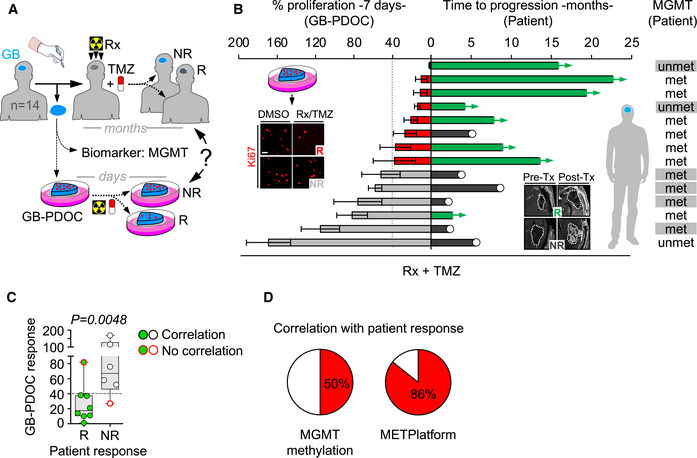
We report a medium-throughput drug-screening platform (METPlatform) based on organotypic cultures that allows to evaluate inhibitors against metastases growing in situ. By applying this approach to the unmet clinical need of brain metastasis, we identified several vulnerabilities. Among them, a blood-brain barrier permeable HSP90 inhibitor showed high potency against mouse and human brain metastases at clinically relevant stages of the disease, including a novel model of local relapse after neurosurgery. Furthermore, in situ proteomic analysis applied to metastases treated with the chaperone inhibitor uncovered a novel molecular program in brain metastasis, which includes biomarkers of poor prognosis and actionable mechanisms of resistance. Our work validates METPlatform as a potent resource for metastasis research integrating drug-screening and unbiased omic approaches that is compatible with human samples. Thus, this clinically relevant strategy is aimed to personalize the management of metastatic disease in the brain and elsewhere.
我们报告了一种基于器官型培养的高通量药物筛选平台(METPlatform),可用于评估原位生长的转移抑制剂。通过将这种方法应用于脑转移这一未满足的临床需求,我们确定了几种弱点。其中,一种血脑屏障通透性 HSP90 抑制剂在疾病的临床相关阶段对小鼠和人脑转移具有高活性,包括神经手术后局部复发的新型模型。此外,应用于用伴侣蛋白抑制剂治疗的转移灶的原位蛋白质组学分析揭示了脑转移中的一个新的分子程序,其中包括预后不良的生物标志物和耐药的可操作机制。我们的工作验证了 METPlatform 作为一种强大的转移研究资源,它集成了药物筛选和无偏倚的组学方法,与人类样本兼容。因此,这种具有临床相关性的策略旨在针对脑转移和其他部位的转移性疾病进行个体化治疗。