Cambridge Institute of Therapeutic Immunology & Infectious Disease (CITIID), Department of Medicine, University of Cambridge, Cambridge, United Kingdom.
Department of Cell and Developmental Biology, University College London, London, United Kingdom.
Elife. 2022 Feb 17;11:e72825. doi: 10.7554/eLife.72825.
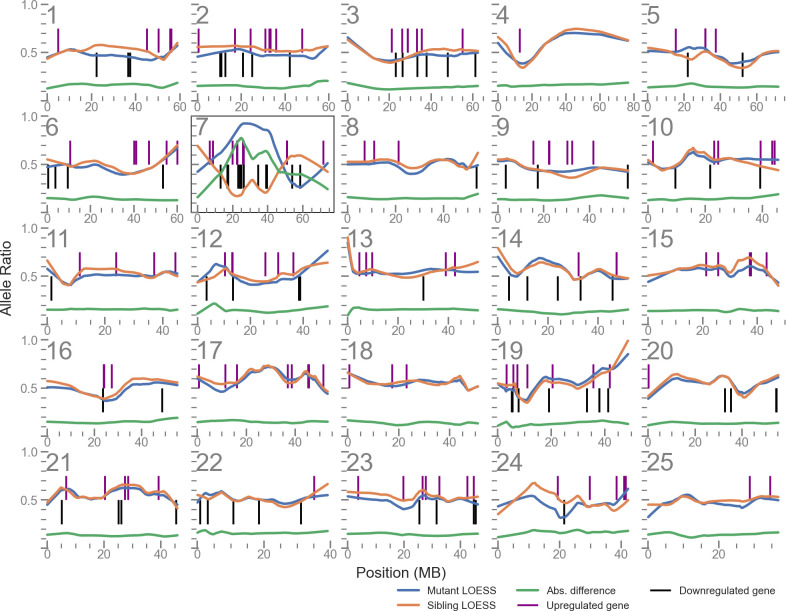
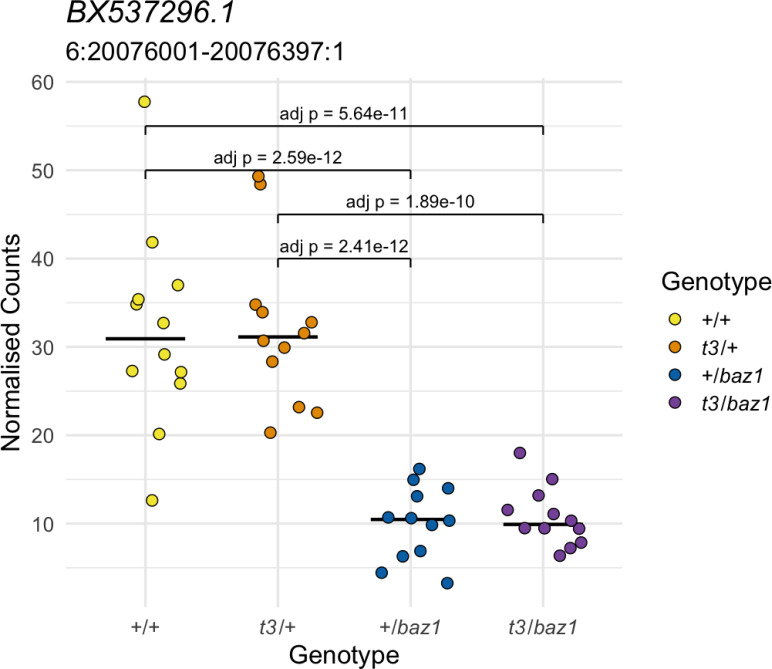
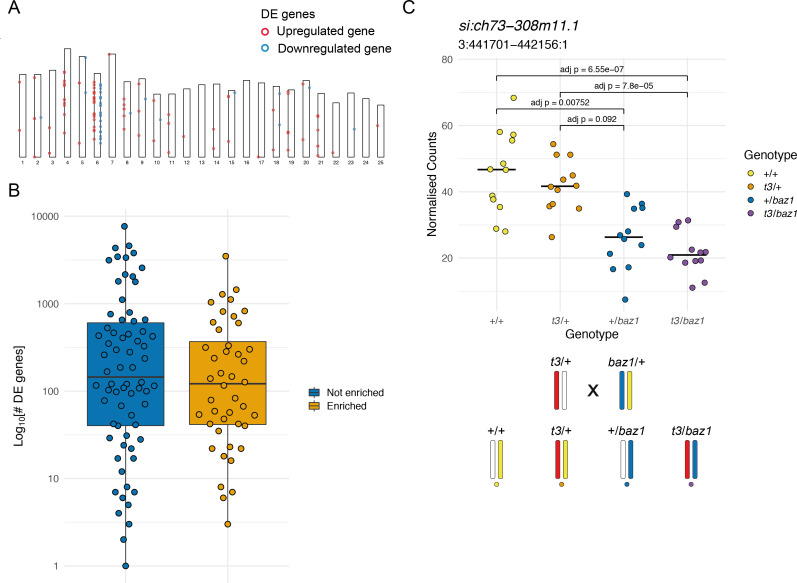
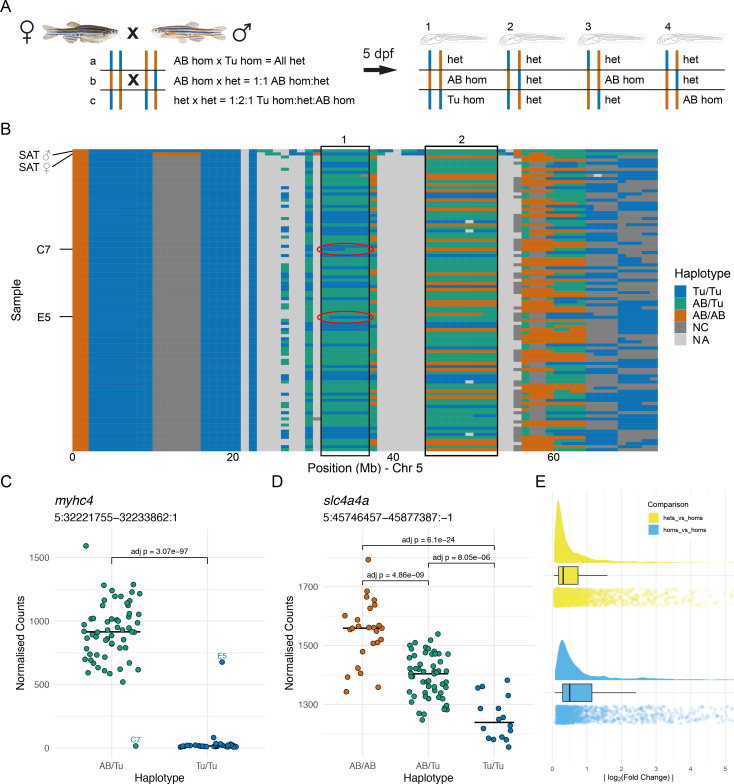
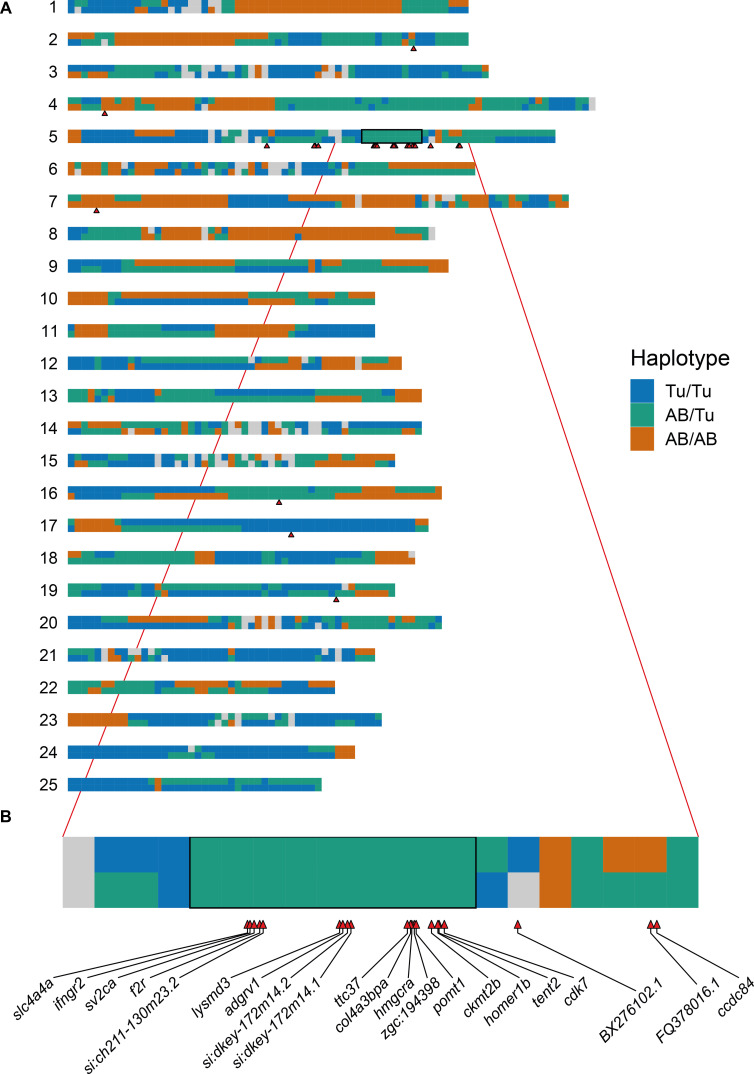
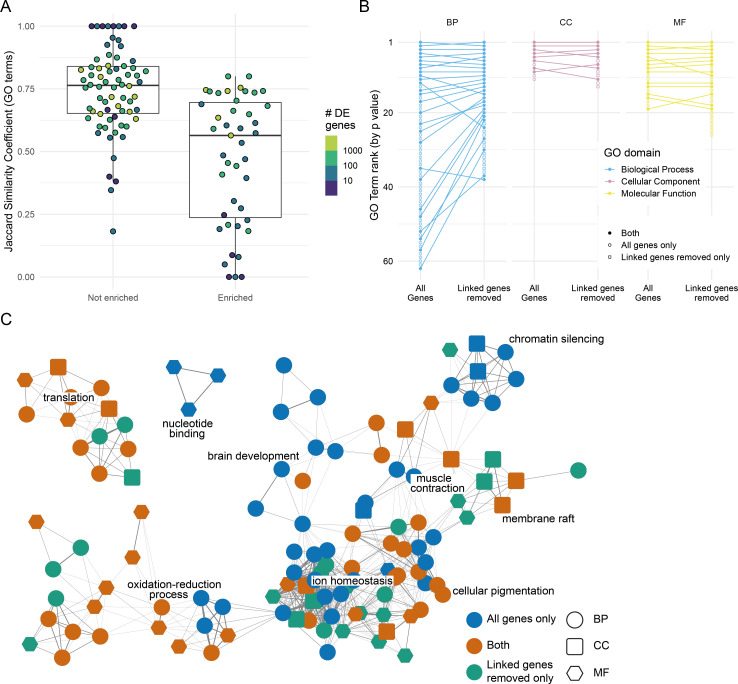
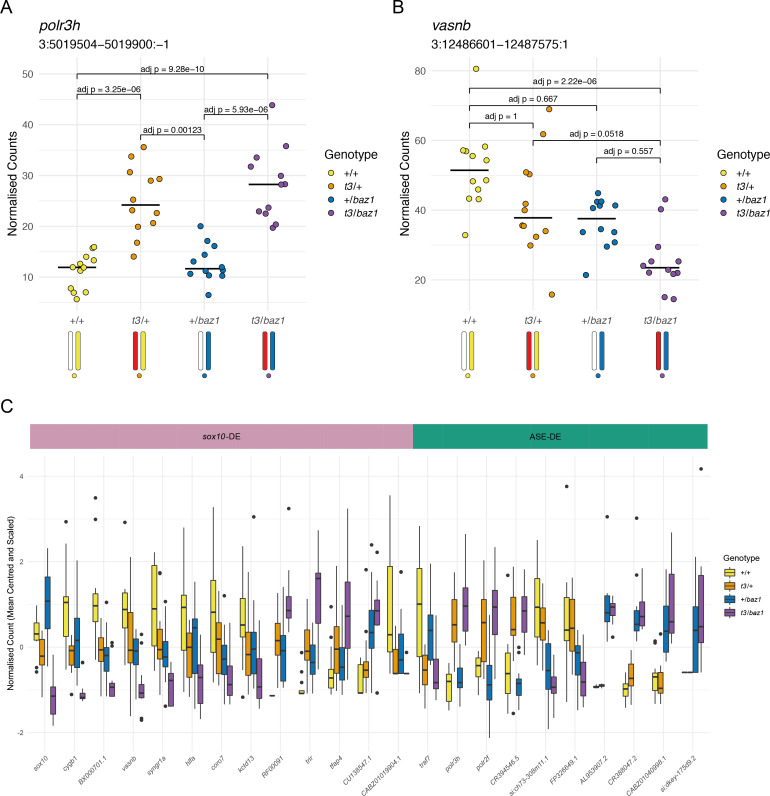
In model organisms, RNA-sequencing (RNA-seq) is frequently used to assess the effect of genetic mutations on cellular and developmental processes. Typically, animals heterozygous for a mutation are crossed to produce offspring with different genotypes. Resultant embryos are grouped by genotype to compare homozygous mutant embryos to heterozygous and wild-type siblings. Genes that are differentially expressed between the groups are assumed to reveal insights into the pathways affected by the mutation. Here we show that in zebrafish, differentially expressed genes are often over-represented on the same chromosome as the mutation due to different levels of expression of alleles from different genetic backgrounds. Using an incross of haplotype-resolved wild-type fish, we found evidence of widespread allele-specific expression, which appears as differential expression when comparing embryos homozygous for a region of the genome to their siblings. When analysing mutant transcriptomes, this means that the differential expression of genes on the same chromosome as a mutation of interest may not be caused by that mutation. Typically, the genomic location of a differentially expressed gene is not considered when interpreting its importance with respect to the phenotype. This could lead to pathways being erroneously implicated or overlooked due to the noise of spurious differentially expressed genes on the same chromosome as the mutation. These observations have implications for the interpretation of RNA-seq experiments involving outbred animals and non-inbred model organisms.
在模式生物中,RNA 测序(RNA-seq)常用于评估基因突变对细胞和发育过程的影响。通常,杂合突变的动物会被杂交,以产生具有不同基因型的后代。由此产生的胚胎按基因型分组,比较纯合突变胚胎与杂合和野生型兄弟姐妹。假定在这些组之间差异表达的基因能够揭示出受突变影响的途径的见解。在这里,我们表明在斑马鱼中,由于不同遗传背景的等位基因表达水平不同,差异表达的基因通常在与突变相同的染色体上过度表达。使用单倍型解析的野生型鱼类的近交,我们发现了广泛的等位基因特异性表达的证据,当比较基因组区域纯合的胚胎与其兄弟姐妹时,这种表达表现为差异表达。当分析突变转录组时,这意味着与感兴趣的突变位于同一染色体上的基因的差异表达可能不是由该突变引起的。通常,在解释与表型相关的基因的重要性时,不会考虑差异表达基因在基因组上的位置。由于与突变位于同一染色体上的假阳性差异表达基因的噪声,这可能导致途径被错误地牵连或忽视。这些观察结果对涉及杂交动物和非近交模式生物的 RNA-seq 实验的解释具有重要意义。